
Low Income Senior Housing Keene Nh


Large Print Keyboard

Smart Doorbell Camera

Sudoku Puzzle Book
Finding low income senior housing in Keene, NH can provide stability and dignity for older adults on a limited budget. These programs offer more than just shelter—they include access to healthcare, meals, transportation, and social support tailored to seniors’ needs. Whether you’re a resident or helping a loved one, knowing where to look makes all the difference.
Key Takeaways
- Affordable Options Exist: Several state and federally funded programs help make senior living in Keene, NH, financially accessible to low-income residents.
- Support Services Included: Many low income senior housing communities in Keene offer meal delivery, health screenings, housekeeping, and transportation assistance.
- Eligibility Based on Income: Applicants must typically meet both age (62+) and income requirements, which are often capped at 30–50% of area median income.
- Waitlists Are Common: Due to high demand, many affordable senior housing units have waiting lists—so applying early is crucial.
- Nonprofits Play a Key Role: Organizations like Monadnock Community Health Center and local Area Agencies on Aging help connect seniors with available resources.
- Home-Based Alternatives Available: If apartment living isn’t right, home modification grants and congregate care options may be better suited.
- Local Support Is Strong: Keene’s community actively supports its aging population through volunteer networks, senior centers, and advocacy groups.
📑 Table of Contents
- Finding Comfort and Security: Low Income Senior Housing in Keene, NH
- What Is Low Income Senior Housing?
- Types of Affordable Senior Housing in Keene
- Who Qualifies for Low Income Senior Housing in Keene?
- Support Services Beyond the Rent
- Challenges and Realities
- How to Apply for Low Income Senior Housing in Keene, NH
- Success Stories from Keene Seniors
- Looking Ahead: What’s Changing?
- Final Thoughts
Finding Comfort and Security: Low Income Senior Housing in Keene, NH
Imagine this: you’re an older adult living on a fixed income—Social Security, maybe a small pension, perhaps some Supplemental Security Income (SSI). Your monthly budget is tight, but your independence matters deeply. You want to stay in your neighborhood, near friends and familiar places. You deserve safety, comfort, and a little dignity in your daily life.
That’s exactly what low income senior housing in Keene, NH aims to provide. These aren’t just buildings with rooms—they’re communities built for people who’ve spent decades contributing to their towns, raising families, and building lives. Now, as they age, these individuals need support that respects their autonomy while ensuring they’re not left behind because of cost.
Keene, nestled in southwestern New Hampshire, has long been known for its vibrant college town energy and strong sense of community. But beneath that youthful buzz lies a growing population of seniors who still call this city home. For them, finding affordable housing isn’t just about saving money—it’s about preserving quality of life, staying connected, and aging with grace.
What Is Low Income Senior Housing?
Low income senior housing refers to subsidized living arrangements specifically designed for adults aged 62 and older whose incomes fall below certain thresholds. These programs are usually backed by federal, state, or nonprofit funding and come in several forms:
Visual guide about Low Income Senior Housing Keene Nh
Image source: cdn-media.port-career.com
- Public Housing: Managed by local housing authorities, these units charge rent based on 30% of a tenant’s income.
- Section 202 Supportive Housing: Federally funded developments that include rental subsidies plus on-site support services like meals, cleaning, and health monitoring.
- Nonprofit-Developed Communities: Often called “affordable senior apartments,” these may offer sliding-scale rents and community activities.
The goal? To ensure no senior has to choose between paying rent and buying groceries, medications, or heat for their home.
How It Works in Practice
Let’s say Maria, 71, retired from teaching and now relies solely on Social Security. Her monthly income is $1,400. In Keene, the fair market rent for a one-bedroom apartment might be around $1,200. Without assistance, she’d spend nearly her entire paycheck on housing—leaving nothing for utilities, food, or unexpected car repairs.
But thanks to low income senior housing in Keene, NH, Maria could qualify for a subsidized unit where her rent would be calculated at 30% of her income—about $420 per month. That leaves her with over $900 for everything else. Plus, if she lives in a supportive housing program, she might get weekly meals, help with grocery shopping, or even transportation to medical appointments.
Types of Affordable Senior Housing in Keene
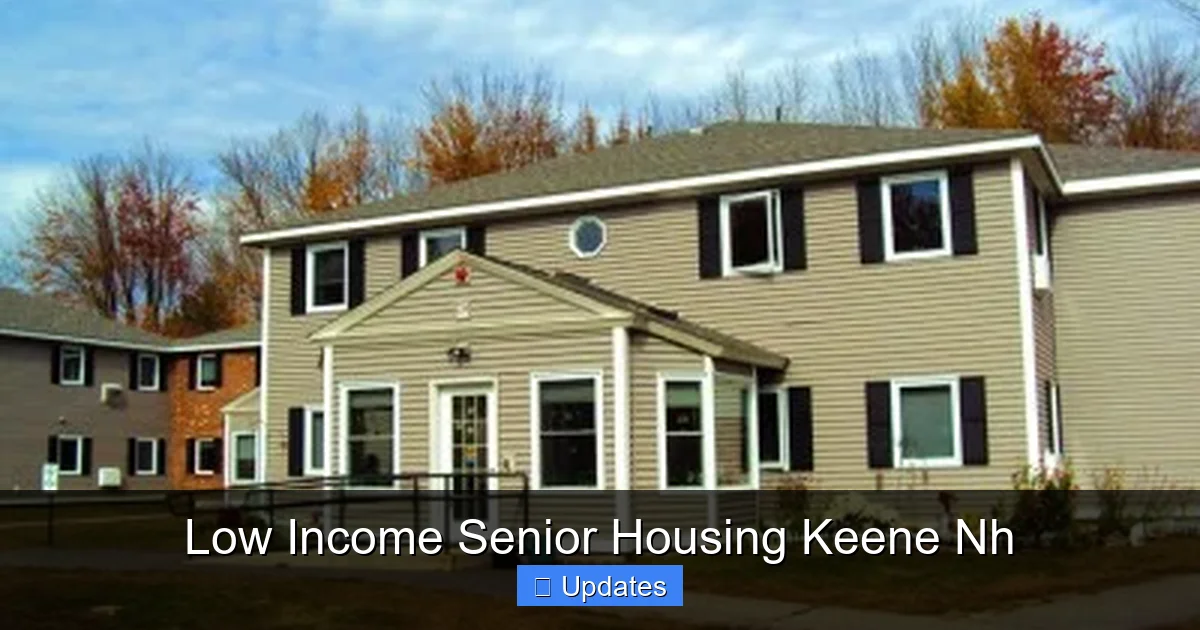
Keene doesn’t have a massive portfolio of large-scale senior housing complexes like big cities do—but it offers thoughtful, locally rooted options tailored to real needs. Here’s what’s available:
Visual guide about Low Income Senior Housing Keene Nh
Image source: s3.amazonaws.com
1. Monadnock Affordable Housing Trust Units
The Monadnock Affordable Housing Trust (MAHT) manages several properties across Cheshire County, including some in Keene. These units prioritize low-income households, especially seniors. Rent is income-based, and applicants must undergo background checks and financial reviews.
One such development is Maple Street Commons, a small cluster of apartments near downtown Keene. Residents enjoy proximity to pharmacies, libraries, and the Keene Senior Center. MAHT also partners with local nonprofits to offer case management and wellness checks.
2. Section 8 Project-Based Vouchers
While most Section 8 vouchers are portable (meaning you can use them anywhere), some are project-based—attached to specific buildings. In Keene, a few older apartment buildings participate in this program. Tenants pay 30% of their income toward rent; the rest is covered by the voucher.
For example, the historic Willard Hall Apartments on Court Street accepts Section 8 tenants and caters to seniors. The building has elevators, emergency call systems, and is ADA-accessible. However, waitlists can stretch six months to two years.
3. Congregate Housing with Support Services
This model combines affordable housing with communal dining and optional care services. While Keene doesn’t host a large congregate facility, nearby options exist—and some allow residents to age in place with dignity.
For instance, Nashua’s Riverwalk Commons (just 20 minutes away) offers studio and one-bedroom units with shared kitchens and dining halls. Meals are provided three times a day, and staff assist with medication reminders. Though technically outside Keene, it’s often considered part of the broader regional network.
4. Home Sharing & Co-Housing Programs
Not every senior wants (or needs) a traditional apartment. Some prefer to share a home with another person—either a family member or someone matched through a co-housing initiative. Local agencies sometimes help facilitate these arrangements with legal guidance and conflict-resolution support.
Who Qualifies for Low Income Senior Housing in Keene?
Eligibility rules vary slightly depending on the program, but generally follow these guidelines:

Visual guide about Low Income Senior Housing Keene Nh
Image source: rodo.co.jp
- Age Requirement: Most programs require residents to be at least 62 years old.
- Income Limits: For 2024, the income ceiling is typically 50% of the area median income (AMI) for your household size. In Cheshire County, that’s roughly $48,000 for a single person or $68,000 for two people.
- Citizenship/Residency: U.S. citizens or qualified non-citizens must reside in the U.S., and applicants must live in the Keene area to receive priority.
- Background Checks: Criminal history and eviction records may disqualify someone—but many programs consider rehabilitation and individual circumstances.
It’s important to note that “low income” doesn’t always mean destitution. Even someone earning $2,000/month might struggle to afford Keene’s modest but steadily rising rents without subsidy.
Tips for Applying Successfully
- Gather documents upfront: Social Security statements, bank records, lease agreements (if currently renting), and proof of identity.
- Contact multiple sources: Don’t rely on just one application. Apply to MAHT, HUD-approved landlords, and regional housing coalitions.
- Follow up regularly: If you’re on a waitlist, check in every 3–6 months to confirm your status.
- Ask about preferences: Some programs let you request ground-floor units, pet-friendly spaces, or quiet wings.
Support Services Beyond the Rent
Here’s where low income senior housing in Keene truly shines: it’s not just about bricks and mortar. Many programs bundle essential services into the rent—making life easier and healthier for residents.
Meal Programs
Meals-on-Wheels delivers nutritious lunches to homebound seniors in Keene and surrounding towns. At congregate sites, hot meals are served daily. This reduces isolation and ensures proper nutrition—critical for managing chronic conditions like diabetes or heart disease.
Health & Wellness Clinics
Partnerships with Monadnock Community Health Center bring free flu shots, blood pressure checks, and diabetes screenings directly to senior housing sites. Nurses also conduct wellness visits and connect folks to specialists when needed.
Transportation Assistance
Many low income senior housing communities organize group outings—to the grocery store, doctor’s office, or senior center. Volunteer drivers or contracted vans handle pickups and drop-offs. This keeps seniors mobile and engaged.
Social Activities & Peer Support
Bingo nights, book clubs, craft workshops—these aren’t luxuries; they’re vital for mental health. Loneliness accelerates cognitive decline, so intentional social programming is key. Keene’s Senior Center hosts weekly events open to all residents.
Challenges and Realities
Despite strong efforts, gaps remain. Waitlists are long. Funding fluctuates. And stigma—the idea that “subsidized housing = poor housing”—still prevents some seniors from seeking help.
Another hurdle? Awareness. Many eligible seniors don’t know where to start. That’s why outreach by organizations like Mobile AL No Waiting List (which highlights successful application strategies) can be so valuable. Learning how others navigated the system builds confidence.
Also, rural dynamics matter. Keene is close enough to larger centers like Manchester (45 minutes away) for specialty care, but not so close that urban-style density solves all problems. Transportation remains a barrier for some.
How to Apply for Low Income Senior Housing in Keene, NH
Ready to take the first step? Here’s your action plan:
- Call the Keene Housing Authority: They oversee public housing and can refer you to participating landlords. Phone: (603) 352-4770.
- Reach Out to MAHT: Visit monadnockaffordablehousing.org or call (603) 352-5683.
- Contact the Cheshire County Office for Aging & Disability: They offer case management and application assistance. Phone: (603) 271-2375.
- Check HUD’s Housing Search Tool: Go to hud.gov and filter by “senior” and “income-restricted.”
- Attend a Community Resource Fair: Held quarterly at the Keene Public Library, these events connect seniors with housing, healthcare, and utility assistance info.
Pro tip: Bring a friend or family member to appointments. Having support during phone calls or interviews makes a big difference.
Success Stories from Keene Seniors
Take Robert, 68. After his wife passed, he moved back to Keene to be near his children. His Social Security check barely covered rent and utilities. He felt trapped.
Then he learned about Maple Street Commons through the Senior Center. Within eight months, he got an interview, passed the screening, and now pays $380/month for a one-bedroom. He gets weekly meals, rides to church, and plays chess with neighbors every Thursday. “I thought I was invisible,” he says. “Now I feel seen.”
Or consider Eleanor, 75. She lives alone after downsizing from her house. She struggled with grocery trips due to arthritis. Thanks to a home-delivered meal program linked to her housing provider, she eats well and stays connected to volunteers who stop by monthly.
These stories show that low income senior housing in Keene, NH isn’t just policy—it’s personal. It’s about restoring hope.
Looking Ahead: What’s Changing?
The landscape of affordable senior housing is evolving. New construction is slow due to costs, but preservation of existing stock is gaining attention. Advocacy groups are pushing for more inclusionary zoning—requiring developers to set aside units for low-income seniors.
Meanwhile, technology helps. Virtual tours let applicants preview units remotely. Online portals streamline applications. And telehealth integration means doctors can visit from afar.
Federal initiatives like the National Housing Trust Fund aim to expand supply nationwide—though New Hampshire hasn’t yet received major allocations. Still, local innovation persists. Imagine a future where every senior in Keene knows exactly where to turn when facing housing insecurity.
Final Thoughts
Aging shouldn’t mean choosing between warmth and hunger, independence and safety, or community and solitude. Low income senior housing in Keene, NH exists to prevent that choice. It’s a lifeline woven from compassion, policy, and neighborly spirit.
If you or someone you love needs help finding affordable, dignified housing, don’t hesitate. Reach out. Ask questions. Advocate for yourself or your family member. The system can be complex, but it’s not impossible. And in Keene, there are people who genuinely care.
You belong here—safe, supported, and surrounded by kindness.
Frequently Asked Questions
What is the income limit for low income senior housing in Keene, NH?
For 2024, most programs cap income at 50% of Cheshire County’s area median income—about $48,000 for a single person. Household size and assets also factor into eligibility.
Are pets allowed in low income senior housing?
It depends on the property. Some allow small dogs or cats with approval; others restrict pets due to liability or allergy policies. Always ask during the application process.
Do I need to be disabled to qualify?
No. Age (62+) and income are the primary criteria. Disability status may affect eligibility for additional services but not basic housing access.
How long are waitlists for Keene senior housing?
Waitlists typically range from 6 months to 2 years. Applying early and checking in regularly increases your chances of moving up.
Can I apply if I already have a place to live?
Yes! Many applicants are current renters or homeowners looking to downsize or reduce costs. Stability doesn’t disqualify you.
Is there help paying utilities in low income senior housing?
Some programs include utilities in the rent; others offer utility assistance separately through state or nonprofit grants. Ask your housing provider or contact the Cheshire County Office for Aging for details.
