
Low Income Senior Housing in Southfield Mi


Glucose Monitor Kit

Adjustable Bed Frame

Anti-Slip Shower Stickers
Finding safe, affordable housing as a low-income senior in Southfield, Michigan, can be challenging—but not impossible. With rising costs and limited options, many older adults rely on government-assisted programs and nonprofit partnerships to maintain independence. This guide walks you through available low income senior housing in Southfield MI, including eligibility, application tips, and local support services. Whether you’re relocating or seeking nearby options, we’ll help you navigate your choices with confidence and clarity.
Finding a safe, comfortable, and affordable place to live as a senior shouldn’t be overwhelming—especially when you’re on a fixed income. In Southfield, Michigan, a city known for its tree-lined streets, shopping centers, and proximity to Detroit, many older adults face rising housing costs, shrinking savings, and fewer options designed specifically for seniors. That’s where low income senior housing in Southfield MI comes into play. Though the city itself has minimal public or subsidized senior housing stock, there are still meaningful pathways to secure dignified, affordable living nearby.
Whether you’re looking to downsize, need help with daily activities, or simply want a community that understands your lifestyle needs, understanding your options is the first step. This article dives deep into what’s available, how to qualify, and practical advice for navigating the system. We’ll also touch on nearby cities with better availability—because sometimes the best fit isn’t exactly in your backyard.
Key Takeaways
- Southfield offers several low-income senior housing options: While the city itself has limited public housing, nearby communities like Detroit and Macomb County provide accessible alternatives under state-funded programs.
- Eligibility is based on income and age: Most programs require applicants to be 62+ and have an annual income below specific thresholds set by HUD (typically 30–50% of area median income).
- Waiting lists are common but manageable: Applying early and maintaining updated documentation increases your chances of securing placement when spots open up.
- Transportation access matters: Many Southfield-area facilities offer shuttle services or are near public transit, which helps seniors maintain medical appointments and social connections.
- Support services are often included: Affordable housing may include meal plans, wellness checks, transportation assistance, and activity programs tailored to older adults.
- Nonprofits play a key role: Organizations like Catholic Charities and Habitat for Humanity connect seniors with affordable units and down payment assistance.
- Explore surrounding areas if needed: Cities like Warren, Oak Park, and Royal Oak have more inventory and shorter wait times than central Southfield.
📑 Table of Contents
Understanding Low Income Senior Housing Options Near Southfield
While Southfield doesn’t operate large-scale senior housing developments under its municipal umbrella, residents benefit from regional programs administered by Oakland County and neighboring jurisdictions. These include federally funded Section 8 project-based vouchers, state-supported supportive housing, and nonprofit-run apartment complexes.
Most of these facilities cluster in nearby communities such as Warren, Oak Park, Ferndale, and even parts of Detroit proper. The good news? Many are just minutes away from Southfield’s amenities, healthcare centers, and family-friendly neighborhoods.
One important distinction: “low income” doesn’t always mean “no cost.” Rent typically ranges from $200–$800 per month depending on unit size, location, and program type. For example, a one-bedroom apartment might cost around $450 under HUD guidelines, while shared living spaces or congregate care could be even lower.
Types of Affordable Senior Housing Available
There are several models of affordable senior housing in the Metro Detroit area:
– **HUD-Assisted Apartments**: Funded through the U.S. Department of Housing and Urban Development, these properties offer rent subsidies based on tenant income. Tenants pay about 30% of their monthly income toward rent; the rest is covered by federal funding.
– **Project-Based Section 8**: Similar to above, but the subsidy stays with the building rather than the individual. This allows for longer-term stability since moving doesn’t affect affordability.
– **Nonprofit & Faith-Based Communities**: Groups like St. Vincent de Paul or local churches often partner with developers to create low-rent senior housing. Amenities vary widely—some include meals, housekeeping, or transportation.
– **Senior Cooperatives**: Residents collectively manage the property, lowering overhead and keeping rents low. These require active participation but foster tight-knit communities.
Each model has pros and cons. HUD-assisted units may have waiting lists, while cooperatives demand time commitments. But all aim to preserve independence while reducing financial strain.
Eligibility Requirements Explained
To qualify for most low income senior housing in Southfield MI, applicants must meet three core criteria:
1. **Age**: Typically 62 years or older (some exceptions exist for disabled individuals under 62).
2. **Income Limit**: Annual household income must fall at or below 50% of Oakland County’s Area Median Income (AMI). As of 2024, that’s roughly $48,000 for a single person and $55,000 for two people.
3. **Residency**: Applicants usually need to live in Michigan or intend to relocate within 60 days.
Additional factors may include credit history, background checks (for criminal records), and proof of residency (like a driver’s license or utility bill).
It’s worth noting that some private landlords or nonprofit groups offer “affordable” units without strict HUD compliance—these often target those earning 80% AMI or less. Always verify whether rent is truly capped or just discounted temporarily.
How to Apply for Affordable Senior Housing
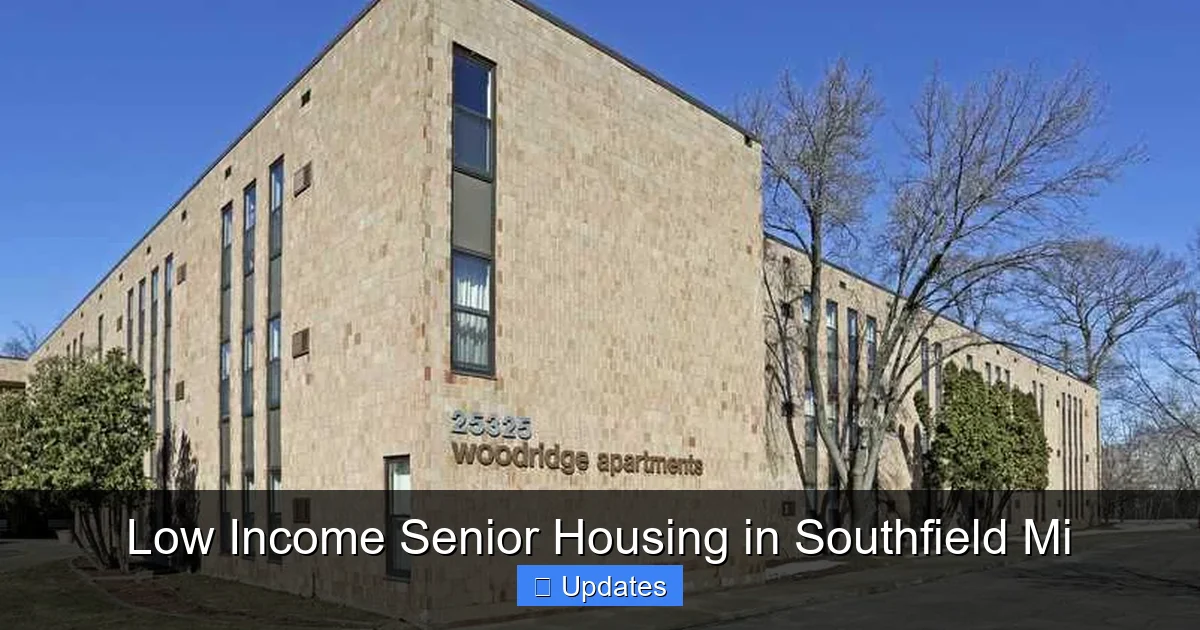
Visual guide about Low Income Senior Housing in Southfield Mi
Image source: lowincomehousing.us
The application process can feel daunting, but breaking it down makes it manageable. Here’s a step-by-step roadmap:
Gather Required Documents First
Before contacting any property manager or housing authority, collect:
– Birth certificate or passport confirming age
– Social Security card(s)
– Recent tax returns or pay stubs showing income
– Bank statements (last 2–3 months)
– Proof of residency (utility bill, lease agreement)
– Medical records (if applying due to disability)
Having everything ready speeds up approval and shows seriousness—which agencies appreciate.
Contact Local Housing Authorities
In Oakland County, the primary contact is the Oakland County Community Development Agency (OCCDA). They oversee many subsidized senior projects in the region. Visit their website or call (248) 399-2000 to request an intake packet.
You’ll likely fill out forms online or via mail, then attend an orientation session. Some locations even host walk-in hours every Thursday morning—call ahead to confirm.
Consider Nonprofit Partners
Organizations like Catholic Charities Archdiocese of Detroit run referral networks linking seniors to available units. Their caseworkers help with applications, budget counseling, and even moving logistics. Reach them at (313) 965-4400.
Similarly, Habitat for Humanity of Oakland County occasionally builds new affordable homes with senior-specific features (grab bars, no stairs, etc.). While inventory is limited, signing up for their interest list takes pressure off searching solo.
Tips to Improve Your Chances
– **Apply early**: Waiting lists average 1–3 years long. Submit requests now!
– **Update info regularly**: If your income changes or you move, notify the agency immediately.
– **Be flexible geographically**: Expanding your search radius increases options dramatically.
– **Ask about preferences**: Some programs let you choose floor level, pet policies, or quiet buildings.
– **Stay engaged**: Attend community meetings or volunteer events at the housing site—it builds goodwill!
Remember, persistence pays off. Many successful applicants waited over a year before receiving notice—but they kept following up and refining their profiles.
Amenities and Support Services Included
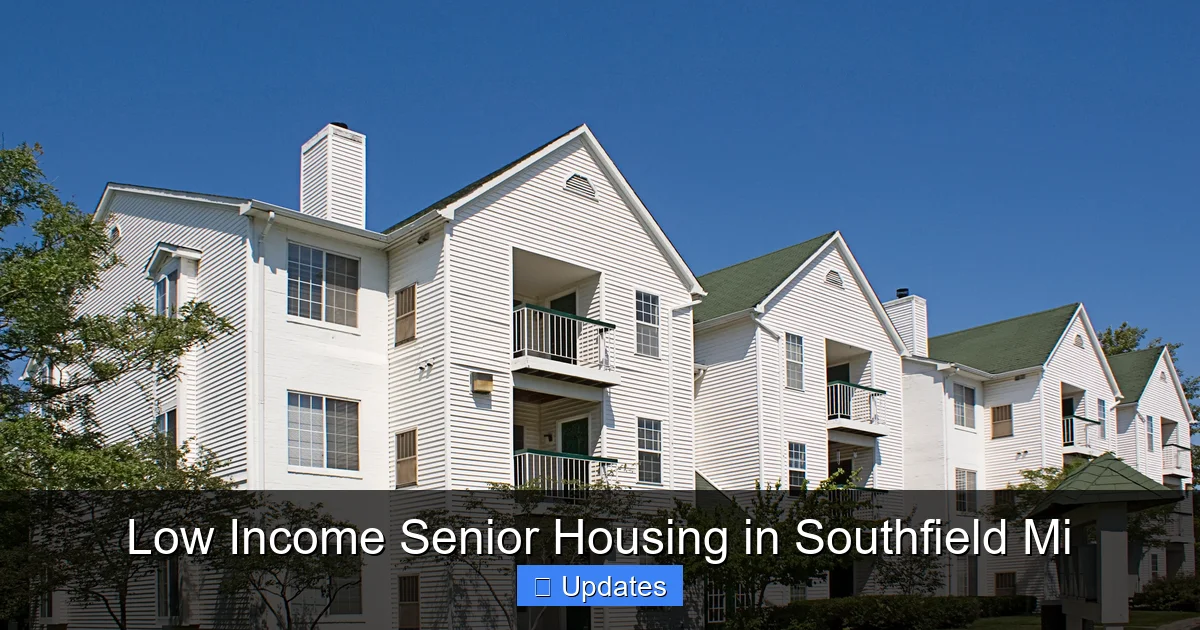
Visual guide about Low Income Senior Housing in Southfield Mi
Image source: resource.rentcafe.com
Beyond affordable rent, top-tier low income senior housing in Southfield MI prioritizes quality of life. Look for communities offering:
– **On-site nursing or wellness checks** (especially important for those managing chronic conditions)
– **Group dining halls or meal delivery** (often USDA-approved nutritious meals)
– **Scheduled transportation** to doctors, grocery stores, or malls
– **Recreation rooms, libraries, or art studios**
– **Social clubs, exercise classes, or bingo nights**
– **24/7 maintenance and emergency response systems**
Some facilities even partner with local hospitals for telehealth kiosks or physical therapy visits. Others host legal aid clinics or Medicare enrollment fairs right on campus.
These extras aren’t free—they’re built into the rental rate thanks to grants and partnerships. So ask during tours: *“What’s included in my rent?”*
Special Considerations for Mobility and Health Needs
If you use a wheelchair, walker, or have vision challenges, prioritize barrier-free designs. Features like roll-in showers, lever handles, audible doorbells, and visual fire alarms make daily life safer and easier.
Many agencies screen for accessibility needs upfront. Be honest about limitations—this helps match you with appropriate units and may unlock additional support (like home modification grants from the Michigan State Housing Development Authority).
Also consider proximity to pharmacies, urgent care centers, and rehabilitation facilities. A short drive beats hours spent searching for parking or navigating busy sidewalks.
Nearing the End: Making the Move Smoothly
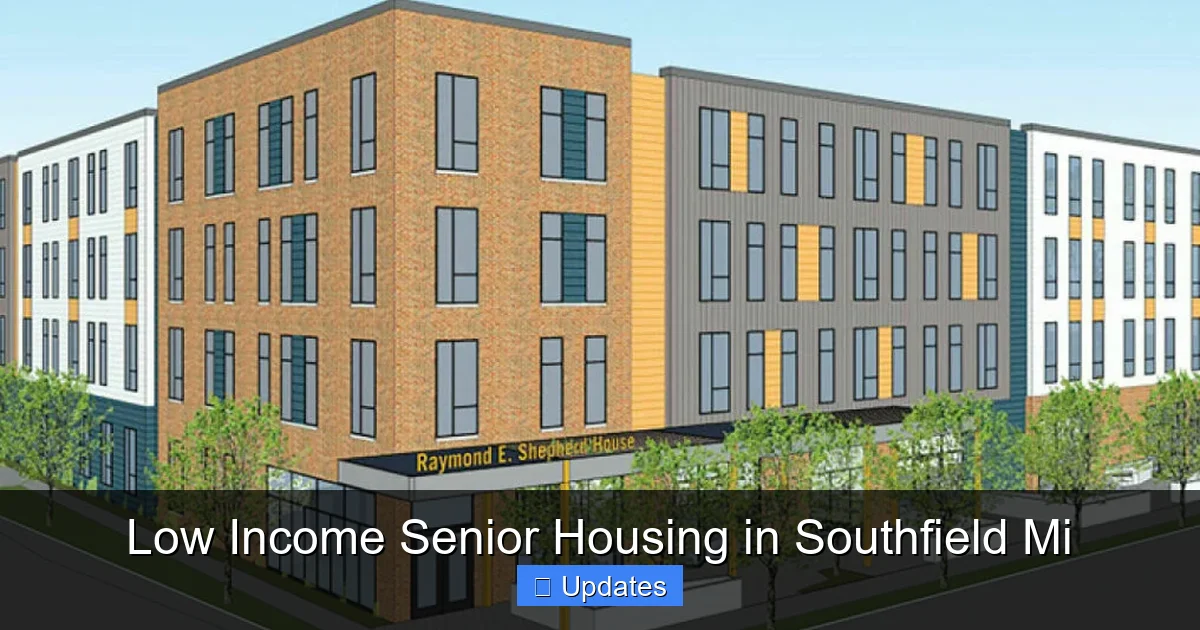
Visual guide about Low Income Senior Housing in Southfield Mi
Image source: pridesource.com
Once approved, planning your transition prevents stress down the road. Start packing 6–8 weeks before your expected move date. Label boxes clearly and keep essentials (medications, glasses, ID) unpacked and easily reachable.
Notify banks, utilities, and subscription services of your new address. Set up mail forwarding through the U.S. Postal Service—it’s free and ensures you don’t miss critical notices.
Finally, introduce yourself to neighbors and staff. Building relationships early fosters belonging and reduces isolation—a real concern for many seniors adjusting to new routines.
Resources Beyond Housing
Affordable housing is just one piece of the puzzle. Seniors in Southfield and surrounding areas should also tap into:
– **Area Agency on Aging (AAA)**: Call (800) 852-7795 for Michigan’s AAA. They offer case management, caregiver support, and utility assistance.
– **Meals on Wheels**: Delivers hot lunches Monday–Friday to eligible low-income seniors. Apply through your local AAA chapter.
– **Transportation Vouchers**: Oakland County provides discounted rides via SMART Bus or specialized paratransit for medical trips.
– **Legal Aid**: Michigan Legal Help offers free consultations on housing disputes, estate planning, and elder abuse prevention.
Don’t hesitate to reach out. These services exist precisely to ease burdens so you can focus on enjoying your golden years.
Final Thoughts: You Deserve Dignified Living
Navigating low income senior housing in Southfield MI requires patience, research, and courage—but you’re not alone. Between federal programs, nonprofit advocates, and community resources, countless paths lead to stable, respectful living arrangements. The key is starting early, staying organized, and leaning on trusted helpers along the way.
Whether you choose a bustling apartment complex near downtown Southfield or a quieter facility in Royal Oak, remember: affordability doesn’t mean compromise. Today’s senior housing blends comfort, safety, and camaraderie—all while honoring your independence.
Take that first step today. Contact OCCDA. Talk to Catholic Charities. Fill out that application. Because when it comes to your home, dignity should never be out of reach.
—
Frequently Asked Questions
Are there any low-income senior housing options actually located in Southfield?
Currently, Southfield itself has very few publicly funded or subsidized senior housing units. Most affordable options are located in nearby cities like Warren, Oak Park, or Ferndale, which are easily accessible via major highways.
How long do waiting lists take for affordable senior housing in Oakland County?
Waiting times typically range from 12 to 36 months, depending on demand and availability. Applying early and submitting complete documentation can slightly shorten the wait.
Can I bring my pet to a low-income senior apartment?
Pet policies vary by property, but many modern senior housing communities now allow small pets (dogs or cats) with deposit fees or monthly pet rent. Always ask during your tour.
Is food included in low-income senior housing rent?
Not always, but some facilities offer group dining or meal plans for an extra fee. Others partner with Meals on Wheels for delivery. Clarify this detail before signing a lease.
What if my income increases after I move into affordable housing?
Rent adjustments are rare but possible. Most programs base payments on current income, so report changes promptly to avoid overpayments.
Do I need to have lived in Michigan forever to qualify?
No—most programs accept new residents who plan to establish Michigan domicile within 60 days of moving in. Proof of intent (like a lease or utility setup) suffices.