
What Are Intergenerational Hobbies for Families?


Talking Clock

Large Button TV Remote

Bed Rail for Seniors
Quick Answer
Intergenerational hobbies are activities that children, parents, grandparents, and other relatives from different age groups enjoy together. Good examples include gardening, cooking, crafts, card games, photography, music, storytelling, walking, puzzles, and family history projects; the National Institute on Aging also encourages meaningful activities and time with family and friends as part of staying engaged as we age.
Good intergenerational hobbies usually have these qualities
- Easy to adapt: Children, adults, and older relatives can participate at different skill levels.
- Enjoyable together: The activity creates natural conversation instead of forcing people to socialize.
- Low pressure: Nobody needs to be especially talented or competitive.
- Repeatable: Families can return to the hobby weekly, monthly, or during visits.
- Shared learning: Different generations get opportunities to teach and learn from one another.
A simple way to begin
- Pick one familiar activity, plan a 30- to 60-minute session, and let every generation contribute something.
Some of my favorite family activities are surprisingly ordinary. A recipe, deck of cards, camera, garden pot, or box of old photographs can create more conversation than an elaborate outing.
That is why intergenerational hobbies work so well. As of 2026, families have plenty of choices that work in person, outdoors, at home, or even across long distances.
In This Guide
- What are intergenerational hobbies?
- Why are intergenerational hobbies good for families?
- What are the best intergenerational hobbies?
- Which hobbies work for different ages and abilities?
- How do you choose a hobby everyone will enjoy?
- How can grandparents and grandchildren start a hobby together?
- How can families adapt hobbies for distance or limited mobility?
- How do you turn a hobby into a lasting family tradition?
- Frequently asked questions
What Are Intergenerational Hobbies?
Intergenerational hobbies are leisure activities shared by people from two or more generations. The important part isn’t everyone’s age; it’s participating in something meaningful together.
Definition: An intergenerational hobby is a repeatable activity in which people from different generations create, learn, play, move, explore, or solve problems together.
A grandmother teaching a teenager to crochet counts. So does a teenager showing a grandfather how to edit family photographs on a tablet.
The teaching can move in both directions. That balance is one reason these hobbies feel different from simply supervising children or visiting older relatives.
They don’t have to be traditional hobbies
Families sometimes assume they need a formal craft or specialized equipment. They don’t.
- Cooking: Prepare an old family recipe or learn a new one together.
- Gardening: Grow herbs, flowers, vegetables, or houseplants.
- Games: Try cards, chess, dominoes, puzzles, or board games.
- Music: Sing, play instruments, build playlists, or explore favorite songs.
- Photography: Take neighborhood photographs and compare everyone’s perspective.
- Family history: Record stories, label photographs, or build a family tree.
The best activity is usually the one people want to repeat. Fancy equipment matters far less than shared interest.
Why Are Intergenerational Hobbies Good for Families?
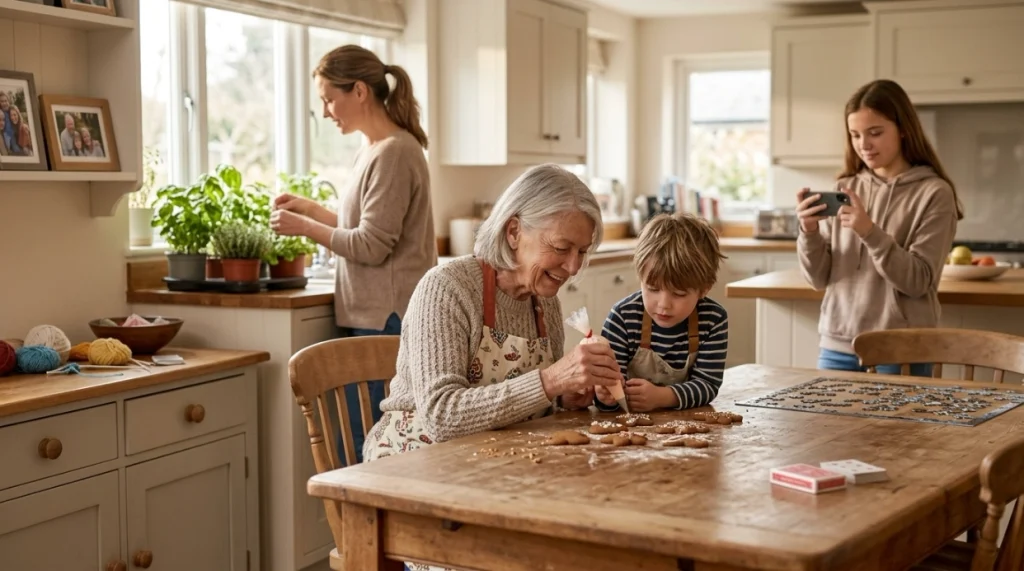
Intergenerational hobbies give relatives something to do while they connect. That can make conversation easier because nobody has to sit face-to-face wondering what to talk about.
The CDC’s guidance on social connection explains that supportive relationships contribute to belonging and well-being. A regular family hobby is one practical way to create repeated opportunities for that connection.
Everyone gets a useful role
A good shared hobby avoids the feeling that one age group is simply entertaining another. Each person can contribute knowledge, curiosity, creativity, or practical help.
- Older adults may share experience, traditions, recipes, stories, or long-practiced skills.
- Adults can organize supplies, transportation, schedules, and more complicated tasks.
- Teenagers may contribute technology, photography, music, research, or new ideas.
- Children often bring curiosity, imagination, energy, and willingness to experiment.
This exchange is close to the idea promoted by Generations United: different generations have resources and strengths they can share with one another.
Shared hobbies create natural memories
I prefer activities that produce something you can remember later. It might be a tomato plant, handwritten recipe book, scrapbook, painted birdhouse, or simply an ongoing chess rivalry.
The object isn’t the main point. It becomes a reminder of time spent together.
What Are the Best Intergenerational Hobbies?
The strongest choices allow different ages to participate without requiring identical abilities. Here are some of the easiest categories to explore.
1. Cooking and baking
Cooking works especially well because almost everyone can have a job. One person measures, another mixes, and someone else photographs or writes down the recipe.
- Make a traditional family dish.
- Decorate cookies or cupcakes.
- Create homemade pizza.
- Compare recipes from different decades.
- Build a family recipe book.
2. Gardening
Gardening can be as small as growing basil on a windowsill. You don’t need a large yard.
- Plant herbs in containers.
- Grow cherry tomatoes.
- Create a butterfly-friendly flower area.
- Start seeds indoors.
- Give each family member one plant to manage.
3. Crafts and making things
Crafts work because difficulty can change without changing the overall project. A child may paint while an adult handles cutting or assembly.
- Knitting or crochet
- Scrapbooking
- Painting
- Woodworking
- Model building
- Card making
- Quilting
- Simple pottery or clay projects
4. Games and puzzles
Games are useful when conversation feels awkward. The rules give everyone an immediate focus.
Try cards, checkers, dominoes, chess, bingo, jigsaw puzzles, trivia, word games, or cooperative board games.
5. Walking and nature hobbies
A hobby can include movement without becoming an exercise program. A slow nature walk becomes more interesting when you add birdwatching, photography, or plant identification.
The National Institute on Aging notes that enjoyable activities such as walking, dancing, gardening, and other physical activities can combine movement with enjoyment and social contact.
6. Music across generations
Music creates an easy exchange because every generation has songs connected to memories. Take turns choosing tracks and explaining why each one matters.
You can also sing, learn simple instruments, attend concerts, or create a family playlist.
7. Family history and storytelling
This is one of the most valuable low-cost options. Older relatives can tell stories while younger family members record, type, scan, or organize them.
- Record short audio interviews.
- Label old photographs.
- Create a family timeline.
- Map places where relatives lived.
- Collect favorite childhood memories.
- Digitize letters and recipes.
8. Photography
Phone cameras make photography unusually accessible. Give everyone the same theme, such as “something red” or “our neighborhood,” then compare the results.
Younger relatives may teach editing tools. Older relatives may know the stories behind locations and people being photographed.
Which Hobbies Work for Different Ages and Abilities?
The best choice depends on attention span, mobility, hand comfort, space, and how much preparation your family wants. This comparison gives you a practical starting point.
| Hobby | Good first session | Physical demand | Basic supplies | Easy adaptation |
|---|---|---|---|---|
| Family cooking | 45-60 minutes | Low to moderate | Kitchen basics and ingredients | Use seated prep tasks |
| Container gardening | 30-45 minutes | Low | Pot, soil, plant | Use raised or tabletop pots |
| Cards or board games | 20-45 minutes | Very low | Game or card deck | Use large-print cards |
| Photography | 20-40 minutes | Low | Phone or camera | Photograph indoors or seated |
| Family history | 30-60 minutes | Very low | Photos, notebook, recorder | Works in person or remotely |
| Nature walks | 15-30 minutes | Moderate | Comfortable footwear | Shorten route or use an accessible park |
Don’t assume an older person automatically needs the easiest option. Likewise, don’t assume children always need the most active activity.
Ask people what they enjoy first. Adapt the hobby second.
How Do You Choose a Hobby Everyone Will Enjoy?
Start with overlapping interests instead of age. A 12-year-old and a 72-year-old who both love birds already have more in common than their ages suggest.
Use four questions
- What sounds fun? Ask everyone to name two or three activities they would willingly try.
- What can everyone comfortably do? Consider mobility, vision, hearing, dexterity, attention span, and energy.
- What fits the budget? Begin with supplies you already own whenever possible.
- Can we repeat it? A hobby becomes valuable through regular participation, not one perfect session.
Start smaller than you think
I would rather see a family enjoy 30 minutes of gardening every Sunday than plan a complicated three-hour project nobody wants to repeat. Small sessions make it easier to stop while everyone is still having fun.
Try the activity two or three times before investing heavily. Borrow tools, use existing supplies, or choose a beginner project first.
How Can Grandparents and Grandchildren Start a Hobby Together?
Begin with an activity where both generations can teach something. That prevents the hobby from becoming a lesson delivered entirely in one direction.
A simple first month might look like this:
- Week one: Choose the hobby and gather basic supplies.
- Week two: Let the grandparent choose or teach one part.
- Week three: Let the grandchild introduce a new technique, tool, or idea.
- Week four: Make something together or decide on the next small goal.
Pair traditional knowledge with newer skills
This combination often creates the best exchange. One generation brings experience while another brings a different perspective.
- Cook an old recipe, then create a digital recipe card.
- Tell a family story, then record it as audio or video.
- Grow flowers, then photograph their progress each week.
- Build something from wood, then design a label for it.
- Choose favorite songs from each generation and make a shared playlist.
The hobby shouldn’t become a test of patience or expertise. Curiosity matters more.
How Can Families Adapt Hobbies for Distance or Limited Mobility?
Many shared hobbies can survive changes in mobility, geography, or energy. Focus on the core experience rather than one specific way of doing it.
For families living far apart
- Read the same book and discuss a chapter weekly.
- Cook the same recipe during a video call.
- Play online chess or word games.
- Share weekly photography challenges.
- Build a digital family-history archive together.
- Watch the same film and compare reactions afterward.
For limited mobility
- Move outdoor gardening into tabletop containers.
- Replace long walks with window birdwatching.
- Use large-print cards, puzzles, or books.
- Choose seated painting, crafting, or cooking tasks.
- Use voice recording when writing becomes uncomfortable.
Physical changes don’t necessarily mean abandoning a hobby. Sometimes changing the equipment, location, duration, or role is enough.
Health note: When an activity involves exercise or significant physical effort, older adults with health or mobility concerns should discuss suitable activity levels with their own healthcare professional.
How Do You Turn a Hobby Into a Lasting Family Tradition?
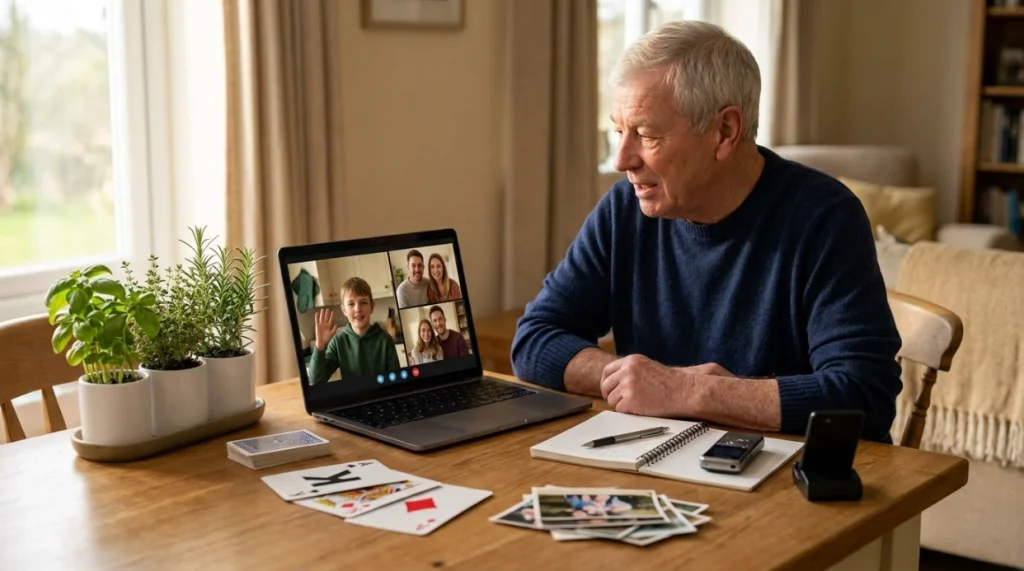
Consistency matters more than intensity. A monthly afternoon that happens for years can mean more than one ambitious family weekend.
Give the activity a predictable rhythm
Choose a schedule people can remember. It might be the first Sunday each month, every Friday evening, or part of every holiday visit.
- Keep sessions manageable: Stop before people become tired or bored.
- Share decisions: Rotate who chooses the project, recipe, game, or destination.
- Record progress: Take photographs or keep a simple family hobby journal.
- Celebrate milestones: Display crafts, cook the harvest, finish the puzzle, or print the photographs.
- Allow the hobby to change: Interests and abilities evolve over time.
Don’t force a tradition after it stops being enjoyable. The relationship matters more than preserving one particular activity.
If painting loses its appeal, try photography. If gardening becomes difficult, move to herbs indoors or start a nature journal.
Section Takeaway: The most successful intergenerational hobby is flexible enough to grow with the family while giving everyone a meaningful role.
Frequently Asked Questions About Intergenerational Hobbies
What does intergenerational activity mean?
An intergenerational activity intentionally brings people from different age groups together for a shared purpose. Within families, this might involve grandparents, parents, teenagers, and younger children cooking, creating, playing, learning, volunteering, or exploring together.
What are inexpensive intergenerational hobbies?
Low-cost choices include walking, storytelling, card games, reading, family history, birdwatching, drawing, photography with a phone, simple cooking, puzzles, and container gardening. Start with items you already own before buying specialized supplies.
What hobbies can grandparents and teenagers enjoy together?
Good options include photography, cooking, genealogy, music, gardening, chess, woodworking, fishing, walking, volunteering, and technology projects. Choose an activity where both people can contribute instead of expecting one generation to do all the teaching.
Can intergenerational hobbies be done online?
Yes. Families living apart can play online games, discuss books, cook together by video, share photography challenges, research family history, watch films, make playlists, or work on digital photo albums. Regular scheduling helps remote hobbies feel more meaningful.
What hobbies are suitable when an older family member has limited mobility?
Consider card games, puzzles, crafts, painting, music, audiobooks, family-history projects, cooking at a table, indoor gardening, photography, and storytelling. Adapt the workspace, session length, supplies, and role to the person’s comfort and abilities.
How often should families do a shared hobby?
There is no required schedule. Weekly, twice-monthly, and monthly sessions can all work. Choose a frequency people can maintain without making the activity feel like another obligation.
How do we get children interested in a hobby with older relatives?
Give children real choices and responsibilities. Let them select the recipe, photograph the project, keep score, choose a plant, ask interview questions, or teach a digital skill rather than expecting them to passively follow an adult’s plan.
The simplest way to start is to choose one activity your family already likes and do it together for 30 to 60 minutes.
You don’t need a perfect project or expensive supplies. A hobby becomes intergenerational when different ages have space to participate, contribute, teach, learn, and enjoy one another’s company.