
Can Hobbies Improve Quality of Life for Seniors?


Automatic Jar Opener

Electric Recliner Lift Chair

Hearing Aid Cleaning Kit
Quick Answer
Yes. Hobbies can improve quality of life for seniors by adding enjoyment, purpose, movement, mental stimulation, and social contact to everyday life. The National Institute on Aging notes that enjoyable social and productive activities can support well-being and healthy aging.
How hobbies may help
- More purpose: A regular hobby gives you something enjoyable to plan, practice, or complete.
- Social connection: Clubs, classes, volunteering, and group hobbies create natural opportunities to spend time with others.
- Mental activity: Reading, music, crafts, games, and learning new skills keep the mind engaged.
- Gentle movement: Walking, gardening, dancing, and similar hobbies can make physical activity more enjoyable.
- Everyday enjoyment: A hobby can turn an ordinary afternoon into time you genuinely look forward to.
A simple way to start
- Choose one activity that interests you, try it a few times, and keep it only if it makes life better rather than busier.
Hobbies can seem like a small part of retirement, but I think they deserve more attention. A good hobby can shape how your mornings feel, who you see each week, and what you look forward to next.
As of 2026, healthy-aging guidance continues to encourage older adults to stay active and engaged. This guide explains where hobbies fit, what the evidence suggests, and how to choose one that works in real life.
In This Guide
- What does quality of life mean for seniors?
- How can hobbies improve quality of life for seniors?
- Can hobbies reduce loneliness and increase connection?
- Do hobbies help keep the mind active?
- Can active hobbies support physical health?
- Which types of hobbies offer the most benefits?
- How do you choose a hobby that will actually stick?
- Frequently asked questions
- Final takeaway
What Does Quality of Life Mean for Seniors?
Quality of life is broader than physical health. It includes comfort, independence, relationships, enjoyment, purpose, confidence, and the ability to take part in activities that matter to you.
Definition: A hobby is a voluntary activity you return to for enjoyment, learning, creativity, movement, connection, or personal satisfaction.
That definition matters because a hobby doesn’t need to be impressive. Reading on the porch counts just as much as joining a photography club.
Retirement can change the rhythm of daily life
Work often provides routines without us noticing. It creates appointments, conversations, problems to solve, and small accomplishments.
After retirement, some of that structure disappears. A hobby can gently replace part of it without making retirement feel like another job.
- Gardening creates regular tasks and visible progress.
- A weekly card group gives you a reason to meet people.
- Painting creates quiet, focused personal time.
- Volunteering can provide responsibility and a sense of contribution.
- Walking can add both routine and movement.
The important part isn’t filling every hour. It’s having activities that make your time feel like your own.
How Can Hobbies Improve Quality of Life for Seniors?
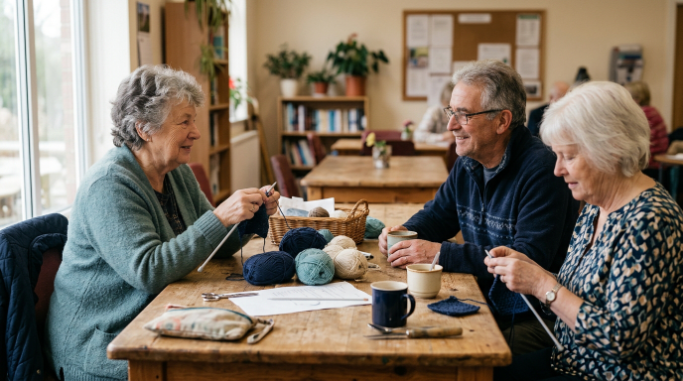
Hobbies can support several parts of well-being at the same time. The biggest benefit often comes from choosing an activity you enjoy enough to keep doing.
They give you something to anticipate
Looking forward to something matters. A Tuesday art class or Saturday garden session can give the week a comfortable rhythm.
There is also satisfaction in improvement. Finishing a puzzle, learning a song, or seeing the first tomato ripen creates a small but real sense of progress.
They can restore a sense of purpose
Purpose doesn’t have to mean taking on a major responsibility. It can come from caring for plants, helping at a library, making gifts, or teaching someone a skill.
A systematic review of purposeful activities in adults aged 80 and older found preliminary evidence that activities involving meaningful roles may improve well-being and quality of life. Roles such as volunteering or mentoring appeared especially promising.
They make ordinary days more interesting
One reason I like simple hobbies is that they don’t need a special occasion. They can improve a normal Wednesday afternoon.
- Try a new recipe.
- Photograph birds in the yard.
- Read one chapter of a mystery.
- Practice ten minutes of piano.
- Call a friend for a chess game.
These activities look small on a calendar. Yet repeated enjoyment can make daily life feel fuller and less repetitive.
Section Takeaway: Hobbies don’t improve life because they keep seniors “busy.” They help most when they provide enjoyment, purpose, progress, or connection that feels personally meaningful.
Can Hobbies Reduce Loneliness and Increase Connection?
Social hobbies can create regular, low-pressure contact with other people. That can be especially useful after retirement, relocation, or the loss of familiar routines.
The CDC explains that social isolation and loneliness can affect physical and emotional health. Older adults are among the groups at greater risk of social isolation.
Shared interests make conversation easier
Meeting new people can feel awkward when conversation is the whole point. A hobby gives everyone something else to focus on.
- Book clubs provide a ready-made discussion topic.
- Walking groups combine conversation with movement.
- Choirs create a shared project.
- Craft groups make quiet conversation feel natural.
- Volunteering puts people together around a useful task.
You also don’t need a large social circle. One reliable weekly activity with two or three familiar people may feel more valuable than a packed calendar.
Solo hobbies can become social too
Reading, photography, gardening, genealogy, woodworking, and knitting may begin as solo hobbies. Each can still lead to clubs, classes, online groups, or conversations with family.
For example, someone researching family history might start alone at home. Soon, that project can lead to phone calls with relatives and visits to archives or historical groups.
Health note: Persistent loneliness, depression, or withdrawal deserves more than a new hobby. Consider speaking with a doctor or qualified mental health professional if these feelings continue.
Do Hobbies Help Keep the Mind Active?
Mentally engaging hobbies give the brain something to work on. They can involve memory, attention, planning, language, creativity, or problem-solving.
The National Institute on Aging notes that older adults can continue learning new skills and forming new memories. Aging may change how quickly some tasks feel, but learning does not simply stop.
Novelty can make a familiar hobby more challenging
You don’t always need a completely new hobby. Small changes can make an existing interest more mentally engaging.
- Read a different type of book.
- Learn new chords on an instrument.
- Try a harder knitting pattern.
- Photograph a new subject each week.
- Cook a dish from an unfamiliar cuisine.
- Learn the history behind places you visit.
Choose challenge without frustration
A good mental hobby sits between boredom and overwhelm. You should need to think, but you shouldn’t dread starting.
Ten focused minutes can be a better beginning than buying an expensive course and forcing yourself through an hour. You can increase the challenge once curiosity takes over.
Health note: Hobbies aren’t treatments for dementia or other cognitive disorders. New or worsening memory problems should be discussed with a healthcare professional.
Can Active Hobbies Support Physical Health?
Yes. Hobbies involving movement can make physical activity feel less like a chore and more like part of an enjoyable routine.
The CDC recommends that adults aged 65 and older include aerobic, muscle-strengthening, and balance activities. Its general target includes at least 150 minutes of moderate-intensity aerobic activity each week for people who can safely meet it.
Movement doesn’t have to happen in a gym
Some hobbies naturally involve activity. Gardening, dancing, walking, swimming, cycling, tai chi, and recreational sports can all get the body moving.
- Walking: Easy to combine with nature, photography, or conversation.
- Gardening: Can involve standing, reaching, carrying, and light movement.
- Dancing: Combines music, movement, memory, and social contact.
- Swimming: Offers movement in a supported environment.
- Tai chi: Combines controlled movement with balance practice.
The right activity depends on your health and abilities. A hobby should challenge you safely, not leave you feeling unsteady or unwell.
Adapt the activity instead of abandoning it
Physical limits don’t always mean giving up a hobby. Sometimes the setup simply needs to change.
- Use raised containers instead of ground-level garden beds.
- Take shorter walks with rest stops.
- Use seated versions of suitable exercise or movement activities.
- Choose lightweight craft tools with larger grips.
- Try audiobooks when prolonged reading becomes uncomfortable.
Vet note: For new exercise or physically demanding hobbies, speak with your own doctor or physical therapist if you have medical conditions, pain, balance problems, or recent changes in mobility.
Which Types of Hobbies Offer the Most Benefits?
There isn’t one best hobby for every senior. A strong choice fits your interests while supporting one or more parts of life you want to strengthen.
The table below offers practical starting ideas rather than medical prescriptions. Adjust the time and difficulty to your comfort.
| Hobby Type | Examples | What It Can Add | Simple Starter Session |
|---|---|---|---|
| Creative | Painting, knitting, writing, music | Expression, focus, accomplishment | 15–30 minutes |
| Social | Cards, clubs, choir, volunteering | Conversation, belonging, routine | One weekly activity |
| Learning | Languages, genealogy, classes | Curiosity, mental challenge | 15–20 minutes |
| Active | Walking, gardening, dance | Movement, routine, outdoor time | 10–30 minutes |
| Relaxing | Reading, birdwatching, puzzles | Quiet enjoyment, focus | 20–30 minutes |
Purposeful hobbies deserve special attention
Some activities combine several benefits. Volunteering may offer social contact, purpose, routine, learning, and light activity in one place.
A systematic review of purposeful activity interventions in older adults aged 80 and over found preliminary evidence for improvements in well-being and quality-of-life outcomes. The evidence varied, so it shouldn’t be treated as a guarantee.
A mixed hobby routine can work well
You don’t need five different activities. Two or three interests can cover plenty of ground.
- For the body: Walking or gardening.
- For the mind: Reading, music, or photography.
- For connection: Volunteering, classes, or games.
Someone else may get all three from one activity such as dancing or community gardening. There is no required formula.
How Do You Choose a Hobby That Will Actually Stick?
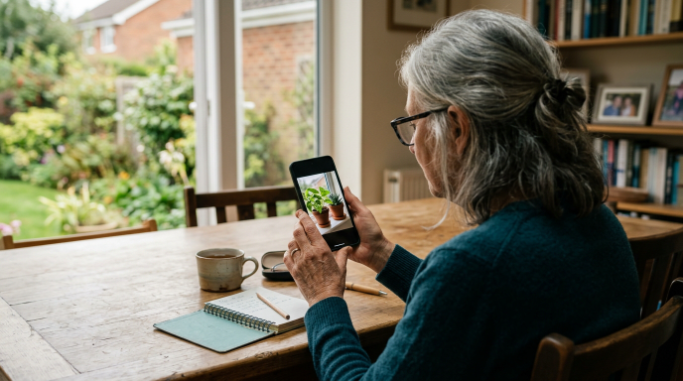
Choose based on your real life rather than an impressive list of ideas. The best hobby is one you want to repeat and can comfortably access.
Start with the result you want
Ask what feels missing from your week. That question usually narrows the options quickly.
- Want more people? Try a club, class, choir, or volunteer role.
- Want more movement? Try walking, gardening, swimming, or dancing.
- Want more creativity? Try photography, painting, music, or crafts.
- Want more mental challenge? Try chess, genealogy, languages, or classes.
- Want more calm? Try reading, birdwatching, journaling, or puzzles.
Test before spending much money
I’ve found that hobbies become easier to judge once the novelty wears off. The first session tells you less than the third.
- Choose one activity that sounds interesting.
- Make the first attempt cheap and simple.
- Try it two or three times.
- Notice your comfort, energy, and enjoyment.
- Invest more only if you want to continue.
You don’t need professional equipment to discover whether you like photography. A phone camera is enough for the experiment.
Remove practical barriers
A hobby may be appealing but inconvenient. Transportation, cost, vision, hearing, hand strength, weather, or mobility can make a good idea hard to maintain.
Change the setup before assuming the hobby isn’t for you. A home-based version, adapted tool, online group, or shorter session may solve the problem.
Don’t turn enjoyment into another obligation
A hobby should add something to your life. If keeping up with it creates stress, simplify it or stop.
You are allowed to lose interest. Trying a hobby for three months and moving on isn’t failure.
Section Takeaway: Start with curiosity, keep the commitment small, and pay attention to how the hobby makes your week feel. Repeatability matters more than ambition.
Frequently Asked Questions
Can hobbies make seniors happier?
They can contribute to happiness by creating enjoyment, purpose, progress, and social connection. The effect will vary by person. A hobby is most useful when someone genuinely enjoys it instead of participating only because they think older adults are supposed to stay busy.
What hobbies are good for seniors who live alone?
Reading, gardening, photography, crafts, cooking, genealogy, puzzles, and music can work well at home. Adding a book club, walking group, community class, online hobby group, or volunteer role can also create regular social contact.
What are good hobbies for seniors with limited mobility?
Options include audiobooks, painting, card games, photography, genealogy, writing, music, container gardening, puzzles, crafts, and online learning. Adapt the workspace for comfort, and choose tools that suit current vision, dexterity, and reach.
Can learning a new hobby help an older person’s brain?
Learning a new skill can provide mental stimulation involving attention, memory, coordination, or problem-solving. Older adults remain capable of learning new skills. However, no hobby can guarantee prevention of dementia or replace medical evaluation for cognitive concerns.
How many hobbies should a senior have?
There is no ideal number. One satisfying hobby may be enough, while another person may enjoy several. A practical approach is to start with one or two activities and add more only when the extra variety feels enjoyable rather than tiring.
Are social hobbies better than solo hobbies?
Not necessarily. Social hobbies can support connection, while solo hobbies can provide calm, creativity, independence, and focus. A mixture often works well, but personality matters. Someone who values quiet time shouldn’t feel pressured into constant group activities.
How long should a senior spend on a hobby each day?
There is no required daily amount. Start with a comfortable session, perhaps 10 to 30 minutes for a new activity, and adjust from there. Physical hobbies should match the person’s abilities, health, and professional medical advice when needed.
Final Takeaway: Choose Hobbies That Make Life Feel Richer
So, can hobbies improve quality of life for seniors? Yes, they can be a practical way to add purpose, enjoyment, movement, learning, and meaningful connection to ordinary days.
The biggest benefit doesn’t come from collecting hobbies. It comes from finding activities that fit who you are now.
- Restart an interest you once loved.
- Try one new skill.
- Invite someone to join you.
- Choose an activity that gets you moving safely.
- Keep the hobby that makes you want to come back.
You don’t need to reinvent retirement in one weekend. Start with one small activity that makes next week a little more interesting.
