
ECG Monitor vs Pulse Oximeter for Older Adults


Weekly Pill Organizer

Toilet Seat Bidet Attachment
Electric Mobility Scooter
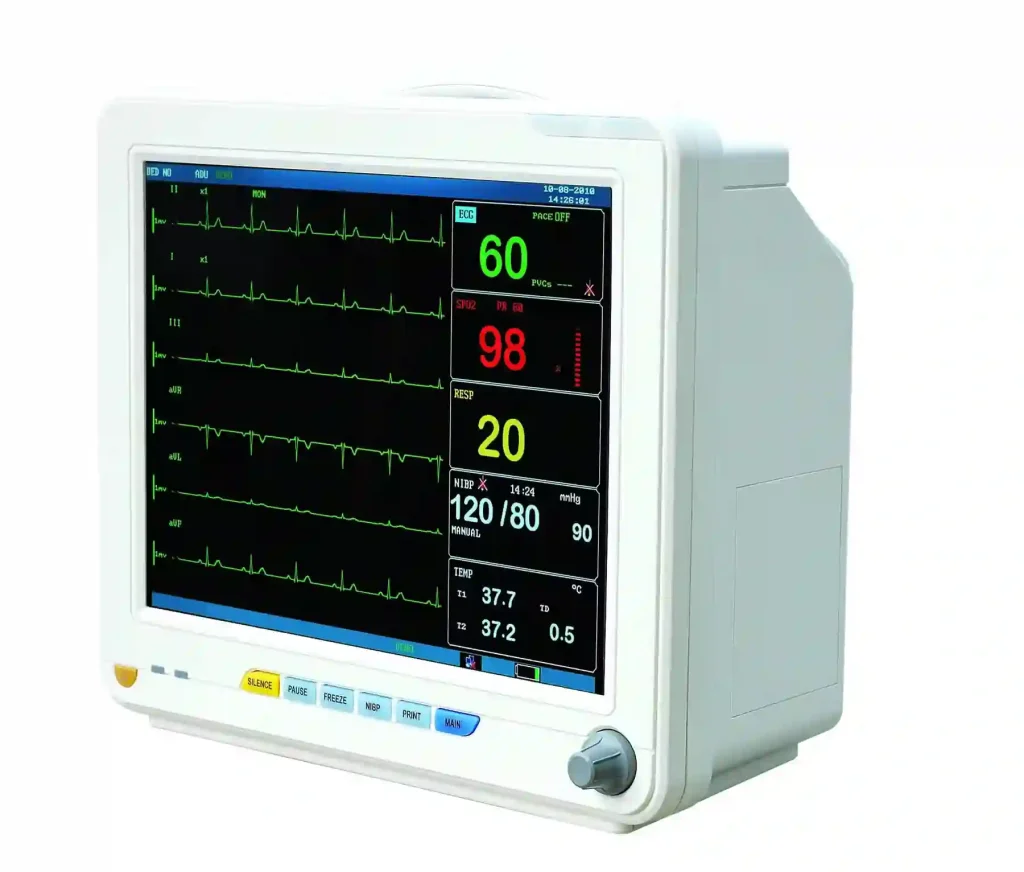
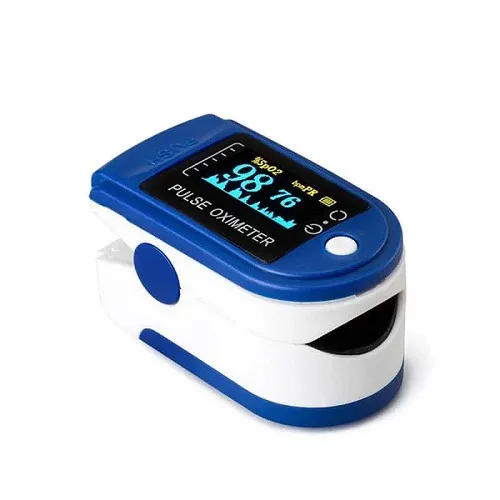
ECG Monitor vs Pulse Oximeter is not a simple fight between two similar devices. Each one checks a different part of health. An ECG monitor records the heart’s electrical activity. A pulse oximeter checks blood oxygen and pulse rate.
For an older adult, the right choice depends on what needs to be checked. An ECG monitor makes more sense when heart rhythm is the main concern. A pulse oximeter makes more sense when oxygen level and pulse are the main concern. Neither device gives a full picture of health on its own.
Quick Comparison
There is no single winner here. The two devices have different jobs.
Choose an ECG monitor for heart rhythm data. Choose a pulse oximeter for quick oxygen and pulse checks. Some homes may have a reason to use both.
ECG Monitor vs Pulse Oximeter At a Glance
The main difference is what each device can measure. That also changes how it is used at home.
| Feature | ECG Monitor | Pulse Oximeter |
|---|---|---|
| Main job | Checks heart electrical activity | Checks oxygen and pulse |
| Main data | Heart rate and rhythm | SpO2 and pulse rate |
| Common use | Rhythm checks | Quick spot checks |
| Sensor type | Depends on the model | Usually a finger clip |
| Best for | Heart rhythm needs | Oxygen checks |
| Ease of setup | Can take more care | Usually very simple |
ECG Monitor Review for Senior Home Use
An ECG monitor is made to record the heart’s electrical signals. ECG tests can show heart rate and whether the rhythm is steady or irregular. Portable ECG devices can use different sensor types, so setup can vary.
Ease of Use
An ECG monitor may need more steps than a pulse oximeter.
The user may need to place sensors in the right spot. The user may also need to sit still during the test. A clear screen and simple controls can make the process much easier.
A model with easy-to-read results can also help caregivers. Some devices may let users save or share readings. That can be useful when a health care professional has asked for home rhythm checks.
Key Strengths
- Gives heart rhythm data.
- Records heart electrical activity.
- Can be useful for short rhythm checks.
- Some portable models can be used outside a clinic.
Potential Drawbacks
- Setup may take more practice.
- The user may need to stay still.
- Results can be harder to read than simple pulse numbers.
- A home ECG result is not the same as a full medical diagnosis.
Pulse Oximeter Review for Senior Home Use
A pulse oximeter has a much simpler job. It is often placed on a fingertip. Light is used to estimate oxygen saturation and pulse rate. The oxygen reading is often shown as SpO2.
Ease of Use
For basic use, a pulse oximeter is often easy.
The user places it on a finger and waits for the reading. That can be useful for quick checks at home.
A large screen can help users who find small numbers hard to see. A simple design can also help users who do not want a device with many settings.
Key Strengths
- Gives oxygen and pulse readings.
- Small and easy to store.
- Quick to use.
- Often needs very few steps.
- Easy to carry when needed.
Potential Drawbacks
- Does not record heart electrical activity.
- Readings can be affected by poor blood flow and other factors.
- Results can be less reliable in some situations.
- It should not be used alone to judge a serious health problem.
Which Is Easier for Seniors to Use?
For a quick home check, a pulse oximeter will often be easier. The basic task is simple. Place it on the finger and read the numbers.
An ECG monitor may need more care. Sensor placement can matter. The user may also need to sit still for the recording.
That does not mean every senior will prefer the pulse oximeter. A person who needs rhythm data may find the extra steps worth it.
| Usability Area | ECG Monitor | Pulse Oximeter |
|---|---|---|
| Setup | Moderate | Simple |
| Sensor use | May need care | Usually easy |
| Reading | May be more complex | Simple numbers |
| Quick check | Less suited | Very suited |
| Portability | Depends on model | Usually excellent |
Performance Comparison
These devices should not be tested by the same measure.
An ECG monitor is built to record electrical heart activity. A pulse oximeter is built to estimate oxygen level and pulse.
For heart rhythm, the ECG has the useful data. For oxygen checks, the pulse oximeter has the useful data.
| Performance Area | ECG Monitor | Pulse Oximeter |
|---|---|---|
| Heart rhythm | Direct ECG data | No ECG data |
| Pulse rate | Yes | Yes |
| Oxygen level | No | Yes |
| Rhythm detail | High | Low |
| Quick oxygen check | No | Yes |
Comfort, Accessibility, and Senior-Friendly Design
Comfort is not only about size. It is also about how easy the device is to hold, place, read, and use.
A pulse oximeter is small and needs little setup. An ECG monitor may take more time, but it can give data that a pulse oximeter cannot.
Look for:
- Clear numbers
- Simple buttons
- Easy sensor placement
- Easy-to-follow steps
- A screen that is easy to read
- Simple cleaning and storage
The easiest device is not always the best fit. The right device is the one that checks the thing you need to check.
Features Comparison
More features do not always mean more value.
The useful features are the ones that match the reason for monitoring. A simple device may be a better fit than a complex one.
| Feature | ECG Monitor | Pulse Oximeter |
|---|---|---|
| ECG waveform | Yes, on many models | No |
| Heart rhythm data | Yes | No |
| SpO2 | No | Yes |
| Pulse rate | Usually | Yes |
| Data storage | Model dependent | Model dependent |
| App support | Some models | Some models |
Price, Maintenance, and Long-Term Value
Price can vary a lot between models. ECG devices can range from simple monitors to models with more data tools. Pulse oximeters are often simpler.
The lower price is not always the better value. The right value comes from getting the data you need without paying for features you will not use.
| Cost Factor | ECG Monitor | Pulse Oximeter |
|---|---|---|
| Upfront cost | Wide range | Often lower |
| Batteries | Depends on model | Common |
| Extra parts | Model dependent | Usually few |
| Maintenance | Model dependent | Usually low |
| Best value | Rhythm needs | Oxygen needs |
Check the battery type, cleaning steps, warranty, and any app fees before buying.
Who Should Choose an ECG Monitor?
- Choose an ECG monitor when heart rhythm is the main concern.
- Choose it when a health care professional has asked for ECG data.
- Consider it when rhythm changes need to be recorded.
- Look for simple controls if the user will operate it alone.
Who Should Choose a Pulse Oximeter?
- Choose a pulse oximeter when oxygen level is the main need.
- Choose it when quick spot checks matter most.
- Look for a clear screen if the user has trouble reading small numbers.
- Consider it when simple home use is more important than rhythm data.
ECG Monitor vs Pulse Oximeter — Final Verdict
These devices are not true substitutes.
Best for heart rhythm: ECG monitor
Best for oxygen checks: Pulse oximeter
Best for quick spot checks: Pulse oximeter
Best for rhythm data: ECG monitor
Best value: Depends on the user’s need
An ECG monitor wins when the question is about heart rhythm. A pulse oximeter wins when the question is about oxygen and pulse.
Scoring Summary
A 1–10 score would be misleading here. The devices do different jobs. A higher score for one would not mean it is better for the other use.
A purpose-based view is more useful.
| Need | Better Match | Main Reason |
|---|---|---|
| Heart rhythm | ECG monitor | Records heart electrical activity |
| Oxygen level | Pulse oximeter | Estimates oxygen saturation |
| Fast spot check | Pulse oximeter | Simple finger use |
| Rhythm-focused use | ECG monitor | Gives ECG data |
How We Evaluate Products
We focus on simple home use.
We look at ease of use, display clarity, comfort, safety, maintenance, value, and long-term use. We also look at what the device can measure and what it cannot measure.
We do not treat a home reading as a diagnosis.
Senior-Specific Buying Considerations
Physical Effort
The device should not need hard squeezing or awkward hand movement.
Controls
Large and clear controls may help users who dislike small buttons or complex menus.
Display
A clear display matters. Large numbers can make home checks easier.
Setup
Fewer steps can help. Still, correct use matters more than speed.
Maintenance
Check how the device should be cleaned, stored, and charged. Follow the maker’s instructions.
Safety
A reading is only one part of the picture. Do not depend on a pulse oximeter alone when symptoms are serious or getting worse. The FDA advises users to consider symptoms as well as the reading.
Common Buying Mistakes
- Buying an ECG monitor when oxygen checks are the real need.
- Buying a pulse oximeter when rhythm data is needed.
- Paying for features that will not be used.
- Ignoring screen size and button layout.
- Treating one reading as a full picture of health.
- Skipping the user guide.
Safety
Both devices are used for monitoring. They do not treat a health problem.
Pulse oximeters have known limits. Poor circulation, cold skin, nail polish, and other factors can affect a reading. The FDA has also raised concerns about accuracy in some groups and issued draft guidance in 2025 for medical-use pulse oximeters.
An ECG is also only a view of heart activity during the recording. Some rhythm problems come and go. A health care professional may suggest longer monitoring when needed.
Conclusion
ECG Monitor vs Pulse Oximeter comes down to the question you need answered.
Choose an ECG monitor when heart rhythm and electrical activity matter most. Choose a pulse oximeter when oxygen and pulse checks matter most.
For seniors and caregivers, the best choice is the device that fits the real monitoring need, is easy to use, and is used as directed.