
Automatic Pill Dispenser vs Pill Organizer for Seniors


Indoor Security Camera

Electric Kettle with Auto Shutoff

Folding Walking Cane
An Automatic Pill Dispenser vs Pill Organizer comparison comes down to how much help is needed with a daily medicine routine. A pill organizer keeps doses sorted. An automatic dispenser can add timed release, reminders, and extra control.
For a senior with a simple routine, a pill organizer may be all that is needed. A senior with many doses, missed-dose concerns, or caregiver support needs may get more value from an automatic dispenser. The right choice depends on the routine, not just the number of features.

Quick Comparison
A pill organizer is simple, low cost, and easy to understand. It works well when the user can manage the medicine schedule without much help.
An automatic pill dispenser is more complex but can do more. It may release a set dose at a set time and alert the user when it is due. Some systems also support caregiver alerts.
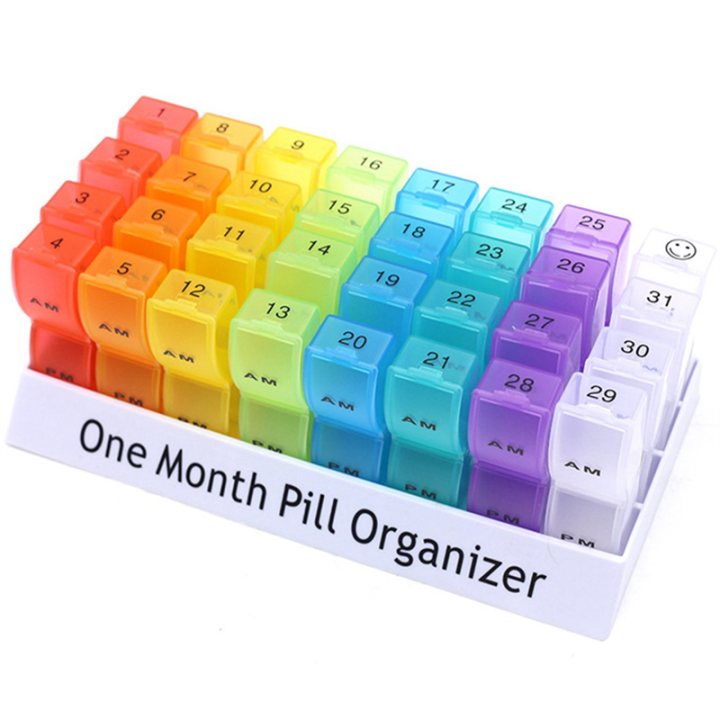
Automatic Pill Dispenser vs Pill Organizer At a Glance
The biggest difference is active medication support versus simple organization.
| Feature | Automatic Pill Dispenser | Pill Organizer |
|---|---|---|
| Ease of setup | Moderate | Easy |
| Dose control | Stronger on many models | Basic |
| Reminder support | Often built in | Usually none |
| Caregiver support | May be available | Limited |
| Cost | Usually higher | Usually lower |
| Daily effort | Lower after setup | Requires self-management |
Automatic Pill Dispenser Review for Seniors
An automatic pill dispenser is designed to make dose timing easier. It can be useful when a medicine routine has several steps or set times.
Ease of Use
The main benefit is automation. A dispenser can be set to release the right dose at a scheduled time. Some models also use alarms, lights, sounds, or connected alerts.
The trade-off is setup. The device may need loading, programming, cleaning, and power. A senior who dislikes screens or settings may need help at first.
Key Strengths
- Can support set dose times
- May reduce the need to remember each dose
- Can be helpful for complex routines
- Some models offer caregiver alerts
- Can add more control than an open pill box
Potential Drawbacks
- Higher purchase cost
- More setup than a basic pill box
- Some models depend on power or batteries
- Electronic features can fail
- Cleaning and loading may take more effort
An automatic device should also be viewed as a support tool, not a guarantee of correct medicine use. Electronic medication systems can malfunction, lose data, or create a false sense of security.
Pill Organizer Review for Older Adults
A pill organizer takes a much simpler approach. It sorts medicine by day, time, or dose so the user can see what is ready.
Ease of Use
The layout is usually easy to understand. There is no app, programming, or power supply. This can make a basic organizer a good fit for seniors who want fewer steps.
The main limit is that the organizer does not manage the schedule for the user. The person still needs to remember when to open the compartment and take the medicine.
Key Strengths
- Simple design
- Low setup effort
- Usually low cost
- Easy to carry
- No charging in most models
- Easy to see whether a dose remains
Potential Drawbacks
- No automatic dose release
- Usually no built-in alarm
- Less support for caregivers
- Pills can be mixed up if compartments are not clear
- May not suit a very complex medicine routine
The FDA and National Institute on Aging both note that pill boxes, calendars, charts, and reminders can help people manage medication schedules.
Which Is Easier for Seniors to Use?
Ease depends on the user. A pill organizer has fewer parts, but it asks the user to stay on schedule. An automatic dispenser asks for more setup but can do more work later.
For a senior with good memory and a stable routine, the simple design of a pill organizer may be easier.
For someone who often forgets dose times, an automatic dispenser may reduce the number of daily steps.
| Senior Need | Automatic Pill Dispenser | Pill Organizer |
|---|---|---|
| Wants the simplest device | Moderate fit | Strong fit |
| Needs timed reminders | Strong fit | Limited fit |
| Has a simple routine | Good fit | Strong fit |
| Needs caregiver support | Often stronger | Limited |
| Dislikes technology | May be harder | Usually easier |
Performance Comparison
For these products, performance is less about speed or power. It is about how well each tool supports a correct daily routine.
An automatic dispenser performs its main job by controlling access to scheduled doses. Some models can also send reminders or caregiver notifications.
A pill organizer performs its job by keeping doses separated and visible. It does not usually decide when medicine should be taken.
So the performance gap comes down to automation. A dispenser does more of the routine. An organizer gives the user more control.
Comfort, Accessibility, and Senior-Friendly Design
The best choice is often the one that creates the least daily friction.
A pill organizer is usually easier to move, store, and inspect. Large labels and wide compartments can also help users who have trouble with small parts.
An automatic dispenser may be more helpful when repeated dose timing is the main problem. But a senior may need help loading or programming the device.
The simpler device is not always the simpler solution. The better fit is the one that matches the user’s daily routine.
Features Comparison
The useful features are not the same on every model, so check the exact product before buying.
| Feature | Automatic Pill Dispenser | Pill Organizer |
|---|---|---|
| Timed release | Often available | No |
| Alarm or reminder | Often available | Usually no |
| Dose visibility | Good | Excellent |
| App or alerts | Some models | Rare |
| Power needed | Often | Usually no |
| Caregiver tools | Some models | Very limited |
Price, Maintenance, and Long-Term Value
A pill organizer usually costs less because it uses a simple mechanical design. It also tends to have very few parts that can fail.
Automatic dispensers cost more because they add electronics and control features. Some may also have optional service or connectivity costs, depending on the model.
| Cost Factor | Automatic Pill Dispenser | Pill Organizer |
|---|---|---|
| Upfront cost | Higher in many cases | Lower |
| Ongoing costs | Possible on connected systems | Usually low |
| Maintenance | More involved | Simple |
| Replacement parts | Model dependent | Usually minimal |
| Long-term simplicity | Moderate | Strong |
The better value is not always the cheaper item. If automation prevents missed reminders and makes a difficult routine easier to manage, the extra cost may be useful.
Who Should Choose an Automatic Pill Dispenser?
Choose an automatic pill dispenser when:
- Dose timing is easy to forget
- Several daily doses make the routine harder
- Reminders would be useful
- A caregiver needs extra visibility
- Limiting access to the scheduled dose is important
- The user can handle setup with help when needed
Some older adults may benefit from an automatic dispenser or reminder system when living alone makes medication timing harder.
Who Should Choose a Pill Organizer?
Choose a pill organizer when:
- The medicine routine is simple
- The user remembers dose times
- Low cost matters
- The user wants a device with no electronics
- Portability is important
- The user prefers a visual reminder
A weekly organizer can be a practical way to see whether a dose is still in place. But it does not replace the need to follow the prescribed schedule.
Automatic Pill Dispenser vs Pill Organizer — Final Verdict
There is no useful one-size-fits-all winner here.
A pill organizer is the better fit for seniors who want simple storage, low cost, and easy visual tracking. An automatic pill dispenser is the better fit for seniors who need more help with dose timing, reminders, or caregiver oversight.
The biggest difference is simple: the organizer helps you sort and see your medicine, while the dispenser can help manage the timing and release of doses.
Scoring Summary
Because these are two different product types, a forced 10-point score would hide the real trade-offs. A fit-based comparison is more useful.
| Category | Automatic Pill Dispenser | Pill Organizer |
|---|---|---|
| Ease of basic setup | Good | Excellent |
| Reminder support | Excellent | Limited |
| Simple daily use | Good | Excellent |
| Complex schedules | Strong | Moderate |
| Caregiver support | Strong on supported models | Limited |
| Low-cost ownership | Limited | Strong |
How We Evaluate Products
This comparison focuses on practical factors that matter to older adults and caregivers.
We look at ease of use, accessibility, setup, reminders, maintenance, daily handling, safety, and long-term value. We do not assume every senior has the same needs.
We also avoid treating marketing claims as proof of performance. Product features can vary by model.
Senior-Specific Buying Considerations
The daily routine matters more than a long feature list.
Physical Effort
Check how easy it is to open compartments, load doses, and move the device. Small parts may be harder for some users to handle.
Controls
Look for clear buttons, readable labels, and simple settings. A complicated screen can remove some of the benefit of automation.
Maintenance
Check how often the device needs cleaning or refilling. Electronic systems may need extra care.
Storage
Make sure the device has a stable place in the home. It should be easy to reach but kept where children cannot access medication.
Setup
Ask whether a family member or caregiver needs to program or refill it. This matters more with automatic systems.
Safety
Medication should be taken only as directed. Do not change, crush, split, or combine medicines unless a healthcare professional says it is safe. Medicines should also be stored as directed and kept away from children.
Common Buying Mistakes
Avoid these common mistakes when choosing between the two:
- Choosing an automatic device when simple sorting is enough
- Choosing a basic organizer when reminders are the main problem
- Ignoring setup and refill effort
- Focusing only on upfront price
- Buying advanced features that will not be used
- Forgetting to check the exact dose and compartment layout
Frequently Asked Questions
Is an automatic pill dispenser better than a pill organizer?
It depends on the routine. An automatic dispenser offers more support, while a pill organizer is simpler and often easier to manage.
Can a pill organizer replace an automatic dispenser?
For some seniors, yes. A simple and stable medication routine may not need automation.
Are automatic pill dispensers safer?
They can add reminders and dose control, but no device removes all medication risks. Correct setup and proper medicine use still matter.
Which is better for a senior who forgets doses?
An automatic dispenser may be more suitable when forgetting dose times is the main issue, especially when reminder features are useful.
Which is easier for caregivers?
An automatic dispenser may offer more caregiver support on models with alerts or connected features. A basic pill organizer gives less information from a distance.
Should a doctor or pharmacist be involved?
When the medicine routine is complex or there is uncertainty about how a medicine should be taken, it is sensible to ask a doctor or pharmacist for guidance.
Conclusion
The choice between an automatic pill dispenser and a pill organizer depends on how much support the daily medicine routine needs. A pill organizer keeps things simple. An automatic dispenser adds more control and reminders.
For a senior with a straightforward routine, the organizer may be enough. For a senior who needs stronger reminders or caregiver support, an automatic dispenser may be worth the added setup and cost.
