
Portable Oxygen Concentrator vs Oxygen Tank for Seniors


Lightweight Vacuum Cleaner

Shower Chair for Elderly

Adaptive Eating Utensils
Portable Oxygen Concentrator vs Oxygen Tank is a common choice for seniors who use prescribed supplemental oxygen. The two systems work in very different ways. A portable oxygen concentrator makes oxygen from room air, while an oxygen tank stores a limited supply of compressed oxygen.
The better choice depends on the oxygen prescription, daily routine, mobility, and home setup. A portable concentrator may be easier for an active senior. A tank may work well for someone who wants a simple oxygen source or a backup supply.
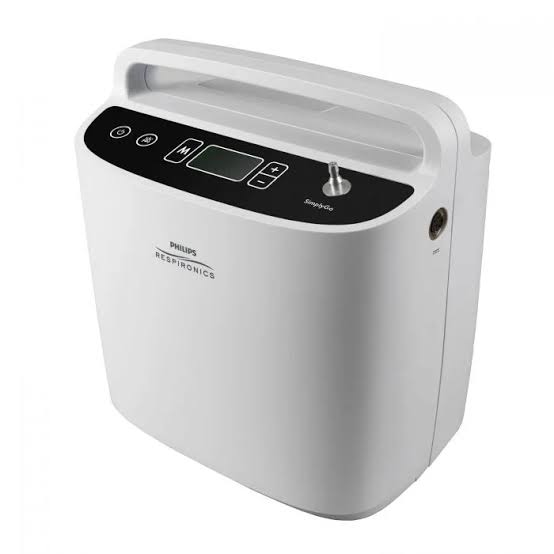
Quick Comparison
For seniors who move around often, a portable oxygen concentrator may offer more freedom because it can run from a battery or power outlet. Many portable concentrators use pulse-dose oxygen, while some also provide continuous flow.
An oxygen tank stores oxygen that is ready to use. It does not make oxygen, so the supply eventually runs out and the tank must be replaced or refilled. The right system must match the prescribed oxygen flow and delivery method.
The most important question is not simply which device is easier to carry. It is whether the device can meet the user’s prescribed oxygen needs.
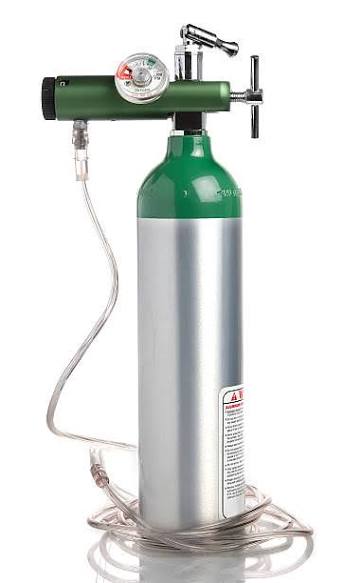
Portable Oxygen Concentrator vs Oxygen Tank At a Glance
Both can support prescribed oxygen therapy, but daily use feels quite different.
| Feature | Portable Oxygen Concentrator | Oxygen Tank |
|---|---|---|
| Oxygen source | Makes oxygen from room air | Stores compressed oxygen |
| Power | Battery or wall power | No electrical power needed to deliver oxygen |
| Portability | Designed for movement | Depends on tank size and carrier |
| Supply | Needs power to operate | Limited by tank contents |
| Refilling | No oxygen refill, but battery must be charged | Requires refill or tank replacement |
| Backup need | Power backup may be important | Extra tanks may be needed |
| Flow options | Vary by model | Set by regulator and prescription |
| Best fit | Seniors who value mobility | Seniors who want stored oxygen or backup |
Portable Oxygen Concentrator Review for Seniors
A portable oxygen concentrator can be appealing when daily movement is a priority. It draws in room air and separates oxygen from other gases. Portable models can use batteries, wall power, or both.
Ease of Use
There is no oxygen tank to replace. That can make daily planning easier. The main tasks are charging the battery, connecting the tubing, and using the prescribed setting.
Controls vary by model. Some have small buttons or displays, so seniors with poor vision or limited dexterity should check the control layout before buying.
A major detail is oxygen delivery. Many portable concentrators use pulse-dose delivery. Some provide continuous oxygen. The device must match the prescription.
Key Strengths
- No oxygen cylinder refill is needed.
- Battery power can support travel and movement.
- Often easier to carry than larger oxygen systems.
- Produces oxygen while connected to power.
- Can reduce the need to manage stored oxygen supplies.
Potential Drawbacks
- It needs power to operate.
- Battery life varies by model and settings.
- Some models do not provide continuous flow.
- Alarms, buttons, and settings may take time to learn.
- A backup power plan may be important.
Oxygen Tank Review for Senior Use and Care
An oxygen tank stores compressed oxygen instead of making oxygen. Tanks come in different sizes, and smaller tanks hold less oxygen. A regulator controls the flow prescribed by the healthcare provider.
Ease of Use
The basic idea is simple. The tank contains oxygen, the regulator controls flow, and the tubing carries oxygen to the user.
The trade-off is supply management. Once the oxygen is used, the tank needs to be replaced or refilled. A larger tank may last longer but can also be harder to move.
Some seniors may find the lack of electrical charging convenient. Others may find the tank, regulator, and carrying equipment harder to handle.
Key Strengths
- Does not need electricity to deliver stored oxygen.
- Simple basic operating concept.
- Available in different tank sizes.
- Useful as a backup when power is unavailable.
- Can provide oxygen away from home when properly arranged.
Potential Drawbacks
- Oxygen supply is limited.
- Tanks must be replaced or refilled.
- Larger tanks can be harder to carry.
- Storage and transport need planning.
- The tank and tubing can add clutter around the home.
Which Is Easier for Seniors to Use?
Ease of use depends on the person’s routine, strength, dexterity, and oxygen prescription.
A portable concentrator may be easier for a senior who does not want to track tank refills. It may also suit someone who moves between rooms or goes out often.
A tank may be easier for someone who prefers a simple stored oxygen system and does not want to manage battery charging.
| Senior Need | Portable Concentrator | Oxygen Tank |
|---|---|---|
| Avoid refilling oxygen | Better fit | Requires refills or replacement |
| Avoid battery charging | Not ideal | Better fit |
| Move around often | Often more convenient | Depends on tank and carrier |
| Simple stored supply | No | Yes |
| Backup during power loss | Needs planning | Useful option |
| Limited lifting strength | Model dependent | Larger tanks may be harder |
| Frequent travel | Often convenient | Requires oxygen supply planning |
Performance Comparison
The main performance issue is not just output. The system must provide the oxygen delivery method prescribed for the user.
Portable concentrators can deliver oxygen continuously or in pulse-dose bursts, depending on the model. A pulse-dose system gives oxygen when it detects an inhalation. An oxygen tank can be set to the prescribed flow through its regulator.
For seniors who need continuous flow, this difference is especially important. A small portable concentrator should not be treated as a direct replacement for every oxygen setup.
| Performance Area | Portable Oxygen Concentrator | Oxygen Tank |
|---|---|---|
| Oxygen generation | Produces oxygen while running | Uses stored oxygen |
| Continuous flow | Model dependent | Available when prescribed |
| Pulse dose | Common on portable models | Not the same delivery method |
| Power dependency | Yes | No for oxygen delivery |
| Supply duration | Linked to power | Linked to tank size and flow |
Comfort, Accessibility, and Senior-Friendly Design
The easiest system is often the one that fits the user’s daily routine with the least physical effort.
A concentrator may remove the need to lift or replace oxygen cylinders. But the device can still be awkward if the model is heavy or its controls are hard to read.
A tank can be straightforward to operate, but carrying equipment, tubing, and storage may add physical work.
For either system, check whether the user can safely connect the tubing, read the controls, move the equipment, and keep the pathway clear.
Features Comparison
Features matter only when they solve a real problem for the user.
| Feature | Portable Oxygen Concentrator | Oxygen Tank |
|---|---|---|
| Battery | Often available | Not needed |
| Power source | Battery or outlet | Stored oxygen |
| Oxygen supply indicator | Usually electronic or device-based | Regulator or gauge |
| Portability | Built for movement | Depends on tank size |
| Refilling | Not for oxygen itself | Required |
| Backup planning | Battery or other oxygen backup | Extra tank supply |
Price, Maintenance, and Long-Term Value
The purchase price alone does not tell the full story. A concentrator may involve battery replacement, accessories, servicing, and power use. A tank system may involve delivery, refills, regulators, carriers, and storage.
Insurance can also change the real cost. In the United States, Medicare Part B covers medically necessary oxygen equipment for eligible patients and can cover both oxygen systems and oxygen contents. Medicare’s rules also address portable oxygen equipment and supplier responsibilities.
| Cost Factor | Portable Oxygen Concentrator | Oxygen Tank |
|---|---|---|
| Main supply cost | Device and power needs | Oxygen contents |
| Refills | No oxygen refill | Yes |
| Battery | May need replacement | Not needed |
| Accessories | Tubing, batteries, chargers | Tubing, regulator, carrier |
| Maintenance | Device servicing may be needed | Tank and regulator care |
| Long-term value | Strong for frequent mobility | Useful for stored supply and backup |
Who Should Choose a Portable Oxygen Concentrator?
Choose a portable concentrator when:
- The senior wants to stay active outside the home.
- Avoiding tank refills is important.
- Battery charging fits the daily routine.
- The prescribed oxygen needs match the device.
- A lighter, self-contained system is preferred.
- The user can manage the controls and charging routine.
A healthcare professional should confirm that the selected model and delivery mode meet the oxygen prescription. The American Lung Association also advises checking that a portable concentrator is approved for medical use and can meet the user’s prescribed oxygen needs.
Who Should Choose an Oxygen Tank?
An oxygen tank may make sense when:
- Stored oxygen is preferred.
- Electricity may be unreliable.
- A dependable backup source is important.
- The oxygen supplier can provide refills as needed.
- The tank size and carrying method fit the user’s abilities.
- The prescribed delivery method works well with a tank system.
A tank can also serve as a backup for a concentrator-based setup. The American Lung Association notes that people using home concentrators may also receive a larger backup metal tank for situations such as power outages.
Portable Oxygen Concentrator vs Oxygen Tank — Final Verdict
There is no single winner for every senior.
For frequent mobility: A portable oxygen concentrator may be more practical.
For stored oxygen and simple backup: An oxygen tank may be a better fit.
For seniors who dislike refills: A concentrator may be easier.
For seniors who want oxygen without depending on electricity: A tank has an advantage.
The most important factor is the prescribed oxygen delivery. A device that is light and easy to carry is not useful if it cannot provide the oxygen method or flow the user needs.
Scoring Summary
A fixed 10-point score would be misleading here because portable concentrators and tanks come in many sizes and configurations. The right choice also depends on the prescribed flow and the user’s mobility needs.
| Category | Portable Oxygen Concentrator | Oxygen Tank |
|---|---|---|
| Mobility | Strong option | Depends on size and carrier |
| Refill convenience | Strong option | Requires planning |
| Power independence | Needs backup planning | Strong option |
| Portability | Usually strong | Varies |
| Simplicity | Model dependent | Basic system is simple |
| Senior fit | Depends on routine and prescription | Depends on handling needs |
How We Evaluate Products
This comparison focuses on practical factors that matter in senior daily life.
We look at ease of use, portability, physical effort, controls, maintenance, supply management, safety, and long-term practicality.
We do not treat marketing claims as proof. We also do not claim hands-on testing of specific devices unless that testing has actually taken place.
Senior-Specific Buying Considerations
Before choosing a system, look at the issues that affect everyday use.
Physical Effort
Consider lifting, carrying, pushing, and moving the equipment. A larger tank may be harder to manage. A concentrator may be easier to move but still have weight and battery limits.
Controls
Check the buttons, screen, alarms, and settings. Large, clear controls may be helpful for some users.
Maintenance
Check what must be cleaned, charged, replaced, or serviced.
Storage
Make sure there is a safe place for the equipment, tubing, chargers, and oxygen supplies.
Setup
The user should be able to connect the system safely or have reliable caregiver support.
Safety
Follow the oxygen prescription and device instructions. Never change the oxygen flow without appropriate medical guidance.
Common Buying Mistakes
- Choosing by weight alone.
- Ignoring the prescribed oxygen delivery method.
- Forgetting to plan for power outages.
- Buying a device without checking battery needs.
- Underestimating tank refill logistics.
- Ignoring tubing and storage space.
- Choosing advanced features that the user does not need.
- Failing to ask about service and replacement support.
Safety
Oxygen requires careful fire safety. Oxygen-rich environments can make fires start and spread more easily. FDA guidance notes fire hazards related to home medical devices and supplemental oxygen.
Keep smoking, vaping, open flames, sparks, and other ignition sources away from oxygen equipment. FDA rules also require warning labels on oxygen containers about smoking and vaping.
Keep equipment clean and dry, protect power cords, and keep pathways clear to reduce trip hazards. The device should also be used exactly as directed by the manufacturer and healthcare team.
Conclusion
Portable Oxygen Concentrator vs Oxygen Tank is really a choice between two different oxygen systems. A portable concentrator can offer more freedom and less refill management, while an oxygen tank provides stored oxygen without depending on electrical power.
For seniors, the best match is the system that fits the prescribed oxygen needs, daily routine, physical abilities, and home setup. Before changing equipment, confirm the oxygen delivery method and required flow with the healthcare professional managing the oxygen therapy.