
Dennis Senior Center and Council on Aging


Weighted Blanket

Big Button Mobile Phone

Lap Desk for Reading
The Dennis Senior Center and Council on Aging serves as the vital heart of senior life on Cape Cod, offering far more than just a gathering place. It is a comprehensive support system dedicated to empowering adults aged 60 and over through social connection, health and wellness programs, nutritional support, and advocacy. This article explores its rich history, diverse services, profound community impact, and how you can become part of this vibrant, essential resource.
Walk into the Dennis Senior Center on a typical morning, and you’re immediately met with a warm hum of conversation, the aroma of fresh coffee, and the sight of friends gathered around tables for a game of cards. Laughter spills from the fitness room where a gentle yoga class is in session. This isn’t just a building; it’s the living room of the community for hundreds of Dennis residents. For many, especially in a town with significant seasonal population shifts, the Dennis Senior Center and Council on Aging is the anchor that prevents isolation and fosters a vibrant, active chapter of life. It represents a profound commitment to honoring and supporting its senior citizens, ensuring they are seen, connected, and cared for.
The story of this center is intrinsically linked to the story of Dennis itself—a town on Cape Cod that balances year-round residents with a strong seasonal tourism economy. As the year-round population aged, the need for a dedicated, structured support system became clear. The establishment of the Council on Aging (COA) was the formal recognition by the town that its seniors required specialized advocacy and resources. This evolved into the comprehensive Senior Center we see today, a place where the social, physical, and practical needs of aging adults are met under one roof. It stands as a testament to what a community can build when it decides that its elders are its greatest treasure.
Key Takeaways
- Holistic Support Hub: The Dennis Senior Center and Council on Aging functions as a one-stop destination for social engagement, health resources, nutritional aid, and advocacy, addressing the multifaceted needs of seniors.
- Community cornerstone: It actively combats isolation by fostering intergenerational friendships and a strong sense of belonging, proving crucial for mental and emotional well-being in a seasonal community.
- Diverse, accessible programming: From fitness classes and lifelong learning to tax assistance and caregiver support, its offerings are designed to be low-cost or free, ensuring accessibility for all income levels.
- Proactive health and wellness: The center partners with local health providers to offer screenings, workshops, and exercise programs, emphasizing preventive care and chronic condition management.
- Vital advocacy and resource navigation: The Council on Aging component helps seniors navigate complex systems like healthcare, housing, and benefits, acting as a powerful voice for the local senior population.
- Volunteer-driven and locally funded: Its success relies heavily on dedicated volunteers and support from the Town of Dennis, local businesses, and community donations, creating a sustainable local model.
- Model for other communities: Its integrated approach serves as an effective blueprint for other towns, much like the renowned Encinitas Community and Senior Center, demonstrating how localized centers can thrive.
📑 Table of Contents
- A Deep-Rooted History and a Clear Mission
- The Spectrum of Services: More Than Just a Social Club
- Building Community and Combating Isolation
- The Council on Aging: Advocacy and Systems Navigation
- Challenges, Innovations, and the Road Ahead
- How to Engage: Membership, Volunteering, and Support
- A Model of Localized, Compassionate Care
A Deep-Rooted History and a Clear Mission
The Dennis Senior Center and Council on Aging wasn’t built overnight. Its origins trace back to the growing awareness in the late 20th century that Cape Cod’s aging population had unique challenges. Geographic isolation, limited public transportation in rural areas, and the pressures of fixed incomes on a tourist-driven cost of living created a complex web of needs. The Town of Dennis formally established its Council on Aging to serve as an advisory and advocacy body. This group of appointed volunteers and staff became the voice for seniors in town government, pushing for policies and programs that would improve quality of life.
From Advisory Board to Community Hub
The Council’s initial work focused on needs assessments and identifying gaps in services. They advocated for accessible transportation, senior property tax relief, and improved healthcare access. The physical Senior Center emerged from this advocacy—a tangible space to house programs. What started as a small office and activity room has expanded, often through grants and community fundraising, into a multifaceted facility. This evolution mirrors a national shift from viewing seniors as a passive recipient of charity to recognizing them as active, valuable community members with rights and potential. The center’s mission crystallizes this: to promote independence, dignity, and quality of life for Dennis seniors through education, advocacy, and direct services. It’s a mission lived out daily, from the director’s office to the volunteer who delivers meals.
The Spectrum of Services: More Than Just a Social Club
While the social calendar is famously rich, labeling the Dennis Senior Center merely a “social club” undersells its incredible depth. It operates as a de facto community services department for the 60+ population. The services are intentionally layered to address both immediate needs and long-term well-being.
Nutritional Security: The Cornerstone of Daily Care
Perhaps the most visible and critical service is the nutrition program. The center serves hot, nutritious lunches weekdays, often featuring locally sourced ingredients when possible. For many seniors, this isn’t just a meal; it’s a social event and a guaranteed source of balanced nutrition. The program extends beyond the center walls through the Meals on Wheels delivery service, ensuring homebound or frail seniors receive daily meals and a vital welfare check. This service directly combats food insecurity and malnutrition, major health risks for older adults living alone. The staff and volunteers who run this program are often the first to notice if a regular patron hasn’t been seen, triggering a wellness check. It’s a seamless integration of nourishment and community care.
Health, Wellness, and Preventive Care
Proactive health management is a pillar. The center hosts regular blood pressure screenings, flu shot clinics, and wellness talks on topics from fall prevention to managing diabetes. Fitness is not an afterthought; it’s a scheduled part of the day with classes tailored for varying abilities—from chair yoga and Tai Chi to low-impact aerobics and water aerobics (often in partnership with the town’s pool). These programs do more than build strength; they build confidence and independence. The center also provides space for visiting nurses, physical therapists, and podiatrists, bringing essential care directly to the community, which is invaluable in a town where medical appointments may require significant travel.
Practical Assistance and Lifelong Learning
The “real world” paperwork of aging is another major focus. Trained volunteers and staff offer free, confidential assistance with tax preparation (especially crucial for seniors on fixed incomes), insurance questions (including navigating Medicare), and applications for state and federal benefits like SNAP (food stamps) or MassHealth. This guidance saves seniors thousands of dollars and reduces immense stress. Complementing this is a robust lifelong learning program: book clubs, film series, lectures on local history and current events, and technology workshops. The tech help is particularly sought after, with patient tutors helping seniors master smartphones, video calling to connect with family, and online safety—bridging the digital divide that can otherwise lead to further isolation.
Building Community and Combating Isolation
Isolation is a silent epidemic among seniors, with impacts on health comparable to smoking. The Dennis Senior Center attacks this head-on by creating countless opportunities for connection. The social calendar is packed: themed holiday parties, birthday celebrations, bus trips to cultural events or shopping destinations, and card and game nights. Special interest clubs—for gardening, woodworking, knitting, or book discussions—allow people to connect over shared passions. These aren’t just activities; they are the threads that weave a strong social fabric.
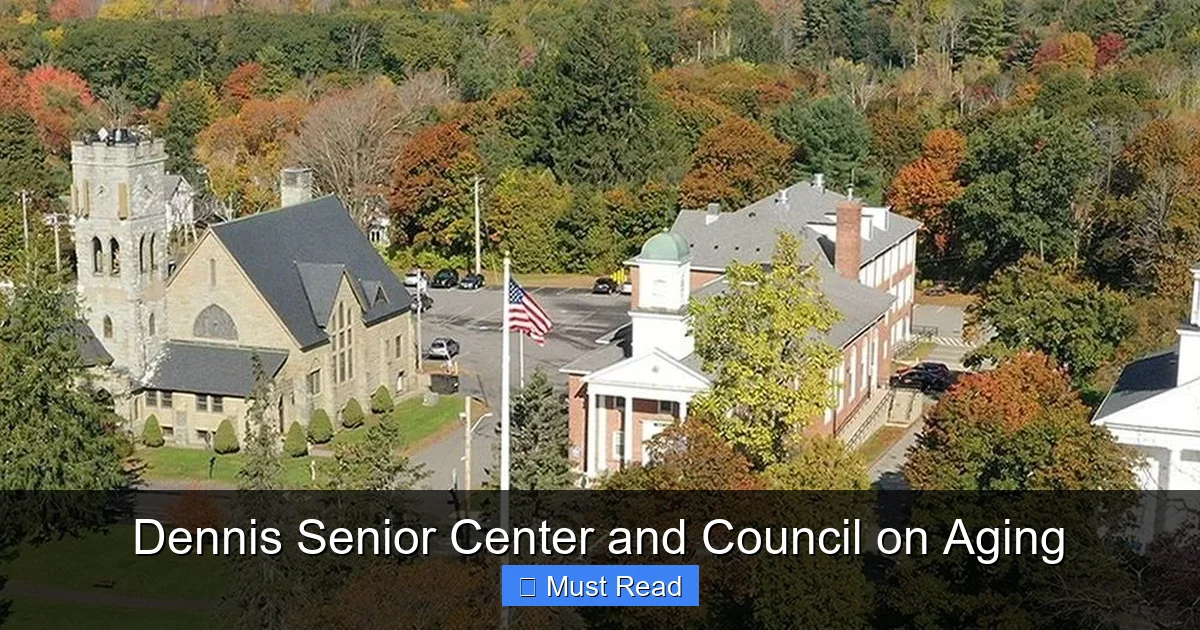
Visual guide about Dennis Senior Center and Council on Aging
Image source: leicesterma.org
Intergenerational Connections
One of the most powerful programs deliberately bridges age gaps. Partnerships with local schools bring students in to share tech skills with seniors or to hear oral histories from lifelong residents. Seniors volunteer as reading buddies or mentors. These interactions are mutually beneficial: young people gain wisdom and perspective, while seniors feel valued and relevant, sharing their life experiences. It reinforces that seniors are not a separate cohort but an integral part of the town’s continuum. This model of intentional intergenerational programming is something other civic centers, like the Falmouth Senior Center on the Cape, have also adopted with great success.
The Importance of “Third Place”
Sociologists call places like this a “third place”—not home (first place) and not work (second place), but a neutral, welcoming grounds for community. For retirees, this becomes critically important. The Dennis Center provides that essential third place where identity can be rediscovered beyond “retiree” or “grandparent.” You can be a bridge player, a watercolorist, a history buff, or a volunteer. This diversification of identity is key to psychological health in later life. The simple act of having somewhere to go, someone who expects you, and a routine provides immense structure and purpose.
The Council on Aging: Advocacy and Systems Navigation
The “Council on Aging” part of the name is not just a title; it’s a specific, mandated role. While the Senior Center manages programs, the COA functions as the official town advisory body on all issues related to aging. This dual structure is powerful. The staff and volunteer board identify trends and problems through their daily interactions at the center—perhaps noticing several seniors struggling with a new utility billing system or a lack of accessible housing.

Visual guide about Dennis Senior Center and Council on Aging
Image source: yt3.googleusercontent.com
Being a Vocal Advocate
Armed with this ground-level intelligence, the COA advocates directly with the Dennis Board of Selectmen, town departments, and state legislators. They might push for improved sidewalk maintenance for walkers, better signage for the senior shuttle, or zoning changes to allow for more age-friendly housing. They prepare an annual “Senior Needs Assessment” that provides hard data to guide town planning. This advocacy ensures that the senior perspective is literally at the table when town decisions are made, from the budget to capital projects. It transforms the center from a service provider into a political force for its constituency.
Navigating Complex Systems
On an individual level, the COA staff are expert navigators. They help seniors and their families understand the bewildering array of services available—from state-funded home care programs to veterans’ benefits. They can explain the difference between Medicare Advantage and Original Medicare with Medicare dental coverage options, or point someone toward resources for home modifications. This navigation service is priceless, saving seniors from making costly mistakes or going without aid they qualify for. It’s a role that requires deep knowledge, compassion, and often, persistence on behalf of the client.
Challenges, Innovations, and the Road Ahead
No organization, especially one serving a vulnerable population, is without challenges. Funding is a perpetual concern. While the town provides core support for the COA director and some facility costs, most programs—meals, transportation subsidies, special activities—rely on grants (like from the Cape Cod Foundation), fundraising events, and private donations. This creates uncertainty and limits expansion. Another challenge is reaching the most isolated: seniors who are homebound, lack transportation, or are distrustful of “institutions.” The pandemic forced a rapid innovation in this area, with the center pioneering phone check-in programs and creating take-home activity kits.
Leveraging Technology for Good
The center has smartly embraced technology not as an end, but as a tool for human connection. They use a simple phone tree system for urgent alerts and weekly activity reminders for those without email. Their website and Facebook page are active hubs for information. During periods of limited in-person access, they offered virtual exercise classes and lectures via Zoom, discovering that some seniors, once shown how, loved the convenience. The key has been to offer tech *options* without making it a barrier to entry. The patient, one-on-one tech tutoring remains one of their most popular services, ensuring no one is left behind in the digital world.
The Housing Imperative
A looming, defining challenge for Dennis and Cape Cod is the severe lack of affordable, accessible housing for seniors. Many long-time residents on fixed incomes find themselves “housing-cost burdened,” with rent or property taxes consuming an unsustainable portion of their income. The Dennis COA is on the front lines of this crisis, helping seniors apply for affordable housing lotteries and advocating fiercely with town officials for “age-friendly” zoning that allows for smaller, single-level homes and accessory dwelling units (ADUs). For seniors considering a move to be closer to family or downsize, understanding options like 55+ communities is part of the guidance they provide. The center itself cannot build housing, but it is a critical educator and advocate in this existential fight for community sustainability.
How to Engage: Membership, Volunteering, and Support
Participation is open to any Dennis resident aged 60 or over. There is no complex membership fee; most programs are free or request a small, voluntary donation to help cover costs (suggested donations for lunches, for example). The philosophy is “no one turned away for inability to pay.” This low-barrier entry is essential for inclusivity. For those from out of town or younger, there are often specific volunteer opportunities or special events open to all, creating broader community buy-in.
Volunteer: The Lifeblood of the Center
Volunteers are the engine of the Dennis Senior Center. They serve as kitchen helpers, drivers for the medical shuttle, greeters, activity leaders, and friendly visitors for the homebound. Volunteering here is a profound way for retirees to continue contributing their skills, and it often becomes a social outlet in itself for the volunteers. The center provides training and a welcoming environment. Many volunteers are former teachers, nurses, chefs, or business professionals who find immense satisfaction in applying their lifetime of experience to help peers. It’s a beautiful circle of community giving.
Donations and Partnerships
Financial support from individuals, local businesses, and foundations is what allows the magic to happen beyond the basic town budget. The center runs targeted fundraising campaigns for the meal program, transportation van maintenance, or special equipment. They also seek in-kind donations—from local bakeries providing desserts for events to garden centers donating plants for a horticultural therapy program. Building partnerships with local healthcare providers, like the dedicated staff at a senior-focused medical center (though in Cincinnati, the model is instructive), can bring specialist care to the site. For the Dennis Center, cultivating relationships with Cape Cod Healthcare and local physician practices is key to its health programming.
A Model of Localized, Compassionate Care
The Dennis Senior Center and Council on Aging exemplifies the power of hyper-local, community-based elder care. It is not a distant government agency but a place with a familiar face at the front desk, a director who knows names, and a board of volunteers who live in the same neighborhoods. This local ownership creates trust and responsiveness. Its integrated model—combining a vibrant senior center with the formal advocacy arm of the COA—is particularly effective. The social programs feed into the advocacy work by revealing needs, and the advocacy work strives to create a town where the center’s mission of independence and dignity is supported by policy.
It stands as a beacon, showing how a town can honor its aging population not as a burden, but as a reservoir of wisdom, experience, and ongoing contribution. The laughter in the card room, the focus in the exercise class, the relief on a senior’s face when they understand their Medicare options—these are the metrics of its success. It is a living argument for investing in community, in place, and in people at every stage of life. For the residents of Dennis, it is simply indispensable.
Frequently Asked Questions
Who can use the Dennis Senior Center?
Any Dennis resident aged 60 or older can participate in the center’s programs and services. Some special events or volunteer opportunities may be open to younger adults or non-residents, but the core offerings are for the 60+ community.
Are the programs and meals really free?
Most programs are free or operate on a suggested donation basis to keep them accessible. The daily lunch program requests a voluntary donation of $4, but no one is denied a meal due to inability to pay. This model ensures all seniors can participate regardless of income.
What if I can’t get to the center? Is there help with transportation?
Yes, the center operates a senior shuttle van for local medical appointments, shopping, and trips to the center itself. They also coordinate with the Cape Cod Regional Transit Authority for more extensive services. For homebound seniors, the Meals on Wheels program includes a daily wellness check from a driver or volunteer.
Can I get help with my taxes or Medicare questions there?
Absolutely. The center provides free, confidential tax preparation assistance during filing season (by appointment) and has trained staff and volunteers who can offer guidance on Medicare, insurance, and other benefit programs year-round.
How can I volunteer or support the center?
You can volunteer in many roles, from kitchen help and driving to leading an activity or being a friendly visitor. Donations are always welcome and are tax-deductible; the center can specify where your gift will have the most impact (meals, transportation, etc.). Contact the center directly for an application or donation information.
What is the difference between the Senior Center and the Council on Aging?
The Senior Center is the physical place and the program provider (meals, classes, trips). The Council on Aging (COA) is the official town-appointed advisory board and staff that advocates for all seniors in Dennis, assesses needs, advises town government, and helps individuals navigate services. They work hand-in-hand from the same building.