
Franciscan Senior Health and Wellness


Tablet for Seniors

Mattress Topper Memory Foam

Rollator Walker with Seat
Franciscan Senior Health and Wellness provides a comprehensive, faith-based approach to aging, focusing on the whole person—body, mind, and spirit. Their model integrates medical care, fitness, nutrition, and social engagement to help seniors maintain independence and vitality. With personalized care plans and a supportive community, they turn the golden years into a period of growth and connection. It’s about thriving, not just surviving, in your later chapters.
Key Takeaways
- Holistic, Person-Centered Care: Franciscan’s core philosophy treats the entire individual—physical health, mental clarity, emotional resilience, and spiritual peace—as interconnected, creating truly personalized wellness plans.
- Integrated Service Spectrum: They offer a seamless continuum from primary medical care and chronic disease management to fitness programs, nutritional counseling, and social activities under one coordinated umbrella.
- Community as a Healing Tool: Strong emphasis on combating isolation through group classes, volunteer opportunities, and shared meals, recognizing that social connection is a critical pillar of health.
- Proactive & Preventive Focus: The model prioritizes preventing health declines through regular screenings, wellness checks, and education, empowering seniors to take charge of their long-term health trajectory.
- Faith-Based Foundation with Inclusive Care: While rooted in Franciscan values of compassion and dignity, their services are welcoming and respectful of all faith backgrounds and beliefs.
- Navigational Support: They assist with the complex healthcare system, including help understanding medical insurance for senior citizens and coordinating between different specialists and services.
- Emphasis on Purpose and Engagement: Programs are designed not just for maintenance but to foster a sense of purpose, continued learning, and active contribution to the community.
📑 Table of Contents
- Welcome to a New Chapter of Vibrant Aging
- More Than a Doctor’s Office: The Integrated Service Spectrum
- The Unseen Prescription: Community and Social Connection
- Navigating the Complexities of Senior Healthcare
- Taking the First Step: How to Get Started
- Conclusion: Health as a Journey, Not a Destination
Welcome to a New Chapter of Vibrant Aging
What if aging wasn’t about winding down, but about wisely winding up? What if your later years could be some of your most active, engaged, and fulfilling? This is the promising vision at the heart of Franciscan Senior Health and Wellness. It represents a powerful shift from the old model of simply treating illnesses in older adults to a proactive, holistic strategy for thriving. For too long, society has framed senior health as a series of deficits to manage. Franciscan flips that script, asking a better question: “How can we best support you in living your best life, right now?”
This approach is deeply personal. It understands that a 70-year-old retiree with a passion for gardening has different wellness goals than a 78-year-old former teacher who wants to tutor local children. Both, however, share a fundamental need for coordinated care that sees them as a whole person. Franciscan senior health and wellness programs are built on this foundational respect for individual story, purpose, and potential. They blend evidence-based medicine with the timeless wisdom that community, purpose, and joy are non-negotiable ingredients for health.
The “Whole Person” Philosophy in Action
Imagine your health as a four-legged stool. If one leg—say, your physical health—is weak, the stool wobbles. Franciscan’s model strengthens all four legs: Physical, Intellectual, Social, and Spiritual. This isn’t just a nice idea; it’s a practical framework. A physical therapy session for arthritis pain (physical) might be paired with a class on using adaptive gardening tools (intellectual) and then followed by coffee with fellow gardeners (social), all grounded in a serene, accessible garden space that promotes reflection (spiritual). This integrated thinking prevents the common siloing where your cardiologist doesn’t know about your depression, or your fitness trainer doesn’t understand your financial stress. Everything is connected.
More Than a Doctor’s Office: The Integrated Service Spectrum
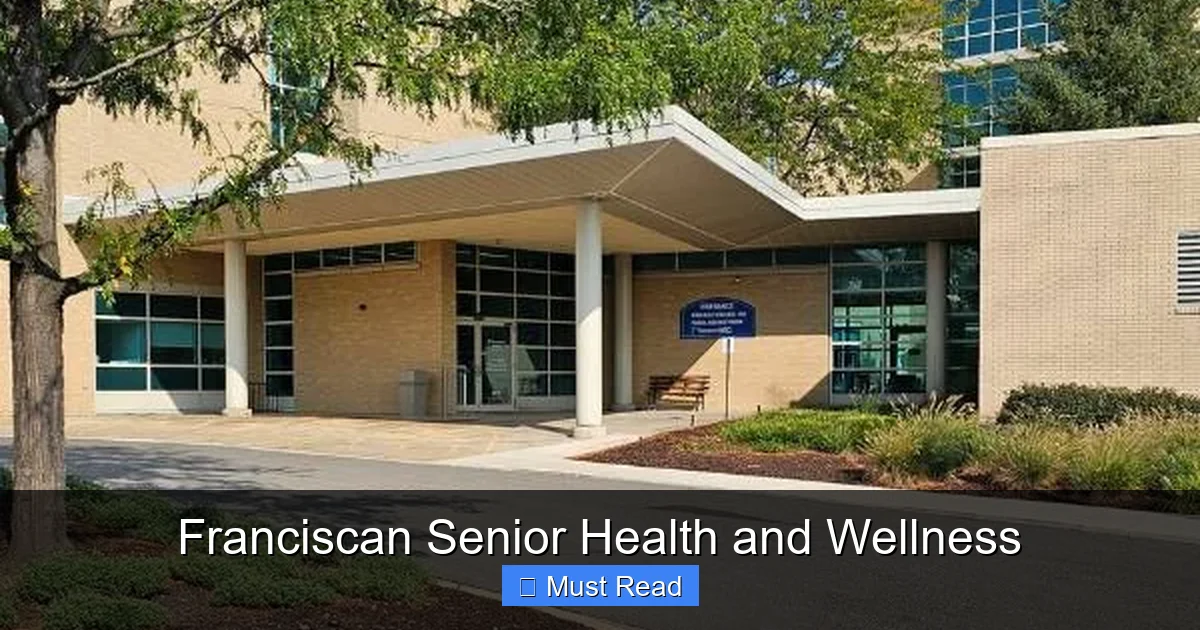
When you engage with a Franciscan senior health and wellness center or program, you’re stepping into an ecosystem of support. It’s a one-stop-shop for vitality, designed to eliminate the exhausting run-around many seniors face. Let’s walk through what this integrated spectrum typically looks like.
Visual guide about Franciscan Senior Health and Wellness
Image source: directory.franciscanhealth.org
Primary & Specialty Medical Care
At the foundation is exceptional, senior-focused primary care. Physicians and nurse practitioners are trained in geriatrics—they understand that a “normal” temperature might be lower in an older adult, or that a common medication might have atypical side effects. They manage chronic conditions like diabetes, hypertension, and arthritis with an eye toward minimizing pill burden and maximizing function. This care seamlessly connects to on-site or easily accessible specialists: cardiologists, neurologists, ophthalmologists, and podiatrists who speak the same language and share electronic records. No more repeating your history at every new appointment.
Fitness, Movement, and Rehabilitation
Exercise is prescription here, but it’s never one-size-fits-all. You’ll find classes tailored for every ability: gentle chair yoga for those with mobility limits, balance-specific classes to prevent falls, water aerobics for joint-friendly cardio, and strength training to combat sarcopenia (muscle loss). Physical and occupational therapists don’t just work after an injury; they work preventatively to keep you moving safely in your home and community. They might assess your home layout (in collaboration with senior housing 55 and older communities) and recommend simple modifications to prevent falls.
Nutrition and Culinary Wellness
Food is medicine, and a poor diet can unravel even the best medical care. Registered dietitians specializing in senior nutrition provide personalized counseling. They tackle common challenges: loss of appetite, difficulty chewing, fixed incomes limiting healthy food choices, and cooking for one. Many centers feature demonstration kitchens where you can learn to prepare nutrient-dense, flavorful meals on a budget. They might host a “Market Day” where you can use vouchers to purchase fresh local produce, directly linking nutrition to community support.
Mindfulness, Cognitive Health, and Spiritual Care
Mental and cognitive wellness is front and center. Programs range from meditation and stress-reduction workshops to brain-healthy activities like book clubs, puzzle groups, and technology classes to learn new skills. For those experiencing memory changes, there are often early-stage support groups and cognitive stimulation therapy. Chaplains or spiritual directors from various faiths are available for counseling, meditation sessions, or simply conversation, honoring the deep questions that often arise in later life. This layer addresses the “why” behind our desire to be well.
The Unseen Prescription: Community and Social Connection
Loneliness and social isolation are now recognized as major public health threats, with health impacts comparable to smoking 15 cigarettes a day. Franciscan senior health and wellness programs are engineered to be social hubs first and foremost. This is where the magic happens.
Visual guide about Franciscan Senior Health and Wellness
Image source: directory.franciscanhealth.org
Designed for Interaction
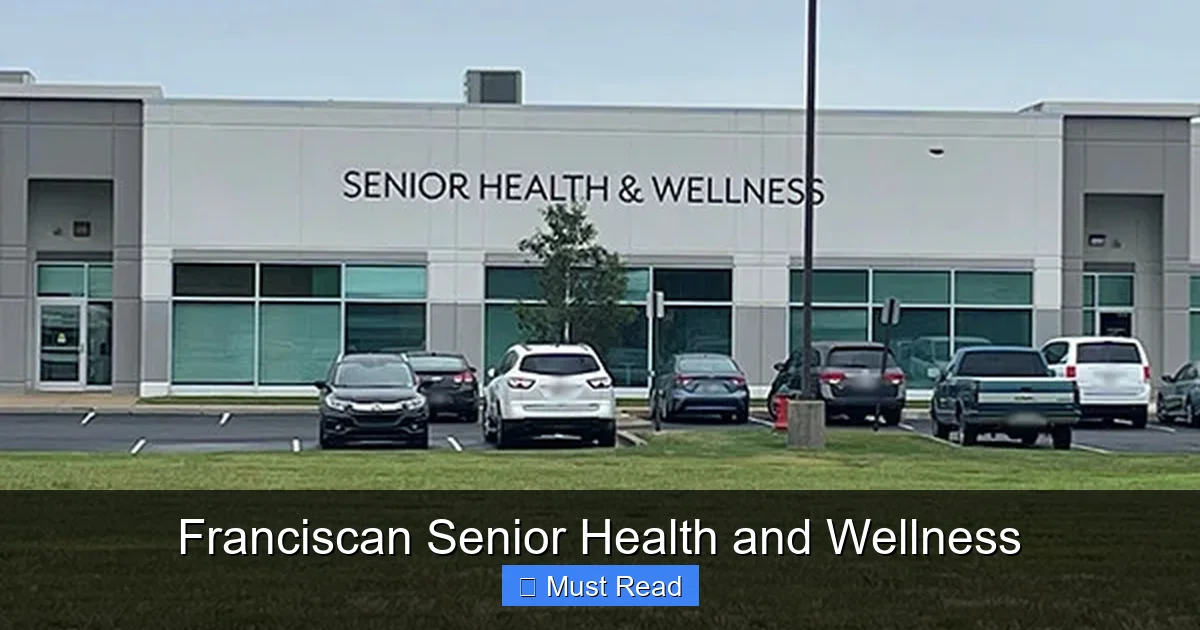
Architecture matters. Spaces are designed with comfortable, intimate conversation nooks, large communal tables for shared lunches, and versatile activity rooms. The layout encourages bumping into neighbors and striking up chats. There’s no sterile, hospital-like atmosphere. Think warm lighting, plants, and local artwork created by members.
A Calendar of Purpose
Boredom is the enemy of wellness. The activity calendar is packed and diverse. It might include:
- Intergenerational Programs: Partnering with local schools for reading buddies or tech tutoring from teens.
- Lifelong Learning: Courses from local colleges, history lectures, or creative writing workshops.
- Purposeful Volunteerism: Organizing opportunities to pack meals for the hungry, knit for newborns, or mentor young entrepreneurs. Having a role reinforces a sense of value.
- Interest-Based Clubs: From bird-watching and film appreciation to genealogy and bridge clubs, there’s a tribe for every passion.
This social fabric becomes a support network. If someone misses a few days, a friend or staff member will check in. If a member is grieving, the community rallies. This informal care network is invaluable and often the first line of defense against depression and decline.
Navigating the Complexities of Senior Healthcare
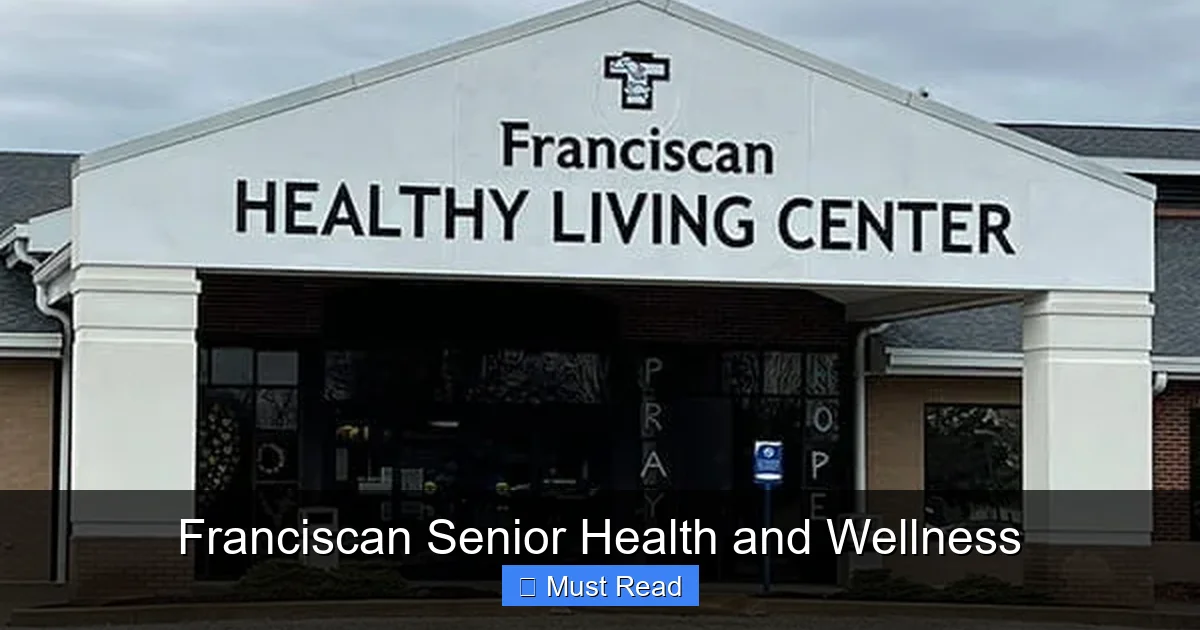
Even with a fantastic Franciscan senior health and wellness program in place, the broader healthcare system can be a maze. This is where expert guidance becomes crucial. Understanding your coverage is the first step to accessing the care you need without financial stress.
Visual guide about Franciscan Senior Health and Wellness
Image source: directory.franciscanhealth.org
Decoding Your Benefits
Medicare is the foundation for most, but it doesn’t cover everything—long-term care, most dental, hearing, and vision are notable gaps. This is where Medicare Advantage Plans (like those from Kaiser) or Medigap policies come in. For those with limited resources, Medicaid may play a role. A dedicated health navigator or social worker at a Franciscan center can be your guide. They can explain the differences between Original Medicare and a Delta Dental Kaiser Senior Advantage plan, for instance, and help you evaluate which option best covers the services you actually use, like dental work or hearing aids.
The Power of a Coordinated Advocate
Imagine you need to see a cardiologist, a podiatrist, and a dietitian. Without coordination, you’re managing three appointments, three sets of advice, and three sets of paperwork. A care coordinator at a Franciscan wellness center does this work for you. They schedule appointments, ensure information flows between providers, and help you prepare questions for each visit. They become your single point of contact, reducing stress and ensuring your care is unified. This is especially vital for seniors managing multiple chronic conditions, where medication interactions and conflicting advice can be dangerous.
Taking the First Step: How to Get Started
Making a change can feel daunting. The beauty of the Franciscan model is its low-barrier, welcoming entry points.
Start with a Tour or a Trial Class
You don’t need to be a full member to explore. Most centers offer complimentary tours. Walk through the gym, peek into a art class, and have a coffee in the café. Ask to speak with a wellness coach. Many also offer trial passes for their fitness classes—a low-commitment way to experience the community vibe and see if the environment feels right for you.
Schedule a Comprehensive Wellness Assessment
This is the official gateway. It’s not a quick check-up. It’s a 60-90 minute conversation with a interdisciplinary team—often a nurse, a dietitian, a fitness specialist, and a social worker. They’ll discuss your medical history, current medications, daily routines, fears, goals (like “I want to hike with my grandkids” or “I want to manage my blood sugar without more shots”), and social interests. The outcome is a draft “Wellness Roadmap,” a living document that outlines your priorities and the first steps to achieve them. This assessment itself is empowering; it’s the first time someone has asked you about your life goals in a healthcare setting.
Embrace the “One Thing” Mindset
Don’t feel pressured to overhaul everything at once. The team will help you identify your “one thing”—a single, sustainable change to start with. It might be “walk for 10 minutes after lunch three times a week,” or “add one vegetable to my evening meal.” Success with this small step builds confidence and momentum for the next. This gentle, non-judgmental approach is key to long-term adoption.
Conclusion: Health as a Journey, Not a Destination
Franciscan senior health and wellness is more than a service; it’s a philosophy that reclaims aging as a stage of life rich with possibility. It rejects the narrative of decline and instead champions a narrative of continued growth, contribution, and connection. By weaving together clinical excellence with profound attention to social and spiritual needs, it creates a environment where healing and thriving happen naturally. It acknowledges that the best healthcare in the world is ineffective if a person feels lonely, purposeless, or scared. It builds a community where your medical chart is just one part of your story, and where the goal is to add vibrant, healthy chapters for as long as possible.
If you or a loved one is navigating the complexities of senior living and care, exploring a Franciscan-based wellness program is a profoundly hopeful step. It’s an investment in a future where your later years are defined not by limitations, but by engagement, dignity, and joy. Start the conversation, take a tour, and discover what a truly integrated approach to wellness can feel like.
Frequently Asked Questions
Is Franciscan Senior Health and Wellness only for Catholics or people of faith?
No. While the programs are founded on Franciscan values of compassion, respect, and service, they are open and welcoming to people of all faith backgrounds, beliefs, and cultures. The spiritual care component is optional and provided in an inclusive manner.
How do I know if these services are covered by insurance?
Coverage varies. Basic wellness assessments and some group classes may be included in certain Medicare Advantage plans or as part of a membership. Medical care from physicians is typically billed to insurance (Medicare/Medicaid/private). The financial navigator at the center can review your specific plan, including potential medical insurance for senior citizens benefits, and provide a clear cost estimate before you commit to any non-covered services.
What if I have significant mobility limitations or use a wheelchair?
These centers are designed for universal accessibility, with wide doorways, grab bars, zero-step entries, and adaptive equipment. Fitness programs include seated exercises, water therapy, and one-on-one sessions with therapists trained in adaptive techniques. The goal is to make every activity possible and safe for every ability level.
Can my spouse, who is not yet a senior, participate in community activities with me?
Often, yes. Many social events, educational lectures, and even some fitness classes are open to couples or younger spouses. This supports the senior’s social health by allowing them to engage with their partner. It’s best to check the specific program guidelines at your local center.
How is this different from a standard senior center or gym?
The key difference is integration and medical oversight. A standard senior center offers great social activities but typically no medical care. A gym offers fitness but not nutrition counseling or chronic disease management. Franciscan’s model intentionally blends all these elements, with communication between your fitness trainer, dietitian, and doctor. Your progress in the gym can inform your medical care plan, and your medical needs directly shape your fitness goals.
What if I live in a senior housing 55 and older community? Can I still use these services?
Absolutely. These wellness programs are often available to community-dwelling seniors regardless of their housing type. Many centers even provide outreach and mobile services to senior living communities, bringing fitness classes, health screenings, and social programming directly to residents who may have transportation challenges.