
Dental Coverage for Seniors on Medicare


Hearing Aid Cleaning Kit
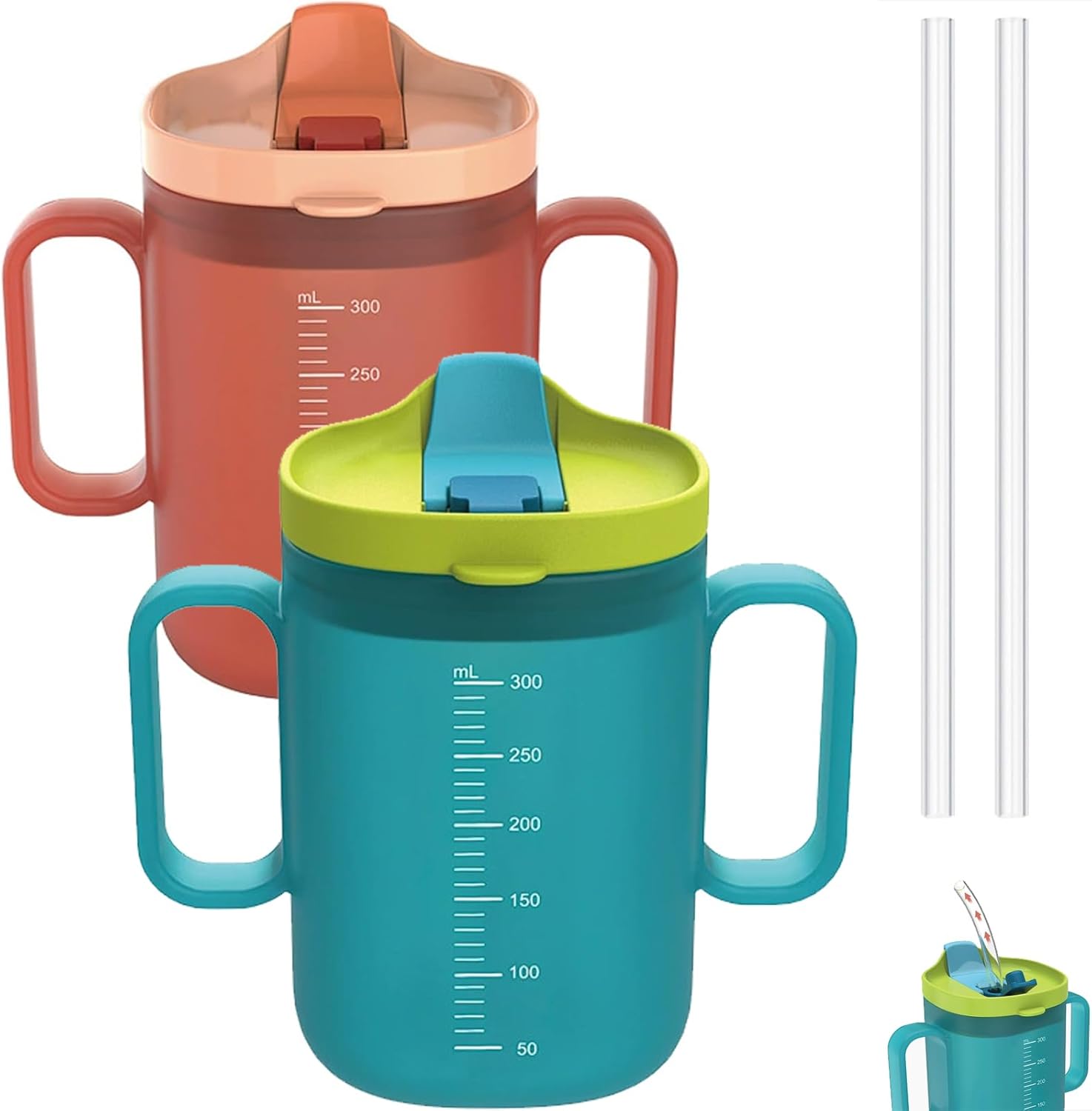
Spill-Proof Adult Cup

Reacher Grabber Tool
Dental coverage for seniors on Medicare isn’t standard but can be added through specific plans like Medicare Advantage or by paying out-of-pocket. Explore your options to ensure affordable dental care.
Key Takeaways
- Original Medicare generally doesn’t cover routine dental care.
- Medicare Advantage plans often include dental benefits.
- Look for dental discount plans as an alternative.
- Budget for out-of-pocket dental expenses.
- Understand your specific plan details for dental coverage.
- Prioritize preventive dental care to save money.
Understanding Dental Coverage for Seniors on Medicare

Navigating healthcare options as a senior can feel like a puzzle, and dental care is a piece that often causes confusion for those on Medicare. You might be wondering, “Does Medicare cover dental work?” The straightforward answer is: Original Medicare (Part A and Part B) typically does not cover routine dental care, such as cleanings, fillings, or dentures. This can be a significant concern, as oral health is crucial for overall well-being. But don’t worry; this guide will break down how you can get the dental coverage you need on Medicare, making the process clear and actionable. We’ll explore your options step-by-step, so you can confidently make informed decisions for your smile.
Does Original Medicare Cover Dental Care?
Original Medicare, which includes Part A (Hospital Insurance) and Part B (Medical Insurance), has specific limitations when it comes to dental care. Understanding these limitations is the first step in finding the right coverage.
Medicare Part A and Dental Care
Medicare Part A primarily covers inpatient hospital stays. It might cover dental services if they are medically necessary as part of a related inpatient hospital procedure. For example, if you need to have your jaw realigned due to an accident and require dental work as part of that hospitalization, Part A might help cover the hospital costs. However, it won’t pay for routine dental check-ups, cleanings, or fillings.
Medicare Part B and Dental Care
Medicare Part B covers doctor’s visits, preventive services, and medical supplies. It generally does not cover routine dental care. The only instances where Part B might offer some coverage for dental services are when they are directly related to a necessary medical procedure. For instance, if you need dental implants as part of a surgery to repair severe facial damage from an accident, Part B might cover the surgical aspect of the procedure. It will not cover the dental implants themselves or associated dental work.
Exploring Dental Coverage Options Beyond Original Medicare

Since Original Medicare has limited dental benefits, most seniors need to look for additional coverage. Fortunately, several avenues exist to help you manage dental costs.
Medicare Advantage Plans (Part C) and Dental Benefits
One of the most common ways seniors get dental coverage is through a Medicare Advantage plan. These plans are offered by private insurance companies approved by Medicare, and they must provide all the benefits of Original Medicare (Part A and Part B). Many Medicare Advantage plans bundle extra benefits, and dental coverage is frequently included.
What to Expect with Medicare Advantage Dental
Routine Care: Many Part C plans include coverage for preventive services like dental exams, teeth cleanings, and X-rays.
Basic Services: Some plans may also offer coverage for basic procedures such as fillings, extractions, and root canals.
Major Services: Coverage for more significant procedures like dentures, bridges, crowns, and implants can vary widely. Some plans offer partial coverage, while others may not cover these at all.
Annual Limits and Copays: Be aware that these plans often have annual limits on how much they will pay for dental care. You may also have copayments or coinsurance for services.
Network Restrictions: Like most insurance, Medicare Advantage plans often have a network of dentists. You may pay more if you go outside the network.
According to the Centers for Medicare & Medicaid Services (CMS), you can compare different Medicare Advantage plans in your area, including their dental benefits, during the Annual Enrollment Period.
Stand-Alone Dental Insurance Plans
If you choose to stick with Original Medicare or if your Medicare Advantage plan doesn’t offer sufficient dental benefits, you can purchase a stand-alone dental insurance policy. These are separate policies designed specifically to cover dental costs.
Types of Stand-Alone Dental Plans
Indemnity Plans: These plans allow you to see any dentist you choose. You pay the dentist, and then the insurance company reimburses you for a portion of the cost based on a set fee schedule.
PPO (Preferred Provider Organization) Plans: You can see any dentist, but you’ll pay less if you use a dentist within the plan’s network.
HMO (Health Maintenance Organization) Plans: You typically choose a dentist from the plan’s network, and you may need a referral to see a specialist. These plans often have lower premiums but less flexibility.
These plans usually involve monthly premiums, deductibles, copayments, and annual maximums. It’s essential to read the plan details carefully to understand what services are covered and to what extent.
Dental Discount Plans
Another option is a dental discount plan, sometimes called a dental savings plan. These are not insurance plans. Instead, you pay an annual fee to join the plan, and in return, you get access to a network of dentists who have agreed to provide their services at reduced rates.
How Dental Discount Plans Work
Membership Fee: You pay a recurring fee (monthly or annually) to be a member.
Discounted Services: You receive discounts on a wide range of dental procedures, from routine cleanings to more complex treatments.
No Annual Maximums: Unlike insurance, most discount plans do not have annual limits on how much you can save.
No Waiting Periods: You can typically start using your discounts immediately after joining.
Dental discount plans can be a cost-effective solution if you need significant dental work but can’t afford traditional insurance or if your insurance has limited coverage. Reputable organizations like the National Association of Dental Plans (NADP) offer resources to help you understand and choose a plan.
Comparing Your Dental Coverage Options
To help you visualize the differences between Original Medicare, Medicare Advantage with dental, and stand-alone dental plans, consider this comparison table:
| Feature | Original Medicare (Part A & B) | Medicare Advantage (Part C) with Dental | Stand-Alone Dental Insurance | Dental Discount Plan |
|---|---|---|---|---|
| Routine Dental Care (Cleanings, Exams) | Generally No | Often Covered (with copays/limits) | Covered (with deductibles/copays/coinsurance) | Discounted Rates (annual membership fee) |
| Fillings, Extractions | Generally No | May Be Covered (with copays/limits) | Covered (with deductibles/copays/coinsurance) | Discounted Rates (annual membership fee) |
| Dentures, Crowns, Bridges | Generally No | Coverage Varies Widely (often limited) | Covered (with deductibles/copays/coinsurance) | Discounted Rates (annual membership fee) |
| Annual Maximum Payout | N/A | Yes (limits apply) | Yes (limits apply) | Generally No |
| Network Restrictions | N/A for dental | Yes (often) | Varies (e.g., PPO, HMO) | Yes (dentist network) |
| Waiting Periods | N/A for dental | Varies by plan | Often Yes | Generally No |
| Cost Structure | Premiums (Part B), Deductibles, Copays | Premiums (can be $0), Copays, Coinsurance | Premiums, Deductibles, Copays, Coinsurance | Annual Membership Fee |
Understanding the Costs
Each option comes with its own set of costs. Original Medicare has premiums, deductibles, and copays for Part B. Medicare Advantage plans may have additional premiums, copays, and coinsurance for both medical and dental services, though many have $0 monthly premiums. Stand-alone dental insurance has monthly premiums, deductibles, annual maximums, and coinsurance. Dental discount plans have an annual membership fee, but the services themselves are discounted rather than covered by insurance.
Making Informed Decisions About Your Dental Care
Choosing the right dental coverage involves looking at your specific needs and budget. Here’s a step-by-step approach to help you decide:
Step 1: Assess Your Current Oral Health and Needs
Before you start comparing plans, take stock of your current dental situation.
- Do you have any existing dental problems that require immediate or ongoing treatment?
- How often do you typically visit the dentist for check-ups and cleanings?
- Are you prone to cavities or gum disease?
- Do you anticipate needing major dental work, such as dentures, crowns, or implants, in the near future?
Answering these questions will help you determine the level of coverage you’ll need. If you have excellent oral health and only need routine care, a plan with basic coverage or a discount plan might suffice. If you anticipate significant procedures, you’ll need a plan that offers more comprehensive benefits, even if it comes with a higher premium.
Step 2: Review Your Medicare Options
During Medicare’s Open Enrollment (October 15 – December 7) or your Initial Enrollment Period, you can explore Medicare Advantage plans.
- Visit Medicare.gov: Use the “Find a Medicare Plan” tool to see what Medicare Advantage plans are available in your area.
- Compare Benefits: Carefully review the Summary of Benefits for each plan. Look specifically for the dental coverage section. Pay attention to what services are covered, any limitations, deductibles, copays, and annual maximums.
- Check Provider Networks: If you have a dentist you like, check if they are in the network of the Medicare Advantage plan you are considering.
Remember, Medicare Advantage plans vary greatly by region and by provider. What works for one person might not be the best fit for another.
Step 3: Research Stand-Alone Dental Insurance and Discount Plans
If Medicare Advantage plans don’t meet your needs, or if you prefer to keep Original Medicare, explore other options.
- Online Comparison Tools: Websites like eHealthInsurance or Policygenius allow you to compare rates and benefits for stand-alone dental insurance.
- Dental Discount Plan Providers: Many companies offer dental discount plans. Look for well-established providers and read reviews. Websites like DentalPlans.com can help you compare.
- Ask Your Dentist: Your dentist may have recommendations or affiliations with specific dental plans or discount programs.
When comparing these plans, look for:
- Monthly/Annual Premiums
- Deductibles
- Copayments or Coinsurance
- Annual Maximums
- Waiting Periods for specific services
- Network dentists (for discount plans or PPO/HMO insurance)
Pro Tip: Keep a file or digital folder with all your insurance policy documents, including Medicare plans, stand-alone dental insurance, or discount plan information. This will make it easy to access details about coverage, deductibles, and contact information when you need it.
Step 4: Consider Out-of-Pocket Expenses
Even with dental insurance, you’ll likely have some out-of-pocket costs. It’s wise to budget for these expenses.
- Premiums: The monthly cost of your chosen plan.
- Deductibles: The amount you pay before your insurance starts covering costs.
- Copayments/Coinsurance: A fixed amount or a percentage of the cost you pay for services.
- Services Not Covered: Some procedures might not be covered by your plan at all.
If you opt for a dental discount plan, your primary “out-of-pocket” cost is the membership fee, and then you pay discounted rates for services.
Step 5: Make Your Choice and Enroll
Once you’ve gathered all the information, compare your options side-by-side and choose the plan that best aligns with your financial situation and dental health needs. Pay close attention to enrollment deadlines. For Medicare Advantage plans, the main enrollment periods are the Annual Enrollment Period (AEP) and the Medicare Advantage Open Enrollment Period. For stand-alone dental insurance, enrollment periods can vary.
Frequently Asked Questions About Dental Coverage for Seniors on Medicare
Q1: Does Medicare cover emergency dental care?
A1: Original Medicare (Part A and Part B) generally does not cover routine dental care, even in emergencies. However, if you require emergency dental services that are part of an inpatient hospital stay due to an accident or another medical condition, Medicare Part A might cover the hospital costs. Part B may cover emergency dental services related to an accident or another medical procedure, but not the dental work itself. Most dental emergencies will require separate dental insurance or out-of-pocket payment.
Q2: Can I get dental coverage if I have Medigap?
A2: Medigap (also known as Medicare Supplement Insurance) helps pay for some of the out-of-pocket costs that Original Medicare doesn’t cover, like deductibles and copayments. However, Medigap plans typically do not cover routine dental care, vision, or hearing aids. You would still need a separate dental plan.
Q3: What is the best way to find a Medicare Advantage plan with dental benefits?
A3: The best way is to use the Medicare plan finder tool on Medicare.gov. You can enter your ZIP code and compare available Medicare Advantage plans in your area. Look for the “Dental” section in the plan benefits summary for each plan. You can also call Medicare at 1-800-MEDICARE (TTY users should call 1-877-486-2048) or contact the State Health Insurance Assistance Program (SHIP) in your state for free, unbiased counseling.
Q4: How much does dental coverage for seniors on Medicare typically cost?
A4: The cost varies significantly. Original Medicare has no dental coverage. Medicare Advantage plans can have monthly premiums ranging from $0 to over $100, plus copays for dental services. Stand-alone dental insurance plans typically cost $20-$50 per month for premiums, with additional deductibles and coinsurance. Dental discount plans have annual membership fees, usually between $100-$200 annually. Always check the specific plan details for exact costs.
Q5: Are there any free dental services available for seniors?
A5: While not Medicare-covered, some communities offer free or low-cost dental clinics for seniors, often run by non-profit organizations or dental schools. These services are usually income-based. You can search online for “free dental clinics for seniors” in your area or ask your local Area Agency on Aging for referrals.
Q6: If I enroll in a Medicare Advantage plan with dental, can I switch back to Original Medicare and get a Medigap plan later?
A6: It can be complicated. While you can switch from Medicare Advantage back to Original Medicare during certain enrollment periods, guaranteed enrollment rights for Medigap plans are limited. In most states, if you aren’t within your initial Medigap enrollment period (when you first become eligible for Medicare Part B) or don’t have specific guaranteed issue rights, you might be denied coverage or charged more due to pre-existing conditions when trying to buy a Medigap policy. It’s crucial to understand these rules before making a switch.
Conclusion
While Original Medicare doesn’t offer comprehensive dental coverage, seniors have several viable options to ensure their oral health is maintained. Medicare Advantage plans often bundle dental benefits, providing a convenient all-in-one solution. Stand-alone dental insurance and dental discount plans offer alternatives for those who prefer to stay with Original Medicare or need more specialized coverage. By understanding your needs, exploring your options thoroughly, and comparing costs and benefits carefully, you can find the right dental coverage that keeps your smile healthy and your budget intact. Prioritizing your dental health is an investment in your overall well-being, and with the right plan, it’s an accessible one.