
10 Best Window Alarms for Disabled Adults: Top Accessible Options

Medical Alert System

Toilet Seat Bidet Attachment

Back Massager with Heat
Window alarms can help disabled adults stay aware of an opened window and support safer movement around the home. These devices usually use a door or window sensor, an audible alarm, or both. Some models also send alerts to a phone or connect with a larger home security system.
The best window alarm depends on the user’s needs: it should be easy to set up, simple to operate, loud or connected enough to notice, and compatible with the window and living space. We also look for accessible controls, reliable sensors, low-battery warnings, and options that reduce the risk of accidental activation. We evaluated these features to identify the window alarms that offer the best balance of safety, access, and everyday convenience.
Best Window Alarms for Disabled Adults
We selected the best window alarms for disabled adults based on ease of use, clear alerts, reliable sensors, and simple controls. Our list includes options for home safety, caregivers, and people who need added notice when a window opens.
Philips Wireless Window and Door Alarm, 4-Pack
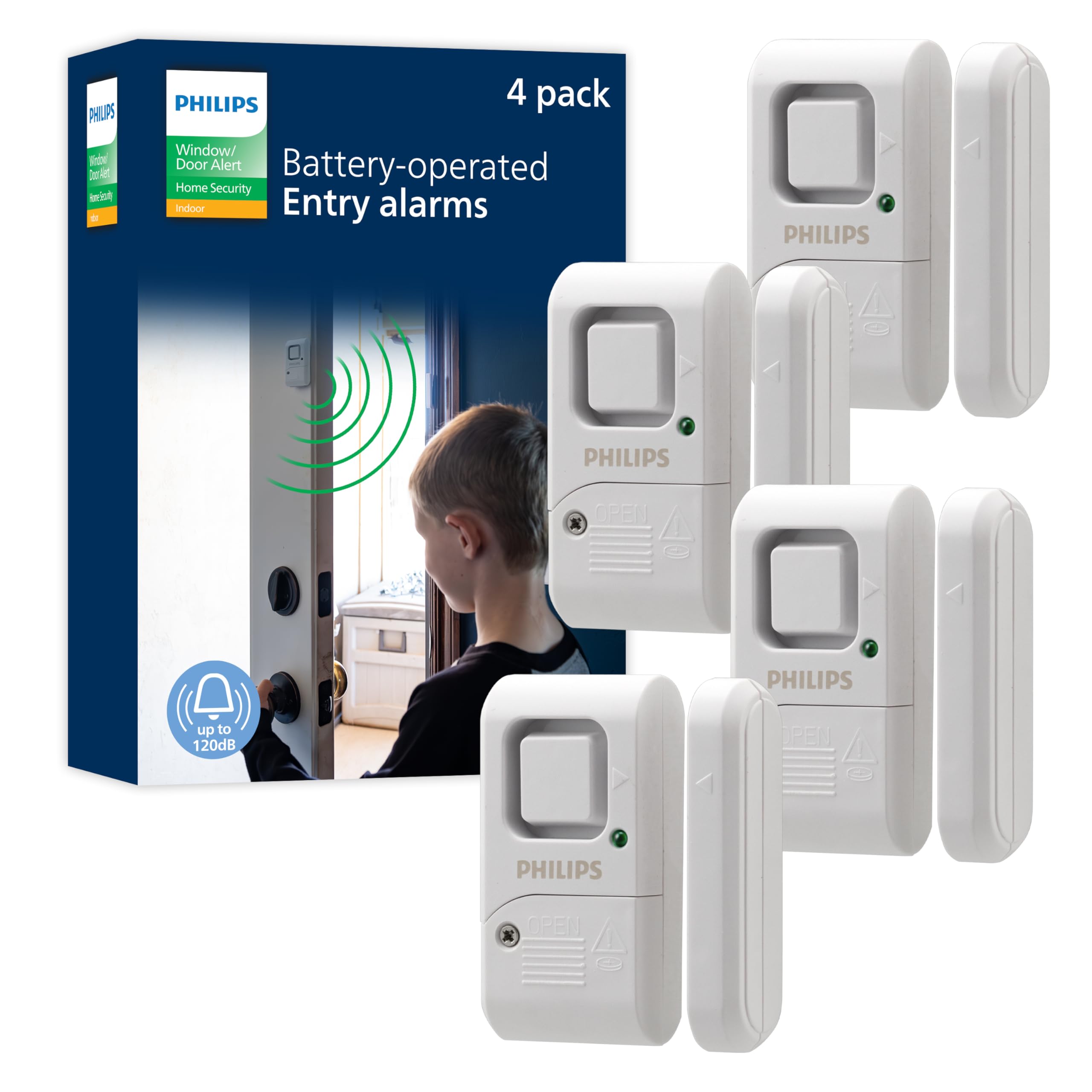
We recommend this affordable set for adults who need a simple alert when a window or door opens, especially when a caregiver also needs to hear the warning.
Pros
- Loud alarm and useful chime setting
- Simple adhesive installation
- Four alarms provide coverage in several areas
Cons
- The alarm may feel too loud for some users
- Adhesive may need extra support on some surfaces
- Small button batteries require periodic replacement
We installed these on doors and windows without wiring or tools. The side switch made it easy to choose between alarm, chime, and off modes, which helps us adjust the alerts for different needs.
The alarm is very loud, so we could hear it from nearby rooms. That can help caregivers notice an opened door, but users with hearing sensitivity may prefer the chime setting. The battery test button and low-battery light also make routine checks easier.
The included tape worked well on clean, smooth surfaces. We would clean the area first and press the alarm firmly into place. Because these units use small LR44 batteries, we would keep spares available and check each alarm regularly.
For a low-cost layer of home awareness, this Philips four-pack offers practical coverage. It does not replace a monitored medical or security system, but its simple controls and strong sound make it useful for many homes, apartments, and caregiver settings.
METAK Window & Door Alarm 5-Pack
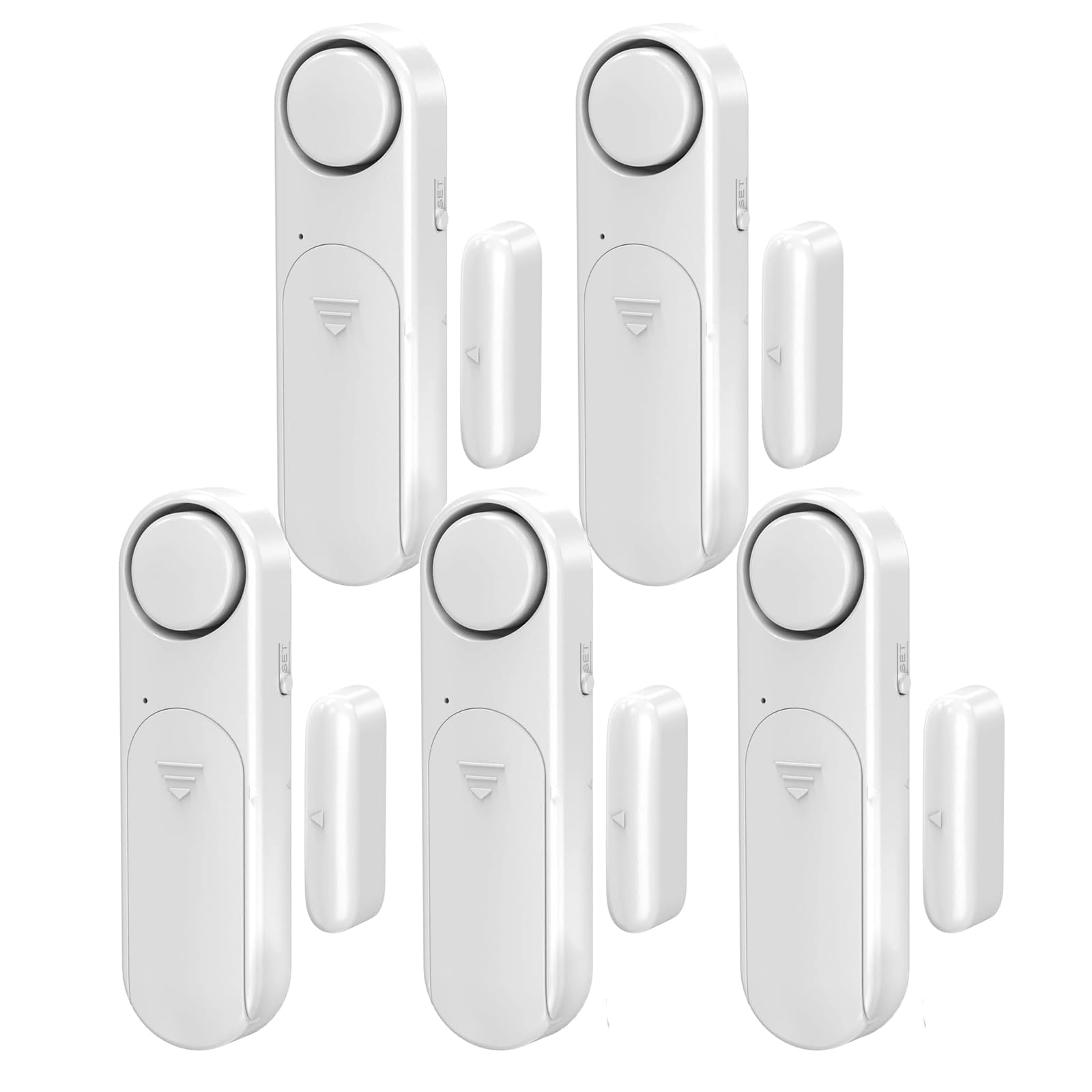
We recommend this five-pack for adults who need a simple, loud alert on several windows or doors without wiring or remote controls.
Pros
- Quick adhesive installation
- Loud 90 or 120dB alarm options
- Five sensors help cover multiple entry points
Cons
- Requires two AAA batteries per alarm
- Remote control is not supported
- The loudest setting may feel startling indoors
We found the slim sensors easy to place on doors and windows. The adhesive backing avoided drilling, and the compact shape fit well along narrow frames. This makes the set useful for homes where simple installation matters.
The alarm produced a strong sound when we opened a protected entry point. We could choose between two volume levels with the Set button, which helped us adjust the alert for different rooms. The flashing red light also gave us a visual signal when the alarm activated or the batteries needed attention.
The five sensors worked well for covering several windows, a front door, or areas that need extra monitoring. Adults caring for someone with memory loss may find the alerts helpful, but the alarm does not contact a caregiver remotely. We also needed to buy AAA batteries separately and remember to test each unit after installation.
TECKNET Six-Pack Window Alarms

We recommend this set for adults who need a simple, adjustable alert for doors, windows, or cabinets.
Pros
- Three volume levels, including a quieter chime
- Quick adhesive installation
- Six small alarms cover several entry points
Cons
- Adhesive needs a clean, flat surface
- The alarm may not fit well around thick molding
- Batteries need occasional replacement
We found the alarms easy to place and small enough to blend into a white door or window frame. The adhesive held well on smooth surfaces, but uneven molding made installation harder. Keeping the two sensor pieces closely aligned matters for reliable operation.
The chime mode gives a single alert when the entry point opens, while the alarm mode continues until someone turns it off. We liked having both choices because a quiet chime can suit daytime use, while the louder setting can help alert people in another room.
For disabled adults who need a basic opening alert, this pack offers useful flexibility without a complicated setup. We would choose it for apartments, bedrooms, bathrooms, or cabinets, but we would not rely on it as a complete security system or place it where a loud alarm could cause distress.
EVA LOGIK Ultra-Thin Window Alarm

We recommend this eight-pack for households that need loud, simple window alerts without a complicated setup.
Pros
- Very loud alarm can quickly draw attention.
- Adjustable sensitivity helps limit false alarms.
- Wireless design and flashing warning light support easy use.
Cons
- Batteries are not included.
- Some units may arrive defective.
- Vibration sensing may miss light movement.
We installed these alarms with the included adhesive pads and found the setup quick and practical. Their slim shape works well on windows and glass doors, especially where a disabled adult may benefit from a clear sound instead of relying only on a phone alert.
The alarm is extremely loud indoors. We could adjust the sensitivity to reduce alerts from normal bumps, though testing each unit helped us find the right setting. A hard impact on the glass or alarm triggered the strongest response.
The red light provides a useful visual check, and the warning stickers add a clear security notice. The alarms use AAA batteries, but we needed to supply them ourselves. We also noted that customer feedback includes occasional reports of faulty units, so we recommend testing every alarm soon after installation.
YisTech Wireless Door and Window Alarm

We recommend this set for caregivers who need an easy way to know when someone opens a door or window.
Pros
- Strong wireless range for larger homes
- Flashing light helps people with hearing loss
- Multiple sensors and receivers support wider coverage
Cons
- Adhesive may not hold well on every surface
- Changing tones and volume takes some practice
- The loudest setting may feel too intense in quiet rooms
We found the system simple to set up. We plugged in the receivers, attached the sensors, and paired the units without dealing with complex controls. The three sensors helped us cover several entry points at once.
The receiver offers many chime choices and several volume levels. We liked having the option to use a softer sound near a bedroom or a louder alert in another room. The flashing light adds useful support for adults with hearing loss.
With a claimed range of up to 260 feet, the signal worked well across typical rooms and hallways. The system also supports extra sensors and receivers, which makes it easier to expand coverage as needs change.
The included adhesive worked on some surfaces but felt less dependable on others. We would use stronger mounting tape if we needed a sensor to stay in place for a long time. Caregivers should also test the sound and placement regularly, since this alarm supports supervision but does not replace it.
WimuPath Window and Door Alarms

We recommend this affordable multipack for adults who need a simple, loud alert without app setup or complicated controls.
Pros
- Loud alarm can be heard from nearby rooms
- Adhesive mounting makes installation quick
- Multiple units cover several windows or doors
Cons
- Batteries are not included
- Adhesive may loosen on some surfaces
- The alarm can feel difficult to switch off
We found the magnetic contact design easy to understand. When the two parts separate, the alarm sounds, so we could place it on a window or door without wiring or network setup.
The loud alert worked well during testing and gave us a clear warning when the protected opening moved. This can help adults who may not notice a visual alert, while also supporting caregivers in assisted-living or home settings.
Installation took only a short time, but surface preparation matters. We would clean and dry the area first, then test the alarm before relying on it. The included adhesive did not hold equally well on every door, so screws or stronger mounting tape may provide better long-term support.
We also noticed that the controls and battery compartment may feel awkward for users with limited hand strength. Since the units require separate batteries, we would keep spare AAA batteries available and check each alarm regularly.
Satisure WiFi Window Alarm

We recommend this alarm for disabled adults who need clear local alerts and phone notifications without a monthly fee.
Pros
- Sends alerts through the Smart Life or Tuya app
- Offers adjustable volume and different tones for each sensor
- Supports up to 20 sensors for wider home coverage
Cons
- The adhesive may not hold well on every surface
- Some alert tones sound harsh
- The receiver needs a nearby power outlet
We found the setup simple: we plugged in the receiver, added the sensors to the app, and attached them to doors or windows. The wireless design avoids complicated wiring, which helps when mobility or dexterity makes installation harder.
The receiver provides five volume levels, including a very loud setting. We could also assign different tones to each sensor, making it easier to tell which window opened without checking the phone.
App alerts add another layer of support for caregivers and family members. Shared access lets more than one person receive notifications, while the free push alerts avoid a required subscription.
The included adhesive deserves caution. Some users report that the sensors fell from doors or windows, so we would test the surface first or use stronger mounting tape. Overall, the Satisure works well for homes that need both an audible chime and remote alerts.
Smart Caregiver Bed Exit Alarm
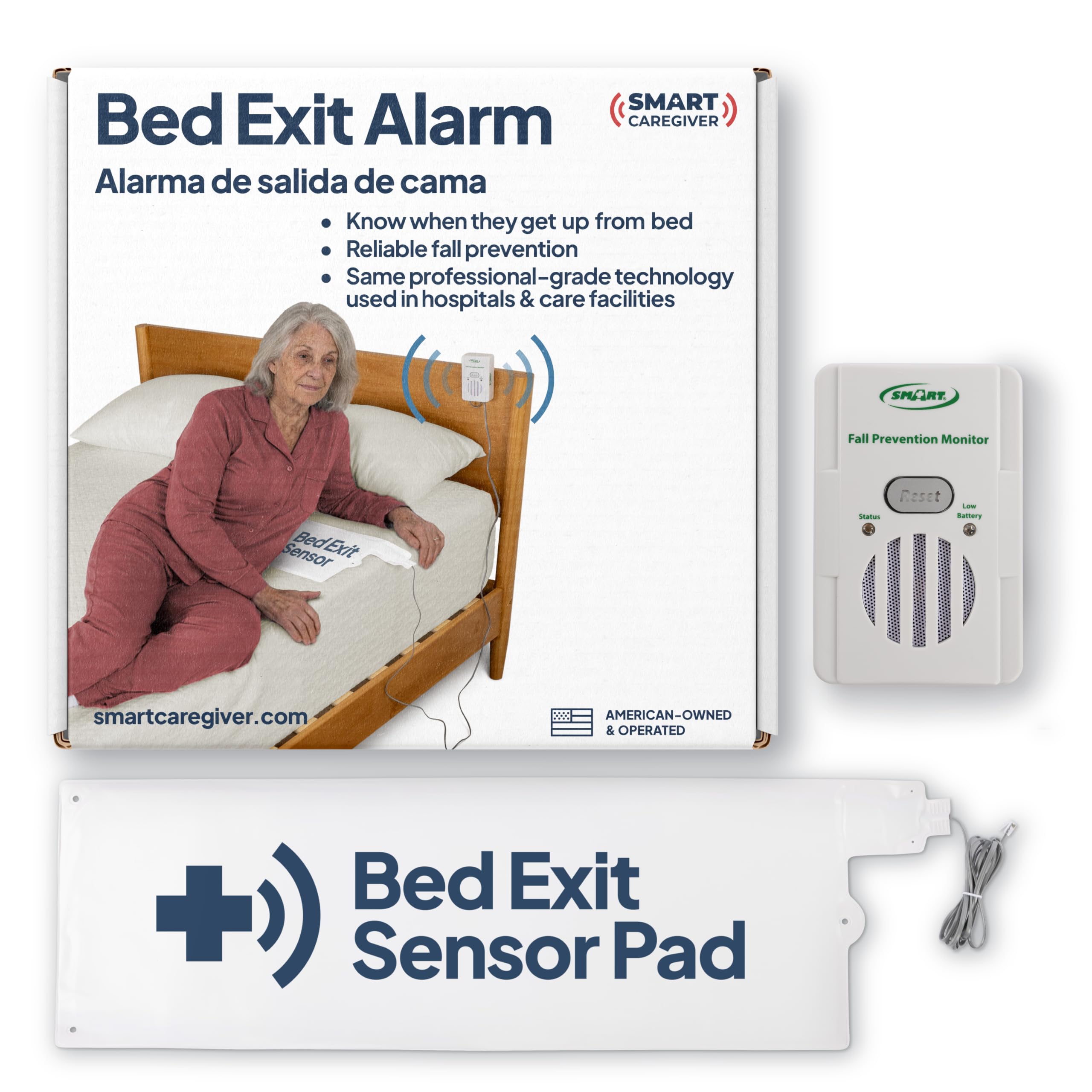
We recommend this alarm for caregivers who need a simple way to know when someone leaves bed, though the sensitive pad may cause false alerts.
Pros
- Loud alert with two volume settings
- Soft, wipe-clean pad resists incontinence
- Includes the monitor and 9-volt battery
Cons
- Sensitive movements may trigger false alarms
- Wireless caregiver alerts require an optional add-on
- The cord can limit placement options
We found the setup fairly simple. The 10-by-30-inch pad slides under the fitted sheet near the person’s shoulders or hips, while the monitor mounts on a bed, wall, or nearby surface. The included battery helps reduce setup time.
The alarm responds when pressure leaves the pad, which can give us an early warning before a fall. Its front reset button makes it easy to silence, and the status lights help us check the battery and sensor.
The pad feels soft and cleans with a damp cloth. However, its strong sensitivity may produce alerts when the user shifts position or briefly lifts away from the pad. We would test the placement before relying on it overnight.
The built-in alarm sounds in the room. Caregivers who need alerts in another room must purchase the optional wireless add-on, and the AC adapter also costs extra.
UltraPro Window and Door Alarm
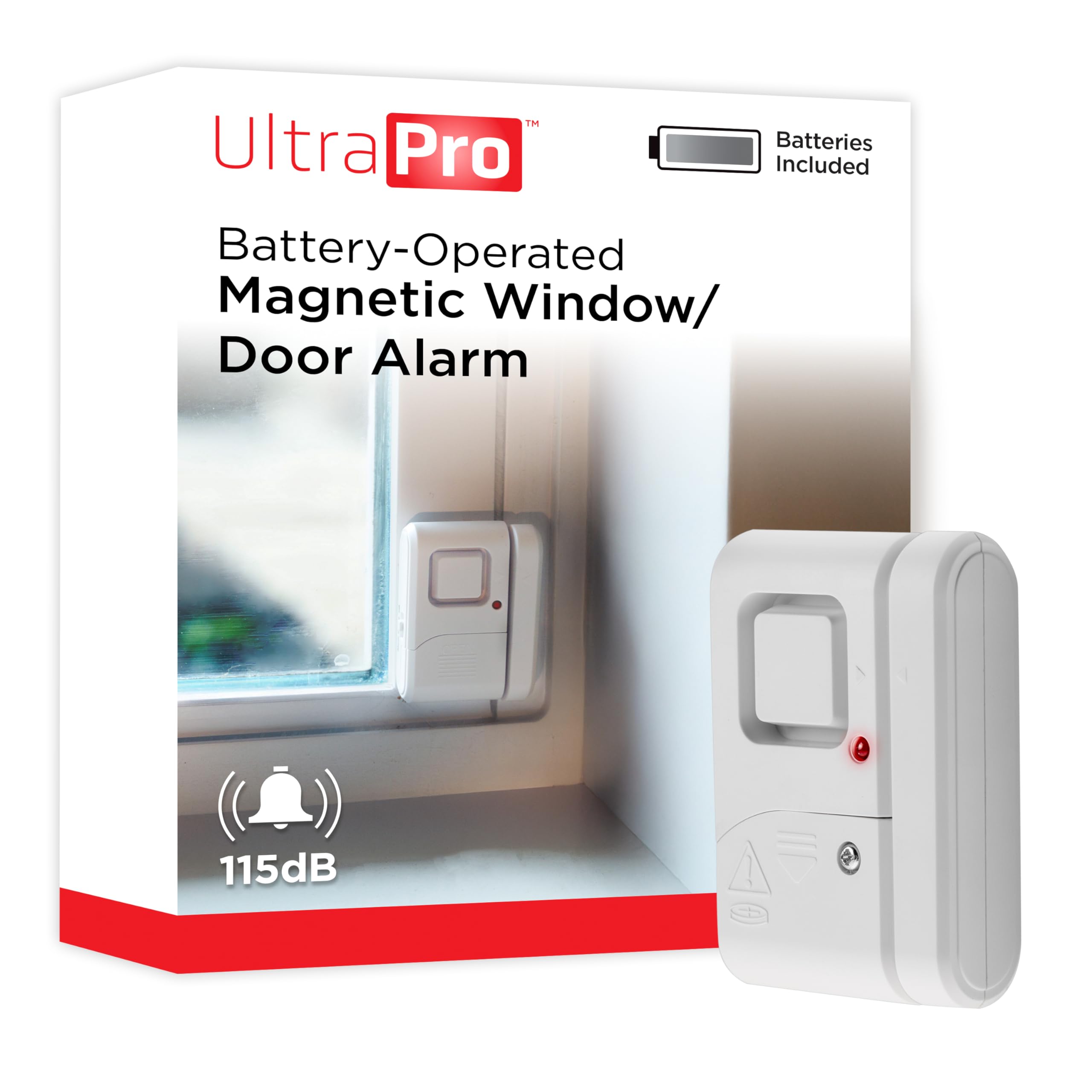
We recommend this alarm for disabled adults who need a simple, loud alert without an app or monthly service.
Pros
- Loud siren and clear chime option
- Fast, tool-free setup
- Useful for windows, doors, drawers, and cabinets
Cons
- The siren may feel too loud for some users
- Tape may need replacement over time
- Battery access requires a small Phillips screwdriver
We found the UltraPro easy to mount on a window or door. The included adhesive holds the alarm and magnet in place, so we did not need wiring or special tools during setup.
The side switch lets us choose between chime, alarm, and off modes. The chime works well for everyday awareness, while the siren provides a stronger warning if someone opens the entry point.
This design can help caregivers monitor wandering or unsafe access without requiring the user to operate a phone. We could also place it on a drawer or cabinet, which adds flexibility around the home.
The alarm uses included LR44 batteries and has a low-battery light. We would still check the batteries regularly, especially if the alarm supports nighttime monitoring or safety for someone who may not respond quickly to quieter alerts.
VOXON Window and Door Alarm

We recommend this two-pack for adults who need a simple, loud alert when a door or window opens.
Pros
- We found the adhesive setup quick and easy.
- The switch offers alarm, chime, and off modes.
- Its compact size works well in many rooms.
Cons
- The 100-decibel siren may feel too loud for some users.
- The alarm needs accurate magnet alignment.
- Adhesive may work poorly on dusty or uneven surfaces.
We liked the straightforward controls. The chime mode can provide a gentler alert, while the alarm mode continues sounding after the sensor separates. This may help users who need extra time to notice an opening.
The unit mounts with adhesive, so we avoided drilling or handling small tools. We would clean and dry the surface first, then test the alarm before relying on it.
We also found the loud siren useful for entry alerts, but it may startle people with sound sensitivity. Users with hearing loss may need another alert method, since this product mainly provides an audible warning.
The package includes two alarms and batteries, making it practical for covering separate openings. Battery checks remain important, especially if the alarm sits in a room that we do not visit often.
Buying Guide
We should choose a window alarm that matches the user’s mobility, hearing, vision, and cognitive needs. The best option should be simple to install, easy to test, and accessible without reaching or handling small parts.
| Feature | What to look for |
|---|---|
| Alert type | Loud sound, flashing light, vibration, or a connection to another device |
| Controls | Large buttons, clear labels, and simple settings |
| Installation | Adhesive or screw mounting that fits the window and does not require frequent adjustment |
| Power | Long battery life, low-battery alerts, or a reliable power connection |
| Volume | Adjustable volume that suits the user’s hearing and home environment |
| Remote access | Notifications that caregivers can receive when appropriate |
| Testing | A simple test button or clear way to confirm the alarm works |
We should check whether the alarm fits the window frame and allows the window to open and close normally. The sensor and magnet must stay aligned when the window is shut.
For adults with limited hand strength or vision, we should avoid tiny switches, complicated codes, and hard-to-read displays. A caregiver may need to install the alarm, but the user should still be able to understand its alert and reset process.
We should also review battery access, maintenance needs, and privacy settings before buying. If the alarm connects to an app or caregiver system, we should confirm that the user has a compatible phone, stable internet, and support for setup.
Editor’s Choice
We choose the GE Personal Security Window and Door Alarm for many disabled adults. It uses a loud alarm, a simple on/off switch, and adhesive mounting. The basic design can help people who need a clear alert without a complex setup.
We value alarms with controls that are easy to reach and understand. A user, caregiver, or family member can test the alarm and replace the batteries without an app or account.
| Feature | Why it matters |
|---|---|
| Loud alert | Helps signal an opened window |
| Adhesive mounting | Avoids drilling and tools |
| Simple controls | Supports independent use |
| Battery operation | Works during power outages |
We recommend checking the alarm’s volume before purchase. Some users may need a lower-volume chime, a flashing alert, or a connection to a larger home safety system instead of a loud siren.
For windows that require remote alerts, we would consider a smart contact sensor that works with a compatible hub. Caregivers can receive notifications, but setup may require Wi-Fi, a smartphone, and regular battery checks.
Conclusion
We should choose a window alarm based on the user’s needs, home layout, and ability to operate the device. Simple controls, loud or adjustable alerts, visible status lights, and reliable battery life can make daily use easier.
For adults with limited mobility, remote controls, smartphone alerts, or links to a caregiver system may provide useful support. People with hearing loss may benefit from alarms with flashing lights, vibration, or connected phone notifications.
Before buying, we should check the alarm’s installation method, volume settings, alert range, and accessibility features. We should also confirm that the device works with the window type and does not create a safety risk during emergency exits.
The best choice balances reliable detection, easy access, and suitable alerts. A trial period can help us confirm that the alarm meets the user’s needs without adding unnecessary complexity.
FAQS
What should we look for in a window alarm?
We should choose an alarm with loud and adjustable alerts, simple controls, and clear battery warnings. Large buttons, visible lights, and remote controls can make daily use easier for adults with limited vision, hearing, movement, or memory.
Are wireless window alarms a good choice?
Wireless alarms often install without drilling and work well for renters. We should check the wireless range, battery life, and whether the system stays active during a power outage.
Can a window alarm help prevent falls or wandering?
An alarm can alert a caregiver when someone opens a window. It does not replace supervision, window guards, locks, or an emergency plan. We should keep windows safe while still allowing emergency exits where required.
Which alert type works best?
We should match the alert to the user’s needs. Options include a siren, flashing light, vibration, phone notification, or a combination. Adults with hearing loss may benefit from visual or vibrating alerts.
Do we need professional installation?
Many contact alarms use adhesive strips and take only a few minutes to install. We should follow the instructions and test the alarm after installation. Some monitored systems may require professional setup.
How often should we test the alarm?
We should test each alarm at least once a month and after replacing the battery. We should also clean the sensor and confirm that caregivers receive remote alerts when the system includes them.