
Bath Lift vs Shower Chair: Which Is Better for Seniors?


Bathtub Grab Bar

Gardening Kneeler Bench

Shiatsu Neck Massager
A Bath Lift vs Shower Chair comparison comes down to one key question: where do you need support? A bath lift helps a person lower into and rise from a bathtub. A shower chair lets a person sit while using a shower.
These products solve different problems. A bath lift may suit someone who wants to keep taking baths but finds getting down and up hard. A shower chair may be easier for someone who uses a shower and wants to avoid standing for a long time.
Bath Lift vs Shower Chair At a Glance
A bath lift is designed for use inside a bathtub. A shower chair is designed mainly for seated showering. The right choice depends more on the bathroom and the user’s movement needs than on which product has more features.
| Feature | Bath Lift | Shower Chair |
|---|---|---|
| Main use | Getting into and out of a bath | Sitting while showering |
| Best for | Bath users who struggle to lower or rise | Shower users who struggle to stand |
| Setup | More involved | Usually simple |
| Portability | Lower | Usually higher |
| Controls | Some models use powered controls | Usually no controls |
| Cleaning | Needs regular cleaning | Usually easy to clean |
| Storage | Takes more space | Often easier to store |
Bath Lift Review for Senior Bathing
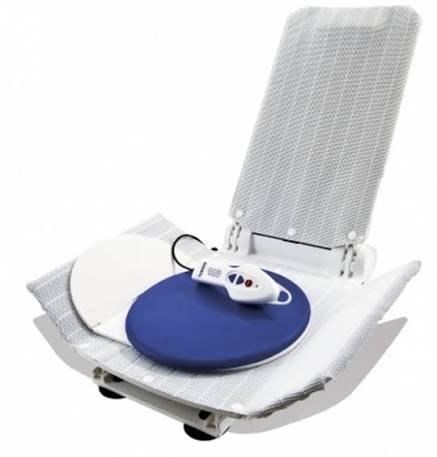
A bath lift can be useful when the bathtub is still the preferred bathing method. It supports the user as they lower into the tub and rise again. Some powered models use a hand control to move the seat.
The main benefit is not extra luxury. It is reducing the physical effort needed to get down into a bath and back out.
Ease of Use
A bath lift may help seniors who find bending, lowering, or rising difficult. However, the user still needs to transfer into the bath safely.
The controls should be simple and easy to hold. The lift also needs to fit the bathtub correctly. Some bath lifts require the user or caregiver to manage the equipment, including charging or removing parts.
A bathing assessment may be useful when movement or balance is a concern. NHS guidance notes that home assessments can help identify equipment such as bath lifts and other bathroom adaptations.
Key Strengths
- Helps with lowering into a bath.
- Helps with rising from the bath.
- Allows continued use of a bathtub.
- Can reduce the need to lower the body directly to the tub floor.
- Powered models can reduce some physical effort.
Potential Drawbacks
- More complex than a basic shower chair.
- Requires a suitable bathtub.
- Some models need charging or battery care.
- Takes up more space.
- Safe transfer into the bath is still important.
Shower Chair Review for Senior Showering
A shower chair is a simpler option for people who prefer showers. Instead of standing for the whole shower, the user can sit while washing.
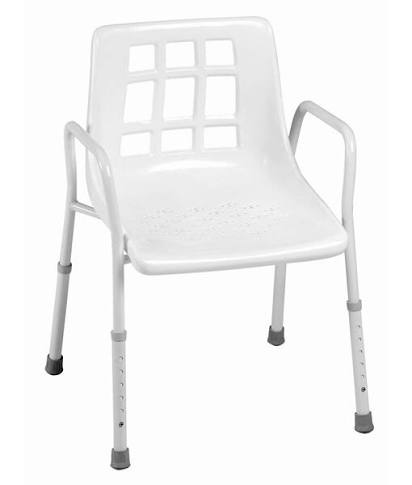
Many shower chairs have adjustable legs and slip-resistant feet. Some also have backrests and arms. The exact design varies by model. For example, Medline lists shower chairs with adjustable height and models with back support.
Ease of Use
A shower chair usually has a shorter learning curve than a powered bath lift. There are no powered controls on a basic model.
The main setup task is adjusting the chair to a suitable height and placing it on a stable surface. The chair should fit the shower area without blocking movement.
For someone who has trouble standing for long periods, sitting during a shower can make the task less tiring.
Key Strengths
- Simple to use.
- Usually easier to clean.
- Often easier to move or store.
- No battery is needed on a basic model.
- Useful for seated showering.
- Adjustable models can provide a better fit.
Potential Drawbacks
- Does not solve the problem of getting into a bathtub.
- Some shower spaces may be too small.
- The user still needs a safe way to enter the shower.
- A basic stool may provide less support than a chair with a back and arms.
Which Is Easier for Seniors to Use?
For many users, a shower chair is simpler. It normally requires less setup and has fewer moving parts.
A bath lift can be easier for a person who specifically wants to use a bathtub but has trouble lowering into it or getting back up. The trade-off is that the transfer into the bath still needs to be safe.
The easier product is usually the one that matches the bathroom the person already uses.
A healthcare or occupational therapy assessment can be useful when there are major balance, transfer, or mobility concerns. Guidance from the NHS also stresses safe support when getting in and out of a bath or shower.
Performance Comparison
The performance of these products should be judged by the job they are meant to do.
| Performance Area | Bath Lift | Shower Chair |
|---|---|---|
| Bath access | Strong | Poor |
| Seated showering | Limited | Strong |
| Lowering into bath | Strong | Not designed for it |
| Rising from bath | Strong | Not designed for it |
| Simple daily operation | Moderate | Strong |
| Portability | Moderate | Strong |
| Physical effort | Can reduce effort | Can reduce standing effort |
A bath lift is not really a replacement for a shower chair, and a shower chair is not a replacement for a bath lift. They support different bathing methods.
Comfort, Accessibility, and Senior-Friendly Design
Comfort depends on the user’s needs and the bathroom layout.
A bath lift can provide a supported seated position inside the bathtub. This may be helpful for someone who wants to soak in a bath but has difficulty lowering down.
A shower chair keeps the user above the shower floor. Some chairs have backs and arms for added support. The seat height can also matter. A chair that is too low or too high may make transfers harder.
NHS guidance recommends considering support for getting in and out of the bath or shower and keeping wet surfaces as safe as possible.
Features Comparison
The most useful features are not the same for both products.
| Feature | Bath Lift | Shower Chair |
|---|---|---|
| Height adjustment | Depends on model | Common on many models |
| Back support | Common | Common |
| Arms | Available on some models | Available on some models |
| Battery | Common on powered models | Usually not needed |
| Slip-resistant feet | Model dependent | Common |
| Folding | Model dependent | Available on some models |
For either product, check the exact model before buying. Weight limits, dimensions, controls, and adjustment ranges can vary.
Price, Maintenance, and Long-Term Value
A shower chair is usually the simpler product. A basic chair has fewer parts and normally does not need a battery or powered mechanism.
A bath lift can cost more because it is a more complex piece of equipment. Some models use powered movement and rechargeable controls.
Long-term value depends on how often the equipment will be used. Paying more for a bath lift may make sense when continuing to use a bathtub is important. A simpler shower chair may offer better practical value when the main need is seated showering.
Do not compare price alone. Check the product’s size, weight capacity, cleaning needs, replacement parts, battery requirements, and warranty.
Who Should Choose a Bath Lift?
- Choose a bath lift if you want to keep using a bathtub.
- Choose one if lowering into the bath is difficult.
- Choose one if rising from the bath is the main challenge.
- Choose one if a powered lift could reduce physical effort.
- Consider a professional assessment if getting into the bath is difficult or unsafe.
Who Should Choose a Shower Chair?
- Choose a shower chair if you mainly use a shower.
- Choose one if standing during a shower is tiring.
- Choose one if you want a simple bathing aid.
- Choose one if easy cleaning and storage matter.
- Choose one if you do not need a product that lowers you into a bathtub.
Bath Lift vs Shower Chair — Final Verdict
There is no single winner for every senior.
A bath lift is the more relevant choice when the main goal is safer, easier access to a bathtub. It can help reduce the effort involved in lowering into and rising from the tub.
A shower chair is the more practical choice when the person already uses a shower and mainly needs a stable place to sit.
Best for bathtub access: Bath Lift
Best for seated showering: Shower Chair
Best for simple setup: Shower Chair
Best for reducing bath transfer effort: Bath Lift
Scoring Summary
Because these are different product categories rather than two specific models, fixed 10-point scores would create false precision. A specific bath lift and a specific shower chair can also differ greatly.
| Category | Bath Lift | Shower Chair |
|---|---|---|
| Bath access | Strong | Not designed for this |
| Shower use | Limited | Strong |
| Simplicity | Moderate | Strong |
| Transfer support | Strong | Moderate |
| Portability | Moderate | Strong |
| Long-term practicality | Depends on bath use | Depends on shower use |
How We Evaluate Products
This comparison focuses on practical factors that matter during everyday bathing.
We consider:
- Ease of use
- Physical effort
- Transfer needs
- Comfort
- Setup
- Cleaning
- Storage
- Safety
- Maintenance
- Long-term practicality
The comparison does not assume hands-on testing. Product specifications can vary by model, so buyers should check the exact product before making a decision.
Senior-Specific Buying Considerations
Physical Effort
Think about the movement required before, during, and after bathing. Getting over a bathtub wall can be very different from sitting down in a shower.
Setup
Check the bathroom space first. A product that does not fit correctly will not be useful, even if its features look good.
Controls
For a powered bath lift, make sure the controls are easy to understand and hold.
Maintenance
Check how the product must be cleaned. Powered equipment may also need battery care.
Safety
Look at the transfer into and out of the bath or shower. Wet surfaces can increase fall risk. NHS guidance recommends keeping floors safe and considering suitable bathing equipment when mobility or balance is limited.
Common Buying Mistakes
- Choosing a bath lift when the person mainly needs a shower seat.
- Choosing a shower chair without checking the shower space.
- Ignoring seat height.
- Forgetting to check the user’s weight and the product’s weight capacity.
- Focusing only on price.
- Buying before checking how the person will transfer into the bath or shower.
Safety
A bathing aid can support safer bathing, but it does not remove every transfer risk.
Never assume that a bath lift or shower chair makes an unsafe transfer safe. If a person has major balance or mobility problems, getting professional advice before choosing equipment can be important.
Caregivers should also avoid unsafe lifting. NHS guidance notes that incorrect lifting can injure both the caregiver and the person receiving help.
For someone who is unsure whether a bath or shower setup is suitable, an occupational therapist or other appropriate professional can help assess the bathroom and the person’s needs.
Conclusion
The main difference between a bath lift and a shower chair is simple: a bath lift helps with bathtub access, while a shower chair supports seated showering.
Choose a bath lift when keeping the bathtub is important and lowering or rising is the main challenge. Choose a shower chair when the person uses a shower and needs a simple way to sit while bathing. The best choice is the one that fits both the bathroom and the user’s actual movement needs.
