
CPAP vs APAP for Seniors: What’s the Difference?

Audiobook Player

Lightweight Vacuum Cleaner

Rollator Walker with Seat
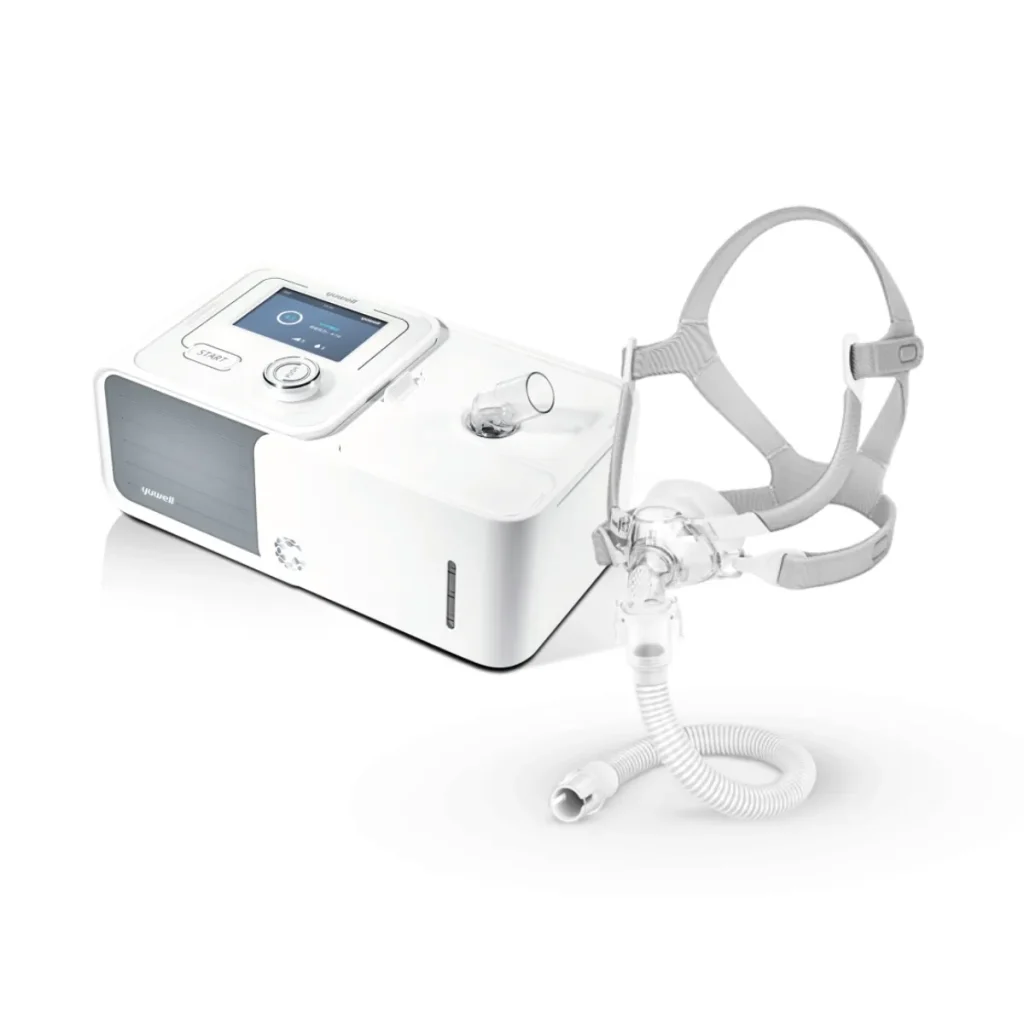
CPAP vs APAP can be confusing when you are choosing a sleep apnea machine. Both use positive airway pressure to help keep the airway open during sleep, but they deliver pressure in different ways.
For older adults, the key question is not simply which machine is newer. It is which pressure style fits the prescribed treatment, daily routine, comfort needs, and ability to manage the equipment. A healthcare professional should help determine the right therapy and settings.
Quick Comparison
CPAP uses one set pressure through the night. APAP changes the pressure automatically as breathing needs change.
There is no universal winner for seniors. CPAP may suit someone who wants a simple, steady pressure. APAP may suit someone whose pressure needs vary during sleep or who needs a more flexible approach. The American Academy of Sleep Medicine says both CPAP and APAP can be offered for obstructive sleep apnea, and some people may respond better to one type.
CPAP vs APAP At a Glance
Here is the main difference before we look at each option in more detail.
| Feature | CPAP | APAP |
|---|---|---|
| Pressure | Fixed pressure | Auto-adjusting pressure |
| Main benefit | Simple and steady | Flexible pressure response |
| Pressure changes at night | No | Yes |
| Setup | Straightforward once prescribed | Requires an appropriate pressure range |
| Senior usability | Simple to understand | More automatic |
| Comfort | Can feel predictable | May reduce pressure when less is needed |
| Maintenance | Mask, tube, device care | Similar basic maintenance |
| Best fit | Users who prefer consistency | Users who may need changing pressure |
Both types generally use a machine, mask, tubing, and sometimes a humidifier.
CPAP Review: A Simple Option for Seniors
CPAP is the traditional fixed-pressure approach. The machine delivers one pressure level during sleep to help keep the airway open.
Ease of Use
CPAP has one clear advantage: the pressure does not keep changing. Once the correct setting has been prescribed, the therapy is easy to understand.
That simplicity may appeal to seniors who prefer fewer automatic changes. It can also make the basic idea easier for a caregiver to explain.
The mask still matters. A poor fit can cause leaks, dry mouth, skin irritation, or discomfort. Different mask styles may be needed to find a suitable fit.
Key Strengths
- Fixed pressure is easy to understand.
- Simple therapy concept.
- Predictable airflow through the night.
- Often a good fit for people who do well with one prescribed pressure.
- Easy for caregivers to understand and monitor.
Potential Drawbacks
- Pressure does not automatically adapt during the night.
- Some users may find constant pressure uncomfortable.
- Pressure settings may need review when treatment needs change.
- Mask fit and air leaks can still affect comfort.
APAP Review: Flexible Pressure for Seniors
APAP stands for auto-adjusting positive airway pressure. Instead of using one fixed pressure, the machine changes pressure during sleep based on breathing patterns and detected changes in the airway.
Ease of Use
APAP can reduce the need for the user to think about pressure changes during the night. The machine handles the adjustment automatically within its prescribed range.
That can be useful for someone whose pressure needs vary with sleep position or other changes during the night. APAP may also be considered when finding one fixed pressure is difficult.
Key Strengths
- Automatically adjusts pressure during sleep.
- Can respond to changing breathing needs.
- May feel more comfortable for some users.
- Can be useful when one fixed pressure is difficult to determine.
- Reduces the need for manual pressure changes during the night.
Potential Drawbacks
- The automatic feature can make the therapy seem less simple.
- It still requires a suitable prescription and pressure range.
- Automatic adjustment does not mean every user will tolerate it better.
- APAP is not appropriate for every sleep-related breathing condition.
Ease of Use for Seniors
For basic operation, CPAP has the simpler concept. You use the machine at the prescribed fixed pressure. APAP adds automatic pressure adjustment, which can make therapy more flexible but also adds another layer of technology.
For a senior with limited dexterity, neither machine type removes the need to manage the mask, tubing, cleaning, and setup. The actual machine controls also vary by model.
The easiest machine is often the one the user can operate comfortably and use consistently.
Mask fit deserves special attention. A well-fitted mask can reduce leaks and improve comfort, while the wrong size or style can create problems.
Performance Comparison
The biggest performance difference is how pressure is delivered.
| Performance Area | CPAP | APAP |
|---|---|---|
| Pressure delivery | Constant | Changes automatically |
| Response to airway changes | No automatic change | Automatic adjustment |
| Pressure consistency | High | Variable |
| Flexibility | Lower | Higher |
| OSA treatment | Effective | Effective |
The American Academy of Sleep Medicine notes that CPAP and APAP can work equally well for obstructive sleep apnea, although some patients may respond better to one type.
So APAP should not be viewed as automatically more effective simply because it is more adaptive. The right choice depends on the individual treatment plan.
Comfort, Accessibility, and Senior-Friendly Design
Comfort is highly personal. A senior who likes a steady sensation may prefer CPAP. Another person may prefer APAP because the pressure can change as breathing changes.
Neither option automatically solves mask discomfort. Mask style, size, leaks, dryness, and pressure tolerance can all affect the experience. Mayo Clinic notes that some people need to try different masks to find a comfortable and secure fit.
For seniors, check whether the machine controls are easy to see and use. Also consider hose placement, bedside space, humidifier access, and whether a caregiver may need to help with setup.
Features Comparison
The most useful difference is pressure control rather than a long list of extra features.
| Feature | CPAP | APAP |
|---|---|---|
| Fixed pressure | Yes | No |
| Auto pressure changes | No | Yes |
| Automatic response | Limited | Yes |
| Basic mask support | Yes | Yes |
| Humidifier support | Model dependent | Model dependent |
| Data and monitoring | Model dependent | Model dependent |
Features such as humidification, remote data access, ramp settings, and display controls depend on the specific machine model, not simply whether it is CPAP or APAP.
Price, Maintenance, and Long-Term Value
It is hard to call one option cheaper in every case because prices vary by model, supplier, insurance coverage, and location.
A basic fixed-pressure CPAP may offer simpler technology, while APAP models can include more advanced pressure-control features. That does not automatically make APAP better value.
Maintenance is broadly similar because both systems use many of the same basic parts, including a mask, tubing, and machine.
When comparing long-term value, look beyond the machine price. Consider replacement masks, tubing, filters, humidifier parts, service support, and the cost of keeping the therapy comfortable.
Who Should Choose CPAP?
- Choose CPAP if you prefer one steady pressure.
- Choose CPAP if simple therapy is important to you.
- Choose CPAP if your prescribed treatment works well at a fixed pressure.
- Choose CPAP if you do not need automatic pressure changes.
- Choose CPAP if a caregiver prefers a simple system to understand.
Who Should Choose APAP?
- Choose APAP if your prescribed therapy calls for automatic pressure adjustment.
- Choose APAP if pressure needs may vary during sleep.
- Choose APAP if a fixed pressure is difficult to identify.
- Choose APAP if automatic changes may improve comfort for you.
- Choose APAP when your healthcare professional recommends an auto-adjusting approach.
CPAP vs APAP — Final Verdict
Best for simplicity: CPAP
Best for automatic pressure adjustment: APAP
Best for changing pressure needs: APAP
Best for predictable pressure: CPAP
Best overall for most seniors: There is no single choice that fits everyone. The American Academy of Sleep Medicine recommends discussing both CPAP and APAP as treatment options for obstructive sleep apnea, with the choice based on the individual situation.
The biggest difference is simple: CPAP stays at one pressure, while APAP changes pressure automatically during sleep.
Scoring Summary
These scores are feature-fit scores, not medical ratings. They describe how each therapy type fits a specific use case.
| Category | CPAP | APAP |
|---|---|---|
| Simplicity | 9/10 | 8/10 |
| Fixed-pressure consistency | 10/10 | 6/10 |
| Automatic adjustment | 2/10 | 10/10 |
| Pressure flexibility | 5/10 | 9/10 |
| Ease of explaining to a caregiver | 9/10 | 8/10 |
The scores should not replace clinical advice or a prescribed treatment plan.
How We Evaluate Products
For this comparison, the focus is on practical factors that can matter to seniors: simplicity, comfort, accessibility, pressure delivery, maintenance, safety, and long-term practicality.
This is not a hands-on test. No laboratory testing or personal product experience is claimed.
The comparison also gives greater weight to established medical guidance than to marketing claims.
Senior-Specific Buying Considerations
Physical Effort
Check how easy it is to put on the mask, connect the tubing, fill a humidifier if used, and handle the machine.
Controls
Look for controls and displays that are easy to understand. Large, clear controls can help users who have difficulty with small buttons or complex menus.
Maintenance
Cleaning and replacing parts should be manageable. Ask whether a caregiver will need to help with regular care.
Storage
Make sure there is enough bedside space for the machine, tubing, mask, and accessories.
Setup
Do not assume that APAP can simply be turned on and used without professional guidance. Pressure settings should be determined as part of appropriate medical care.
Safety
Do not change pressure settings on your own unless your healthcare professional has instructed you to do so. Seek professional advice if therapy becomes uncomfortable, symptoms continue, or the treatment does not seem to be working as expected.
Common Buying Mistakes
- Choosing APAP only because it sounds more advanced.
- Choosing CPAP only because it sounds simpler.
- Ignoring mask fit.
- Comparing machine prices without checking replacement costs.
- Assuming all CPAP or APAP machines have the same features.
- Changing pressure settings without professional guidance.
Safety
CPAP and APAP are medical therapies, so the machine type and settings should match the individual’s diagnosis and treatment plan.
APAP is not suitable for every breathing disorder. The AASM has noted important situations where auto-adjusting treatment may not be appropriate, including some patients with central sleep apnea or certain serious breathing or cardiac conditions.
For that reason, seniors with other significant health conditions should discuss the choice with their healthcare professional instead of selecting an APAP or CPAP mode based only on convenience.
Conclusion
CPAP and APAP both deliver positive airway pressure, but they take different approaches. CPAP keeps the pressure steady, while APAP changes it automatically as breathing changes during sleep.
For seniors, the better fit depends on treatment needs, comfort, simplicity, and the ability to manage the equipment. A fixed-pressure CPAP can make sense for someone who values predictability, while APAP can be useful when automatic adjustment is part of the treatment plan. The right choice is the one that fits the user’s medical needs and can be used comfortably and consistently.