
Senior Living Communities Spartanburg Sc


Tablet for Seniors

Bedside Commode Chair

Bathroom Grab Bar Set
Senior living communities in Spartanburg, SC offer a vibrant blend of independence, support, and wellness-focused lifestyles tailored for older adults. From upscale apartments to comprehensive memory care programs, these communities provide everything from chef-prepared meals to fitness centers and social activities. Whether you’re considering independent living, assisted living, or specialized memory care, Spartanburg’s senior housing options are designed to enhance quality of life. With access to healthcare, transportation, and intergenerational engagement, residents enjoy peace of mind knowing their needs are met—both today and as they evolve.
Welcome to Spartanburg, South Carolina—a city where Southern charm meets modern convenience, and where senior living communities are redefining what it means to age well. Nestled between the rolling foothills of the Blue Ridge Mountains and the bustling energy of upstate South Carolina, Spartanburg has become a sought-after destination for retirees seeking both comfort and community. Unlike larger metropolitan areas, Spartanburg strikes a perfect balance: close enough to major cities like Greenville and Charlotte for cultural and medical access, yet small-town enough to feel safe, welcoming, and genuinely connected.
For families navigating the complex decision of finding the right place for their aging loved ones, understanding the landscape of senior living communities in Spartanburg, SC is essential. These aren’t just places to live—they’re ecosystems built around health, happiness, and holistic well-being. From gourmet dining to daily fitness classes, from memory care specialists to intergenerational programs, Spartanburg’s senior housing options reflect a deep commitment to dignity, independence, and joy at every stage of life.
In this guide, we’ll walk you through everything you need to know about choosing—or evaluating—a senior living community in Spartanburg. Whether you’re exploring options now or preparing for future needs, our goal is to equip you with clear insights, practical tips, and real-world examples so you can make informed decisions with confidence.
—
Key Takeaways
- Variety of Care Levels: Spartanburg offers independent living, assisted living, memory care, and skilled nursing options to match changing needs over time.
- Lifestyle Amenities: Many communities feature pools, fitness centers, dining venues, gardens, and activity programming that encourage socialization and wellness.
- Affordable Options Exist: While some luxury communities charge premium rates, affordable senior housing and financial assistance programs make quality care accessible.
- Location Benefits: Situated near Greenville and Charlotte, Spartanburg provides easy access to major medical centers, cultural events, and shopping districts.
- Family Involvement: Most communities welcome family participation through volunteer opportunities, educational workshops, and holiday celebrations.
- Transportation Services: On-site or partnered transportation helps residents attend appointments, shop, and explore local attractions safely.
- Pet-Friendly Policies: Many communities allow pets, recognizing the emotional and mental health benefits of companion animals.
📑 Table of Contents
- Types of Senior Living Communities in Spartanburg, SC
- Top-Rated Senior Living Communities in Spartanburg, SC
- Cost Considerations for Senior Living in Spartanburg, SC
- How to Choose the Right Community
- Lifestyle and Wellness Features That Matter
- Family Involvement and Support
- Conclusion: Finding Your Perfect Fit
Types of Senior Living Communities in Spartanburg, SC
Not all senior living communities serve the same purpose. In fact, Spartanburg offers several distinct models designed to meet different levels of need and lifestyle preferences. Understanding these categories will help you narrow down your search and find the best fit for your or your loved one’s current situation—and long-term goals.
Independent Living Communities
Independent living communities are ideal for active seniors who no longer require hands-on assistance but still value convenience, safety, and social engagement. Residents typically live in private apartments or cottages and have access to shared amenities such as clubhouses, libraries, walking trails, and organized events. Meals are often served in elegant dining rooms or casual bistros, eliminating kitchen responsibilities.
One of the biggest advantages of independent living in Spartanburg is the sense of freedom it provides. No more mowing lawns, fixing leaky faucets, or worrying about home maintenance. Instead, residents focus on hobbies, friendships, and personal growth. Many communities also offer optional add-on services like housekeeping, laundry, or transportation—so you can customize your experience based on how much support you want.
For example, consider someone who recently retired after decades of working full-time. They may love gardening but struggle with physical tasks like hauling soil or pruning trees. An independent living community with a greenhouse and outdoor workshop allows them to nurture plants without strain—while still enjoying autonomy.
Assisted Living Facilities
When daily activities like bathing, dressing, meal preparation, or medication management become challenging, assisted living becomes a valuable option. These communities provide personalized care in a homelike setting, staffed 24/7 by trained professionals. Unlike hospitals or nursing homes, assisted living emphasizes dignity, privacy, and person-centered support.
In Spartanburg, many assisted living facilities offer studio, one-bedroom, and two-bedroom units, allowing couples or friends to remain together if desired. Staff members assist with ADLs (activities of daily living) while respecting individual routines and preferences. Additionally, most communities include memory care wings specifically designed for residents experiencing early-stage dementia or Alzheimer’s disease.
What sets Spartanburg’s assisted living apart is the emphasis on local culture. Many facilities incorporate Lowcountry-inspired décor, host regional music nights featuring bluegrass bands, and organize trips to historic downtown Spartanburg or nearby Cherokee Falls Park. This creates a true sense of belonging rather than simply relocating to an institution.
Memory Care Units
For families facing cognitive decline, memory care units offer specialized environments with secure layouts, sensory stimulation therapy, and staff trained in dementia care techniques. These units are usually attached to assisted living campuses but operate under stricter protocols to ensure safety and reduce confusion.
In Spartanburg, memory care programs often use “life story mapping”—a technique where each resident’s personal history is displayed in their room, including photos, favorite foods, past occupations, and meaningful mementos. This helps orient them during moments of disorientation and fosters deeper connections with caregivers.
Another innovative approach includes structured reminiscence activities, such as listening to vinyl records from their youth or baking recipes from their childhood country of origin. Such touches make a profound difference in emotional well-being and quality of life.
Continuing Care Retirement Communities (CCRCs)
If you’re looking for long-term security, continuing care retirement communities (CCRCs) might be worth exploring. These comprehensive campuses allow residents to age in place by offering tiered levels of care—from independent living all the way up to skilled nursing—under one roof or campus.
While CCRCs require higher upfront fees or entrance payments, they eliminate the stress of relocating multiple times as health needs change. In Spartanburg, some CCRCs even partner with nearby hospitals for seamless transitions during acute illnesses or surgeries.
It’s important to note that not all CCRCs are created equal. When researching options, ask about contract terms, refund policies, and whether the facility has sufficient licensed beds for future needs. Consulting with a financial advisor familiar with eldercare planning can also help clarify costs versus benefits.
—
Top-Rated Senior Living Communities in Spartanburg, SC

Visual guide about Senior Living Communities Spartanburg Sc
Image source: phygene.com
With dozens of options available, narrowing down your choices can feel overwhelming. To help, here’s a curated list of highly regarded senior living communities in Spartanburg known for their quality care, resident satisfaction, and exceptional amenities.
The Laurels at Hillcrest
Located just minutes from Spartanburg Regional Medical Center, The Laurels at Hillcrest stands out for its award-winning design and focus on wellness. The community features spacious villas, a heated indoor pool, a state-of-the-art fitness center, and an on-site therapy gym. Their signature program, “Wellness Wednesdays,” includes nutrition seminars, chair yoga, and blood pressure screenings.
Residents praise the culinary team for rotating menus featuring fresh, locally sourced ingredients—including seasonal vegetables from their own garden plots. Social programming runs the gamut from book clubs and bridge tournaments to weekly movie nights and outings to the Zoo Knoxville.
One family shared how their mother moved in after her husband passed away; she initially felt lonely but soon bonded with other widows over coffee hour. Today, she volunteers as a “memory buddy” for new residents, helping them settle in and feel at home.
Brookdale Forest Oaks
Brookdale Forest Oaks combines upscale living with robust clinical support. This community offers both independent living and assisted living suites, plus a dedicated memory care neighborhood called “The Preserve.” What makes Brookdale unique is its integration of technology into daily life—think tablet-based scheduling, virtual reality experiences, and telehealth visits with physicians.
Their wellness model includes biometric screenings every quarter, personalized exercise plans, and partnerships with dietitians to manage chronic conditions like diabetes or hypertension. Transportation is provided for grocery runs, pharmacy pickups, and medical appointments.
Families appreciate Brookdale’s transparent communication style. Weekly email updates detail upcoming events, menu previews, and staff spotlights. There’s also an open-door policy where relatives are always welcome to drop by unannounced.
Trinity Grove Senior Living
Trinity Grove is a newer development that quickly gained popularity thanks to its inclusive atmosphere and faith-based values. Though not affiliated with any specific denomination, the community respects spiritual beliefs and offers optional chapel services, meditation gardens, and intergenerational outreach programs.
Accommodations range from studio apartments to two-bedroom lofts with kitchenettes. Common spaces include a café-style dining hall, arts & crafts studio, woodworking shop, and even a pet grooming station. Residents often report feeling younger than their years—thanks in part to regular dance parties and karaoke nights.
One resident, a retired schoolteacher, started a weekly storytelling circle where she reads aloud from classic literature. Children from a nearby elementary school visit monthly to listen, creating beautiful cross-generational bonds.
Arbor Terrace at Fairforest
Situated near I-85 for easy travel, Arbor Terrace at Fairforest focuses on creating a village-like environment. The campus includes multiple cottage-style buildings connected by landscaped pathways, giving the impression of a tight-knit neighborhood rather than a large facility.
Their signature initiative is “Purposeful Engagement,” which matches residents with meaningful volunteer roles—whether tutoring students, mentoring young entrepreneurs, or assisting at local food banks. This not only combats loneliness but also reinforces self-worth and purpose.
Medical oversight is handled by a visiting nurse practitioner who conducts bi-weekly wellness checks. Emergency response systems are installed throughout the property, including bathroom call buttons and wearable alert devices.
Families particularly value Arbor Terrace’s pet-friendly policy. Dogs and cats are welcome indoors and outdoors, and the community even hosts annual pet costume contests and adoption drives.
—
Cost Considerations for Senior Living in Spartanburg, SC
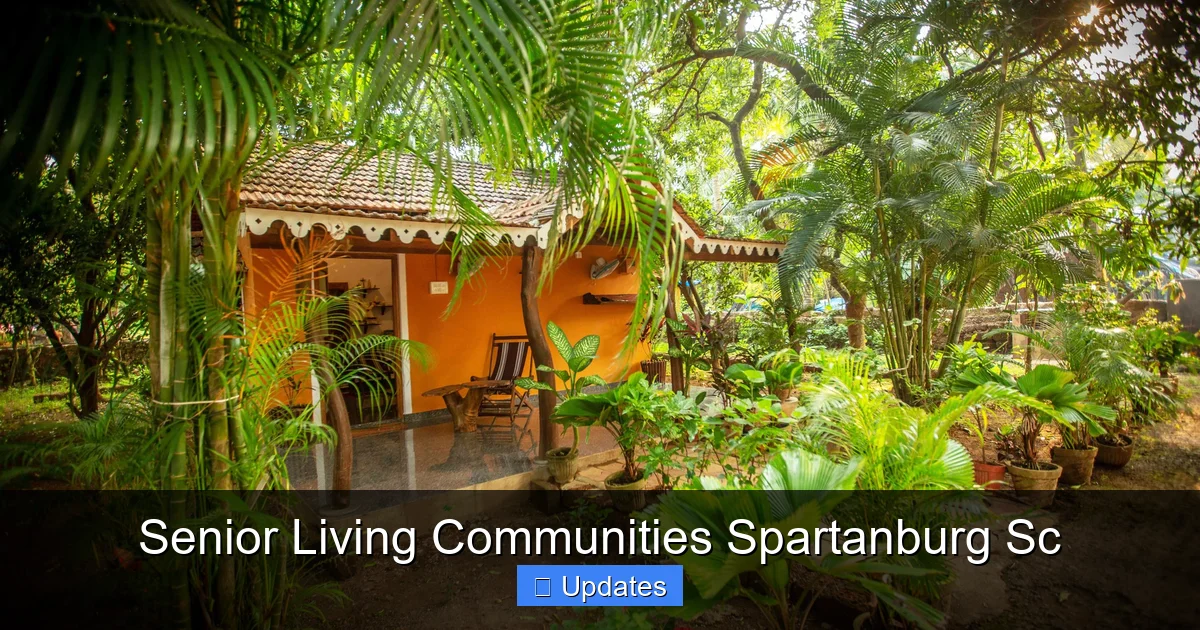
Visual guide about Senior Living Communities Spartanburg Sc
Image source: a0.muscache.com
One of the most common concerns among families is affordability. Fortunately, Spartanburg offers a range of pricing tiers to suit various budgets—though costs do vary significantly depending on location, amenities, and level of care required.
Average Monthly Rates
As of 2024, the average monthly cost for independent living in Spartanburg ranges from $2,500 to $4,200. Assisted living typically runs between $4,000 and $6,500, while memory care averages $6,000 to $8,500 due to enhanced staffing ratios and specialized programming.
These figures don’t include additional fees like move-in deposits, activity charges, or à la carte services (e.g., extra housekeeping or transportation). Always request a detailed pricing worksheet before touring any community.
Financial Assistance Options
For those concerned about covering expenses, several avenues exist:
- Long-Term Care Insurance: If your loved one purchased LTC insurance years ago, it may cover part or all of assisted living or memory care costs.
- Veterans Benefits: Eligible veterans and surviving spouses may qualify for Aid and Attendance benefits through the Department of Veterans Affairs.
- SC Medicaid Waivers: South Carolina offers Home and Community-Based Services waivers that can offset assisted living expenses for qualifying low-income seniors.
- Reverse Mortgages: Homeowners aged 62+ may tap into equity via reverse mortgages to fund senior living transitions.
Pro tip: Contact a certified elder law attorney or financial planner specializing in senior housing. They can help navigate complex regulations and maximize available resources without sacrificing quality of care.
Hidden Costs to Watch For
Be aware of potential hidden expenses:
- Entrance Fees: Some CCRCs or premium communities charge non-refundable entrance fees ranging from $50,000 to over $100,000.
- Utilities & Internet: Not all communities include utilities or high-speed internet in base rent—confirm what’s covered beforehand.
- Parking Fees: Certain properties levy monthly parking charges, especially if garages are limited.
- Specialized Diets: While most offer standard menus, custom dietary requests (gluten-free, diabetic-friendly, etc.) may incur surcharges.
To avoid surprises, insist on receiving a written summary of all mandatory and optional fees during your initial consultation.
—
How to Choose the Right Community

Visual guide about Senior Living Communities Spartanburg Sc
Image source: tommysugo.com.au
Making this decision isn’t something to rush. It deserves careful thought, research, and—most importantly—involving your loved one in the process whenever possible.
Start with a Needs Assessment
Begin by evaluating current and anticipated health status, mobility limitations, cognitive function, social preferences, and financial capacity. Are there specific medical conditions requiring monitoring? Does your parent hate crowds but loves dancing? Knowing these details helps identify must-have features versus nice-to-haves.
Consider using a checklist like this:
- Is wheelchair accessibility critical?
- Does the person need help taking medications?
- Are pets currently part of the family?
- How important is proximity to grandchildren or friends?
- Would they prefer a quiet environment or lively social scene?
Remember: even if your loved one appears healthy today, their needs may shift within months. Opting for a slightly more supportive environment early on can prevent stressful relocations later.
Tour Multiple Communities
Never rely solely on brochures or website photos. Schedule in-person tours during different times of day—say, breakfast, lunch, and evening—to observe operations firsthand. Pay attention to cleanliness, noise levels, staff-resident interactions, and overall ambiance.
Ask pointed questions like:
- “What happens if my loved one falls at night?”
- “Can we bring our dog? Are there weight or breed restrictions?”
- “How often do you update emergency evacuation plans?”
- “Do you allow outside furniture or decorations?”
Also request to speak privately with current residents or their families. Hearing authentic stories builds trust and reveals truths that marketing materials often omit.
Evaluate Staff Qualifications and Turnover
High staff turnover signals underlying issues—burnout, poor management, or inadequate training. Ask about average tenure, certification requirements, and ongoing education programs. Ideally, look for communities where CNAs (certified nursing assistants) receive regular skill refreshers and emotional support training.
Observe how employees respond to residents’ needs. Do they greet everyone by name? Offer assistance proactively? Show patience when explaining things repeatedly?
A helpful metric is the census ratio—the number of residents per caregiver. Lower ratios generally mean more personalized attention, especially crucial in memory care units.
Check Licensing and Violations
All senior living communities in South Carolina must be licensed by the Department of Health and Environmental Control (DHEC). Visit scdh.org to search for inspection reports, violation histories, and complaint resolutions. Red flags include repeated citations for improper medication administration or failure to report incidents.
You can also contact the Long-Term Care Ombudsman Program, which advocates for residents’ rights and investigates grievances on their behalf.
—
Lifestyle and Wellness Features That Matter
Beyond basic care, the best senior living communities go above and beyond to nurture physical, mental, and emotional health.
On-Site Fitness and Therapy Programs
Look for facilities offering more than just treadmills and resistance bands. Innovative programs include aquatic therapy pools, tai chi classes, balance training, and even animal-assisted therapy with certified therapy dogs.
Some communities partner with physical therapists to create customized rehab plans post-surgery or injury. Others integrate wearable tech like smartwatches that track sleep patterns, step counts, and heart rate variability—sharing data with healthcare providers to catch potential issues early.
Culinary Experiences
Gone are the days of bland institutional meals. Top-tier communities employ executive chefs who design menus inspired by global cuisines, seasonal produce, and dietary traditions. Think Mediterranean spreads, Asian stir-fries, or Southern comfort food with a gourmet twist.
Many also offer cooking demonstrations, wine tastings, and themed dinner nights—like “Around the World in One Night,” where each course represents a different continent.
Dietary accommodations are standard: low-sodium, diabetic-friendly, vegetarian, vegan, gluten-free, halal, kosher—you name it. Communicate special needs ahead of time so kitchens can prepare accordingly.
Social Programming and Lifelong Learning
Engagement is key to preventing isolation and depression. Expect lively calendars filled with bingo, trivia, art workshops, musical performances, gardening clubs, and even trivia nights hosted by local colleges.
Intergenerational initiatives are increasingly popular. For instance, one Spartanburg community partners with Upstate Christian Academy to host pen pal exchanges, science fairs, and shared holiday celebrations. Another invites retiree engineers to mentor STEM students—creating mutual enrichment.
Educational opportunities extend to lifelong learning too. Lecture series cover topics from financial literacy to climate change, led by experts from nearby universities or industry professionals.
Safety and Security Measures
Peace of mind starts with security. Modern communities use electronic keycard entry, surveillance cameras (with privacy protections), and motion sensors in hallways. Bathrooms often feature grab bars, anti-slip flooring, and ceiling-mounted lift systems for emergencies.
Emergency response pendants are nearly universal now. Simply pressing a button connects residents directly to nurses or security personnel—no shouting required.
Outdoor spaces should be well-lit, free of tripping hazards, and equipped with benches every 50 feet for rest. Fenced courtyards with soft-surface flooring are ideal for mobility-impaired individuals.
—
Family Involvement and Support
A common misconception is that moving into a senior living community means losing touch with family. In reality, many facilities actively encourage participation and provide tools to stay connected.
Volunteer Opportunities
Whether reading to residents, organizing charity drives, or teaching guitar lessons, volunteering strengthens bonds and gives families a sense of purpose. Some communities even offer “grandparent passes” allowing kids to visit during school breaks or weekends.
Communication Tools
Digital platforms streamline updates. Expect apps or portals where families view calendars, photos from events, dietary menus, and even submit maintenance requests. Video calling stations inside common areas make FaceTime with grandkids effortless.
Holiday and Milestone Celebrations
From Thanksgiving feasts to Fourth of July fireworks displays, major holidays are celebrated with gusto. Birthdays, anniversaries, and religious observances are honored respectfully. Families are invited to contribute dishes, decorations, or entertainment.
One heartwarming tradition at a Spartanburg community involves assembling care packages for deployed service members—a project that brings generations together while fostering gratitude and patriotism.
Counseling and Grief Support
Transitioning to senior living can trigger grief, anxiety, or resistance—even among willing participants. Reputable communities offer counseling services, support groups, and milestone reflection sessions to help residents and families navigate emotions constructively.
—
Conclusion: Finding Your Perfect Fit
Choosing a senior living community in Spartanburg, SC isn’t just about selecting a place to live—it’s about investing in a lifestyle rooted in connection, care, and continuous growth. With thoughtful planning, honest conversations, and patience, you can find an environment where your loved one thrives physically, emotionally, and spiritually.
Take your time. Tour multiple sites. Talk to residents. Trust your instincts. And remember: the goal isn’t perfection—it’s progress. Every small step toward better care, stronger relationships, and greater joy is worth celebrating.
Spartanburg’s senior living landscape continues to evolve, embracing innovation while honoring tradition. As new communities emerge and existing ones expand their offerings, one thing remains constant: the desire for dignity, respect, and belonging at every stage of life.
Whether you’re drawn to the coastal breezes of nearby Greenville, the historic charm of downtown Spartanburg, or the peaceful woods of Cherokee County, know that quality senior care awaits—just steps away from home.
For more insights into evaluating senior living options nationwide, check out our guides on financial stability assessments or intergenerational programs. And if you’re exploring alternatives in neighboring states, don’t miss our coverage of Greenville, SC options or Virginia’s active adult communities.
Your journey matters. Start today—and rest easy knowing your loved one is in capable, caring hands.
—
Frequently Asked Questions
What types of senior housing are available in Spartanburg, SC?
Options include independent living, assisted living, memory care, and continuing care retirement communities (CCRCs). Each caters to different levels of support needs while promoting active, engaged lifestyles. Spartanburg’s communities emphasize safety, social connection, and personalized care.
How much does senior living typically cost in Spartanburg?
Average monthly rates range from $2,500–$4,200 for independent living, $4,000–$6,500 for assisted living, and $6,000–$8,500 for memory care. Costs vary based on amenities, location, and included services. Always request a detailed pricing worksheet to understand all fees.
Are pets allowed in Spartanburg senior communities?
Yes—many communities welcome dogs and cats, sometimes with size or breed restrictions. Look for pet-friendly policies, designated outdoor areas, and even grooming stations. Pets enhance emotional well-being and combat loneliness.
What should I look for when touring a senior living community?
Observe cleanliness, staff-resident interactions, noise levels, and emergency procedures. Ask about staffing ratios, medical oversight, dietary accommodations, and how they handle falls or behavioral changes. Speaking privately with current residents provides invaluable insights.
Can families volunteer at Spartanburg senior living communities?
Absolutely. Volunteer opportunities include reading programs, event coordination, intergenerational mentoring, and administrative support. Many communities also host family workshops and holiday celebrations open to all.
How do I know if my loved one qualifies for financial aid?
Eligibility depends on income, assets, medical needs, and veteran status. Options include Medicaid waivers, VA benefits, long-term care insurance, and reverse mortgages. Consult an elder law attorney or financial planner for personalized guidance.
