
Top-rated Senior Living Communities with Active Intergenerational Programs


Motion Sensor Night Lights

Voice Assistant Smart Speaker

Reacher Grabber Tool
Top-rated senior living communities with active intergenerational programs are redefining aging by blending comfort, care, and meaningful connections across generations. These communities offer seniors engaging activities while enriching young lives through shared experiences like tutoring, storytelling, and arts. Benefits include improved mental health, stronger social ties, and a renewed sense of purpose.
Key Takeaways
- Intergenerational programs reduce loneliness: Seniors benefit from regular interaction with children and teens, which combats isolation and boosts emotional well-being.
- Communities integrate age-friendly design: Top-rated facilities feature accessible layouts, sensory gardens, and communal spaces designed for multi-generational use.
- Programs are structured and impactful: From school partnerships to volunteer mentoring, these initiatives are thoughtfully planned and consistently evaluated.
- Family involvement increases resident satisfaction: When families participate in events, residents report higher happiness and stronger family bonds.
- These communities often receive national recognition: Many are certified by organizations like the Intergenerational Association or featured in AARP publications.
- Staff training focuses on relationship-building: Caregivers are trained not just in medical support but in facilitating cross-age interactions.
- Technology bridges the gap: Virtual story hours, digital art projects, and video calls help maintain connections even when in-person visits are limited.
📑 Table of Contents
- Why Intergenerational Programs Matter in Senior Living
- What Makes a Senior Community Truly Intergenerational?
- Benefits That Go Beyond Socializing
- Real-Life Examples of Thriving Intergenerational Communities
- Tips for Families Choosing the Right Community
- Overcoming Common Challenges
- The Future of Intergenerational Living
- Conclusion: More Than a Place to Live
Why Intergenerational Programs Matter in Senior Living
Imagine a warm afternoon where an 85-year-old woman shares stories about her childhood farm with a group of third graders. Across the room, a retired teacher helps a high school student with math homework. In the garden, a teenager plants flowers alongside a resident who taught gardening for decades. This isn’t a scene from a movie—it’s a daily reality in some of the top-rated senior living communities with active intergenerational programs.
As our population ages, the need for meaningful connection grows louder. Loneliness affects nearly one in three adults over 60, according to the CDC. Meanwhile, schools and youth centers face budget cuts and declining engagement. The solution? Blending these worlds through intentional, joyful programs that serve both seniors and younger generations.
These communities aren’t just offering activities—they’re building ecosystems of mutual support. Seniors gain purpose and cognitive stimulation. Children learn empathy, history, and life skills. Families strengthen bonds. And the entire neighborhood becomes more vibrant.
What Makes a Senior Community Truly Intergenerational?
Not all senior living communities with intergenerational programs are created equal. The best ones go beyond occasional visits or holiday events. They integrate intergenerational principles into their daily culture, operations, and design.
Visual guide about Top-rated Senior Living Communities with Active Intergenerational Programs
Image source: g5-assets-cld-res.cloudinary.com
1. Purpose-Built Shared Spaces
The most successful communities design spaces that naturally bring different ages together. Consider Parkwood Heights Senior Living Community, which features a central courtyard where residents sit under shaded pergolas while local schoolchildren play soccer nearby. The sound of laughter blends seamlessly with bird songs—a small detail that makes a big difference.
Other standout features include:
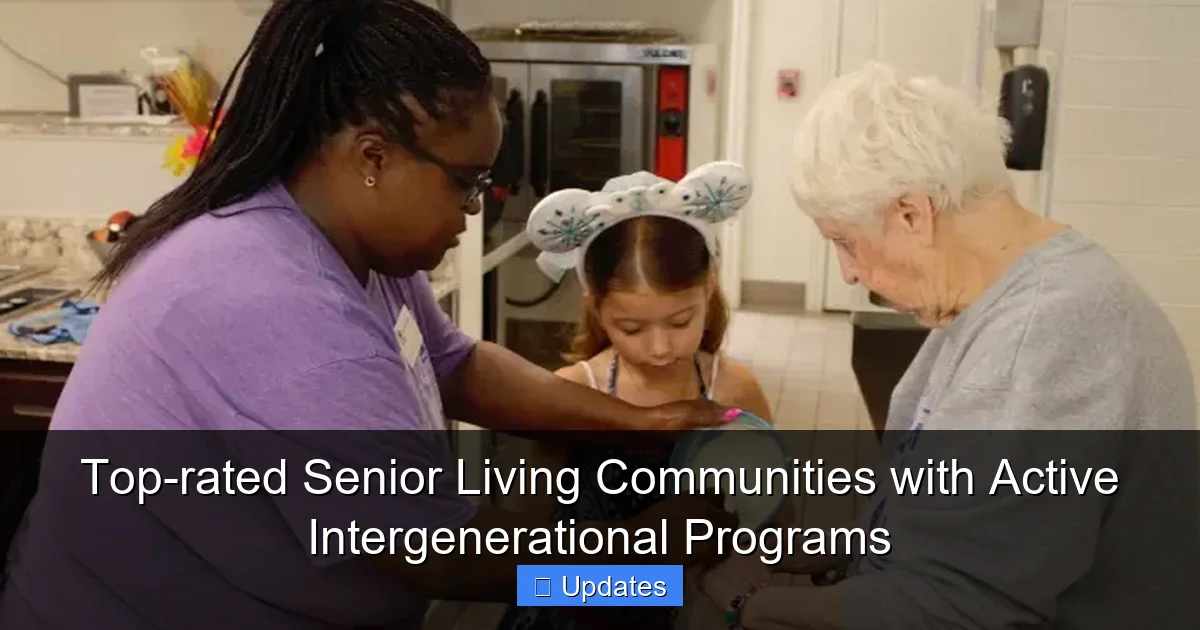
- Community kitchens open for cooking classes involving both seniors and teens
- Library nooks with comfortable seating for reading aloud sessions
- Art studios with shared murals or craft projects
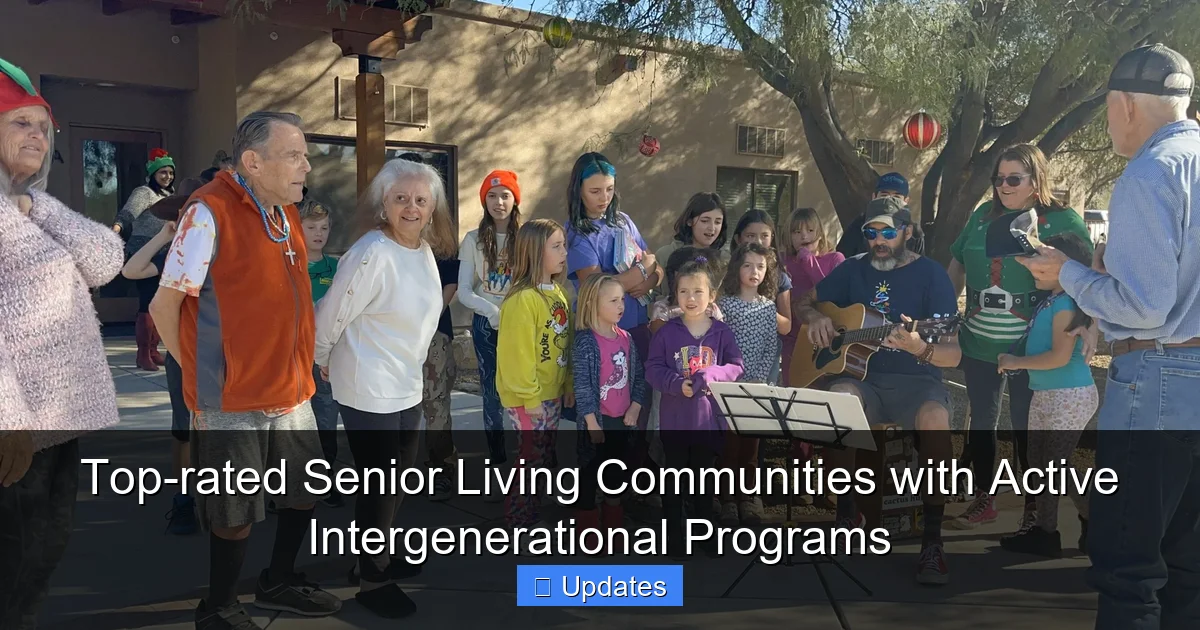
- Music rooms where residents teach instruments to kids
These spaces aren’t just functional—they’re emotionally resonant. When architecture supports connection, people naturally gather.
2. Structured, Ongoing Partnerships
A one-time visit from a scout troop doesn’t qualify as an intergenerational program. True impact comes from sustained relationships.
For example, Peachtree Village Assisted Living partners with a nearby elementary school for a weekly “Grandparent Day.” Every Wednesday, students come to read to residents, practice handwriting on special paper with seniors, and share drawings. Over time, these children develop deeper respect for elders and older residents look forward to these visits with excitement.
Other effective models include:
- Mentorship circles: Teens help seniors with technology (email, video calls, online banking)
- History workshops: Students interview residents about local history, creating digital archives
- Gardening clubs: Seniors teach composting and plant care; kids harvest vegetables for school meals
These aren’t add-ons—they’re woven into the community’s rhythm.
3. Staff Training and Cultural Commitment
Even the best-designed space fails without staff who understand the value of intergenerational exchange. Top-rated communities invest in ongoing training.
At Pacifica Senior Living San Leandro, caregivers attend monthly workshops on “bridging generational gaps.” They learn how to facilitate conversations between seniors and children, recognize signs of loneliness, and encourage participation from residents who might otherwise withdraw.
Key training topics include:
- Active listening techniques for mixed-age groups
- Conflict resolution when generational differences arise
- Cultural sensitivity around family structures and communication styles
- How to involve residents with dementia in simple, meaningful ways
This investment shows in every interaction—and in glowing reviews from families.
Benefits That Go Beyond Socializing
While the social benefits of intergenerational programs are obvious, the ripple effects are profound and measurable.
Visual guide about Top-rated Senior Living Communities with Active Intergenerational Programs
Image source: parkseniorvillas.com
For Seniors: Cognitive and Emotional Gains
Studies show that regular interaction with children can slow cognitive decline. Learning new things—like how to use a tablet or understanding a teen’s slang—keeps the brain active. Plus, teaching others builds confidence and self-worth.
One resident at Oak Hill Terrace Senior Living told us, “Before the reading program started, I didn’t leave my apartment much. Now, I wake up thinking, ‘What story will I share today?’”
Emotionally, seniors report feeling more hopeful, less anxious, and more connected to the world outside their walls.
For Youth: Life Skills and Empathy Development
Children who regularly interact with seniors develop stronger emotional intelligence. They learn patience, compassion, and perspective-taking—skills that serve them well in school and careers.
In fact, research from Generations United shows that youth involved in intergenerational programs are 23% less likely to engage in risky behaviors and more likely to volunteer as adults.
One eighth-grader at a partner school said, “I used to think old people were boring. But Mrs. Garcia taught me how to knit. Now I want to be a nurse because I see how kind she is.”
For Families: Deeper Connections
When parents see their children bond with grandparents in a positive environment, trust grows. Grandparents feel valued. And families enjoy peace of mind knowing their loved ones are safe, engaged, and happy.
Many communities now host “family heritage nights” where relatives cook traditional meals together or share photo albums—creating memories that last lifetimes.
Real-Life Examples of Thriving Intergenerational Communities
Let’s meet a few standout communities making intergenerational programming central to their mission.
Visual guide about Top-rated Senior Living Communities with Active Intergenerational Programs
Image source: edenwaldexpansion.org
Sunset Ridge Memory Care & Academy
Located in Oregon, Sunset Ridge combines memory care with a public elementary school on the same campus—a rare and powerful model. Residents with early-stage dementia participate in simplified versions of school routines: sitting in chairs during assemblies, helping with snack time, or holding hands during circle time.
The school provides trained volunteers who adapt activities based on each resident’s abilities. For example, a child might place stickers on a resident’s hand after they answer a question—even if they don’t speak clearly. The message is clear: “You matter.”
This approach has reduced agitation episodes by 40% and increased resident smiles by 65%, according to internal studies.
Harmony Commons in Minnesota
Harmony Commons partners with six local K–12 schools for a rotating schedule of programs:
- Monthly “Time Traveler Days” where kids dress in period costumes and residents share authentic stories
- After-school tutoring where teens help seniors with reading comprehension
- Joint science fairs featuring projects like growing plants from seeds planted by both age groups
The community also hosts a “Youth Advisory Board” made up of teens who help plan events—giving young people real voice in how intergenerational time is spent.
Feedback from families? “My son now visits his grandma twice a week without being asked. He brings his math work so she can check it. It’s brought them closer than ever.”
Briarcliff Gardens in Texas
Briarcliff Gardens takes a tech-forward approach. Their “Digital Story Corps” pairs seniors with middle schoolers to create short videos about family histories. Using tablets provided by the community, participants film interviews, add music, and edit together.
The final products are shared at family reunions and even submitted to local libraries. One video went viral on social media, touching thousands of viewers.
Best of all, seniors report feeling “young again” when using technology—and kids gain digital literacy skills while preserving cultural heritage.
Tips for Families Choosing the Right Community
Finding a senior living community with strong intergenerational programs requires research—but it’s worth the effort. Here’s how to evaluate potential homes:
Ask These Questions During Tours
- “Can you describe your intergenerational calendar for the next month?”
- “How do you measure success in these programs?”
- “Are there written agreements with local schools or youth groups?”
- “What happens if a resident isn’t interested in participating?”
- “Do you offer transportation for off-site events?”
Look for These Red Flags
- Programs described as “seasonal” or “occasional”
- No dedicated staff member overseeing intergenerational efforts
- Spaces that feel isolated or unused by younger visitors
- Lack of input from youth partners or their parents
Visit During Program Hours
Don’t rely solely on marketing materials. Schedule a tour during a scheduled intergenerational event—you’ll get a truer sense of energy and engagement.
Also ask to speak with current residents and visiting youth separately. Their honest feedback reveals what really happens behind the scenes.
Overcoming Common Challenges
Even the best communities face hurdles. Here’s how leading facilities address them:
Challenge: Safety and Liability Concerns
Solution: Comprehensive insurance coverage, background checks for all volunteers, clear protocols for supervision, and emergency response plans tailored to mixed-age settings.
Challenge: Scheduling Conflicts
Solution: Flexible scheduling, backup virtual options (like Zoom story hours), and rotating themes so programs stay fresh and appealing to both groups.
Challenge: Resident Resistance
Solution: Gentle introduction, low-pressure invitations, and pairing reluctant seniors with patient, consistent buddies. Often, initial hesitation gives way to joy once they experience the connection.
Challenge: Funding Limitations
Solution: Grants from foundations like Casey Family Programs, partnerships with universities for service-learning credit, and in-kind donations (e.g., art supplies from local stores).
Remember: Many of these programs start small—but grow with commitment and creativity.
The Future of Intergenerational Living
The trend toward integrated senior communities isn’t fleeting. As housing costs rise and families become more dispersed, multi-generational living models are gaining traction nationwide.
Some cities are even rezoning areas to allow accessory dwelling units (ADUs) on senior properties, enabling adult children to live nearby while maintaining independence.
Meanwhile, virtual intergenerational platforms are emerging—especially valuable for rural areas or during winter months. Apps allow real-time drawing sessions, shared journaling, or voice-note exchanges.
But nothing replaces the warmth of a hug, the sparkle in a child’s eyes when meeting a grandparent, or the smell of fresh bread baking together. These in-person moments are irreplaceable—and that’s why physical communities with strong intergenerational cultures remain essential.
As one resident put it: “This place doesn’t just keep me alive—it keeps me relevant.”
Conclusion: More Than a Place to Live
Choosing a senior living community is about more than square footage or meal quality. It’s about finding a place where life continues meaningfully—where stories are shared, wisdom is passed, and new generations are welcomed with open arms.
The top-rated senior living communities with active intergenerational programs prove that aging doesn’t have to mean fading away. Instead, it can be a season of deep connection, continued contribution, and joyful discovery.
If you’re considering senior living for yourself or a loved one, prioritize communities that nurture relationships across ages. Ask about their intergenerational offerings. Visit during program times. Talk to residents and families. Your future self—and the younger people who will walk beside you—will thank you.
Because in the end, we’re not just building places to live. We’re crafting legacies of love, learning, and lasting bonds.
Frequently Asked Questions
What defines an “active” intergenerational program in senior living?
An active program involves regular, structured interactions between seniors and youth—not just one-off visits. It includes recurring events like weekly reading sessions, mentorship circles, or joint projects. Success is measured by consistency, resident engagement, and documented outcomes such as reduced loneliness or improved mood.
Are intergenerational programs suitable for residents with dementia?
Yes, many top-rated communities adapt programs for dementia residents using simplified activities, sensory stimulation, and trained volunteers. Examples include tactile crafts, music therapy, or guided reminiscence with photos. These interactions can reduce anxiety and improve quality of life.
How do families benefit from intergenerational programs?
Families gain peace of mind knowing their loved ones are socially engaged and safe. They also build stronger family bonds through shared activities and deeper understanding between generations. Some communities even host family heritage nights where relatives cook or share stories together.
Do intergenerational programs require extra funding?
While initial setup may need grants or donations, many programs become self-sustaining through school partnerships, volunteer labor, and in-kind contributions. Some communities offset costs by offering intergenerational event spaces for rent to nonprofits or schools.
Can virtual platforms replace in-person intergenerational interactions?
Virtual tools complement—but don’t replace—face-to-face connections. They’re excellent for maintaining relationships during bad weather or for remote families. However, studies show physical presence fosters deeper empathy, nonverbal cues, and spontaneous moments that screens can’t capture.
How can I advocate for intergenerational programs at my preferred senior community?
Start by attending community meetings and expressing interest. Suggest pilot programs like a monthly book club with local students. Partner with parent-teacher associations or youth groups to co-host events. Offer to volunteer as a liaison between the community and schools. Persistence often leads to change.
