
Senior Home Care Name Ideas


Bathroom Grab Bar Set

LED Clip Reading Light

Jar Opener for Weak Hands
Choosing the right name for your senior home care business sets the tone for trust and professionalism. A thoughtful name can communicate your values, resonate with families, and stand out in a growing market. Whether you’re launching a new agency or rebranding, this guide offers practical tips and inspiring ideas to help you craft a memorable name.
Your name is more than words—it’s the first impression families will remember.
Key Takeaways
- Meaningful names build trust: Names that reflect care, comfort, or compassion help establish emotional connections with clients.
- Local relevance matters: Including geographic identifiers can improve local search visibility and community recognition.
- Simplicity aids memorability: Short, easy-to-pronounce names are more likely to stick in families’ minds.
- Legal availability is essential: Always check trademark and domain name availability before finalizing your choice.
- Brand alignment is key: Your name should reflect your mission, values, and the type of care you provide.
- Test with your team: Get feedback from caregivers and staff—they often have valuable insights into what sounds authentic.
- Think long-term: Choose a name that can grow with your business, whether you start locally or expand nationally.
📑 Table of Contents
- Why a Great Name Matters in Senior Home Care
- Types of Names That Resonate With Families
- How to Generate Creative Senior Home Care Name Ideas
- Practical Tips for Choosing the Right Name
- Real Examples of Well-Known Senior Care Brands
- Bonus: Naming Your Agency Based on Values
- Final Thoughts: Your Name Is Your Foundation
Why a Great Name Matters in Senior Home Care
Starting or rebranding a senior home care business isn’t just about offering services—it’s about building relationships. Families searching for in-home care want more than skilled caregivers; they seek peace of mind, reliability, and a sense of safety. That’s where your senior home care name ideas come in.
A strong name does more than identify your business—it communicates your promise. Is your focus on companionship? Medical support? Dignity and independence? The right name subtly conveys these qualities before a single conversation happens. Think of it like the front door to your home: first impressions matter, and so does the welcome sign outside.
In a competitive industry, branding is everything. Just like Home Instead Senior Care Venice Florida has built trust through consistent, compassionate messaging, your name should reflect the heart of your mission. It’s not just a label—it’s a reflection of who you are and what you stand for.
Types of Names That Resonate With Families
Not all names work the same way. Depending on your target market and service model, different naming styles may be more effective. Here are the most popular categories used by successful senior care agencies:
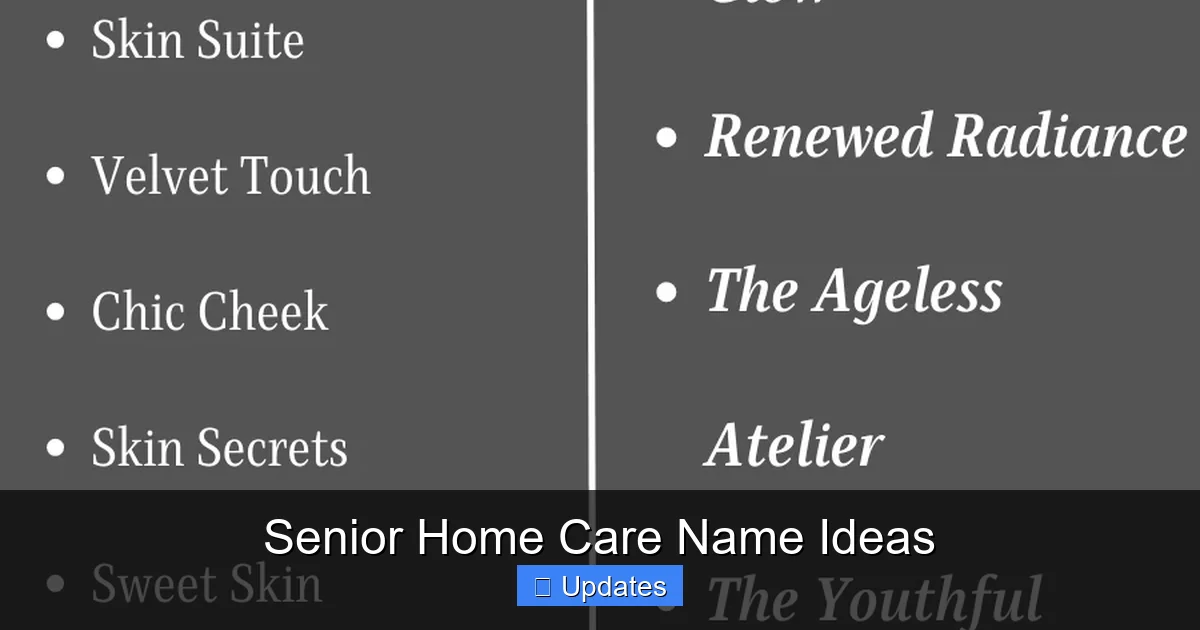
Visual guide about Senior Home Care Name Ideas
Image source: namesarc.com
1. Emotion-Based Names
These names focus on feelings—comfort, warmth, security, and peace. They appeal directly to the emotional needs of aging adults and their loved ones.
Examples:
- Serene Companions: Evokes calm and reliable support.
- Golden Years Care: Celebrates aging with dignity and joy.
- Tranquil Touch: Suggests gentle, soothing assistance.
Emotion-based names work especially well if your care includes companionship, light housekeeping, or social engagement. They reassure families that their loved ones won’t feel lonely or overlooked.
2. Nature-Inspired Names
Nature metaphors bring a sense of growth, stability, and renewal. They’re timeless, universally appealing, and often feel organic and trustworthy.
Ideas:
- Bloom & Care Senior Services: Implies nurturing and flourishing.
- Maple Grove Home Care: Warm, familiar, and rooted in place.
- Sunrise Senior Support: Symbolizes new beginnings and hope.
Nature names are great for agencies emphasizing holistic wellness, outdoor activities, or simply creating a peaceful environment at home.
3. Heritage and Tradition Names
Names rooted in history or tradition suggest experience and reliability. These often include classical words like “Grace,” “Hope,” or “Faith.”
Examples:
- Heritage Home Care: Implies continuity and respect for legacy.
- Grace & Gather Senior Care: Combines elegance with community.
- Faithful Hands Care: Highlights trustworthiness and dedication.
This style works well for faith-based organizations or those with deep community ties. It also appeals to older generations who value tradition.
4. Modern and Minimalist Names
Clean, contemporary names are ideal for tech-savvy families or agencies offering digital health tracking, virtual check-ins, or streamlined scheduling.
Options:
- NestCare: Simple, warm, and tech-friendly.
- Luma Home Health: Bright (luma = light), modern, and professional.
- Veritas Care: Latin for “truth”—suggests honesty and integrity.
Modern names often attract younger adult children managing parents’ care remotely. They also look good online and on apps.
How to Generate Creative Senior Home Care Name Ideas
Brainstorming a name doesn’t have to be hard. Try these proven techniques to spark inspiration:
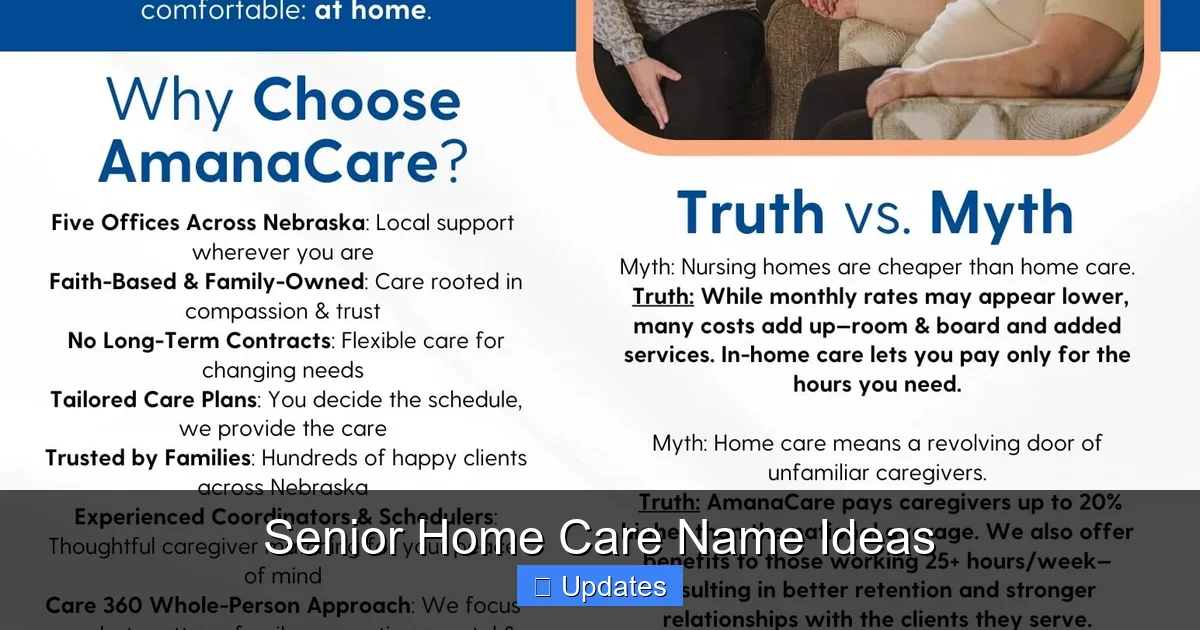
Visual guide about Senior Home Care Name Ideas
Image source: amana-care.com
Use Word Combinations
Mix two meaningful words to create something unique. For example:
- Comfort + Care = Comfycares
- Home + Heart = Hometown Hearts
- Elder + Joy = Eldery
Keep it short—ideally under 15 characters—and avoid hyphens unless necessary. Test how it sounds when spoken aloud.
Incorporate Local Landmarks
If you serve a specific area, consider weaving in local geography. This builds local identity and helps with neighborhood recognition.
Examples:
- Palm City Comfort Care
- Bangor Gentle Hands
- Royal Oak Respite Care
This approach also supports SEO. If someone searches “senior care near me” in Bangor, ME, seeing your name there boosts credibility.
Leverage Family-Friendly Language
Since most referrals come from adult children, choose names that sound inviting to them too. Avoid overly medical terms unless that’s your niche.
Try:
- Family First Senior Care
- Next Door Neighbors Care
- Mom & Dad’s Best Friend
These names position your business as part of the family, not just an external service.
Play with Alliteration
Alliterative names (same starting sound) are catchy and easy to remember. They’re especially effective in advertising.
Examples:
- Safe Steps Senior Support
- Comfy Cradles Care
- Dependable Days Home Care
Just make sure the rhythm feels natural—forced alliteration can backfire.
Practical Tips for Choosing the Right Name
Once you have a list of promising options, follow these steps to narrow it down:
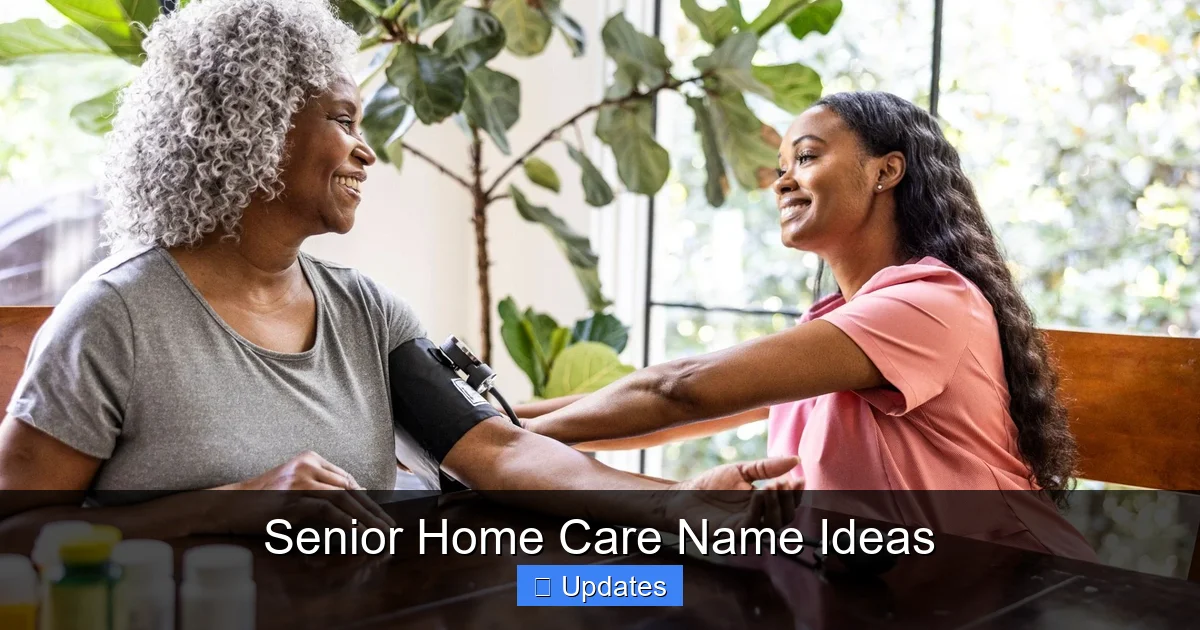
Visual guide about Senior Home Care Name Ideas
Image source: seniorresource.com
1. Check Availability
Before falling in love with a name, verify:
- Is the business name available in your state?
- Is the .com domain still open?
- Are there conflicting trademarks?
You can search the U.S. Patent and Trademark Office database or use tools like LegalZoom. Don’t skip this step—even if you love a name, legal issues could derail your launch.
2. Test for Pronunciation
Ask friends, colleagues, or even random people off the street to say your top choices out loud. Do they get it right on the first try? Confusion leads to miscommunication and lost calls.
Aim for clarity above creativity. A slightly simple name beats a confusingly clever one every time.
3. Consider Scalability
Will your name work if you expand beyond your current city? A name like “Greenacres Gentle Care” might feel limiting if you later serve neighboring towns.
On the flip side, overly generic names like “Senior Solutions” lack personality. Find a balance—specific enough to feel real, broad enough to grow.
4. Align With Your Brand Voice
Do you want to appear professional and clinical, or warm and personal? Your name should match your tone.
For example:
- A Gentle Touch Senior Home Health Care suggests soft, empathetic care.
- Caring Hearts Senior Care Home leans into emotion and empathy.
- Guided Living Senior Home Care implies structure and support.
Consistency across all touchpoints—website, business cards, uniforms—builds recognition.
Real Examples of Well-Known Senior Care Brands
Looking at successful brands can inspire your own naming strategy. While you don’t need to copy them, understanding why they work reveals patterns worth mimicking.
Visiting Angels: This national chain uses a metaphor—angels visiting homes—to convey protection and kindness. It’s simple, positive, and instantly understandable.
Home Instead: The phrase “home instead” speaks directly to the core benefit: replacing institutional care with familiar surroundings. It’s clear, compelling, and emotionally resonant.
Brookdale: Named after founder Robert E. Brookdale, this name feels established and trustworthy. It signals longevity and experience.
Notice how each uses:
- Positive imagery (angels, home)
- Clear value proposition
- Memorable simplicity
When crafting your name, ask: What do I want people to feel when they hear it?
Bonus: Naming Your Agency Based on Values
Some agencies choose names based on core values like compassion, independence, or innovation. This creates deeper meaning and guides decision-making.
Value-driven naming examples:
- Dignity First Care – Prioritizes respect and autonomy
- Independence At Home – Focuses on empowering seniors
- Kindness In Motion – Emphasizes proactive, caring support
These names aren’t just labels—they’re statements of purpose. Over time, they become part of your company culture.
Final Thoughts: Your Name Is Your Foundation
The best senior home care name ideas aren’t just clever—they’re honest, human, and hopeful. They reflect the dignity, trust, and everyday moments that define quality in-home care.
Whether you choose something poetic like Sunset Companions, practical like Metro Senior Support, or heartfelt like Families First Care, let your name tell your story before you even speak a word.
And remember: while branding matters, nothing replaces actual care. A great name attracts attention, but exceptional service keeps clients coming back. Use this guide as a springboard—then listen to your heart, your mission, and the needs of the families you aim to serve.
Ready to take the next step? Explore our related resources on ensuring safety and security with in-home senior care providers or learn how top agencies operate in cities like Fort Lee.
Frequently Asked Questions
What makes a good name for a senior home care business?
A strong name should be memorable, easy to pronounce, and reflect your core values—like compassion, reliability, or dignity. It should also align with your target audience and be legally available. Names that evoke warmth and trust tend to resonate most with families seeking care for their loved ones.
Should I include my location in the business name?
Yes, especially if you’re starting small or serving a specific community. Including your city or region—like “Fort Lee Senior Care”—helps with local SEO and builds neighborhood trust. However, if you plan to expand nationally, keep the name flexible enough to scale beyond one area.
How do I check if a name is already taken?
You can search your state’s business registry, check the U.S. Patent and Trademark Office database, and verify domain name availability (like .com). It’s smart to consult a lawyer or use a business formation service to ensure there are no conflicts before finalizing your name.
Can I change my business name later?
Yes, but it’s easier and less expensive to get it right the first time. Changing a name requires updating licenses, websites, marketing materials, and contracts—all of which cost time and money. So invest in research upfront!
Are there naming trends in senior care?
Right now, many agencies lean toward warm, human-centered names that emphasize comfort and connection—think “Caring Hearts” or “Gentle Touch.” Others use nature-inspired words like “Sunrise” or “Maple Grove” for a calming effect. Minimalist names like “NestCare” also trend among tech-forward providers.
How important is the website domain for my name?
Extremely important. Having a matching .com domain makes your business look professional and easier to find online. If your preferred name isn’t available as a domain, consider alternatives—even adding “care,” “services,” or your location can help secure it.