
Ensuring Safety and Security with In-home Senior Care Providers


Heated Blanket

Bathtub Grab Bar

Digital Blood Pressure Monitor
In-home senior care providers offer personalized support that significantly boosts safety and security for older adults living independently. By combining professional oversight with familiar surroundings, these services help prevent accidents, manage health conditions, and reduce the risk of isolation or abuse.
In today’s world, aging gracefully at home is more than just a preference—it’s often a deeply personal choice rooted in comfort, familiarity, and dignity. For many seniors, the thought of leaving their lifelong homes due to declining mobility or health challenges feels like losing a piece of themselves. That’s where in-home senior care providers step in, offering compassionate support that respects this desire while actively enhancing safety and security.
But safety isn’t just about preventing falls or managing medications—it’s about creating a holistic environment where every aspect of daily life is monitored, supported, and protected. From ensuring nutritious meals are prepared to helping navigate slippery bathroom floors, professional caregivers become trusted partners in maintaining independence without compromise. And when emergencies happen—like a sudden dizziness episode or a forgotten prescription—having someone nearby who knows your loved one’s routine can make all the difference.
What sets quality in-home senior care apart? It starts with thoughtful planning, rigorous vetting, and a commitment to continuous improvement. In this article, we’ll walk through practical steps families can take to ensure their elderly relatives receive not only expert assistance but also genuine peace of mind knowing they’re safe, secure, and truly cared for—right in the place they call home.
Key Takeaways
- Vetted caregivers: Reputable agencies conduct thorough background checks, including criminal history, references, and verification of certifications—ensuring your loved one is in trustworthy hands.
- Personalized safety plans: Effective in-home senior care includes customized risk assessments and emergency protocols tailored to individual mobility, medical needs, and home environment.
- Technology integration: Tools like fall detection sensors, medication reminders, GPS tracking, and video monitoring can alert both families and providers to potential dangers in real time.
- Ongoing communication: Regular updates from caregivers, family check-ins, and shared digital logs create transparency and allow quick response if concerns arise.
- Legal and financial safeguards: Contracts should clearly outline duties, confidentiality agreements, liability coverage, and procedures for reporting incidents to protect all parties.
- Family involvement: Active participation—such as visiting during shifts or reviewing care logs—strengthens accountability and ensures peace of mind.
- Emergency preparedness: Caregivers trained in CPR, first aid, and chronic condition management are better equipped to handle sudden health crises safely.
📑 Table of Contents
- Why Home-Based Care Is Ideal for Senior Safety
- Choosing the Right In-Home Senior Care Provider
- Implementing Smart Safety Measures at Home
- Leveraging Technology for Enhanced Security
- Building Strong Family-Caregiver Partnerships
- Preparing for Emergencies
- Recognizing Warning Signs of Abuse or Neglect
- Conclusion: Peace of Mind Through Proactive Care
Why Home-Based Care Is Ideal for Senior Safety
The human connection formed between a senior and their caregiver goes beyond task completion; it builds trust, reduces anxiety, and encourages open communication about health concerns. Unlike institutional settings such as assisted living facilities, which may feel impersonal or overly restrictive, in-home senior care preserves the emotional warmth and social bonds that matter most.
Moreover, familiar environments reduce stress-related complications. Seniors who live alone might hesitate to admit they’ve had a fall or skipped a dose of heart medication out of embarrassment or fear of being moved into a facility. With a trained aide present, these issues become visible early—and manageable quickly. According to the National Council on Aging, nearly 1 in 4 Americans over age 65 experiences a fall each year, yet less than half report them due to stigma or denial. Professional caregivers normalize conversations around vulnerability, making it easier to address risks before they escalate.
Additionally, studies show that individuals receiving home-based care experience fewer hospital readmissions compared to those transitioning directly into nursing homes. This is partly because caregivers monitor subtle changes in behavior or physical condition that could signal underlying illness. For example, if Mr. Thompson suddenly stops answering calls or refuses to eat his favorite meal, his provider notices immediately—and intervenes before dehydration or infection sets in.
The Emotional Benefits of Staying Put
Psychologically, remaining in one’s own home fosters a sense of control and identity preservation. Research published in *The Journals of Gerontology* highlights that seniors who maintain autonomy through personalized care arrangements report higher levels of satisfaction and lower rates of depression. When families choose reputable in-home senior care providers, they’re investing in more than just physical safety—they’re supporting mental well-being and self-worth.
Cost-Effectiveness Without Sacrificing Quality
Contrary to popular belief, high-quality in-home care doesn’t have to break the bank. In fact, many families find it more affordable than long-term residential options once transportation, meal delivery, and home modification costs are factored in. Plus, you get the added benefit of controlling exactly what services are provided, how often, and by whom.
Choosing the Right In-Home Senior Care Provider
Visual guide about Ensuring Safety and Security with In-home Senior Care Providers
Image source: sapphirecheck.com
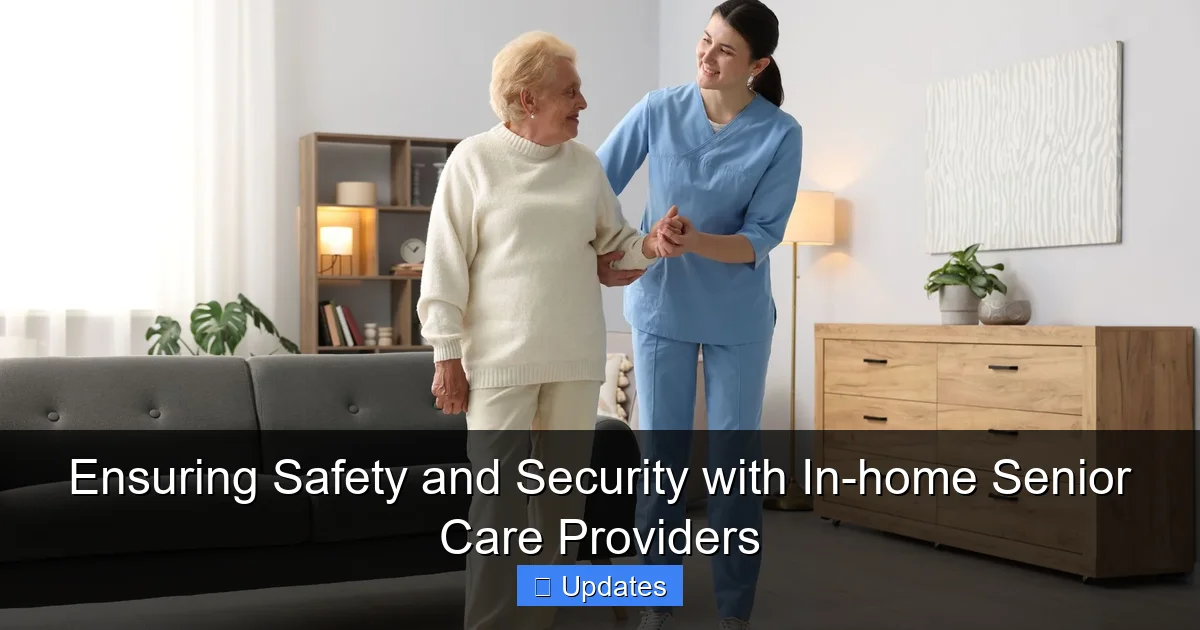
Selecting a caregiver isn’t something to rush—especially when safety is on the line. Start by asking detailed questions during initial consultations: What experience do you have with my loved one’s specific condition? Are you certified in CPR or dementia care? How will you handle an emergency?
Reputable agencies—like those featured on platforms such as No Place Like Home Senior Care—prioritize transparency and client education. They provide clear contracts outlining hourly rates, cancellation policies, and performance expectations. Always verify credentials through state licensing boards and request references from current clients.
Another red flag? Agencies that pressure you into signing immediately or refuse to share employee records. Legitimate providers understand that building trust takes time—and they welcome your scrutiny.
Conducting Thorough Background Checks
Never skip this step. Even seemingly minor infractions (like traffic violations) can reveal patterns of risk-taking behavior. Ask whether your agency screens for:
– Criminal history (including sex offender registry)
– Driving records (if transportation is part of the job)
– Previous employment verification
– Personal references from non-family contacts
Some top-tier companies even use third-party auditors to validate information—giving families extra confidence.
Matching Personality and Skill Sets
Just as you wouldn’t assign a marathon runner to teach yoga beginners, pairing a caregiver with compatible temperament matters greatly. Does your loved one prefer quiet companionship or lively conversation? Is patience required for someone with Alzheimer’s? Interview multiple candidates if possible, and observe interactions during trial visits.
Remember, consistency breeds reliability. Rotating staff frequently introduces unnecessary confusion and increases the chance of missed cues. Look for providers who assign the same person whenever feasible.
Implementing Smart Safety Measures at Home
Visual guide about Ensuring Safety and Security with In-home Senior Care Providers
Image source: miro.medium.com
Even the most skilled caregiver can’t eliminate every hazard. Proactive modifications make a huge difference. Begin with a home safety audit—ideally conducted by a geriatric specialist or occupational therapist. Common areas of concern include:
– Loose rugs or cluttered walkways
– Poor lighting in hallways and staircases
– Bathrooms lacking grab bars or non-slip mats
– Kitchen appliances placed too high or low
Many local senior centers offer free assessment kits. Alternatively, organizations like Oasis Senior Center In Newport Beach provide workshops on adaptive living techniques.
Once hazards are identified, integrate assistive technologies seamlessly. For instance:
– Motion-activated nightlights prevent nighttime trips
– Medical alert pendants allow instant SOS calls
– Smart locks let caregivers enter discreetly during emergencies
Importantly, involve your loved one in decisions whenever possible. Forcing changes without consent can breed resentment and reduce cooperation.
Medication Management Strategies
Mismanagement accounts for over 50% of adverse drug events among seniors. To avoid mix-ups, consider using pill organizers synced with smartphone apps that send dosage reminders. Some advanced systems even dispense doses automatically and track compliance.
If your provider handles meds directly, confirm they follow strict protocols: labeling all containers, documenting administration times, and reporting discrepancies immediately.
Fall Prevention Techniques
Balance exercises—like tai chi—can improve stability significantly. Encourage daily movement routines supervised by a physical therapist. Also, ensure shoes fit properly (no flip-flops indoors!) and socks have grip soles.
For homes with stairs, install sturdy handrails on both sides and keep pathways unobstructed.
Leveraging Technology for Enhanced Security
Visual guide about Ensuring Safety and Security with In-home Senior Care Providers
Image source: img.freepik.com
Modern in-home senior care embraces smart solutions without sacrificing privacy. Wearable devices like fall detection pendants use motion sensors to identify sudden impacts and automatically contact emergency responders. Meanwhile, video doorbells deter unwanted visitors while allowing remote interaction.
However, always clarify data ownership upfront. Will footage be stored locally or in the cloud? Who has access? Opt for end-to-end encryption whenever possible.
Telehealth integration is another game-changer. Many providers partner with virtual clinics so seniors can consult doctors without leaving home—reducing exposure to germs and minimizing travel fatigue.
Finally, GPS trackers aren’t just for wanderers. They give families reassurance when loved ones venture outside for errands or walks.
Privacy-First Digital Tools
Choose platforms that comply with HIPAA regulations and allow granular permission settings. For example, limit live-stream access to immediate family only—not entire neighborhood networks.
Automated Alerts for Peace of Mind
Set up notifications for unusual activity: Did the stove stay on past bedtime? Has water usage dropped unusually low (possibly indicating dehydration)? These insights empower proactive interventions.
Building Strong Family-Caregiver Partnerships
Open dialogue prevents misunderstandings. Schedule weekly briefings where families discuss observations, express concerns, and celebrate successes. Use shared digital calendars to log appointments, meds, and mood changes.
Also, designate a single point of contact within the agency—someone who coordinates schedules and resolves conflicts promptly. Avoid fragmented communication across multiple staff members.
If tensions arise (e.g., differing opinions on care intensity), request mediation sessions facilitated by supervisors. Most ethical providers prioritize resolution over blame.
Documenting Everything
Keep detailed records of incidents, communications, and care plans. Store them securely online or in locked cabinets. Should disputes occur later, documentation serves as objective evidence.
Respecting Boundaries
While vigilance is important, avoid micromanaging. Trust your caregiver’s judgment unless you notice clear errors. Overbearing supervision erodes morale and undermines professional integrity.
Preparing for Emergencies
Despite precautions, crises happen. Ensure everyone involved knows basic first aid procedures. Confirm your caregiver carries a fully stocked emergency kit containing bandages, antiseptic wipes, and a list of your loved one’s allergies and medications.
Create a household emergency plan together. Include:
– Evacuation routes
– Meeting points outside the home
– Contacts for neighbors, doctors, and local fire departments
Practice drills quarterly. Role-playing scenarios build muscle memory during actual disasters.
For chronic conditions like diabetes or heart disease, develop symptom-specific action plans. For instance, if blood sugar drops below 70 mg/dL, the protocol might involve administering glucose gel followed by a 15-minute rest period.
Training Your Caregiver
Ask providers about their emergency preparedness curriculum. Do they simulate stroke responses? How do they handle choking episodes? Certifications from organizations like the American Red Cross add credibility.
Post-Incident Protocols
After any medical event, review what happened objectively. Update care plans accordingly. Share lessons learned with relevant team members to prevent recurrence.
Recognizing Warning Signs of Abuse or Neglect
Families sometimes miss subtle indicators of mistreatment. Watch for:
– Unexplained weight loss
– Bruises in unusual locations (neck, ears)
– Sudden withdrawal from social activities
– Financial irregularities (unpaid bills despite sufficient funds)
If suspicions emerge, report them immediately to Adult Protective Services or local law enforcement. Early intervention protects vulnerable adults and holds perpetrators accountable.
Reputable agencies actively train staff to recognize and prevent abuse—but families must remain observant too.
Creating a Culture of Accountability
During orientation, emphasize zero tolerance for misconduct. Make clear that violations result in termination without exception. This message reinforces seriousness.
Empowering Seniors to Speak Up
Encourage honest feedback about caregiver interactions. Provide anonymous suggestion boxes or hotlines. Feeling heard reduces silence around uncomfortable topics.
Conclusion: Peace of Mind Through Proactive Care
Ensuring safety and security with in-home senior care providers isn’t a one-time fix—it’s an ongoing partnership built on empathy, vigilance, and mutual respect. By choosing qualified professionals, adopting smart technologies, and fostering transparent communication, families create environments where aging adults thrive physically, emotionally, and socially.
Remember, the goal isn’t perfection—it’s progress. Small improvements compound over time, transforming potential disasters into manageable moments. And when seniors feel supported rather than watched, their quality of life rises dramatically.
As you explore options, lean on trusted resources like One On One Senior Care, which specializes in personalized matchmaking based on lifestyle preferences and health requirements. Their approach exemplifies how thoughtful planning elevates safety standards across every dimension of daily living.
Ultimately, protecting our elders means honoring their choices—and giving them the tools to live boldly, freely, and fearlessly in the homes they cherish most.
Frequently Asked Questions
How do I know if my loved one needs in-home senior care?
If your senior struggles with daily tasks like bathing, cooking, or medication management—or shows signs of isolation or increased accident risk—consider professional support. Early intervention prevents decline and maintains independence longer.
Are in-home caregivers legally allowed to perform medical procedures?
It depends on training and state laws. Basic tasks like wound dressing or insulin injection may be permitted, but complex surgeries require licensed nurses. Always clarify scope-of-practice rules before hiring.
Can I hire a private caregiver instead of going through an agency?
Yes, but private hires lack agency oversight—meaning no guarantee of background checks or replacement if the worker leaves unexpectedly. Weigh convenience against accountability carefully.
What should I include in a caregiver contract?
Essential clauses cover hours worked, pay rates, cancellation notice periods, confidentiality terms, liability insurance details, emergency contact info, and grievance procedures. Have a lawyer review complex agreements.
How often should I visit or call to check on my loved one?
Frequency varies by individual needs. Daily morning/evening calls work for mild cases; hourly wellness checks suit dementia patients. Adjust based on observed stability and expressed preferences.
Will my health insurance cover in-home senior care costs?
Most traditional plans don’t, but Medicaid waivers, veterans benefits, or long-term care insurance policies sometimes do. Contact your provider to explore coverage options tailored to your situation.