
Senior Dog Sleeping with Tongue Out


Back Massager with Heat

Spill-Proof Adult Cup

Tablet for Seniors
Senior dogs often sleep with their tongues out, and while this can simply mean they’re relaxed, it might also signal discomfort, pain, or age-related changes. Understanding the cause helps you provide better care and comfort. This article explains everything you need to know about senior dog sleeping habits, including signs of normal vs. concerning behavior, health issues to watch for, and tips to improve your pet’s rest.
There’s something undeniably endearing about seeing your senior dog snoozing peacefully with their tongue hanging out. It looks like they’re smiling in their sleep, doesn’t it? But beyond the charm lies a deeper question: Is this normal, or should you be concerned?
As dogs grow older, their bodies undergo many changes—some subtle, others more noticeable. One common sight is our beloved senior dogs sleeping with their tongues out. While it might seem like just another quirk of aging, understanding what causes this behavior helps us better support our furry friends during their golden years. In this guide, we’ll explore why senior dogs sleep with tongue out, whether it’s something to worry about, and how you can help them rest comfortably.
Whether your dog has been with you since puppyhood or joined your family as an adult, watching them age brings both joy and concern. You notice every little detail—how they tuck into bed, how long they nap, even how they breathe while asleep. And if you’ve ever caught your senior dog dozing with tongue out, you’re probably wondering: What does it mean?
Let’s break it down. We’ll look at the natural reasons behind this behavior, potential health signals, and practical steps you can take to ensure your senior pup gets the best possible rest.
Key Takeaways
- Normal vs. Concerning Behavior: A tongue-out sleep is usually harmless and indicates deep relaxation, especially in older dogs who may pant more due to reduced efficiency in temperature regulation.
- Aging and Health Changes: As dogs age, their metabolism slows, muscles weaken, and breathing patterns change—often leading to visible panting even at rest.
- Possible Medical Causes: Conditions like arthritis, dental disease, heart disease, or respiratory issues can cause discomfort that leads to unusual resting positions or excessive panting.
- Comfort Matters: Providing soft bedding, a quiet space, and regular vet checkups supports better sleep quality for senior dogs.
- Monitor Other Symptoms: Watch for weight loss, lethargy, coughing, or difficulty rising—these could indicate underlying problems needing attention.
- Hydration and Diet Are Key: Proper nutrition from high-quality senior dog food supports overall health and energy levels, promoting restful sleep.
- When to See a Vet: If the tongue-out posture is new, accompanied by distress, or combined with other symptoms, schedule a veterinary exam promptly.
📑 Table of Contents
Why Do Senior Dogs Sleep With Tongue Out?
Just like humans, dogs have different sleeping styles and resting postures depending on their age, breed, personality, and health. For senior dogs, sleeping with tongue out is quite common—and often perfectly normal.
One major reason is **reduced ability to regulate body temperature**. As dogs age, their cardiovascular system becomes less efficient. Their hearts beat slower, blood flow decreases, and sweat glands (which are limited in dogs) don’t work as well. So even when they’re resting, they may pant slightly to cool themselves down—just like athletes after exercise. When asleep, this can result in an open-mouthed, tongue-out position.
Another factor is **relaxation**. When a dog feels safe and content, they enter deep REM sleep. During this stage, muscles fully relax, including those around the jaw. That’s why you might see your senior dog snoring softly or drooling—they’re completely at ease.
Also, some breeds naturally tend to sleep with their mouths open. Breeds like bulldogs, pugs, and Boston terriers have short muzzles and brachycephalic features, making it harder for them to keep their mouths closed while breathing. As these dogs age, this trait becomes even more pronounced.
But here’s the thing: Not all tongue-out sleep is harmless. Sometimes, it’s a sign of discomfort or illness. Let’s explore when it’s time to pay closer attention.
Is Your Senior Dog’s Tongue-Out Sleep Normal?
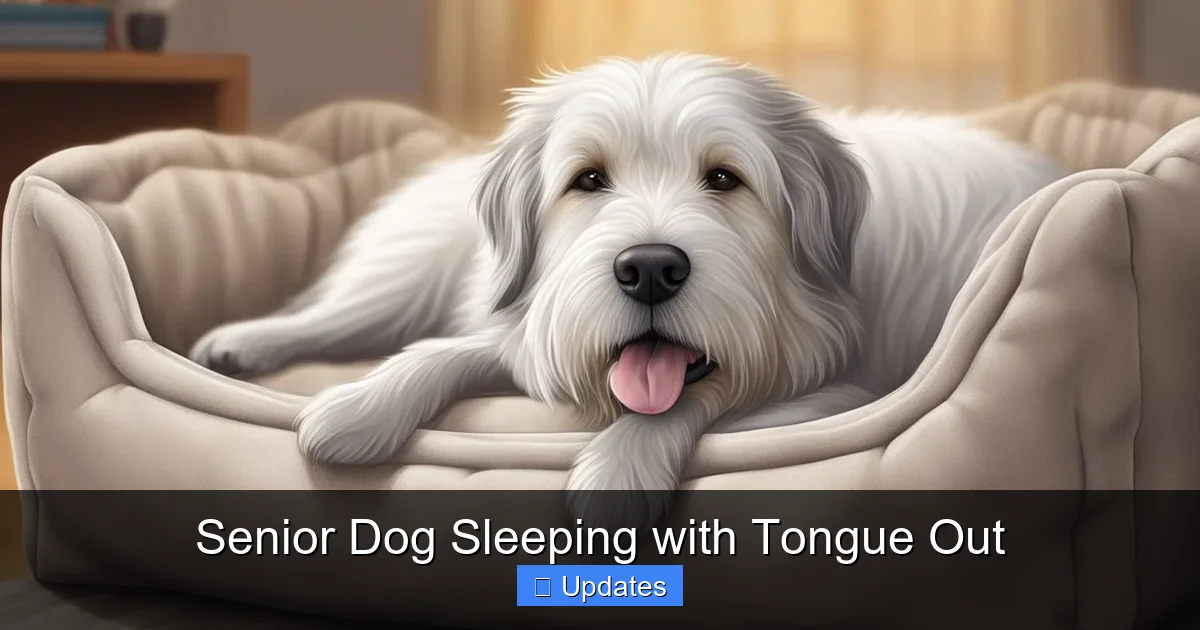
Visual guide about Senior Dog Sleeping with Tongue Out
Image source: koala.sh
So how do you tell if your senior dog sleeping with tongue out is typical—or something to investigate?
Start by observing context. Is your dog otherwise healthy, active, and eating normally? Do they still enjoy walks, playtime, or cuddles? If yes, then occasional tongue-out sleeping is likely nothing to worry about.
On the other hand, if your dog seems lethargic, refuses food, limps, or shows signs of pain when moving, that tongue-out posture could indicate an underlying issue. For example, dogs with **arthritis** may find it hard to get comfortable in certain positions, leading them to sleep awkwardly—sometimes with mouth open to ease breathing.
Similarly, **dental pain** from gum disease or loose teeth can make swallowing difficult, causing saliva to pool in the mouth. This might lead to a relaxed jaw and visible tongue while sleeping.
It’s also worth noting that **senior dogs often sleep more deeply** than younger dogs. They spend more time in slow-wave sleep, where brain activity slows and muscles fully relax. This means more frequent instances of tongue-out sleep due to physical relaxation alone.
Still, consistency matters. If your dog suddenly starts sleeping with tongue out after years of closed-mouth naps, that’s a red flag. Sudden behavioral shifts often signal change—and not always good news.
Signs That Tongue-Out Sleep Might Be Problematic
While most cases are benign, here are warning signs that warrant a call to your veterinarian:
- Excessive panting: Panting while resting, especially if rapid or labored, could indicate overheating, pain, or respiratory issues.
- Lack of appetite or weight loss: These are classic indicators of systemic illness.
- Changes in bathroom habits: Increased thirst, frequent urination, or accidents in the house can point to kidney or hormonal problems.
- Coughing or wheezing: Especially after drinking water or lying down, this may suggest heart or lung disease.
- Rising with difficulty: Struggling to stand up or walk stiffly suggests joint pain or neurological issues.
If you notice any of these alongside tongue-out sleeping, don’t wait. Early detection improves outcomes.
Common Health Issues Linked to Senior Dog Sleep Patterns

Visual guide about Senior Dog Sleeping with Tongue Out
Image source: koala.sh
As dogs reach their senior years (typically 7+ for small breeds, 6+ for large ones), several age-related conditions can affect their comfort—and therefore, their sleep style.
Dental Disease and Oral Pain
Dental problems are incredibly common in senior dogs. Tartar buildup, gingivitis, abscessed teeth, or missing molars can cause constant low-grade pain. Even mild discomfort can alter how a dog rests. If swallowing hurts, they may keep their mouth slightly open to reduce strain.
Regular dental cleanings and daily tooth brushing (if tolerated) go a long way. But if your dog resists grooming, consider consulting your vet about pain management options. Also, feeding softer foods or using dental-friendly kibble can help—check out our guide on Best Dog Food For Senior Dogs With Bad Teeth for recommendations.
Arthritis and Joint Pain
Arthritis affects nearly half of all dogs over age seven. Stiffness, swelling, and pain in hips, knees, or spine make finding a comfortable sleeping spot tricky. Many arthritic dogs choose flat surfaces or curl up tightly to minimize pressure on sore joints. Sometimes, this unnatural posture leads to mouth-open resting.
Managing arthritis involves weight control, anti-inflammatory medications prescribed by your vet, and supportive bedding. Memory foam mats or heated beds designed for senior dogs can offer relief. You can learn more about managing mobility issues in our article on Senior Dog Back Legs Giving Out.
Heart and Respiratory Conditions
Heart disease and COPD (chronic obstructive pulmonary disease) are serious but treatable conditions in older dogs. Symptoms include increased panting, fatigue, coughing, and difficulty breathing. When oxygen exchange is compromised, dogs may sleep with mouths open to maximize airflow.
If your senior dog pants heavily at night or snores frequently, schedule a cardiology consult. Monitoring heart rate and rhythm can catch early signs of trouble. Wet food diets rich in moisture and electrolytes can also support hydration and circulation—learn more in our review of Wellness Senior Dog Food Wet.
Neurological Changes
In rare cases, neurological decline—such as cognitive dysfunction syndrome (similar to dementia in people)—can disrupt normal sleep cycles. Dogs may wander aimlessly at night, pace, or appear disoriented. These behaviors can indirectly affect resting posture.
Mental stimulation through gentle training games or puzzle toys may help maintain cognitive function. Omega-3 fatty acids found in fish oil supplements are also recommended by many vets for brain health.
How to Help Your Senior Dog Sleep Comfortably

Visual guide about Senior Dog Sleeping with Tongue Out
Image source: image.shutterstock.com
Even if your dog’s tongue-out sleep isn’t caused by illness, you can still improve their rest quality. Senior dogs deserve cozy, safe spaces where they feel secure enough to relax deeply.
Invest in Supportive Bedding
Hard floors or thin blankets don’t cut it anymore. Opt for orthopedic dog beds with thick padding that cradles joints and reduces pressure points. Look for washable covers and non-slip bases—especially important if your dog has balance issues.
Heated beds are excellent for dogs with arthritis or muscle stiffness. Just avoid overheating; set timers and monitor your dog’s comfort level.
Create a Quiet, Calm Environment
Noise, light, and interruptions disturb sleep. Set up a dimly lit corner away from high-traffic areas. Use white noise machines or calming music designed for pets to drown out household sounds.
Avoid stimulating activities right before bedtime. Instead, offer a quiet chew toy or a few minutes of gentle massage to wind down.
Maintain Routine and Predictability
Older dogs thrive on consistency. Feed meals and take walks at the same times daily. Regular exercise prevents stiffness and promotes better sleep—but keep walks moderate. Overexertion tires muscles without improving flexibility.
Consider low-impact activities like swimming or short leash strolls. Always warm up slowly and stop if your dog shows signs of fatigue or pain.
Monitor Hydration and Nutrition
Dehydration thickens blood, reducing circulation and making breathing harder. Ensure fresh water is always available. Wet food increases fluid intake and supports kidney function—ideal for seniors prone to urinary issues.
Choose high-quality senior dog food formulated for their size, weight, and health needs. Look for glucosamine, chondroitin, omega-3s, and easily digestible proteins. Our comprehensive list of Best Dog Food Brands For Senior Dogs includes top-rated options.
Practice Gentle Grooming
Long hair around the face or muzzle can irritate sensitive skin, prompting dogs to keep their mouths open. Trim excess fur carefully, or use soft wipes to clean around the eyes and nostrils.
For dogs with dental sensitivity, brush gently once a week. If brushing isn’t feasible, offer dental chews approved by your vet.
When to Contact Your Veterinarian
Knowing when to seek professional advice is crucial. Don’t hesitate if:
- Your dog suddenly develops tongue-out sleeping after years of closed-mouth naps.
- The posture is accompanied by weakness, trembling, or confusion.
- They refuse to eat or drink for more than 24 hours.
- You hear clicking sounds when they move (possible disc herniation).
- They cough persistently or struggle to catch their breath.
Early intervention saves lives. Modern veterinary medicine offers treatments for arthritis, heart disease, cancer, and more. Even palliative care ensures dignity and comfort in later stages.
During your visit, discuss sleep habits openly. Vets can perform bloodwork, X-rays, or ultrasounds to rule out hidden issues. Ask about pain scales—your observations matter!
Embracing Your Senior Dog’s Golden Years
Watching your senior dog sleep with tongue out reminds us how much love and loyalty they’ve given over the years. Those peaceful moments are precious—but also opportunities to reflect on their evolving needs.
Rather than worrying constantly, focus on creating a nurturing environment. Small changes—like switching to grain-free kibble or adding joint supplements—can make big differences. Explore resources like Grain Free Dog Food For Senior Dogs or Fresh Dog Food For Senior Dogs to tailor nutrition to your pet’s sensitivities.
And remember: Every dog ages differently. What matters most is how they feel day-to-day. If they still wag their tail at dinner, chase butterflies, or snuggle beside you on the couch, then their life is rich and meaningful—even if their sleep posture has changed.
Celebrate their journey. Cherish the quiet nights. And never underestimate the power of a soft blanket, a warm room, and unconditional love.
Frequently Asked Questions
Is it normal for senior dogs to sleep with their tongue out?
Yes, it’s very common and usually harmless. Senior dogs often sleep with tongue out due to relaxed muscles, slower metabolism, or reduced ability to regulate body temperature. Unless accompanied by other symptoms, this behavior reflects deep rest and comfort.
Could my senior dog’s tongue-out sleep be a sign of pain?
Possibly. If your dog shows reluctance to move, loss of appetite, or limping along with tongue-out sleeping, it might indicate joint pain, dental issues, or illness. Monitor closely and consult your vet if behavior changes suddenly.
Should I be worried if my senior dog pants at night?
Light panting while sleeping is normal for older dogs trying to cool down. However, heavy, rapid panting—especially if paired with coughing or restlessness—could signal heart or respiratory problems. Seek veterinary advice if panting worsens or persists.
How can I make my senior dog more comfortable while sleeping?
Provide orthopedic bedding, keep the room quiet and warm, establish consistent routines, and ensure access to fresh water. Avoid loud noises before bedtime and consider gentle massage or joint supplements after vet approval.
Are there specific dog foods that help senior dogs sleep better?
High-quality senior dog food with omega-3s, glucosamine, and easy-to-digest ingredients supports overall health and energy balance. Wet or softened diets can aid dogs with dental pain. Check our guides on Best Dog Food For Senior Dogs With Sensitive Stomachs or Acana Dog Food For Senior Dogs for tailored recommendations.
When should I take my senior dog to the vet for sleep-related changes?
Schedule a visit if tongue-out sleeping is new, accompanied by weight loss, lethargy, difficulty standing, or changes in bathroom habits. Early diagnosis improves treatment success for conditions like arthritis, heart disease, or organ dysfunction.