
Best Dog Food for Senior Dogs with Bad Teeth


Fall Detection Smart Watch

Handheld Shower Head

Orthopedic Pillow
Choosing the right food for a senior dog with dental pain is crucial for their comfort and nutrition. Bad teeth can make eating painful, leading to weight loss and health decline. The solution lies in soft, moist, or easily soaked foods that require minimal chewing. Prioritize high-protein, nutrient-dense formulas designed for senior metabolism. Always consult your vet to rule out underlying issues and tailor the diet to your dog’s specific needs.
Watching your once-energetic senior dog struggle with their food is heart-wrenching. That eager crunch at mealtime turns into hesitation, dropping kibble, or even complete refusal. More often than not, the culprit is dental pain—a nearly universal issue in older dogs. Finding the best dog food for senior dogs with bad teeth isn’t about spoiling them; it’s about restoring their joy in eating and ensuring they get the vital nutrients to thrive in their golden years. This guide will walk you through understanding the problem, the types of food that help, key nutrients to look for, and practical tips to make every meal comfortable and nutritious.
Key Takeaways
- Dental pain is common in seniors: Issues like missing teeth, gum disease, and worn enamel make chewing hard kibble difficult and painful.
- Texture is everything: Seek out soft, moist, or pâté-style foods, or kibble that can be easily soaked into a gruel.
- Nutrition must be senior-specific: Look for formulas with adjusted protein (high-quality), fat, calcium, and added joint support like glucosamine.
- Hydration is a bonus: Wet and moist foods significantly increase water intake, supporting kidney and urinary health in aging dogs.
- Vet consultation is non-negotiable: Rule out infections, get professional cleaning recommendations, and create a tailored nutrition plan.
- Introduce changes gradually: Mix new food with old over 7-10 days to avoid digestive upset and ensure acceptance.
- Monitor weight and condition: Regularly check your dog’s body condition score and energy levels to ensure the food is working.
📑 Table of Contents
- Understanding Dental Challenges in Senior Dogs
- The Solution: Food Textures That Require Minimal to No Chewing
- Critical Nutrients for the Aging Canine with Dental Issues
- Practical Feeding Tips & Strategies
- Top Recommended Food Types & Brands to Consider
- Conclusion: Comfort and Nutrition Go Hand-in-Hand
Understanding Dental Challenges in Senior Dogs
Before we dive into food solutions, it’s vital to understand what’s happening in your dog’s mouth. Dental disease doesn’t happen overnight; it’s a progressive condition that worsens with age.
The Common Culprits of Painful Eating
Periodontal Disease: This is the #1 issue. Bacteria-filled plaque hardens into tartar, leading to inflamed, bleeding gums (gingivitis), receding gums, and ultimately, loose or lost teeth. The pain can be constant.
Tooth Resorption: Similar to a cavity in humans, the tooth structure breaks down from the inside out. It’s incredibly painful and common in older cats, but dogs can suffer from it too.
Worn and Fractured Teeth: Years of chewing on bones, hard toys, or even kibble can wear down enamel. Weakened teeth are prone to fractures, exposing sensitive nerves.
Oral Tumors or Growths: While less common, any new mass in the mouth can interfere with eating and require immediate veterinary attention.
The result for your dog is simple: chewing hurts. They may eat only on one side, drop food, prefer soft surfaces, or lose interest in meals altogether. This can quickly lead to malnutrition, muscle wasting, and a weakened immune system. Addressing the food texture is the first step in breaking this cycle.
The Solution: Food Textures That Require Minimal to No Chewing
The primary goal is to eliminate the need for extensive mastication. Here are the three main texture categories that work beautifully for dogs with dental discomfort.
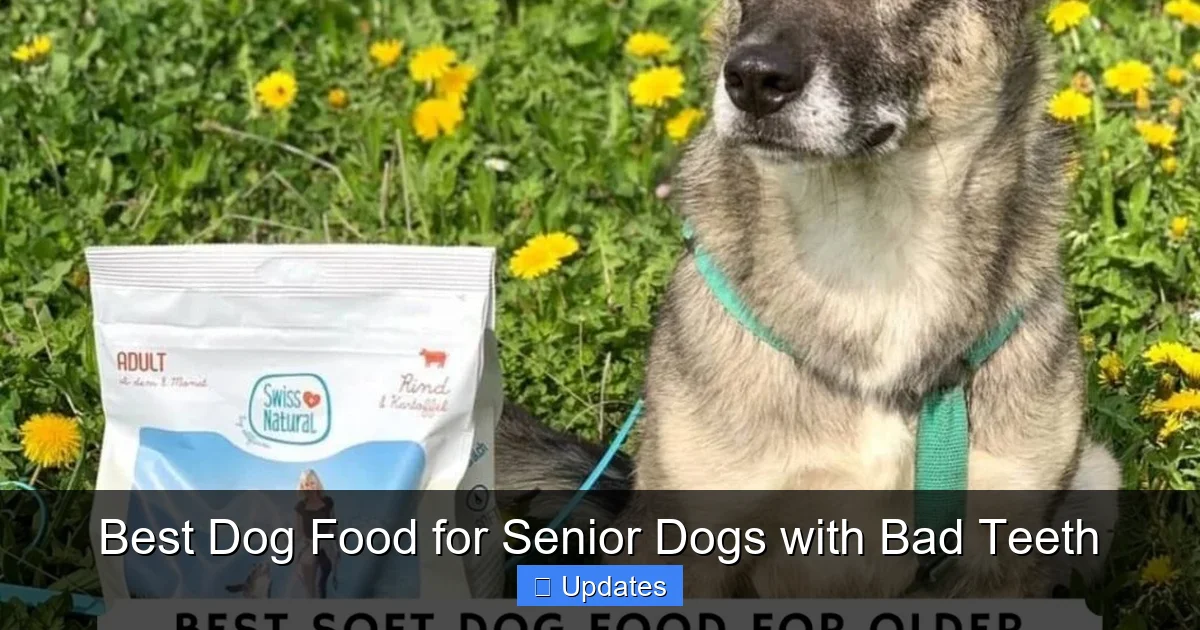
Visual guide about Best Dog Food for Senior Dogs with Bad Teeth
Image source: welovedoodles.com
1. Soft/Moist (Pâté or Loaf Style) Canned Foods
These are the gold standard. They have a smooth, uniform consistency similar to pâté that can be lapped up effortlessly. They are:
- Highly palatable: The strong aroma often appeals to dogs with reduced senses.
- Hydrating: They contain 70-80% water, crucial for senior kidney function.
- Nutrient-dense: High-quality canned foods are packed with protein and fat in every bite.
Tip: Look for brands that list real meat (chicken, beef, turkey, fish) as the first ingredient, not broth or water. For a comprehensive look at top options, check out our reviews of the best wet dog food for senior dogs.
2. Soft Kibble (Specifically Formulated)
Some brands produce kibble that is inherently softer and more porous. These are often smaller in size and have a different baking process that creates a less dense, crumbly texture. They can sometimes be eaten as-is by a dog with mild dental issues.
- Pro: You can measure and portion easily, and they help slightly with plaque scraping if the dog can manage a gentle crunch.
- Con: For severe dental pain, even soft kibble may be too much. Always test a small amount first.
You might also find excellent options in our guide to the best soft dog food for senior dogs.
3. Soakable Dry Food (The DIY Gruel Method)
This is the most versatile and cost-effective approach. Take a high-quality, nutrient-rich senior kibble (preferably one with good protein and fat content) and add warm water or low-sodium broth.
- Method: Start with a 1:1 ratio of kibble to liquid. Let it sit for 5-10 minutes until it softens completely. For very soft results, use more liquid or let it soak longer. You can also use a blender for a smooth puree.
- Benefit: You control the texture perfectly. You can make it soupy for extreme cases or just soft for mild discomfort.
- Caution: Soaked food spoils quickly. Discard any uneaten portion after 20-30 minutes, especially in warm weather.
Many small-breed seniors have unique needs. If your tiny companion has dental issues, be sure to read our specific recommendations for senior dog food for small breeds.
Critical Nutrients for the Aging Canine with Dental Issues
Texture isn’t the only factor. The nutritional profile must support a senior dog’s changing metabolism, especially when they might be eating less due to dental pain.
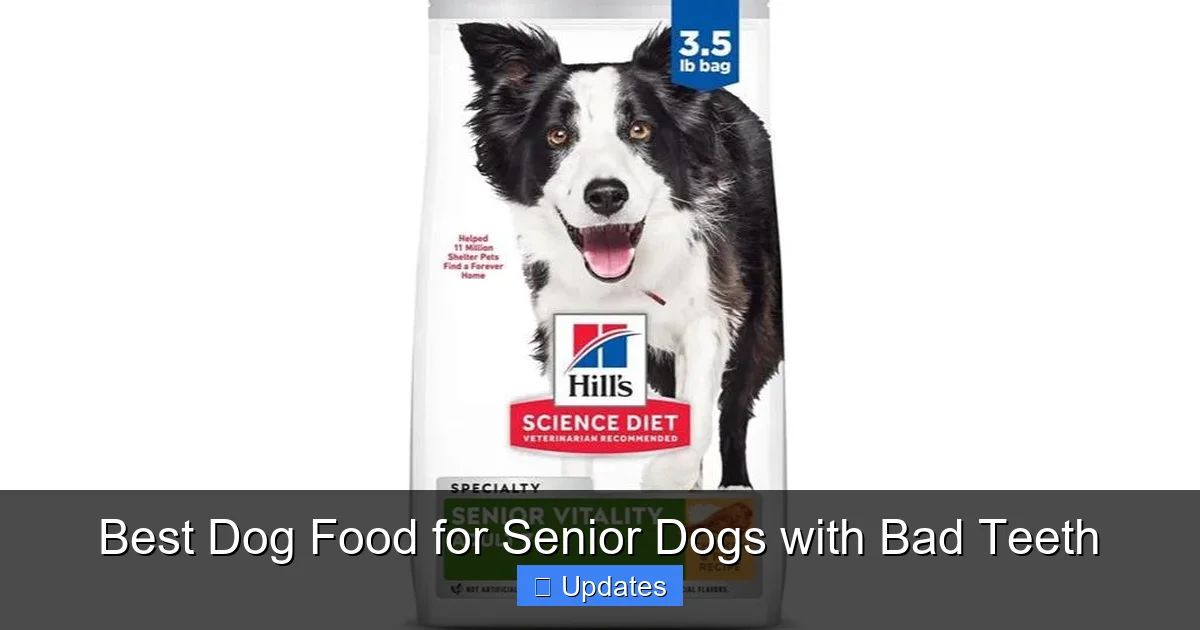
Visual guide about Best Dog Food for Senior Dogs with Bad Teeth
Image source: aplaceforanimals.com
High-Quality, Moderate Protein
Senior dogs still need protein to maintain muscle mass, but excessive protein can strain aging kidneys. Look for:
- Real animal protein as the first ingredient (chicken meal, deboned turkey, salmon).
- Moderate protein levels (typically 18-25% on a dry matter basis for healthy seniors; your vet may advise lower for kidney concerns).
- Avoid fillers like corn, wheat, and soy that add bulk but little nutrition.
Healthy Fats and Omega Fatty Acids
Fats are a concentrated energy source, vital for seniors who may eat less volume. They also support:
- Skin and coat health: Omega-6 and Omega-3 fatty acids (from fish oil, flaxseed, or chicken fat) reduce inflammation and keep skin supple.
- Joint health: Omega-3s (EPA/DHA) are natural anti-inflammatories. Many senior formulas add glucosamine and chondroitin for cartilage support.
- Palatability: Fats make food taste and smell better, encouraging a reluctant eater.
Controlled Calcium and Phosphorus
Excessive calcium and phosphorus can contribute to skeletal problems and strain kidneys in dogs with pre-existing issues. Senior formulas are typically balanced with lower levels of these minerals compared to puppy or all-life-stage foods.
Fiber for Digestive Health
Senior digestion can slow. Moderate, soluble fiber (from pumpkin, sweet potato, beet pulp) aids in regular bowel movements and feeds beneficial gut bacteria. It also provides a gentle feeling of fullness.
Added Vitamins, Antioxidants, and Probiotics
These support overall immune function, cognitive health, and digestive efficiency—all critical for a vibrant senior life. Look for vitamin E, vitamin C, lutein, and live probiotic cultures.
Practical Feeding Tips & Strategies
Choosing the right food is half the battle. How you serve it makes a huge difference in comfort and acceptance.
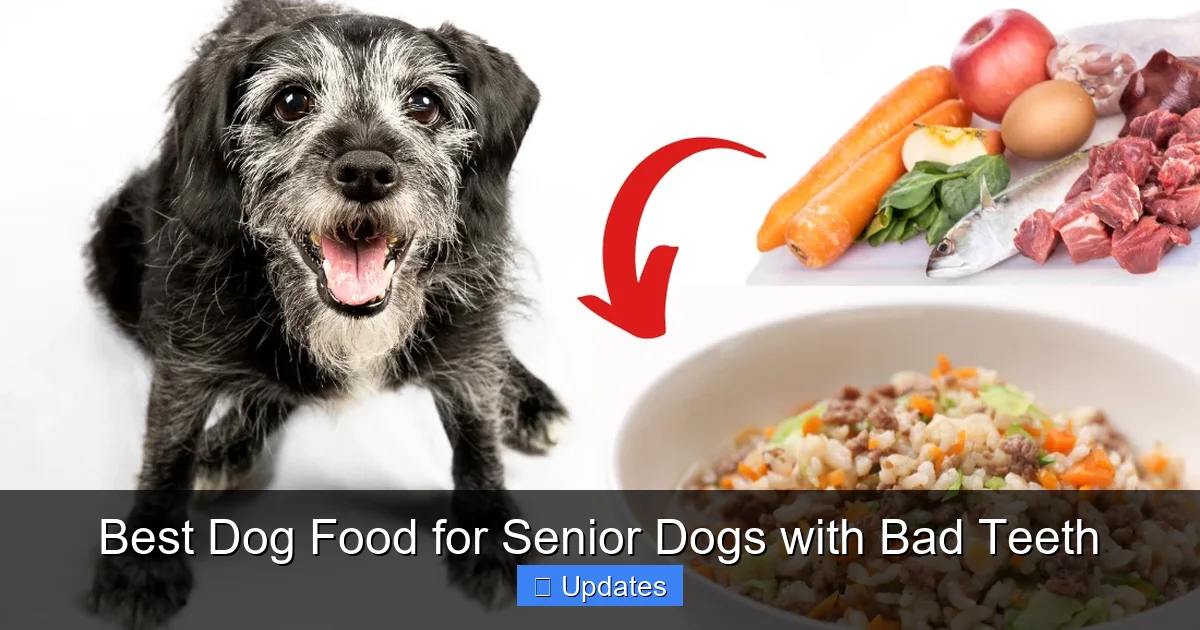
Visual guide about Best Dog Food for Senior Dogs with Bad Teeth
Image source: rockykanaka.com
Temperature Matters
Warm food (not hot) releases more aroma, which is powerful for a senior with a diminishing sense of smell. Gently warm wet food or soaked kibble in the microwave for 10-15 seconds, stirring thoroughly to avoid hot spots. This mimics the temperature of fresh prey and can be a game-changer for a picky eater.
Elevated Bowls
Raised feeders reduce the need for a dog to lower its head and neck, which can be painful for those with arthritis in the neck, shoulders, or spine. They also help with swallowing. Choose a height where your dog’s neck is mostly parallel to the floor when eating.
Multiple Small Meals
Instead of one or two large meals, offer 3-4 smaller meals throughout the day. This prevents overwhelming a sensitive stomach, keeps energy levels stable, and reduces the time spent eating in one session if the jaw gets tired.
Patience and Experimentation
Your dog might reject a new food at first. Try mixing a little of the new food with their old (soaked) favorite, gradually increasing the ratio. Offer it at room temperature. Be patient—it can take weeks to find a staple they love. Always have fresh, clean water available, especially with dry food.
Complementary Care is Essential
Food is medicine, but it’s not the only medicine. Dental care under anesthesia (a full cleaning and extraction of hopeless teeth) is the single most effective way to provide permanent relief. Discuss this option with your vet. In the meantime, daily tooth brushing with a soft brush and pet-safe toothpaste, dental rinses, and regular dental check-ups are paramount. For more on overall senior comfort, a supportive orthopedic bed can reduce whole-body aches that might make bending to eat uncomfortable.
Top Recommended Food Types & Brands to Consider
While specific brands change, here are the *types* of products and some consistently well-regarded categories to start your search.
- Veterinary Prescription Diets: If your dog has concurrent kidney disease or severe sensitivities, a vet-prescription diet like Hill’s k/d or Royal Canin Renal Support (often available in canned soft formulas) is the safest, most targeted choice.
- Premium Senior Wet Foods: Brands like Wellness Senior, Merrick Senior, and Nutro Senior offer canned formulas with high protein, good fat, and joint support. The best senior wet dog food lists often highlight these.
- High-Quality, Soakable All-Stage or Senior Kibble: Look for brands with a strong reputation for ingredient quality, such as Orijen, Acana, or Fromm. Their senior or all-life-stage formulas have good nutrient profiles for soaking.
- Fresh/Frozen Food Delivery Services: Companies like The Farmer’s Dog or PetPlate deliver pre-portioned, gently cooked, soft meals. They are highly digestible and palatable but come at a premium cost. This is an excellent option if budget allows and your dog is a very picky eater.
Remember: The “best” food is the one your dog will eat consistently and that agrees with their system. Start with small samples or cans to test acceptance before committing to a large bag or case.
Conclusion: Comfort and Nutrition Go Hand-in-Hand
Seeing your senior dog suffer with dental pain doesn’t have to be a permanent part of aging. By switching to a soft, moist, or easily soaked diet rich in high-quality protein and supportive nutrients, you directly address the barrier to their nutrition. You are not just changing food; you are restoring a daily joy, maintaining their strength, and improving their quality of life. Combine this dietary change with diligent veterinary dental care, and you give your loyal companion the comfortable, dignified mealtime they deserve. Always partner with your veterinarian in this journey—they know your dog’s complete health history and can provide the most personalized recommendations for the best dog food for senior dogs with bad teeth.
Frequently Asked Questions
Can I just feed my senior dog with bad teeth only wet food forever?
Yes, absolutely. A 100% wet or moist food diet is a complete and balanced solution for dogs with dental pain. It provides all necessary nutrients, excellent hydration, and requires zero chewing. Just ensure you choose a formula labeled for “complete and balanced” nutrition for your dog’s life stage (senior or all life stages).
Is soaking dry kibble enough, or do I need a special soft kibble?
Soaking a high-quality kibble is often perfectly sufficient and more economical. It allows you to control the exact texture. Special soft kibbles are convenient but may not achieve the same level of softness as a well-soaked meal. For very severe dental pain, a pâté-style wet food or fully blended soaked kibble will be easier than even the softest dry kibble.
What if my senior dog refuses to eat the new soft food?
Persistence and creativity are key. Try warming the food to enhance its smell. Mix a spoonful of something they love (like low-sodium broth, a bit of plain cooked pumpkin, or a sprinkle of a tasty topper) into the new food. Ensure the transition is very gradual. If refusal persists, consult your vet to rule out other painful issues like nausea or gastrointestinal problems.
Should I still try to brush my senior dog’s teeth if they have bad teeth?
Yes, but with extreme gentleness and only if it doesn’t cause obvious pain. Use an ultra-soft toothbrush and focus on the outer gumline where plaque accumulates most. If your dog winces, yelps, or bleeds significantly, stop immediately. The goal is maintenance and comfort, not causing distress. Professional dental cleanings under anesthesia are the only way to properly address established disease.
Are there any foods I should absolutely avoid?
Avoid anything hard and crunchy: traditional bones, hard dental chews (like some Greenies), rawhides, and hard kibble if it causes pain. Also, avoid foods with excessive fillers (corn, soy), artificial preservatives, and added sugars. Stick to simple, recognizable ingredient lists from reputable brands.
How can I tell if my dog’s food texture is working?
You’ll see clear signs: your dog eats eagerly and finishes their meal without dropping food or favoring one side. Their energy and coat condition should improve or remain stable. Most importantly, monitor their weight. A stable or healthy-increasing body condition score (you should be able to feel but not prominently see ribs) indicates they are consuming enough calories. Regular vet check-ups will confirm their nutritional status.