
Letter to My Senior Daughter


Leg Massager for Circulation

Motion Sensor Night Lights

Book Holder Stand
Writing a letter to your senior daughter is a beautiful way to share love, guidance, and memories as she transitions into the next chapter of life. This meaningful gesture can strengthen your bond and provide comfort during times of change. Whether you’re reflecting on her journey or offering advice for the future, a thoughtful letter becomes a lasting legacy.
Key Takeaways
- Emotional Connection: A letter to your senior daughter helps express deep feelings that might be hard to say out loud, strengthening your emotional bond.
- Legacy Building: It serves as a treasured keepsake she can revisit throughout her life, preserving your voice and wisdom for future generations.
- Guidance & Wisdom: Share practical advice about aging, relationships, health, and personal growth tailored specifically to her experiences and personality.
- Memory Preservation: Include anecdotes and milestones from her childhood and youth to remind her of who she’s always been, even as she grows older.
- Encouragement & Support: Offer reassurance during uncertain times, letting her know you believe in her strength and resilience no matter what comes next.
- Invitation to Dialogue: Open the door for ongoing conversation—this isn’t just one note; it’s the start of a lifelong dialogue between you both.
- Practical Tips: Keep it handwritten or type it carefully, store it safely, and consider writing more letters at different stages of her life journey.
📑 Table of Contents
- Letter to My Senior Daughter: A Timeless Gift of Love
- The Meaning Behind Writing a Letter to Your Senior Daughter
- How to Start Your Letter: Opening Lines That Resonate
- Content Ideas: What to Include in Your Letter
- Writing Styles That Connect Emotionally
- Practical Tips for Writing and Storing Your Letter
- When to Give the Letter: Timing Matters
- Common Mistakes to Avoid
- Making It Interactive: Encourage Reciprocation
- Digital Alternatives: Letters in the Modern Age
- Real-Life Examples: Inspiring Letters
- Final Thoughts: Why This Letter Lasts Forever
- Related Articles You Might Enjoy
Letter to My Senior Daughter: A Timeless Gift of Love
There are moments in life when words carry more weight than actions. When we reach out across time and space to connect with someone we love deeply—especially our children—the simplest gestures can become powerful legacies. One such moment occurs when writing a letter to my senior daughter. It’s not just a message; it’s an invitation into her world, a reflection of ours, and a bridge spanning decades of shared experience.
As parents, we often find ourselves caught between pride in how far our children have come and concern for what lies ahead. Our senior daughters—those who may be nearing retirement, facing health changes, or simply entering a new phase of self-discovery—deserve more than occasional phone calls or birthday cards. They deserve heartfelt communication that honors their journey, acknowledges their growth, and offers gentle guidance through whatever challenges may arise. And nothing says “I see you” quite like a well-crafted letter.
In today’s fast-paced digital age, where instant messages replace thoughtful correspondence and social media updates eclipse personal reflections, taking the time to write a letter feels almost revolutionary. But that’s exactly why it matters. This letter isn’t just another piece of paper—it’s a treasure trove of love, wisdom, and connection that she’ll cherish long after you’re gone.
The Meaning Behind Writing a Letter to Your Senior Daughter
Why Now Is the Perfect Time
Many parents hesitate to reach out until their adult children are already dealing with significant life transitions—marriage, career shifts, parenting, or illness. But by then, emotions can run high, and opportunities for meaningful dialogue may slip away. Writing a letter to your senior daughter doesn’t require waiting for a crisis. In fact, doing so now allows you to speak from a place of calm reflection rather than urgency.
Visual guide about Letter to My Senior Daughter
Image source: christianstt.com
This is especially true if she’s recently retired, moved back home, or experienced a major health scare. These moments often prompt people to reevaluate priorities and seek deeper connections. A letter gives you the chance to meet her there—to acknowledge her accomplishments, validate her struggles, and offer support without pressure.
What Makes This Letter Unique
Unlike generic advice found in self-help books or even well-meaning but vague encouragements, a personalized letter carries intimate significance. It reflects your unique relationship, referencing inside jokes, shared memories, and specific qualities you admire. For example:
- “Remember when you insisted on wearing that bright yellow raincoat to school despite the thunderstorm? You taught me that courage looks different on every generation.”
- “Your grandmother used to say, ‘Life isn’t about waiting for the storm to pass—it’s about learning to dance in the rain.’ I hope you remember that whenever you feel overwhelmed.”
These details make the letter feel less like a lecture and more like a conversation between equals—two women who’ve walked similar paths but brought their own perspectives and strengths to each step.
How to Start Your Letter: Opening Lines That Resonate
Begin With Gratitude
Start by expressing genuine appreciation for all she’s accomplished and endured. Instead of saying, “You’ve done so much,” try something concrete like:
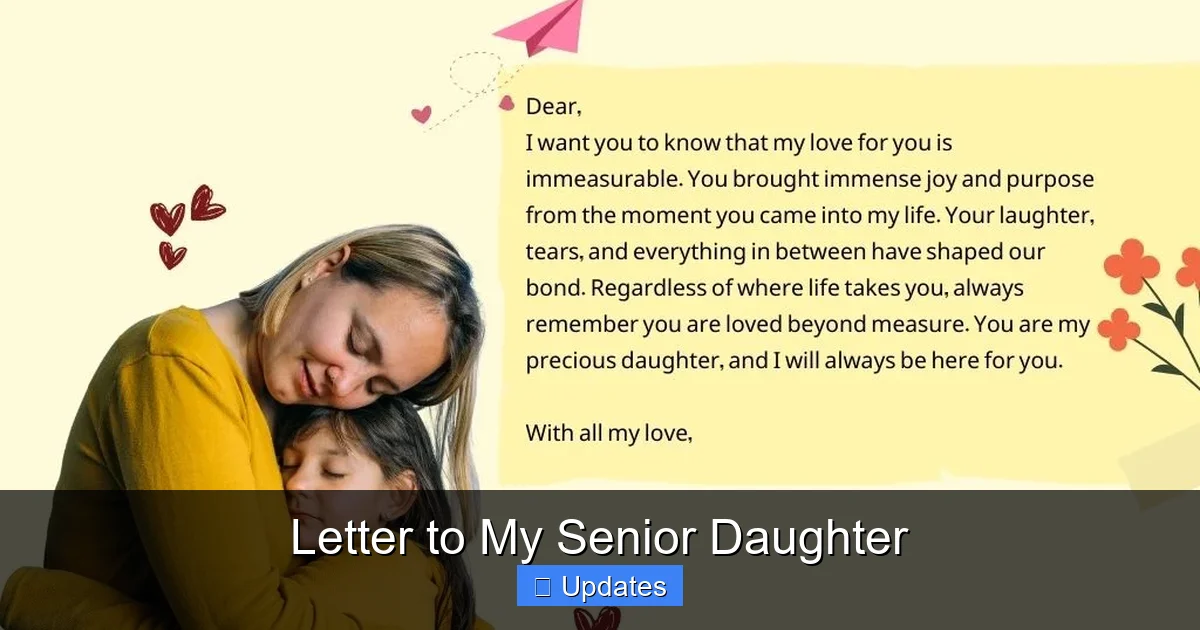
Visual guide about Letter to My Senior Daughter
Image source: cdn.cdnparenting.com
“Thank you for showing up every day—even when things got tough. Watching you grow into the woman you are now fills me with awe.”
This approach sets a tone of respect and admiration rather than expectation or judgment. It also reminds her that her presence alone has value beyond productivity or achievement.
Acknowledge Her Current Journey
If appropriate, gently reference where she is right now. You might say:
“I know this past year hasn’t been easy—the move, the adjustments, the sleepless nights caring for Grandpa—but seeing how you handled it all made me realize how resilient you truly are.”
Validating current experiences shows empathy and helps normalize her feelings, whether they’re positive or negative.
Content Ideas: What to Include in Your Letter
Share Your Own Life Lessons
Offer insights gained over decades—not as rigid rules but as reflections shaped by your joys and regrets. Consider including:
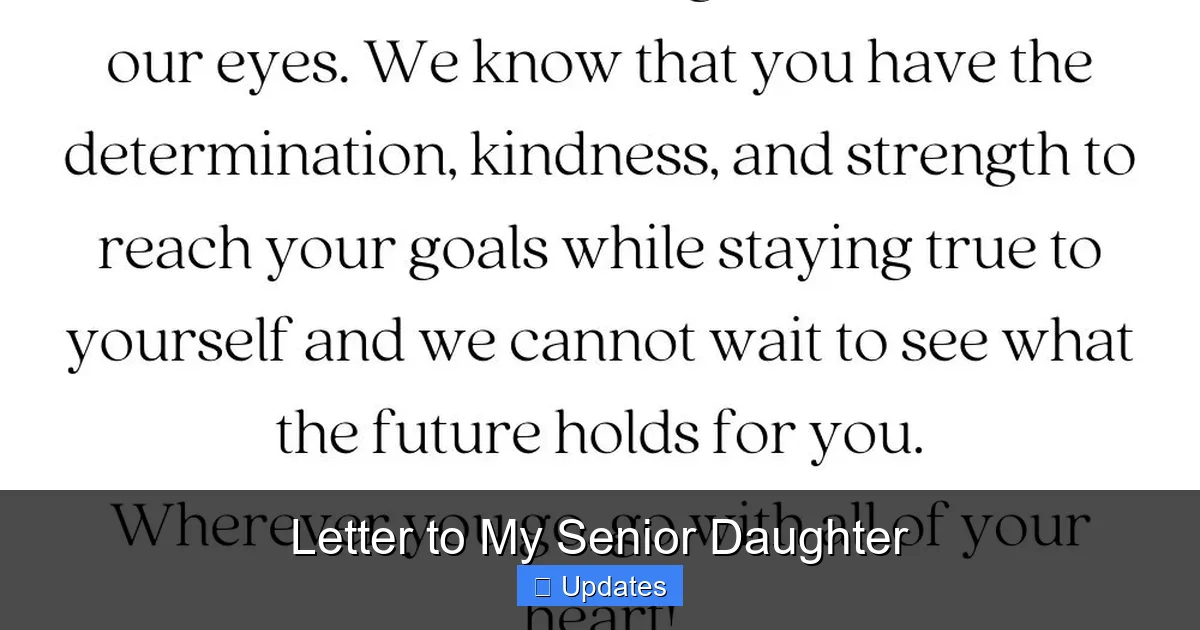
Visual guide about Letter to My Senior Daughter
Image source: i.pinimg.com
- Advice about maintaining friendships during busy seasons
- Tips for balancing independence with asking for help
- Stories about mistakes you wish you’d avoided (and ones you’re proud of)
For instance:
“When I lost my job at fifty-two, I felt like a failure. But turning that pain into opportunity changed everything. Don’t let setbacks define you—they’re just detours, not dead ends.”
Highlight Her Strengths
Mention specific traits you’ve observed over the years—patience, creativity, humor, determination—and explain why they matter. This reinforces self-worth and reminds her of her capabilities during uncertain times.
Include Family Updates
Keep her informed about siblings, nieces/nephews, pets, or community news. Even small updates create a sense of continuity and belonging.
Writing Styles That Connect Emotionally
Formal vs. Casual Tone
Choose a style that matches your natural rapport. If you’re close, use warm, conversational language. If formality fits your relationship better, maintain kindness without stiffness.
Use Analogies and Metaphors
Comparing life stages to seasons, trees, or journeys makes abstract concepts tangible. Try:
“Like autumn leaves turning gold before falling gently to the ground, your years of service deserve quiet celebration before resting.”
End With Affirmation
Close by reaffirming your love unconditionally. Something like:
“No matter what tomorrow brings, please know I’m proud of you—not because of what you’ve achieved, but because of who you are.”
Practical Tips for Writing and Storing Your Letter
Choose the Right Medium
Handwriting adds warmth and authenticity, but typing ensures clarity if your script isn’t neat. Either way, proofread carefully!
Set Aside Quiet Time
Write when you won’t be interrupted—morning coffee, late-night reflection, or during a peaceful walk. Let thoughts flow freely without editing too soon.
Store It Safely
Place it in a journal, envelope, or box labeled “For [Her Name] When Ready.” Some families include multiple letters for different milestones—graduation, marriage, retirement—so she receives them at meaningful points in her life.
When to Give the Letter: Timing Matters
During Transitions
Retirement, relocation, health scares, or family losses are ideal moments for receiving such a gift. The emotional openness makes it easier to absorb your words.
Anniversaries or Birthdays
Giving it on her birthday or another special date creates a ritual around remembrance and renewal.
Unexpected Moments
Sometimes leaving it somewhere unexpected—on her pillow, in her car glovebox, or taped to her bathroom mirror—can surprise her into reading it when she needs encouragement most.
Common Mistakes to Avoid
Don’t Overwhelm Her
Keep it concise—ideally one to two pages. Longer letters risk feeling burdensome instead of comforting.
Avoid Judgment or Criticism
Frame suggestions as observations, not corrections. Replace “You should…” with “I noticed…”
Skip Generic Phrases
Bypass clichés like “Time flies” or “Enjoy your golden years.” Be specific instead.
Making It Interactive: Encourage Reciprocation
Invite her to respond! Say something like:
“If you’d like to write back someday, I’d love to hear about your adventures—or just your thoughts. No rush, though.”
This opens the door without pressure and keeps the dialogue alive.
Digital Alternatives: Letters in the Modern Age
If handwriting feels daunting or you prefer electronic formats, consider:
- Email letters saved as PDFs
- Voice recordings played on a USB drive
- Video messages combined with written text
Just ensure the medium aligns with her preferences and technological comfort level.
Real-Life Examples: Inspiring Letters
One parent wrote:
“Dear Sarah,
When you were eight, you built a fort out of blankets and refused to leave even during dinner. That same stubbornness helped you finish nursing school despite doubters. Never apologize for needing rest—you’ve earned it.”
Another included:
“P.S. I hid chocolate chip cookies in my desk drawer just like Mom did for me. Treat yourself sometimes—you’re worth celebrating!”
Both resonate because they blend nostalgia with forward-looking encouragement.
Final Thoughts: Why This Letter Lasts Forever
A letter to your senior daughter transcends time. Years from now, as she faces her own challenges or celebrates milestones, returning to your words will reconnect her with your love and perspective. It becomes part of her inner compass—guiding decisions, soothing fears, and reminding her she’s never truly alone.
In a world rushing toward tomorrow, taking time to honor the present and prepare the future through heartfelt writing is one of the greatest gifts you can give. So pick up pen or keyboard, breathe deeply, and begin. The words you pour onto paper today will echo in her heart tomorrow.
Related Articles You Might Enjoy
To deepen your understanding of aging gracefully and supporting loved ones through life’s transitions, explore these related topics:
- Letter To My Future Senior Self – Reflect on your own journey and aspirations as you age.
- A Letter To My Senior Self – Gain insight into preparing emotionally and mentally for later years.
- Places To Take Senior Pictures – Celebrate this stage creatively with professional photography.
- What To Wear For Senior Portraits – Dress confidently for photos that capture your essence.
- How Old Are You To Be Considered A Senior Citizen? – Clarify definitions and societal expectations around aging.
Each resource complements your letter-writing journey, offering additional ways to honor growth, embrace change, and celebrate life’s rich tapestry.
Frequently Asked Questions
Should I include advice in my letter to my senior daughter?
Yes, but frame it as gentle suggestions rather than directives. Share experiences from your own life to illustrate points, and focus on values like resilience, kindness, and self-care. Avoid overwhelming her with lists of dos and don’ts.
How long should the letter be?
One to two pages is ideal—long enough to convey meaning, short enough to read in one sitting. Quality matters more than quantity; prioritize sincerity over length.
Can I write multiple letters for different occasions?
Absolutely! Consider writing letters for her birthday, retirement, milestone anniversaries, or even holidays. Storing them together creates a timeline of love she can revisit over the years.
What if she doesn’t open or read the letter?
Respect her process. Sometimes people need time to absorb emotions before engaging. Leave it somewhere visible but non-intrusive, and let her choose when—or if—she wants to read it.
Is it okay to mention difficult topics like illness or loss?
Only if appropriate to your relationship and her readiness. If relevant, do so with compassion and hope. Focus on support rather than dwelling on pain.
How do I make sure my letter feels personal?
Incorporate specific memories, inside jokes, or quotes she loves. Reference her personality traits or passions. Avoid generic phrases—your unique voice is what makes it special.