
Fresh Dog Food for Senior Dogs


Toilet Safety Rails

Anti-Glare Reading Glasses

Electric Kettle with Auto Shutoff
As dogs age, their nutritional needs shift dramatically. Fresh dog food for senior dogs delivers highly digestible, moisture-rich meals packed with targeted nutrients to support joint health, digestion, and organ function. Unlike processed kibble, it’s gentler on sensitive teeth and appetites, making it a powerful tool for maintaining your senior dog’s comfort and vigor in their golden years.
Watching your loyal canine companion enter their senior years is a journey filled with extra cuddles and a new set of considerations. That once boundless puppy energy has mellowed into gentle wisdom, and their body is telling a new story. You might notice them moving a bit slower, seeming less interested in their usual kibble, or needing more frequent potty breaks. These aren’t just signs of aging; they’re signals that their nutritional needs have fundamentally changed. This is where exploring fresh dog food for senior dogs moves from a trendy idea to a potentially transformative choice for their comfort and longevity.
For years, we’ve been conditioned to reach for the bag of kibble. It’s convenient, shelf-stable, and often marketed with pictures of vibrant, active dogs. But for our aging pups, that same highly processed, carbohydrate-heavy, low-moisture food can sometimes be the opposite of what their systems crave. Their digestive efficiency declines, their sense of smell and taste dulls, and conditions like arthritis or kidney concerns become more prevalent. A diet made from fresh, whole ingredients—real meat, vegetables, and beneficial supplements—can address these changes at a foundational level. It’s not about a magic cure, but about providing the building blocks their bodies need to thrive, not just survive, in their later chapters.
Key Takeaways
- Tailored Nutrition is Essential: Senior dogs need adjusted protein, fat, and calorie levels, plus specific supplements like glucosamine and omega-3s, which fresh diets can custom-formulate for.
- Superior Hydration: The high moisture content in fresh food (often 70-80%) combats chronic mild dehydration common in older dogs, supporting kidney and urinary tract health.
- Easier to Chew & Digest: The soft, whole-food texture is ideal for dogs with dental wear or missing teeth, and its natural ingredients reduce digestive strain compared to highly processed kibble.
- Joint & Mobility Support: Fresh diets can incorporate real food sources of collagen, glucosamine, and anti-inflammatory fats to directly support aching joints.
- Palatability for Picky Eaters: The aroma and taste of real meat and vegetables often win over senior dogs whose appetites have faded, ensuring they get necessary nutrition.
- Weight Management Made Simple: Precise portioning of lean proteins and healthy fats in fresh food helps maintain a healthy weight, reducing stress on joints and organs.
- Veterinary Collaboration is Key: Always discuss dietary changes with your vet, especially for dogs with specific conditions like kidney disease or diabetes, to ensure the fresh diet is appropriate.
📑 Table of Contents
- Understanding the Evolving Nutritional Needs of Your Senior Dog
- Why Fresh Food is a Game-Changer for Aging Canines
- Key Ingredients to Look For in a Senior-Focused Fresh Diet
- How to Transition Your Senior Dog to Fresh Food Successfully
- Choosing the Right Fresh Dog Food Service or Recipe
- Addressing Common Concerns and Questions
- The Bottom Line: Nourishing the Golden Years
Understanding the Evolving Nutritional Needs of Your Senior Dog
There’s no universal age when a dog becomes “senior.” It depends heavily on breed and size. A Great Dane may be a senior at 6, while a Chihuahua might not hit that milestone until 10-12. Regardless of the calendar, several physiological shifts occur that directly impact dietary requirements.
The Protein Puzzle: Quality Over Quantity
One of the biggest myths is that senior dogs need less protein. In fact, they often need more high-quality, easily digestible protein to combat sarcopenia—the age-related loss of muscle mass. Muscle is crucial for mobility, metabolism, and overall strength. The issue with many standard senior kibbles is they reduce protein overall, and the protein source is often plant-based or from low-quality meat meals, which are harder for an older gut to utilize. Fresh dog food for senior dogs prioritizes real, lean animal proteins (like chicken breast, turkey, or fish) that are highly bioavailable, meaning the body can absorb and use the amino acids efficiently to maintain precious muscle.
Managing Calories and Fat
Metabolism slows with age. A dog that was a calorie-burning machine at 5 may need 20-30% fewer calories at 10 to avoid unhealthy weight gain. Excess weight is a major contributor to joint pain and stress on the heart and lungs. Fresh diets allow for precise calorie control. The fat content can also be adjusted; healthy fats from sources like fish oil or coconut oil are vital for skin, coat, and brain health, but the overall amount should be managed to prevent piling on pounds.
The Critical Role of Hydration and Fiber
Chronic mild dehydration is a silent issue in senior dogs. Their thirst drive can diminish, and dry kibble (with ~10% moisture) does nothing to help. Proper hydration is non-negotiable for kidney function, joint lubrication, and digestion. Fresh food’s high water content (typically 70-80%) is like giving them a constant, tasty glass of water with their meal. Fiber needs also change. Soluble fiber (from pumpkins, sweet potatoes) aids digestion and can help with constipation, a common senior complaint, while insoluble fiber promotes gut motility. The gentle, whole-food fiber in fresh diets is often easier on a sensitive system than the cellulose and beet pulp found in some kibbles.
Why Fresh Food is a Game-Changer for Aging Canines
So what makes fresh dog food for senior dogs stand apart from even a “senior” labeled kibble? The difference lies in the processing—or lack thereof.
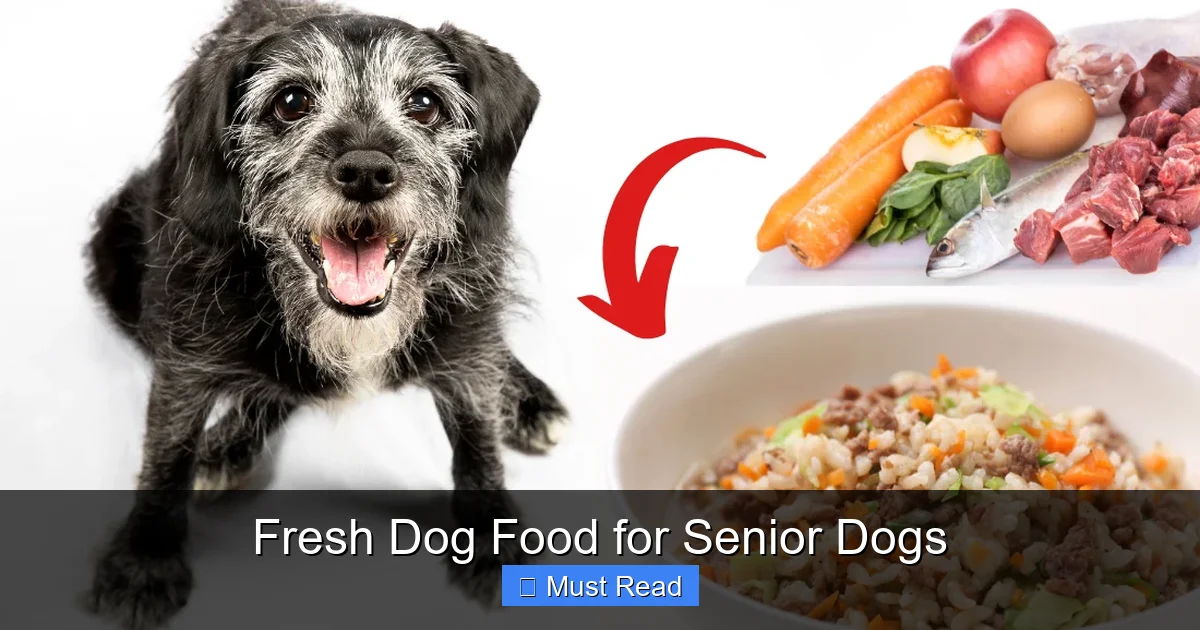
Visual guide about Fresh Dog Food for Senior Dogs
Image source: rockykanaka.com
Bioavailability and Digestibility
Think of kibble as a highly refined, cooked, and extruded product. This process can denature proteins, destroy some natural enzymes, and create advanced glycation end-products (AGEs), which can promote inflammation. Fresh food, gently cooked or served raw, maintains the integrity of these nutrients. Your senior dog’s body doesn’t have to work as hard to break down and absorb what it needs. This means more energy from less food, and less metabolic waste for aging kidneys and liver to handle. For a dog with a finicky stomach or decreased digestive enzymes, this can mean the difference between a happy gut and daily discomfort.
Palatability: Winning Over a Fading Appetite
Have you ever smelled kibble versus a freshly cooked meal? The difference is stark. A senior dog’s sense of smell, their primary sense for evaluating food, weakens. The potent, natural aromas of real meat and vegetables in fresh food are far more enticing. This is crucial for dogs who have started to turn their noses up at their usual food, risking calorie and nutrient deficiency. The appealing taste and texture can reignite their interest in mealtime, ensuring they get the sustenance they need.
Customization for Specific Health Concerns
This is perhaps the most powerful advantage. A commercial fresh food service or a carefully homemade recipe (under veterinary guidance) can be tailored. Need to support hips? Add real-food sources of glucosamine and chondroitin (like chicken cartilage) and anti-inflammatory fish oil. Managing early kidney disease? A vet-formulated fresh diet can precisely control phosphorus and protein levels while maintaining quality. Supporting cognitive health? Incorporate antioxidants from blueberries and spinach. This level of targeted nutrition is nearly impossible with a one-size-fits-all kibble bag.
Key Ingredients to Look For in a Senior-Focused Fresh Diet
Not all fresh dog foods are created equal, especially for seniors. You must read the ingredient list and guaranteed analysis with a senior’s needs in mind.

Visual guide about Fresh Dog Food for Senior Dogs
Image source: rockykanaka.com
- Premium Animal Protein: Look for specific meat sources like “boneless chicken breast” or “wild-caught salmon” as the first ingredient. Avoid vague terms like “poultry by-product meal.”
- Joint-Support Powerhouses: Ingredients like fish oil (for omega-3s EPA/DHA), chicken cartilage or beef trachea (natural glucosamine/chondroitin), and turmeric (anti-inflammatory) are golden.
- Antioxidant-Rich Veggies: Blueberries, spinach, carrots, and sweet potatoes provide vitamins A, C, E, and selenium to combat oxidative stress, which accelerates aging.
- Digestive Aids: Pumpkin, probiotics (like lactobacillus acidophilus), and prebiotics (from chicory root or garlic) support a healthy gut microbiome, which is intrinsically linked to immune health.
- Controlled Sodium & Phosphorus: For dogs with hypertension or kidney concerns, these minerals must be carefully monitored. Reputable fresh food companies formulate for these conditions.
When comparing brands, transparency is key. The best companies will share their formulation philosophy, ingredient sourcing, and often have a veterinary nutritionist on staff. They should also be willing to discuss their nutrient profiles (not just percentages, but actual amounts of key nutrients like glucosamine or omega-3s) which is a significant advantage over kibble labels.
How to Transition Your Senior Dog to Fresh Food Successfully
Your senior dog’s digestive system is a delicate ecosystem. A sudden overhaul can lead to tummy trouble, no matter how good the food is. A slow, patient transition is non-negotiable.

Visual guide about Fresh Dog Food for Senior Dogs
Image source: animalhowever.com
The 7-10 Day Gradual Switch
Start by mixing a small amount of fresh food (about 10-15% of their total meal) with their current kibble. For the next week, slowly increase the fresh food percentage while decreasing the kibble. Go at a pace that keeps their stool firm and normal. If diarrhea occurs, slow down or hold at the current ratio for an extra day. Senior dogs may need an even longer transition period—think 10-14 days.
Monitoring and Adjusting
During the transition and after, become a keen observer. Note their energy levels, stool quality, water intake, joint stiffness (especially in the morning), and overall zest. Weigh them weekly. You may need to adjust the portion size up or down based on their activity and body condition. A healthy senior dog should have a visible waist and you should be able to feel, but not prominently see, their ribs. If you notice any negative changes like loss of appetite, vomiting, or lethargy, pause the transition and consult your vet.
Serving Temperature and Texture
Warming fresh food slightly (to room temperature or just warm) can dramatically enhance its aroma, making it more appealing. For dogs with severe dental disease, you can lightly puree or finely chop the fresh food to create a pâté-like consistency, ensuring they get the nutrition without pain. Some pet parents of small-breed seniors also find that finely minced fresh food is easier to manage. For more on texture-specific options, you might explore resources on best soft dog food for senior dogs, which often overlaps with fresh or gently cooked formats.
Choosing the Right Fresh Dog Food Service or Recipe
The market for fresh dog food has exploded, with options ranging from subscription-based delivery services to local boutique kitchens to carefully planned homemade diets. How do you choose?
Commercial Fresh Food Services: Convenience vs. Customization
Companies like The Farmer’s Dog, PetPlate, or Spot & Tango offer convenience with pre-portioned, vet-formulated meals delivered to your door. They often have specific “senior” blends with adjusted nutrients. Pros are ease, consistent quality control, and often AAFCO-complete nutrition. Cons can be less customization for specific medical conditions (though some offer veterinary consult add-ons) and higher long-term cost. Research their sourcing, recall history, and transparency.
Local Artisanal & Boutique Options
Local fresh food producers can offer more personalized service and sometimes more specific formulations. You might be able to request a custom batch for a dog with unique needs. The key is to ask about their nutritional analysis, who formulates their recipes (look for a board-certified veterinary nutritionist), and their food safety protocols (HACCP certification is a plus).
The Homemade Route: Proceed with Extreme Caution
Making fresh food at home gives you ultimate control, but it comes with immense responsibility. It is critically easy to create severe nutritional imbalances—deficiencies in calcium, phosphorus, or specific vitamins—that can cause long-term harm, especially in a senior dog with less physiological reserve. If you choose this path, you must work with a veterinary nutritionist to formulate a complete and balanced recipe tailored to your individual dog’s health status, size, and activity level. They will also guide you on necessary supplements. Never rely on generic online recipes.
For small breed seniors, the stakes are even higher due to their unique metabolic rates and predisposition to certain conditions like dental issues and hypoglycemia. You’ll need a formulation that accounts for their tiny caloric needs and dense nutrient requirements. This is where specialized resources on senior dog food for small breeds become invaluable, as they highlight brands and formulations that understand these nuanced needs.
Addressing Common Concerns and Questions
Switching to fresh food is a big decision, and pet parents have valid questions about cost, safety, and logistics.
Is Fresh Food Safe from Bacteria?
Raw fresh food carries a risk of pathogens like Salmonella or Listeria, which can affect both dogs and humans. Gently cooked fresh food (lightly steamed or sous-vide) significantly mitigates this risk while retaining nutritional benefits. If feeding raw, follow strict handling protocols: wash hands, bowls, and surfaces thoroughly. Freezing can also reduce pathogen load. For immunocompromised seniors or households with young children or elderly humans, gently cooked is often the safer recommendation from veterinarians.
The Cost Factor: Is It Worth It?
Yes, fresh food is more expensive than kibble. You are paying for higher quality ingredients, specialized processing, and often, delivery. To manage costs, some pet parents use fresh food as a “topper” or supplement to a high-quality kibble, rather than a 100% replacement. This still provides many benefits—increased palatability, moisture, and nutrient diversity. Calculate the cost per meal and weigh it against potential long-term savings on veterinary bills for preventable issues like obesity, dental disease, or chronic GI upset.
Storage and Shelf-Life
Fresh food is perishable. Upon arrival, it must be refrigerated immediately. Most fresh food services provide meals in vacuum-sealed packs that last 7-14 days in the fridge. They can usually be frozen for longer storage (1-3 months), though texture may change slightly upon thawing. This requires more fridge/freezer space and planning than opening a bag of kibble.
The Bottom Line: Nourishing the Golden Years
Our senior dogs have given us years of unwavering companionship. In return, we can offer them the very best nutrition to ease their journey into old age. Fresh dog food for senior dogs is not a superfluous luxury; for many, it’s a strategic health intervention. It provides superior hydration, highly digestible nutrients, and customizable support for the specific ailments of aging—aching joints, a slowing metabolism, and a sensitive digestive tract.
The journey begins with a conversation with your veterinarian. Share your observations about your dog’s changing needs and your interest in fresh food. They can help you evaluate if it’s suitable and may even have recommendations for reputable local formulators or services. From there, research is your friend. Look for companies with transparent sourcing, veterinary nutritionist expertise, and clear formulations. Start the transition slowly, monitor your dog closely, and celebrate the small victories—a shinier coat, a more enthusiastic tail wag at mealtime, a smoother gait on the morning walk.
Choosing fresh food is choosing to be proactive. It’s about adding quality to their quantity of life. It’s about honoring the grey muzzle and the wise eyes with meals that are as thoughtful and nourishing as the love they’ve given you. In doing so, you’re not just feeding a dog; you’re fueling a friend for every precious, remaining adventure.
Frequently Asked Questions
Is fresh dog food really better for senior dogs than senior kibble?
For many senior dogs, yes. Fresh food offers superior hydration, highly digestible proteins to maintain muscle, and customizable formulations for specific age-related issues like joint pain or kidney health, which are often generalized in kibble. However, the “best” food is the one that meets your individual dog’s health needs, as determined with your vet.
Can I make fresh dog food for my senior dog at home?
You can, but it must be done with extreme caution and professional guidance. Homemade diets are notoriously prone to dangerous nutritional imbalances without precise formulation. Always work with a board-certified veterinary nutritionist to create a complete and balanced recipe tailored to your senior dog’s specific health status and size.
How much more expensive is fresh dog food compared to kibble?
Fresh dog food typically costs 2-4 times more per meal than mid-to-high-end kibble. You are paying for higher-quality ingredients, specialized processing, and often refrigerated delivery. Some pet parents manage cost by using fresh food as a 25-50% topper to a kibble base, still gaining many benefits.
My senior dog has missing teeth. Can they still eat fresh food?
Absolutely. In fact, the soft, moist texture of fresh food (especially gently cooked or minced formats) is often ideal for dogs with dental issues, making eating pain-free. You can further chop or lightly puree it to a gruel-like consistency if needed. This is a significant advantage over hard kibble.
How long does fresh dog food last in the fridge?
Most commercially prepared fresh dog food meals are designed to last 7-14 days when kept continuously refrigerated at or below 40°F (4°C). Always check the specific “use-by” date on the packaging. You can extend its life by freezing unused portions; most can be frozen for 2-3 months.
What’s the single most important thing to look for in a fresh dog food brand for seniors?
Transparency and expertise. Look for brands that clearly list all ingredients, share their guaranteed analysis and nutrient profiles, and—most importantly—state that their recipes are formulated by a board-certified veterinary nutritionist (not just a “pet nutritionist”). This ensures the food is truly balanced for your senior dog’s life stage and any specific health conditions.