
Senior Dog Back Legs Giving Out


Handheld Shower Head

Air Fryer for Easy Cooking

Easy Grip Kitchen Utensils
When your senior dog’s back legs start giving out, it’s scary—but you’re not alone. This common issue can stem from arthritis, degenerative myelopathy, or injury, but with early detection and proper care, many dogs continue to live happy, comfortable lives. Understanding the signs and acting quickly can make all the difference.
Key Takeaways
- Back leg weakness in senior dogs is often due to arthritis, nerve degeneration, or spinal issues. These conditions become more common as dogs age, especially in larger breeds.
- Early signs include difficulty standing, slipping on floors, or reluctance to jump or climb stairs. Watch for changes in gait or posture, like a hunched back or dragging paws.
- Veterinary diagnosis is essential to determine the root cause. Tests like X-rays, MRIs, or blood work help rule out infections, tumors, or neurological diseases.
- Treatment options range from medications and supplements to physical therapy and mobility aids. NSAIDs, joint supplements like glucosamine, and laser therapy can reduce pain and improve function.
- Home modifications—like ramps, non-slip rugs, and orthopedic beds—can greatly improve your dog’s quality of life. Simple changes make movement safer and more comfortable.
- Emotional support matters just as much as physical care. Stay patient, offer gentle encouragement, and maintain routines to reduce anxiety.
- With love and proactive care, many senior dogs adapt well and continue enjoying life. Your support helps them feel secure and loved during this stage.
📑 Table of Contents
Understanding Why Your Senior Dog’s Back Legs Are Giving Out
Watching your beloved senior dog struggle to stand, walk, or climb stairs can be heartbreaking. If your dog’s back legs are giving out, it’s natural to feel worried, confused, or even helpless. But here’s the good news: this issue, while serious, is often manageable—especially when caught early. Many senior dogs experience some degree of mobility decline as they age, and with the right care, they can still enjoy a high quality of life.
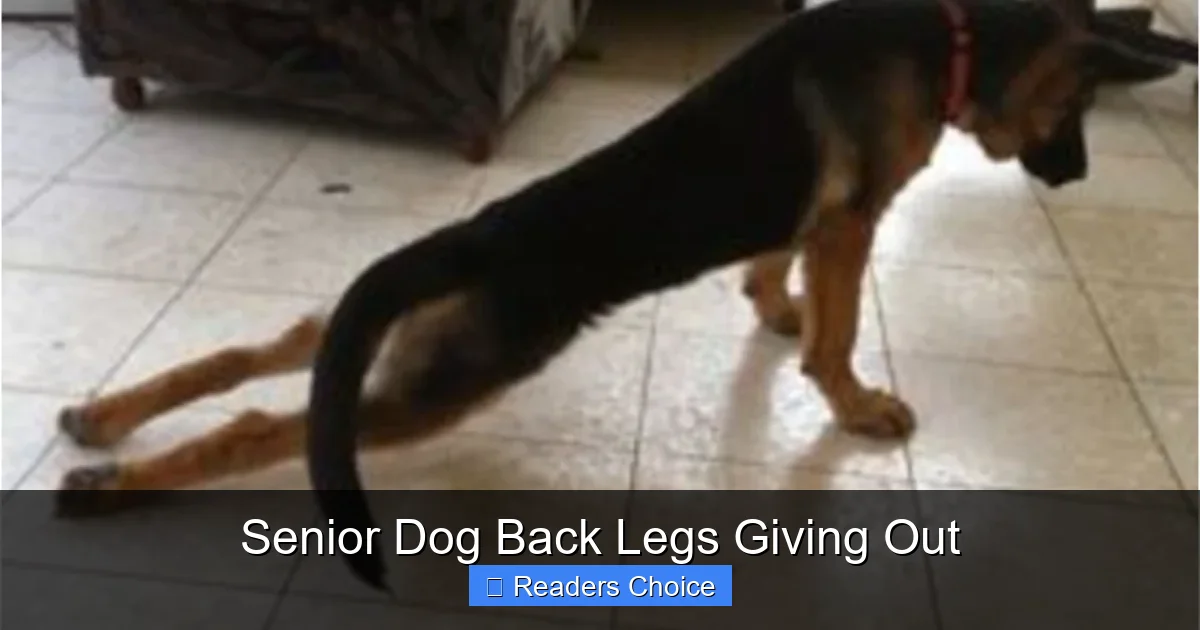
Back leg weakness in older dogs isn’t a disease itself—it’s usually a symptom of an underlying condition. Just like humans, dogs undergo wear and tear on their joints, muscles, and nervous system over time. The spine, hips, knees, and nerves that control leg movement can all be affected. The key is identifying what’s causing the problem so you can take the right steps to help your dog.
Common causes include arthritis, degenerative myelopathy, hip dysplasia, spinal injuries, and even certain cancers. Each of these conditions affects the body differently, but they all can lead to instability, pain, or loss of coordination in the hind legs. The good news? Many of these issues respond well to treatment, lifestyle changes, and supportive care.
Why Age Plays a Big Role
As dogs enter their senior years—typically around 7 to 10 years old, depending on breed and size—their bodies begin to slow down. Larger breeds like German Shepherds, Labrador Retrievers, and Golden Retrievers often show signs earlier than smaller dogs. This is partly because they carry more weight and have more stress on their joints.
Over time, cartilage in the joints wears down, leading to inflammation and pain. Nerves in the spinal cord can also degenerate, disrupting signals between the brain and the legs. This is especially true in conditions like degenerative myelopathy, a progressive disease that affects the spinal cord and causes gradual paralysis.
Even without a specific diagnosis, general aging can lead to muscle loss (called sarcopenia), reduced flexibility, and slower reflexes. All of these factors contribute to the feeling that your dog’s back legs are “giving out.”
When to Worry—and When to Act
Not every stumble or wobble means your dog is in crisis. But certain signs should prompt a vet visit right away. If your dog suddenly collapses, cries out in pain, or can’t move their legs at all, seek emergency care. These could indicate a spinal injury, blood clot, or severe neurological issue.
More commonly, the decline is gradual. You might notice your dog hesitating before standing up, favoring one side, or having trouble with stairs. They may also start dragging their nails or scuffing their paws when walking. These subtle changes are easy to miss, but they’re important clues.
The earlier you address back leg weakness, the better the outcome. Early intervention can slow disease progression, reduce pain, and help your dog maintain independence longer. So don’t wait—schedule a vet appointment if you notice any changes in your dog’s movement or behavior.
Common Causes of Back Leg Weakness in Senior Dogs

Visual guide about Senior Dog Back Legs Giving Out
Image source: nicksbeard.com
There’s no single reason why a senior dog’s back legs might start giving out. In fact, several conditions can cause similar symptoms, which is why a proper diagnosis is so important. Let’s break down the most common causes, what they look like, and how they’re treated.
Arthritis (Osteoarthritis)
Arthritis is one of the top culprits behind mobility issues in older dogs. It’s a degenerative joint disease that causes inflammation, pain, and stiffness—especially in the hips, knees, and spine. Over time, the cartilage that cushions the joints breaks down, leading to bone-on-bone contact.
Dogs with arthritis often show signs like limping, reluctance to move, or difficulty getting up after resting. They may also be stiff in the morning or after naps. You might notice them avoiding jumps, stairs, or long walks. In severe cases, the joints can become swollen or warm to the touch.
While arthritis can’t be cured, it can be managed effectively. Treatment often includes:
– Non-steroidal anti-inflammatory drugs (NSAIDs) prescribed by your vet
– Joint supplements like glucosamine, chondroitin, and omega-3 fatty acids
– Weight management to reduce stress on joints
– Physical therapy, including gentle stretching and range-of-motion exercises
Many dogs respond well to a combination of these approaches. Some even benefit from alternative therapies like acupuncture or laser treatment.
Degenerative Myelopathy (DM)
Degenerative myelopathy is a progressive neurological disease that affects the spinal cord. It’s most common in certain breeds, including German Shepherds, Boxers, and Corgis. DM starts with a slow loss of coordination in the back legs and eventually leads to paralysis.
Early signs include a wobbly gait, dragging of the nails, or crossing of the back legs when walking. As the disease progresses, dogs may have trouble standing, lose bladder control, or develop muscle atrophy. Unlike arthritis, DM is not painful—but it is irreversible.
There’s no cure for degenerative myelopathy, but supportive care can help maintain quality of life. Physical therapy, hydrotherapy (swimming), and mobility aids like harnesses or carts can keep your dog moving. Regular exercise helps preserve muscle strength and circulation.
Genetic testing is available for some breeds to determine if a dog is at risk. While it can’t predict if your dog will develop DM, it can help with early monitoring and planning.
Hip Dysplasia
Hip dysplasia is a developmental condition where the hip joint doesn’t form properly. It’s common in large breeds and can cause pain, lameness, and difficulty standing. While it often appears in younger dogs, symptoms can worsen with age, especially if not managed early.
Dogs with hip dysplasia may show a “bunny-hop” gait, stiffness after exercise, or reluctance to jump into the car. They might also have muscle loss in the hindquarters due to reduced use.
Treatment depends on severity. Mild cases may be managed with weight control, supplements, and anti-inflammatories. More severe cases might require surgery, such as a total hip replacement or femoral head osteotomy.
Even without surgery, many dogs live comfortably with proper care. Regular, low-impact exercise like swimming or leash walks helps keep joints mobile and muscles strong.
Intervertebral Disc Disease (IVDD)
IVDD occurs when the discs between the vertebrae in the spine bulge or rupture, pressing on the spinal cord. It’s more common in breeds with long backs, like Dachshunds, Corgis, and Basset Hounds.
Symptoms can range from mild pain and reluctance to move to complete paralysis. Dogs may yelp when touched, arch their back, or refuse to walk. In severe cases, they lose control of their bladder or bowels.
Treatment varies based on severity. Mild cases may respond to rest, anti-inflammatories, and crate confinement. More serious cases might need surgery to relieve pressure on the spinal cord.
Recovery depends on how quickly treatment begins. Dogs treated within 24–48 hours of symptom onset have the best chance of regaining mobility.
Other Possible Causes
Less common but still important causes include:
– **Tumors** (spinal or nerve-related): Can compress nerves and cause weakness or paralysis.
– **Infections** (like discospondylitis): Inflammation of the spine due to bacterial or fungal infection.
– **Stroke or vascular events**: Rare in dogs, but can cause sudden weakness.
– **Nutritional deficiencies**: Lack of certain vitamins or minerals can affect nerve and muscle function.
A thorough vet exam, including imaging and blood work, helps rule out these possibilities.
Recognizing the Signs and Symptoms
Visual guide about Senior Dog Back Legs Giving Out
Image source: images.saymedia-content.com
Knowing what to look for can help you catch problems early. Back leg weakness doesn’t always mean your dog is in pain—but it does mean something is off. Here are the most common signs to watch for.
Difficulty Standing or Rising
One of the earliest signs is trouble getting up from a lying or sitting position. Your dog might struggle, use their front legs to push, or need several attempts before standing. This is often due to joint pain or muscle weakness.
Stiffness or Limping
Stiffness, especially after rest, is a classic sign of arthritis. Your dog might move slowly at first, then loosen up after a few minutes. Limping or favoring one leg can indicate injury or joint inflammation.
Wobbling or Loss of Balance
If your dog’s back legs seem unsteady or they sway when walking, it could point to neurological issues like DM or IVDD. They might also cross their legs or have a wide stance to stay balanced.
Dragging Paws or Scuffing Nails
When dogs lose coordination, they may drag their back paws or scuff their nails on the floor. This is a red flag for nerve problems and should be checked by a vet.
Reluctance to Move
If your dog avoids walks, jumps, or stairs they used to enjoy, it’s a sign something is wrong. They might also seem less interested in playing or following you around the house.
Changes in Posture
A hunched back, tucked tail, or lowered head can indicate pain or discomfort. Some dogs sit or lie in unusual positions to relieve pressure on their spine or hips.
Behavioral Changes
Pain and mobility issues can affect mood. Your dog might become irritable, withdrawn, or anxious. They may also have accidents in the house due to difficulty reaching the outdoors.
Keep a journal of symptoms—note when they happen, how long they last, and what your dog was doing beforehand. This information helps your vet make an accurate diagnosis.
Diagnosis and Veterinary Care

Visual guide about Senior Dog Back Legs Giving Out
Image source: bulldogology.net
If your senior dog’s back legs are giving out, the first step is a thorough veterinary evaluation. Your vet will start with a physical exam, checking your dog’s reflexes, muscle tone, and range of motion. They’ll also assess pain levels and look for signs of neurological issues.
Diagnostic Tests
Depending on the suspected cause, your vet may recommend:
– **X-rays**: To check for arthritis, hip dysplasia, or spinal abnormalities.
– **MRI or CT scans**: For detailed images of the spine and nerves, especially if IVDD or tumors are suspected.
– **Blood work**: To rule out infections, organ issues, or metabolic diseases.
– **Genetic testing**: For breeds at risk of degenerative myelopathy.
– **Spinal tap (CSF analysis)**: In rare cases, to check for inflammation or infection in the nervous system.
These tests help pinpoint the cause and guide treatment. While they can be costly, they’re often necessary for an accurate diagnosis.
Second Opinions and Specialists
If your dog’s condition is complex or not improving, consider seeking a second opinion or visiting a veterinary neurologist or orthopedic specialist. These experts have advanced training and equipment to handle challenging cases.
Don’t be afraid to ask questions. Understanding your dog’s diagnosis and treatment options empowers you to make the best decisions for their care.
Treatment and Management Options
Once you have a diagnosis, your vet will recommend a treatment plan. The goal is to reduce pain, slow disease progression, and help your dog stay mobile and comfortable.
Medications
– **NSAIDs**: Reduce inflammation and pain. Common options include Carprofen, Meloxicam, and Galliprant. Always use under veterinary supervision—some can cause stomach or kidney issues.
– **Pain relievers**: Gabapentin or Tramadol may be used for nerve-related pain.
– **Muscle relaxants**: Help with spasms caused by spinal issues.
Supplements and Nutrition
Joint supplements like glucosamine, chondroitin, MSM, and omega-3 fatty acids support cartilage health and reduce inflammation. Look for high-quality brands with proven ingredients.
Weight management is crucial. Excess weight puts extra strain on joints and worsens symptoms. Ask your vet about a senior or joint-support diet.
Physical Therapy and Rehabilitation
Rehab can make a big difference. Techniques include:
– **Passive range-of-motion exercises**: Gently moving your dog’s legs to maintain flexibility.
– **Massage**: Relieves muscle tension and improves circulation.
– **Hydrotherapy**: Swimming or underwater treadmills build strength without impact.
– **Laser therapy**: Reduces inflammation and promotes healing.
Many veterinary rehab centers offer these services. You can also learn simple exercises to do at home.
Mobility Aids and Assistive Devices
As your dog’s mobility declines, tools can help them stay active:
– **Harnesses**: Support the hind end when walking or going upstairs.
– **Ramps**: Make it easier to get into cars or onto furniture.
– **Wheelchairs or carts**: Allow dogs with paralysis to move independently.
– **Non-slip flooring**: Use rugs or mats to prevent slipping on hardwood or tile.
These aids aren’t giving up—they’re giving your dog freedom.
Surgery (When Appropriate)
In some cases, surgery may be recommended—especially for IVDD, hip dysplasia, or tumors. While it’s a big decision, many dogs recover well and regain significant function.
Discuss risks, benefits, and recovery time with your vet or surgeon.
Making Life Easier at Home
Your home environment plays a big role in your dog’s comfort and safety. Small changes can make a big difference.
Create a Safe, Accessible Space
– Use baby gates to block stairs or slippery areas.
– Provide a soft, orthopedic bed in a quiet, warm spot.
– Keep food, water, and toys within easy reach.
– Use ramps for cars, couches, or beds.
Maintain a Routine
Dogs thrive on consistency. Try to keep feeding, walking, and bathroom times regular. This reduces stress and helps them feel secure.
Encourage Gentle Exercise
Short, frequent walks or indoor play sessions keep muscles strong and joints mobile. Avoid overexertion—listen to your dog’s limits.
Offer Emotional Support
Your dog may feel frustrated or scared. Stay calm, speak gently, and offer lots of love. Simple things like brushing, cuddling, or talking can boost their mood.
Monitor for Changes
Keep an eye on your dog’s condition. Note any new symptoms or changes in behavior. Regular vet check-ups help catch issues early.
When to Consider Euthanasia
This is the hardest decision any pet parent may face. If your dog is in constant pain, unable to walk or control bodily functions, and no longer enjoys life, it may be time to consider humane euthanasia.
Signs include:
– Inability to stand or move without assistance
– Chronic pain that doesn’t respond to treatment
– Loss of appetite or interest in favorite activities
– Frequent accidents or inability to go outside
– Severe anxiety or distress
Talk openly with your vet. They can help assess your dog’s quality of life and guide you through this difficult choice. Remember: choosing euthanasia out of love is not failure—it’s compassion.
Conclusion
Seeing your senior dog’s back legs give out is never easy. But with knowledge, care, and support, you can help them live their golden years with dignity and comfort. Early detection, proper treatment, and thoughtful home adjustments make a world of difference.
You’re not alone on this journey. Reach out to your vet, join support groups, and lean on fellow pet parents. Your love and dedication mean everything to your dog.
While you can’t stop aging, you can make every day count. With patience, empathy, and the right care, your senior dog can still enjoy walks, cuddles, and quiet moments by your side.
Frequently Asked Questions
Can a senior dog recover from back leg weakness?
Recovery depends on the cause. Dogs with arthritis or hip dysplasia often improve with treatment, while conditions like degenerative myelopathy are progressive but manageable. Early care gives the best chance for a good quality of life.
How can I help my dog stand up?
Use a supportive harness to lift their hind end gently. Place non-slip rugs on floors and consider ramps for furniture. Physical therapy and joint supplements can also strengthen muscles over time.
Is it safe to give my dog human pain medication?
No. Human pain relievers like ibuprofen or acetaminophen can be toxic to dogs. Always use only vet-prescribed medications and follow dosage instructions carefully.
Should I carry my dog everywhere?
Carrying can help short-term, but overuse may weaken their remaining muscles. Use a harness for support during walks and encourage gentle movement to maintain strength.
Can diet help with back leg weakness?
Yes. A balanced senior diet with joint-supporting nutrients like omega-3s and glucosamine can reduce inflammation and support mobility. Weight control is also key to减轻 joint stress.
How do I know if my dog is in pain?
Signs include limping, whining, restlessness, licking joints, or changes in appetite or behavior. If you’re unsure, consult your vet for a pain assessment and treatment plan.
