
Low Income Senior Housing Duluth Mn

Medication Reminder Alarm

Large Display Clock with Date

Electric Recliner Lift Chair
Finding low income senior housing in Duluth, MN can be challenging but not impossible. With the right resources and planning, seniors on fixed incomes can access safe, supportive, and affordable living options. This guide walks you through eligibility requirements, available programs, and practical tips to secure housing that fits your budget and lifestyle.
Finding low income senior housing in Duluth, MN doesn’t have to be overwhelming. As a growing number of older adults face rising living costs and limited financial resources, having access to affordable, dignified housing is more important than ever. Duluth, located along the scenic shores of Lake Superior, offers a range of housing solutions tailored to seniors who need support but want to maintain their independence.
Whether you’re a lifelong resident or considering moving to Duluth for its peaceful environment and strong community support system, knowing where to look and how to qualify makes all the difference. In this guide, we’ll walk you through everything you need—from eligibility rules to application tips—to help you find the right place to call home.
Key Takeaways
- Duluth offers several HUD-approved housing programs designed specifically for low-income seniors, including Section 202 Supportive Housing and HUD 202 projects.
- Eligibility is based on income, age, and residency—typically requiring applicants to be at least 62 years old, live in Minnesota, and meet strict income limits.
- Waitlists are common, so applying early and being persistent increases your chances of securing a unit when one becomes available.
- Supportive services may be included, such as meal delivery, transportation, health monitoring, and social activities—enhancing independence and quality of life.
- Local agencies like the Duluth Housing Authority and Area Agency on Aging (AAA) provide free assistance with applications, referrals, and advocacy.
- Alternative options exist beyond public housing, including nonprofit-affiliated communities and subsidized apartments that accept Housing Choice Vouchers (Section 8).
- Regularly checking for openings and staying informed about new developments or policy changes can make a big difference in finding timely housing.
📑 Table of Contents
- Understanding Low Income Senior Housing in Duluth
- Eligibility Requirements for Low Income Senior Housing in Duluth
- Types of Low Income Senior Housing Available in Duluth
- How to Apply for Low Income Senior Housing in Duluth
- Practical Tips for Securing Affordable Senior Housing
- Resources and Support Services in Duluth
- Frequently Asked Questions About Low Income Senior Housing in Duluth
Understanding Low Income Senior Housing in Duluth
Low income senior housing refers to residential options specifically designed for adults aged 62 and older who earn below certain income thresholds. These homes are typically subsidized by federal or state programs, nonprofit organizations, or local authorities. The goal? To ensure that aging residents can live safely, comfortably, and affordably without sacrificing essential services.
In Duluth, most low income senior housing falls under two main categories: publicly funded developments and privately managed communities that partner with government programs. Both types offer rent based on income rather than market rates, which can mean monthly payments as low as $50–$300 depending on your earnings and household size.
One of the best things about these programs is that they often include additional benefits like meals, transportation, housekeeping, and wellness checks. That means you don’t just get a roof over your head—you gain peace of mind knowing help is nearby.
Eligibility Requirements for Low Income Senior Housing in Duluth
To qualify for low income senior housing in Duluth, MN, you must meet several key criteria:
Age Requirement: Applicants must be at least 62 years old. Some properties may allow younger individuals with disabilities if they are part of a designated supportive housing program.
Income Limits: Your annual income must fall within the area median income (AMI) guidelines set by the U.S. Department of Housing and Urban Development (HUD). For example, in 2024, a single person earning less than ~$37,000/year may qualify, while a couple might have an upper limit around $42,000. These numbers vary slightly depending on the property and family size.
Residency Proof: You’ll need to show proof that you’ve lived in Minnesota for a certain period—usually six months—before applying.
Citizenship/Immigration Status: Generally, only U.S. citizens or eligible non-citizens can apply. Documentation such as birth certificates, passports, or green cards will be required.
Background Checks: Most landlords conduct criminal background checks, though many focus on violent offenses or drug-related crimes due to liability concerns.
It’s worth noting that even if you don’t meet every single requirement today, some programs offer preference points for veterans, survivors of domestic violence, or those with chronic illnesses. Be sure to ask about special accommodations during your initial inquiry.
Types of Low Income Senior Housing Available in Duluth
Duluth provides multiple pathways into affordable senior living. Here’s a breakdown of the most common types:
Public Housing Developments
Managed by the Duluth Housing Authority (DHA), these buildings offer fully subsidized units with rents calculated at 30% of your adjusted gross income. Many include elevators, wheelchair accessibility, and emergency alert systems. Examples include the historic Grandview Manor and the modern North Shore Towers.
Section 202 Supportive Housing
Funded by HUD, this program builds and maintains affordable housing for very low-income seniors (those making 50% or less of AMI). Residents often receive supportive services like nursing care coordination, medication reminders, and group activities. While there’s usually a waiting list, priority goes to frail elders or those needing assistance with daily tasks.
HUD 202 Projects
Similar to Section 202, these are nonprofit-operated complexes that combine affordable rent with on-site healthcare partnerships. In Duluth, places like Heritage Village and Lakeside Commons exemplify this model.
Nonprofit & Faith-Based Communities
Organizations such as St. Luke’s Lutheran Church and The Salvation Army run small-scale housing initiatives with sliding-scale rents and spiritual programming. These aren’t always listed online, so contacting local churches or senior centers first is wise.
Section 8 Housing Choice Voucher Program
Though not dedicated solely to seniors, this federal voucher allows eligible individuals to rent any private apartment accepting HUD subsidies. It’s especially useful if you prefer more privacy or neighborhood choice. However, competition is fierce, and landlords must agree to participate.
How to Apply for Low Income Senior Housing in Duluth
The application process varies by program, but here’s a general roadmap:
1. Identify Your Needs: Do you need help bathing, cooking, or managing medications? If yes, prioritize supportive housing over basic apartments.
2. Gather Documents: Prepare ID, Social Security cards, tax returns, bank statements, and proof of residence.
3. Contact the Right Agency: Reach out to either the Duluth Housing Authority or the Minnesota Board on Aging’s Area Agency on Aging (AAA). They offer free intake services and can refer you to open listings.
4. Submit an Application: Fill out forms carefully. Include any supporting letters from doctors or social workers if relevant.
5. Attend an Interview: Expect a brief meeting to discuss your situation. Honesty is crucial—don’t hide assets or income sources.
6. Wait and Follow Up: Most waitlists span 6–24 months. Call monthly to confirm your status and update contact info.
Pro tip: Consider visiting other cities like St. Paul, MN or Minneapolis to compare options. Sometimes, relocating slightly expands your availability.
Practical Tips for Securing Affordable Senior Housing
Even with perfect paperwork, securing housing takes persistence. Try these strategies:
– Apply Widely: Don’t put all your eggs in one basket. Submit applications to 3–5 different properties simultaneously.
– Network Locally: Attend senior center events or join neighborhood associations. Word-of-mouth recommendations often lead to faster placements.
– Use Technology Wisely: Sign up for email alerts from sites like SeniorLiving.org or AARP’s Housing Finder.
– Seek Help from Advocates: Volunteers at Duluth Public Library’s Senior Desk or United Way’s 211 helpline can assist with forms and translations.
– Stay Flexible: Being open to shared rooms or slightly longer commutes increases your odds dramatically.
Remember, it’s okay to feel frustrated—but don’t give up! Many seniors successfully navigated the same journey before you.
Resources and Support Services in Duluth
You’re not alone in this process. Duluth boasts a robust network of organizations dedicated to helping older adults thrive:
– Duluth Housing Authority (DHA): Offers application assistance, fair hearings, and emergency rental aid. Phone: (218) 722-2000.
– Minnesota Board on Aging – Northeast Region AAA: Provides case management, legal aid referrals, and caregiver support. Visit mnaging.org.
– Senior LinkCare: A statewide hotline (1-800-333-2433) connecting seniors to benefits, housing, and nutrition programs.
– St. Mary’s Dining Room: Daily meals and outreach for homeless and low-income elders.
– Northland Community Action Partnership: Helps with utility bills, food shelves, and job training.
Additionally, consider exploring neighboring areas like Spokane, WA or Billings, MT if Duluth’s inventory runs low. Regional mobility sometimes opens unexpected doors.
Frequently Asked Questions About Low Income Senior Housing in Duluth
What is the average wait time for low income senior housing in Duluth?
Most programs have waitlists ranging from 6 months to 2 years. Factors like income level, disability status, and timing of application affect your position. Staying proactive helps!
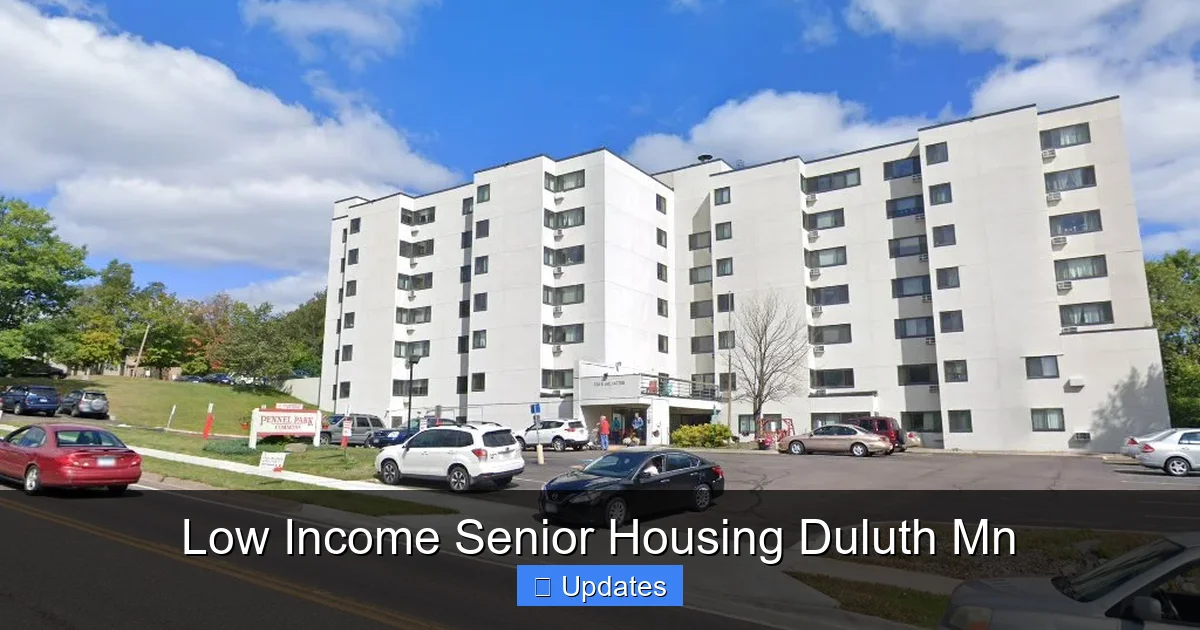
Visual guide about Low Income Senior Housing Duluth Mn
Image source: cdn.uslowcosthousing.com

Visual guide about Low Income Senior Housing Duluth Mn
Image source: lowincomehousing.us
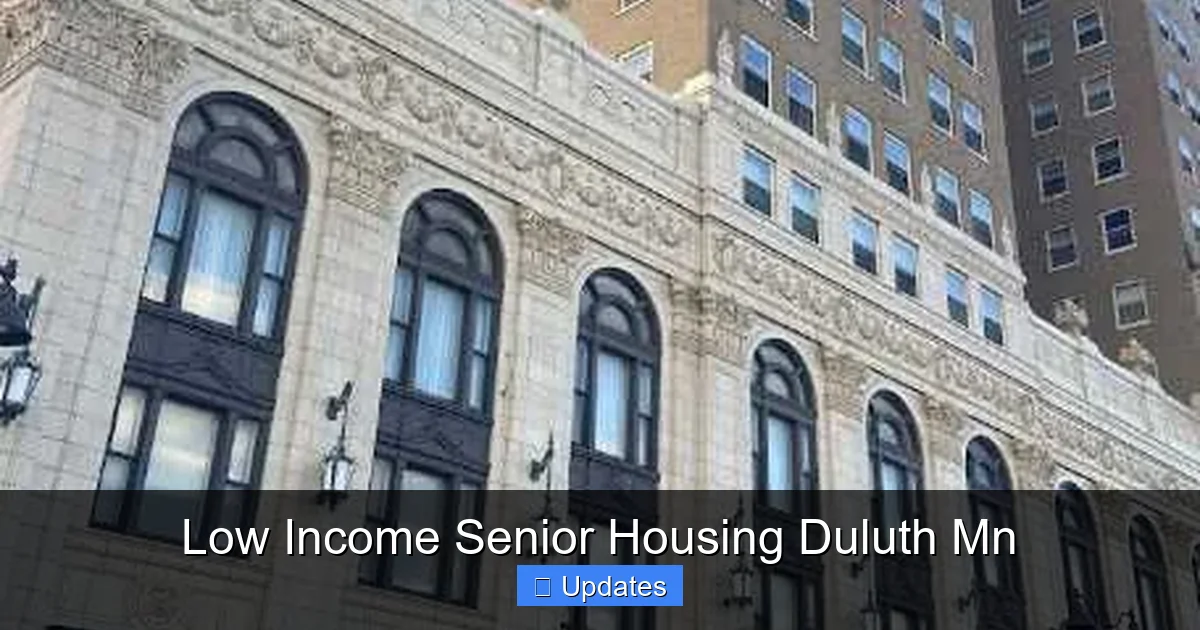
Visual guide about Low Income Senior Housing Duluth Mn
Image source: lowincomehousing.us
Can I bring my pet to low income senior housing in Duluth?
Many properties allow small pets with a refundable deposit. Policies vary, so check each listing individually. Service animals are always permitted under the Fair Housing Act.
Are utilities included in the rent for low income senior housing?
Not always. Some buildings bundle water/sewer, others require separate payments. Ask during your interview to avoid surprises.
What happens if my income increases after moving in?
Rent adjusts annually based on updated income reports. If you exceed limits, you may be asked to relocate—but rarely immediately. Communicate changes promptly.
Is there help available if I lose my housing suddenly?
Yes! Emergency shelters, rapid rehousing grants, and eviction prevention services are offered through the Northeast Minnesota Legal Aid Society and DHA’s crisis fund.
Can I apply for both Section 202 and public housing at the same time?
Absolutely! Dual applications increase your chances. Just disclose all programs to avoid conflicts later.
—
Finding low income senior housing in Duluth, MN requires patience, preparation, and persistence—but it’s absolutely achievable. With the right knowledge and support, you can secure a warm, welcoming space where you’re respected, safe, and connected. Remember: asking for help isn’t weakness—it’s wisdom. And in Duluth, kindness flows as freely as Lake Superior’s waves. Start your search today, and take that first step toward comfort and security tomorrow.
Frequently Asked Questions
What is low income senior housing duluth mn?
low income senior housing duluth mn is an important topic with many practical applications.