
Senior Dog Restless and Panting


Quad Cane for Seniors

Heated Blanket

Bathtub Transfer Bench
Senior dog restless and panting can signal everything from mild discomfort to serious health issues like heart disease or pain. While panting helps cool your pet, excessive panting paired with restlessness may mean your dog isn’t feeling well. Early detection and veterinary care are key to keeping your aging companion comfortable and happy.
As our dogs age, they begin showing subtle (and sometimes not-so-subtle) signs that something might be off. One of the most noticeable changes in senior dogs is restless behavior combined with increased panting. If you’ve noticed your older pup shifting positions frequently, unable to settle down, and breathing heavily even at rest, you’re likely wondering: Is this normal? Or should I be concerned?
Many pet parents assume panting means overheating, especially in warmer months. But when it happens at night, during quiet moments, or without obvious reason, it could point to something deeper. Senior dog restless and panting often isn’t just about temperature—it’s frequently tied to discomfort, pain, or an underlying medical condition. Understanding what’s driving these behaviors helps us respond faster and keep our furry friends more comfortable.
This guide walks through everything you need to know about why senior dogs pant and act restless, what to watch for, and how to help your dog feel better. Whether your dog is 9 or 15 years old, knowing the difference between normal aging and potential problems makes all the difference.
Key Takeaways
- Normal vs. concerning panting: Light panting after exercise or excitement is normal, but constant panting with restlessness often signals pain, anxiety, or illness.
- Common medical causes: Conditions like arthritis, heart disease, respiratory issues, diabetes, and kidney disease commonly cause restlessness and panting in older dogs.
- Environmental triggers: Overheating, stress, or changes in routine can make a senior dog more restless; ensure cool, quiet spaces and consistent schedules.
- Behavioral signs matter: Watch for whining, pacing, hiding, or difficulty settling—these often accompany physical discomfort in aging pets.
- Vet evaluation is essential: Persistent panting and restlessness warrant a vet checkup to rule out underlying conditions and start treatment early.
- Home comfort strategies: Provide soft bedding, maintain hydration, manage weight, and use calming aids like pheromone diffusers or gentle music.
- Monitor closely: Keep a symptom journal noting when panting happens, duration, and any triggers to share with your vet.
📑 Table of Contents
- Why Do Senior Dogs Pant More Than Younger Dogs?
- Common Medical Causes of Restless Panting in Senior Dogs
- Non-Medical Reasons for Restless Panting
- How to Tell Normal Aging From Something Serious
- What You Can Do at Home to Help
- When to See the Vet Immediately
- Supporting Your Dog Long-Term
- Conclusion: Compassionate Care Makes All the Difference
Why Do Senior Dogs Pant More Than Younger Dogs?
Panting is your dog’s natural cooling system. Unlike humans who sweat through their skin, dogs primarily regulate body temperature by breathing rapidly through their mouths. As dogs grow older, several physiological changes affect how efficiently they manage heat and stress.
First, senior dogs tend to have less muscle mass and lower metabolic rates. That means their bodies generate less internal heat overall. However, they also often develop joint stiffness or chronic pain, which can increase inflammation and make them more sensitive to environmental changes. This combination can trigger panting even when it’s not warm.
Additionally, aging affects the cardiovascular and respiratory systems. Older hearts may struggle to pump blood efficiently, leading to reduced oxygen delivery and higher respiratory rates as compensation. Similarly, stiffening airways or weakened diaphragm muscles can make breathing harder, causing dogs to pant more to get enough air.
Another factor is cognitive decline. Just like people, dogs can experience confusion or anxiety as they age. A disoriented senior dog might pace and pant simply because they’re stressed or unsure of their surroundings—especially at night when shadows loom larger.
Lastly, medications commonly used in older dogs—like steroids or certain pain relievers—can stimulate appetite and metabolism while also affecting breathing patterns. Always review current meds with your vet if panting seems new or worsening.
Common Medical Causes of Restless Panting in Senior Dogs
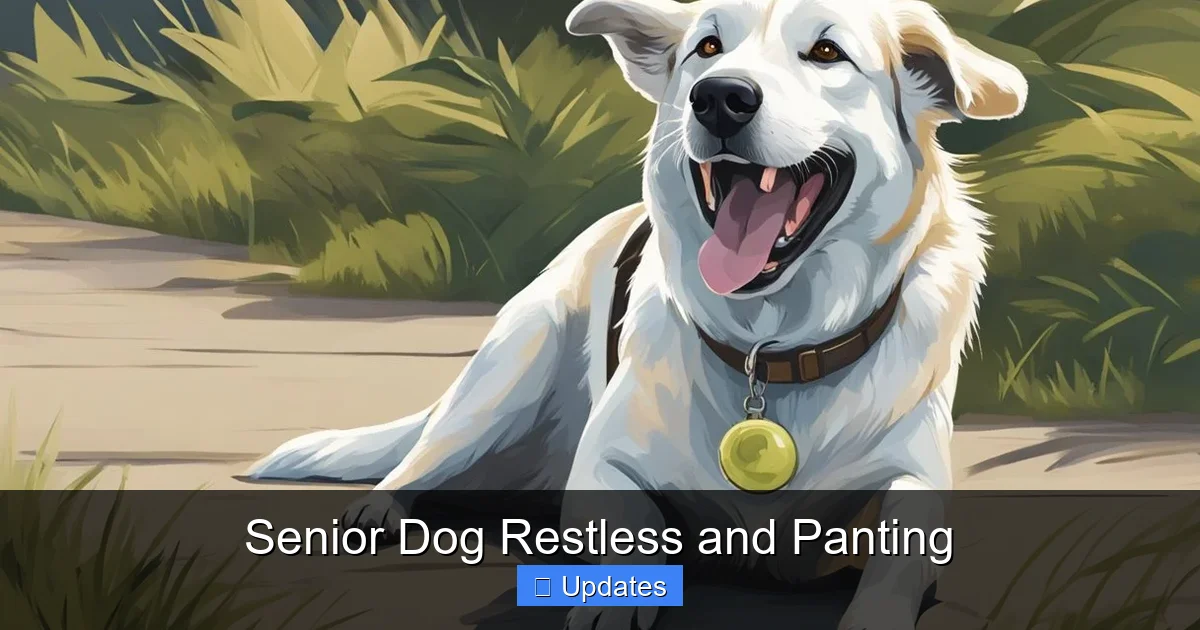
Visual guide about Senior Dog Restless and Panting
Image source: koala.sh
When a senior dog is restless and panting, it’s rarely random. Most cases link directly to one or more health concerns. Here are the top medical reasons your older pup might be struggling to relax:
Heart Disease
Heart conditions such as congestive heart failure or arrhythmias are surprisingly common in senior dogs. When the heart can’t keep up with circulation needs, fluid can back up into the lungs (pulmonary edema), making breathing difficult. This leads to rapid, shallow panting and discomfort, often worse when lying down. Your dog may seem restless at night, unable to find a comfortable position due to shortness of breath.
Arthritis and Joint Pain
Arthritis silently takes root in many dogs by age 7, but symptoms often worsen after 10. Stiff joints make movement painful, so your dog might shift positions constantly trying to avoid pressure on sore areas. The resulting discomfort can cause panting—not from heat, but from pain response. You might notice limping, reluctance to jump, or favoring one side.
Respiratory Issues
Conditions like bronchitis, laryngeal paralysis, or even nasal tumors can obstruct airflow. Dogs compensate by panting more vigorously. If your senior dog has a narrowed airway or weak throat muscles, they may struggle to draw full breaths, especially during sleep or rest. Panting becomes constant rather than situational.
Kidney Disease
Chronic kidney disease is prevalent in older dogs and causes toxin buildup in the bloodstream. Symptoms include increased thirst, frequent urination, lethargy, and sometimes labored breathing due to electrolyte imbalances or anemia. Restlessness may stem from general malaise or nausea.
Diabetes
High blood sugar levels in diabetic dogs lead to frequent urination and dehydration. Dehydration thickens blood, reducing oxygen efficiency and forcing the respiratory system to work harder. Diabetic dogs also experience fatigue and irritability, contributing to restless behavior.
Dental Problems
Severe dental disease causes mouth pain, difficulty chewing, and poor nutrition. Chronic oral infections can spread bacteria to the bloodstream, triggering systemic inflammation and discomfort. Dogs may pant due to jaw pain or general distress.
If you suspect any of these issues, schedule a vet visit promptly. Early intervention improves outcomes significantly.
Non-Medical Reasons for Restless Panting
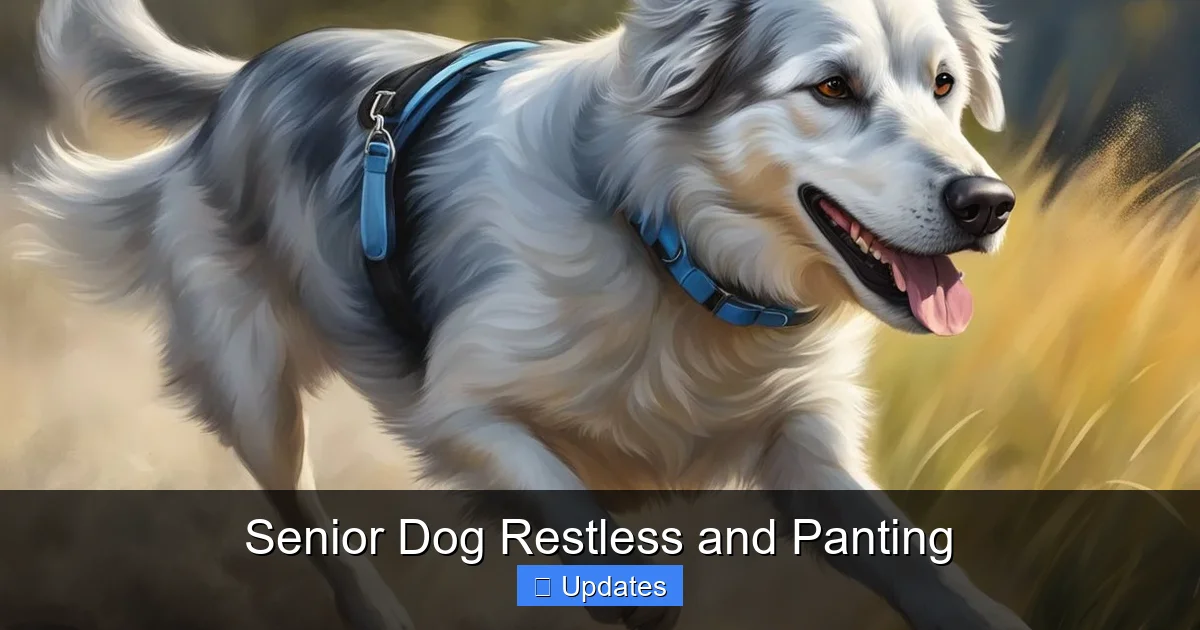
Visual guide about Senior Dog Restless and Panting
Image source: koala.sh
Not every episode of panting and restlessness means illness. Sometimes, external factors or behavioral shifts play bigger roles than we realize.
Anxiety and Stress
Just like humans, dogs feel anxious. Loud noises (thunderstorms, fireworks), separation anxiety, or unfamiliar visitors can overwhelm a senior dog’s nervous system. This triggers the “fight-or-flight” response, increasing heart rate and causing panting. At night, when things quiet down, anxiety might surface as pacing or whining.
Cognitive Dysfunction Syndrome (CDS)
Often called “doggy dementia,” CDS affects many dogs over 10 years old. Symptoms include confusion, disorientation, repetitive behaviors, and disrupted sleep cycles. A dog with CDS may wander aimlessly, vocalize at night, or appear restless because their brain isn’t processing time or space correctly. They might even seem agitated when previously calm.
Overheating or Poor Ventilation
Even mild warmth can unsettle older dogs. If your home is stuffy, humid, or poorly ventilated, your dog may pant to cool off. Ensure your pet has access to cool floors (tile or concrete), shaded areas outdoors, and good airflow indoors.
Medication Side Effects
Some drugs—especially corticosteroids—increase respiration rates or cause insomnia. Always ask your vet about possible side effects if panting started after beginning a new medication.
Age-Related Sleep Changes
Older dogs often sleep more deeply but also wake more easily. Fragmented sleep leads to restlessness between naps. They may pant briefly upon waking if startled or confused.
Understanding context matters. For example, if your dog paces only during thunderstorms, anxiety is likely the culprit. But if panting occurs randomly throughout the day and night, dig deeper medically.
How to Tell Normal Aging From Something Serious
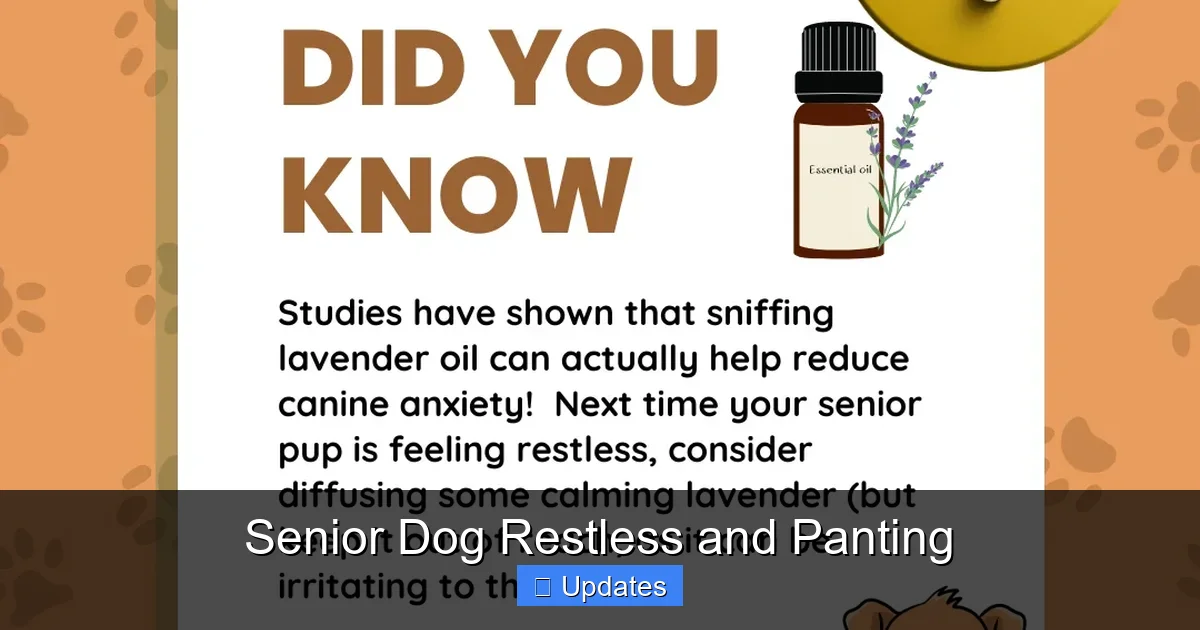
Visual guide about Senior Dog Restless and Panting
Image source: lifewithmydogs.com
It’s tough to know whether your senior dog’s behavior crosses the line into concern. Use these guidelines to assess:
- Panting duration: Occasional light panting after play? Normal. Constant panting for hours? Red flag.
- Timing: Does it happen mostly at night, at rest, or without cause? Unexplained timing raises concern.
- Accompanying signs: Look for coughing, lethargy, loss of appetite, vomiting, diarrhea, weight loss, or changes in bathroom habits.
- Response to comfort: Can you soothe your dog with gentle rubbing or quiet reassurance? If not, medical help may be needed.
- Progression: Has this behavior worsened over days or weeks? Sudden onset demands immediate attention.
Remember, your dog knows best. If they seem genuinely uncomfortable or distressed, trust your instincts. Early diagnosis prevents suffering and extends quality time together.
What You Can Do at Home to Help
While waiting for vet advice or managing mild cases, there are several comforting steps you can take:
Create a Calm Environment
Designate a quiet, low-traffic room where your dog can rest undisturbed. Use white noise machines or soft instrumental music to mask startling sounds. Avoid sudden movements or loud voices near resting areas.
Provide Comfortable Bedding
Invest in orthopedic memory foam beds designed for arthritic dogs. Elevated food and water bowls reduce neck strain during meals. Consider heated pads (with thermostat control) for cold floors—but never leave unattended.
Maintain Hydration
Dehydration worsens many senior ailments. Offer fresh water frequently, and consider adding wet food to increase moisture intake. Electrolyte solutions formulated for dogs (after vet approval) help during illness.
Gentle Exercise Routine
Short, frequent walks prevent stiffness without overexertion. Swimming is ideal for joint-friendly movement. Always monitor for signs of fatigue or pain.
Weight Management
Excess weight stresses joints and heart. Work with your vet on a balanced diet plan tailored to your dog’s activity level and health status.
Calming Aids
Products like Adaptil (doggie calming pheromones), lavender-scented sprays (used safely), or anxiety wraps may ease restlessness. Never give human anti-anxiety meds unless prescribed.
Nighttime Support
Place a nightlight in the hallway so your dog doesn’t trip in the dark. Keep a favorite toy nearby for reassurance. Avoid feeding large meals right before bed to prevent reflux.
These small adjustments show love and reduce stress—even if the root cause isn’t fully resolved yet.
When to See the Vet Immediately
Don’t wait if any of these red flags appear:
- Panting accompanied by blue gums or lips (cyanosis)
- Collapse or extreme weakness
- Persistent vomiting or inability to keep water down
- Labored breathing so severe your dog can’t lie flat
- Seizures or uncoordinated movements
- Sudden blindness or disorientation
Time is critical with emergencies. Call your vet clinic now—don’t schedule for tomorrow. If they recommend urgent care, go immediately.
For non-emergencies, book an appointment within 24–48 hours. Bring notes on when panting/restlessness began, frequency, and any other symptoms.
Your vet may run bloodwork, X-rays, or echocardiograms to pinpoint issues. Don’t skip diagnostics just because your dog seems “fine otherwise.” Many serious conditions don’t show obvious outward signs until advanced stages.
Supporting Your Dog Long-Term
Once you understand what’s causing your senior dog’s restlessness and panting, focus on holistic care:
Regular Checkups
Annual wellness exams become biannual after age 7. Blood panels catch kidney, liver, and thyroid problems early.
Nutrition Tailored to Age
Choose senior-specific dog foods with joint support (glucosamine/chondroitin), controlled sodium, and antioxidants. Wet food increases hydration. Explore options like Wellness Senior Dog Food Wet or Best Dog Food for Senior Dogs With Sensitive Stomachs if digestion is fragile.
Pain Management Options
Non-steroidal anti-inflammatories (NSAIDs) prescribed by vets help arthritis pain safely. Supplements like omega-3 fatty acids reduce inflammation naturally.
Mental Stimulation
Puzzle toys, scent games, and short training sessions keep brains active. Avoid overwhelming changes—stick to routines.
Emotional Bonding
Extra cuddles, slow blinks, and calm voices reinforce security. Dogs thrive on predictability and affection as they age.
Think of yourself as your dog’s advocate. Document everything, ask questions, and prioritize their comfort above convenience.
Conclusion: Compassionate Care Makes All the Difference
Senior dog restless and panting doesn’t always mean disaster. Sometimes, it’s just your aging companion signaling that they need a little extra TLC. But ignoring persistent signs risks missing treatable illnesses that cause unnecessary suffering.
By learning to recognize normal versus concerning behaviors, creating soothing environments, and staying proactive with vet visits, you give your dog the best shot at peaceful golden years. Remember—your presence, patience, and love are powerful remedies too.
If you’re unsure whether your dog’s panting and restlessness warrant attention, err on the side of caution. Reach out to your veterinarian for guidance. After all, every wag of the tail, every soft sigh, and every shared nap under the blanket is worth protecting.
Frequently Asked Questions
Is it normal for senior dogs to pant at night?
Light panting occasionally at night is common due to cooler temperatures or mild anxiety. However, persistent panting with restlessness—especially if accompanied by coughing, lethargy, or difficulty breathing—may indicate pain, heart issues, or respiratory problems and warrants a vet visit.
Why does my senior dog pant and pace but seem fine otherwise?
This behavior often stems from discomfort such as arthritis pain, cognitive dysfunction syndrome, or mild anxiety. Pacing helps relieve tension, while panting may respond to stress or physical unease. Monitor closely and consult your vet if episodes continue beyond a few nights.
Can anxiety cause panting in senior dogs?
Yes, anxiety—whether triggered by loud noises, separation, or confusion—can activate your dog’s fight-or-flight response, leading to rapid panting and restlessness. Creating a calm environment, using pheromone diffusers, and maintaining routines can help reduce anxious behaviors.
Should I be worried if my senior dog pants after eating?
Occasional post-meal panting is usually harmless, especially if your dog chews quickly or eats large meals. However, if panting persists for more than 10–15 minutes, especially with gagging or regurgitation, it could signal acid reflux or esophageal irritation and should be evaluated by a veterinarian.
How can I tell if my dog’s panting is due to pain?
Pain-related panting often occurs without obvious cause, worsens at night when lying still, and may be paired with whining, limping, or reluctance to move. If your dog appears tense, avoids touch in certain areas, or shifts positions frequently, arthritis or another painful condition could be the culprit.
Are there home remedies to stop senior dog panting?
While you can’t “stop” panting entirely (it’s a vital function), you can reduce triggers. Ensure cool, quiet rest areas, provide orthopedic bedding, manage weight, stay hydrated, and consider vet-approved supplements like glucosamine for joint health. Always address underlying causes with professional guidance.