
Wellness Senior Dog Food Wet

Spill-Proof Adult Cup

Rollator Walker with Seat

Lightweight Vacuum Cleaner
Wellness Senior Dog Food Wet is specifically formulated to meet the evolving nutritional needs of older dogs. Its high moisture content supports hydration and kidney function, while easily digestible proteins and targeted supplements like glucosamine promote joint health and digestive comfort. This palatable, soft texture is ideal for dogs with dental sensitivity or decreased appetite, making mealtime enjoyable again.
Watching your loyal companion enter their senior years is a journey filled with extra cuddles and a deepened desire to keep them comfortable and healthy. One of the most profound ways we can support them is through their diet. As dogs age, their nutritional needs shift dramatically. Their metabolism slows, joints may ache, senses like smell and taste can dull, and dental health often becomes a concern. This is where a thoughtfully crafted Wellness Senior Dog Food Wet regimen can make a world of difference. It’s not just about softening kibble; it’s about delivering a complete, moisture-rich meal designed to nourish from the inside out, addressing the specific physiological changes that come with senior citizenship. In 2026, with advances in canine nutritional science, the right wet food is a powerful tool in your senior care toolkit.
Key Takeaways
- Targeted Senior Nutrition: Formulated with adjusted protein, fat, and calorie levels to support a slower metabolism and maintain lean muscle mass in aging dogs.
- Superior Hydration: The wet food format provides up to 80% moisture, crucial for kidney health, urinary tract function, and overall hydration in seniors who may drink less.
- Gentle on Digestion & Teeth: Features highly digestible proteins and a soft, moist texture that’s easy on sensitive stomachs and perfect for dogs with dental issues or missing teeth.
- Joint & Mobility Support: Includes key supplements like glucosamine and chondroitin to help maintain cartilage health and support joint comfort for more active golden years.
- Palatability for Picky Seniors: Rich in natural flavors and aromas, it effectively stimulates appetite in older dogs who may become finicky due to age-related sensory changes.
- No Artificial Additives: Committed to clean nutrition, it’s free from wheat, corn, soy, artificial colors, flavors, and preservatives, reducing potential allergens and fillers.
- Vet-Recommended Brand: Wellness is a trusted brand often recommended by veterinarians for its consistent quality and science-backed formulations for senior canine health.
📑 Table of Contents
- Understanding the Unique Nutritional Needs of Senior Dogs
- What Makes Wellness Senior Dog Food Wet a Standout Choice?
- Ingredient Deep Dive: What’s Inside the Can?
- How to Choose the Right Wellness Senior Wet Formula for Your Dog
- Feeding Guidelines, Transitioning, and Storage: Practical Tips
- Real-World Impact: The Benefits You’ll See
- A Final Word on Proactive Senior Care
Understanding the Unique Nutritional Needs of Senior Dogs
Before diving into a specific brand, it’s essential to understand why senior dog food—especially wet food—differs from formulas for puppies or adults. Aging is not a disease, but it is a stage of life that brings predictable physiological changes. A diet for a senior dog must account for these shifts to promote longevity and quality of life.
The Slowing Metabolism and Caloric Needs
Most dogs experience a decrease in metabolic rate as they age, often by up to 20-30%. This means they burn fewer calories at rest. Continuing to feed the same amount of adult food can lead to unwanted weight gain, putting extra stress on already vulnerable joints and the heart. Senior formulas, therefore, are typically lower in calories but remain nutrient-dense. The goal is to provide essential vitamins, minerals, and proteins without excess fat and carbs that can pad the waistline.
Joint Health and Mobility
Arthritis and joint stiffness are common in senior dogs. To combat this, look for foods enriched with glucosamine and chondroitin sulfate. These are natural building blocks of cartilage and can help maintain joint lubrication and cushioning. Some premium foods also include green-lipped mussel or omega-3 fatty acids (EPA and DHA from fish oil) for their potent anti-inflammatory properties, which can ease stiffness and improve mobility.
Digestive Efficiency and Gut Health
The digestive system becomes less efficient with age. The production of digestive enzymes and stomach acid may decline, making it harder to break down and absorb nutrients from food. This can lead to gas, loose stools, or malnutrition despite a normal appetite. Senior foods often feature highly digestible protein sources (like chicken, turkey, or fish) and include prebiotics (like chicory root or fructooligosaccharides) and probiotics to foster a healthy gut microbiome. A healthy gut is foundational for immune function and overall vitality.
The Critical Role of Hydration
This is where wet food truly shines. Senior dogs are at a higher risk for dehydration and kidney issues. Their sense of thirst can diminish, and conditions like chronic kidney disease (CKD) are more prevalent. Wet food, with its 70-80% moisture content, is an excellent—and often delicious—way to increase daily water intake. Proper hydration supports kidney function, helps flush toxins, aids digestion, and keeps skin and coat healthy. For a senior dog, a hydrated bowl of wet food is a proactive health measure.
Dental and Palatability Considerations
Many seniors experience dental disease, broken teeth, or missing teeth, making the crunch of kibble painful. The soft, moist texture of wet food requires minimal chewing, ensuring they can eat comfortably and get the nutrition they need. Furthermore, the natural aromas and richer flavors of wet food are a major advantage. A diminishing sense of smell and taste can make a senior dog turn up their nose at food. The savory profile of a quality wet food can reignite their appetite, preventing the dangerous weight loss that can accompany finickiness.
What Makes Wellness Senior Dog Food Wet a Standout Choice?
Wellness is a brand with a long-standing reputation for natural, wholesome pet nutrition. Their approach to senior wet food is holistic, focusing on functional ingredients that deliver measurable health benefits. It’s about more than just a soft texture; it’s about a complete nutritional strategy for the aging canine.
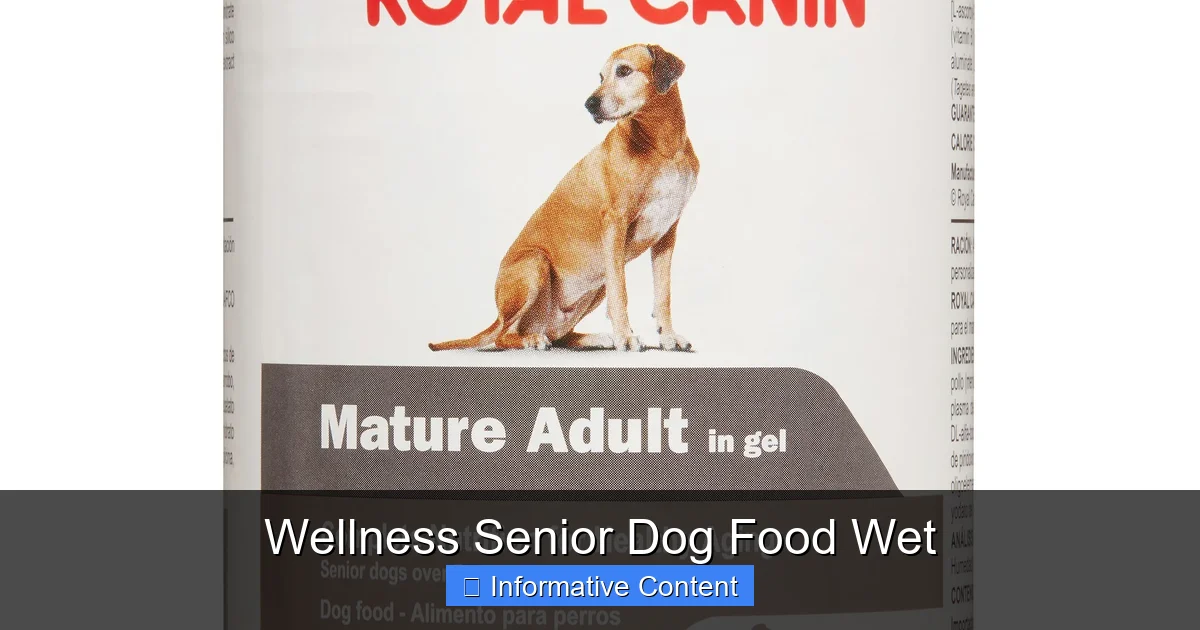
Visual guide about Wellness Senior Dog Food Wet
Image source: i5.walmartimages.com
Commitment to High-Quality, Real Ingredients
At the heart of Wellness’s philosophy is the use of real meat as the first ingredient. For their senior wet food, you’ll typically find deboned chicken, turkey, or salmon as the primary protein source. This means the protein comes from a named, high-quality animal source, not a vague “meat by-product” or plant protein. This is crucial for maintaining muscle mass, which is a key indicator of health and longevity in senior dogs. The recipes are also grain-inclusive (using wholesome grains like barley and brown rice) or grain-free options using sweet potato, catering to dogs with specific sensitivities.
Targeted Senior Support Blend
Wellness doesn’t just create a generic adult food with fewer calories. They formulate a Senior-specific support blend. This includes:
- Glucosamine & Chondroitin: Directly supports joint cartilage and function.
- Omega-3 & Omega-6 Fatty Acids: From sources like fish oil and flaxseed, these promote skin and coat health, reduce inflammation, and support cognitive function.
- Antioxidants (Vitamins E & C): Combat oxidative stress, which accelerates aging and can contribute to cognitive decline and cellular damage.
- Taurine: An essential amino acid critical for heart health, particularly important for larger breeds prone to cardiac issues.
- Prebiotics & Probiotics: A balanced fiber blend with probiotics aids in smooth digestion and nutrient absorption.
Free From Unnecessary Fillers and Additives
Wellness commits to “no junk” in their food. Their senior wet formulas are free from wheat, corn, and soy—common allergens and fillers that offer little nutritional value. They also contain no artificial colors, flavors, or preservatives. Instead, they use natural preservatives like mixed tocopherols (a form of Vitamin E). This clean-label approach minimizes the toxic load on a senior’s potentially more sensitive liver and kidneys, allowing their body to focus on maintenance and repair.
Moisture-Rich for Proactive Hydration
As discussed, the 80% moisture content is a defining feature. Every can provides a substantial amount of water in a form dogs love. For senior owners, this means one less battle over a water bowl and one more guaranteed intake of fluids. This is especially beneficial in warmer climates or for dogs who are not enthusiastic drinkers. Pairing this wet food with a fresh water bowl always available creates a powerful hydration strategy.
Ingredient Deep Dive: What’s Inside the Can?
Let’s peel back the label on a typical Wellness Senior Dog Food Wet recipe (e.g., Wellness Senior Health Natural Chicken & Barley Recipe) to see how these principles translate into the ingredient list.

Visual guide about Wellness Senior Dog Food Wet
Image source: s7d1.scene7.com
The Protein Foundation: Deboned Chicken & Chicken Liver
Deboned chicken provides a complete, highly digestible protein source essential for maintaining muscle. Chicken liver is included as a nutrient-dense organ meat, rich in vitamins A, B, and iron. This combination offers both high protein quality and a natural flavor boost that seniors find enticing.
The Carbohydrate Blend: Barley & Sweet Potato
Sustained energy is important. Barley is a complex carbohydrate that provides steady energy release without spiking blood sugar. Sweet potato (in some formulas) offers similar benefits, plus fiber and beta-carotene. These are gentle on the digestive system compared to simple grains.
Healthy Fats: Chicken Fat & Salmon Oil
Fats are concentrated energy sources and vital for skin, coat, and brain health. Chicken fat is a natural source of energy and omega-6 fatty acids. Salmon oil is the superstar, providing EPA and DHA omega-3s, which are renowned for their anti-inflammatory effects on joints and their support for cognitive health—a major concern in canine cognitive dysfunction (CCD), often called “doggy dementia.”
Functional Fiber & Prebiotics: Chicory Root & Beet Pulp
Chicory root is a natural prebiotic that feeds the beneficial bacteria in the gut. Beet pulp provides insoluble fiber to promote healthy bowel regularity. This dual-fiber approach helps prevent both constipation and diarrhea, common nuisances in senior dogs.
The Vitamin & Mineral Premix & Added Supplements
This is where the targeted support comes in. The premix ensures complete and balanced nutrition. Specifically added are:
- Glucosamine Hydrochloride & Chondroitin Sulfate: The joint support duo.
- Taurine: For heart and eye health.
- Salt & Potassium Chloride: To maintain electrolyte balance, which can be disrupted by age or medications.
- Vitamins E & C: As antioxidant defenders.
The ingredient list reads more like a carefully curated shopping list for your own health than a typical pet food, which is precisely the point.
How to Choose the Right Wellness Senior Wet Formula for Your Dog
Wellness offers several wet food lines, and choosing the right one for your senior requires considering their specific size, activity level, and any existing health conditions.

Visual guide about Wellness Senior Dog Food Wet
Image source: dogfoodthink.com
Consider Breed Size and Caloric Density
While all Wellness senior wet foods are formulated for older dogs, the caloric density can vary slightly by recipe. A small-breed senior (like a 12-year-old Maltese) has vastly different caloric needs than a large-breed senior (like a 9-year-old Labrador). Small breeds have faster metabolisms and may need a food with slightly higher fat content for energy, but always in controlled portions. Large breeds are more prone to joint issues, so a formula with robust glucosamine/chondroitin levels is key. Wellness typically formulates for “all life stages” or “adult” in their wet foods, but the Wellness Senior line is explicitly designed for the 7+ age group. Always check the guaranteed analysis and feeding guidelines on the can. For highly specific needs, you might explore their Wellness CORE or Wellness Simple lines, which offer grain-free or limited-ingredient options that may be suitable for seniors with food sensitivities. For a detailed comparison of various brands and formulas tailored to small breeds, resources like our guide on Senior Dog Food Small Breed Best Picks can be invaluable.
Addressing Specific Health Concerns
Does your senior dog have a known health issue?
- For Sensitive Stomachs: Look for formulas with simple, limited ingredients (like Wellness Simple) or those with added probiotics. Avoid foods with excessive legumes or novel proteins if your dog has no known allergy.
- For Weight Management: If your senior is overweight, choose a senior formula with lower fat content. Wellness offers a “Senior Healthy Weight” recipe in some lines that is lower in calories.
- For Kidney Support: While always consult your vet, a wet food’s high moisture content is inherently beneficial. Some therapeutic kidney diets are wet for this reason. Wellness Senior provides excellent hydration as a baseline.
- For Arthritis: Ensure the chosen formula has guaranteed levels of glucosamine and chondroitin. The Wellness Senior line includes these.
The Palatability Test
Ultimately, your dog’s nose has the final vote. Senior dogs can be notoriously picky. Wellness wet foods are generally well-received due to their real meat content and gravy or mousse textures. When trying a new formula, offer a small amount first. You can also gently warm it (not hot) to enhance the aroma, which can be a game-changer for a dog with a dulled sense of smell. If pickiness persists, consider mixing a teaspoon of warm water or a low-sodium broth (ensure no onion or garlic!) into their current food to create a “gravy” that encourages eating.
Feeding Guidelines, Transitioning, and Storage: Practical Tips
Switching to a wet food diet or incorporating it requires some know-how to do it right and avoid tummy troubles.
How Much and How Often?
Feeding amounts are always a starting point on the can, based on your dog’s weight. For a 20-pound senior dog, you might feed one 5.5 oz can per day, divided into two meals. However, monitor your dog’s body condition. You should be able to feel (but not prominently see) their ribs. Adjust portions up or down by 10-20% to maintain a healthy weight. Many senior owners find feeding two smaller meals of wet food, once in the morning and once in the evening, works well for digestion and appetite management. You can also use wet food as a topper on a measured portion of kibble if you prefer a mixed diet.
The Slow and Steady Transition
Never abruptly change your senior dog’s diet. Their digestive system is sensitive. A proper transition should take 7-10 days.
- Days 1-3: Mix 25% new Wellness Senior wet food with 75% of their old food.
- Days 4-6: Increase to 50% new food, 50% old food.
- Days 7-9: Mix 75% new food with 25% old food.
- Day 10: Feed 100% the new Wellness Senior wet food.
Watch for any signs of digestive upset (gas, loose stool, vomiting) during the transition. If it occurs, slow the process down, extending each step by a few days.
Storage and Safety
Opened cans of wet food must be refrigerated. Cover the can tightly with a plastic lid or plastic wrap and use it within 3-5 days. Always stir the food before serving, as the juices can separate. Discard any food that develops an off smell or mold. Unopened cans should be stored in a cool, dry place. Never leave wet food out at room temperature for more than 2 hours (1 hour if the ambient temperature is above 80°F/27°C), as bacteria can grow rapidly.
Dental Health Still Matters
Even on a wet food diet, dental care is non-negotiable for seniors. The lack of chewing action does not clean teeth. Continue with daily tooth brushing using a dog-specific toothpaste. Dental chews or toys designed for senior dogs (softer textures) can also help. Regular veterinary dental check-ups and cleanings are crucial, as periodontal disease is extremely common and can lead to systemic issues.
Real-World Impact: The Benefits You’ll See
What does switching to a quality senior wet food like Wellness actually translate to in your dog’s day-to-day life? The changes can be subtle at first but become profoundly meaningful.
Renewed Energy and Playfulness
When a senior dog’s nutritional needs are finally met—with digestible protein for muscles, balanced energy from carbs, and no inflammatory fillers—they often have more consistent energy. You might notice your dog is more willing to go for a short walk, engage in a gentle game of tug, or simply get up to greet you at the door with more enthusiasm. This isn’t about puppy-like zoomies; it’s about a reduction in the “old dog” lethargy that is often simply a sign of poor nutrition.
Improved Coat Condition and Skin Comfort
The omega fatty acids and high-quality proteins in Wellness Senior work from the inside out. Within a few weeks, you may see a shinier, softer coat with less shedding. Skin issues like dryness, itching, or hot spots can diminish, as a healthy skin barrier is supported by proper nutrition. This is a visible sign of internal health.
Easier Weight Management
The precise caloric content and high satiety factor of wet food (the moisture and protein help dogs feel full) make it easier to manage a senior’s weight. Preventing obesity is one of the single most important things you can do to extend your dog’s life and reduce stress on their joints and organs. You’ll see a more defined waistline and easier movement.
Consistent, Healthy Digestion
Fewer gas attacks, firmer and more regular stools, and less straining are common benefits. The prebiotic fiber and digestible proteins mean more nutrients are absorbed and less is wasted. This leads to a happier tummy and a cleaner backyard cleanup for you.
The Appetite Solution
For owners of finicky seniors, this is the biggest win. The rich aroma and taste of Wellness wet food can turn a dog who merely picks at their kibble into one who licks the bowl clean. Consistent, adequate nutrition is the foundation of all other health outcomes. When your dog eats well, everything else improves.
A Final Word on Proactive Senior Care
Choosing Wellness Senior Dog Food Wet is more than a dietary decision; it’s an act of proactive, loving care. It aligns your dog’s daily fuel with the biological realities of aging. Coupled with regular veterinary check-ups (at least twice a year for seniors), appropriate exercise, mental stimulation, and dental care, this diet forms a cornerstone of a comprehensive senior wellness plan. Remember, every dog ages differently. Pay close attention to your individual dog’s response to any food, and always discuss major dietary changes with your veterinarian, especially if your dog has a diagnosed condition like kidney disease or diabetes. They can help you select the most appropriate formula and portion size. In the golden years, the goal is not just to add years to life, but to add life to years. The right nutrition, starting with a bowl of thoughtfully formulated wet food, is one of the most powerful tools you have to make that happen.
Frequently Asked Questions
Is Wellness Senior Dog Food Wet suitable for all breeds and sizes of senior dogs?
Yes, Wellness Senior wet food is formulated for all senior dogs (typically 7+ years). However, feeding amounts should be adjusted based on your dog’s weight, size, and activity level. Always refer to the feeding guide on the can and consult your vet for personalized portion recommendations, especially for very small or giant breeds.
How does wet food help a senior dog with dental problems?
The soft, moist texture of wet food requires little to no chewing, making it an ideal meal for dogs with missing teeth, painful gum disease, or sensitive mouths. It ensures they can eat comfortably and receive full nutrition without exacerbating dental pain, which is a common issue that can lead to appetite loss in seniors.
Can I mix Wellness Senior wet food with dry kibble?
Absolutely. Many owners use wet food as a topper or mixer for dry kibble to increase palatability and moisture intake. This is a great strategy for dogs that need the dental cleaning action of kibble but benefit from the added hydration and taste of wet food. Just be sure to adjust the total daily caloric intake to account for the mixer to prevent overfeeding.
How long can I leave opened wet food in the refrigerator?
Once opened, a can of wet food should be covered and refrigerated promptly. It is safe and retains best quality for 3-5 days. Always stir it before serving the next time, as liquids can separate. Discard any food that develops an off smell or appearance after storage.
My senior dog is very picky. Will they eat Wellness Senior wet food?
Wellness Senior wet foods are known for their high palatability due to real meat as the first ingredient and natural flavors. The rich aroma and soft texture are very appealing to senior dogs whose senses may be fading. For extra enticement, you can gently warm the food to enhance its smell. Most picky seniors respond well to the taste and texture.
Should I consult my vet before switching to Wellness Senior wet food?
While Wellness Senior is a excellent choice for many healthy aging dogs, it’s always a smart idea to discuss any dietary change with your veterinarian. They know your dog’s specific health history (e.g., kidney function, allergies, weight issues) and can confirm that this formula is appropriate or recommend a specific variant (like a weight management or sensitive stomach recipe) if needed.