
Low Income Senior Housing Lexington Ky


Puzzle Book for Seniors

Anti-Slip Shower Stickers

Automatic Can Opener
Finding low income senior housing Lexington Ky can be overwhelming, but you’re not alone. These specialized housing options help older adults live independently with dignity and affordability. From subsidized apartments to supportive living communities, Lexington offers several paths to secure and comfortable retirement living.
Key Takeaways
- Multiple housing options exist: Lexington offers both public and private low-income senior housing through HUD, nonprofit organizations, and faith-based groups.
- Eligibility is income-based: Most programs require applicants to be 62+ and have household income at or below 50% of the area median income.
- Waiting lists are common: Due to high demand, many quality low-income senior housing facilities operate waiting lists that can last months or years.
- Support services vary: Some complexes offer meal programs, transportation, health screenings, and social activities—check what’s included before applying.
- Application process takes time: Be prepared to gather financial documents, medical records, and personal references when applying for housing assistance.
- Local agencies can help: Fayette County agencies like the Area Agency on Aging and United Way provide guidance and referrals to available housing.
- Alternative options include: Shared housing, home modification programs, and utility assistance to stretch limited budgets further.
Finding safe, affordable housing as a senior doesn’t have to mean settling for substandard conditions. In fact, Lexington, Kentucky offers numerous options specifically designed for older adults on fixed incomes. Whether you’re looking for a one-bedroom apartment near downtown or a more rural community setting outside the city limits, there are programs and properties that match your needs and budget.
The good news? You don’t have to navigate this complex system alone. With the right information and support, securing low income senior housing in Lexington becomes much more manageable. This guide walks you through everything you need—from understanding eligibility requirements to applying successfully and making the most of your new home.
Key Takeaways
- Understanding low income senior housing lexington ky: Provides essential knowledge
📑 Table of Contents
- Understanding Low Income Senior Housing in Lexington
- How to Qualify for Low Income Senior Housing in Lexington
- Top Low Income Senior Housing Options in Lexington, KY
- Financial Assistance Beyond Housing Costs
- Navigating the Application Process Like a Pro
- Community Resources That Make Life Easier
- Planning Ahead: What If You Don’t Get Approved Immediately?
- Final Thoughts: Dignity Through Stability
Understanding Low Income Senior Housing in Lexington
When we talk about low income senior housing Lexington Ky, we’re referring to residential options where rent is based on a percentage of your income—typically 30%. These aren’t just cheap apartments; they’re purpose-built communities offering dignity, safety, and sometimes even added benefits like meals or transportation.
In Lexington, these types of housing fall into several categories:
– Public housing managed by the Lexington-Fayette Urban County Housing Authority (LFUCGA)
– Section 8 project-based rental assistance units
– Nonprofit or faith-based senior communities
– USDA Rural Development-funded properties
– State-supported assisted living facilities
Each type has its own application process, wait times, and level of support services. But all share one goal: helping older adults age in place without financial stress.
The Importance of Age-Restricted Communities
One key feature of many low income senior housing options is that they’re age-restricted—usually requiring residents to be 62 or older. This creates a built-in community of peers who understand the challenges and joys of aging. Social activities, shared spaces, and staff trained in elder care make these environments uniquely supportive.
For example, The Villages at St. Andrews offers independent living with optional care services, while affordable HUD-subsidized units under LFUCGA focus purely on shelter and basic utilities.
How to Qualify for Low Income Senior Housing in Lexington
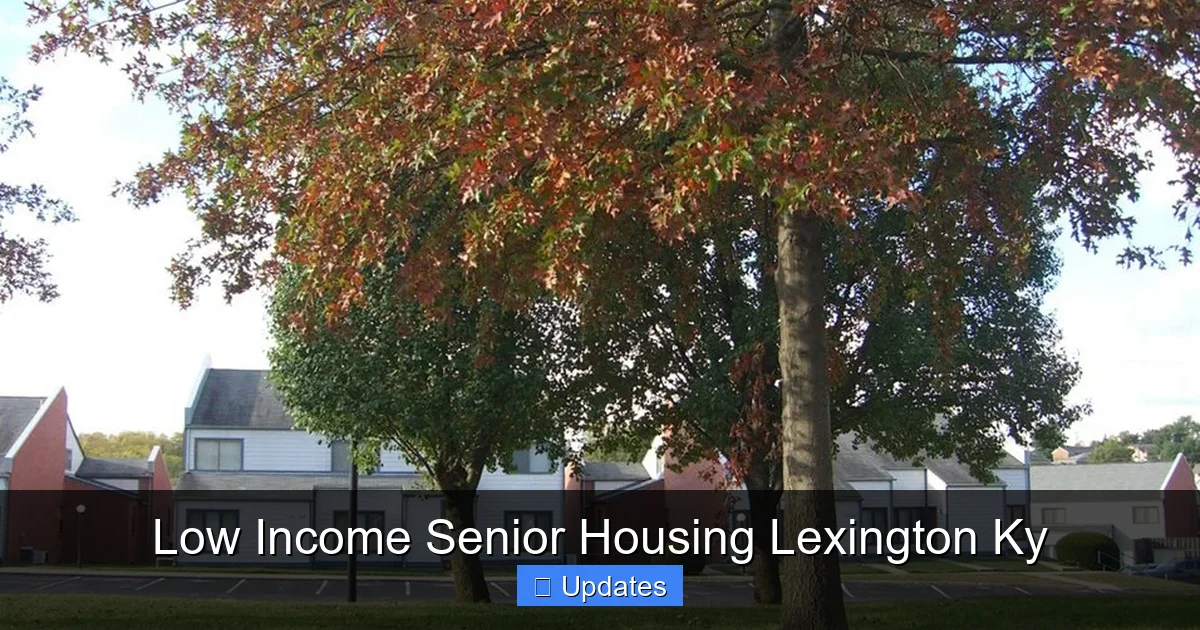
Visual guide about Low Income Senior Housing Lexington Ky
Image source: lowincomehousing.us
Qualifying isn’t just about being over 62—it’s also about meeting strict income guidelines set by federal and state agencies. Here’s what you need to know:
First, your annual household income must be at or below 50% of Fayette County’s Area Median Income (AMI). As of recent data, that threshold is around $48,000 for a single person or $68,600 for a family of four. Rent is then calculated at 30% of your monthly take-home pay.
You’ll also need valid identification, proof of residency in Fayette County, Social Security cards for all household members, and bank statements or tax returns showing income sources.
Some programs may consider assets like savings accounts or retirement funds, though primary residences are typically excluded from asset limits. Veterans and disabled seniors may qualify for additional waivers or priority placement.
Common Mistakes Applicants Make
Even if you meet the numbers, missing documentation or submitting incomplete applications can delay approval. Always double-check forms before mailing them. Also, avoid applying to multiple programs simultaneously unless instructed—some share applicant pools and duplicate requests can slow things down.
Another frequent error is assuming availability. Many top-rated low income senior housing in Lexington operates closed waiting lists. It pays to start early and stay persistent.
Top Low Income Senior Housing Options in Lexington, KY

Visual guide about Low Income Senior Housing Lexington Ky
Image source: lowincomehousing.us
While exact availability changes frequently, here are some well-regarded places offering affordable senior housing as of 2024:
Lexington-Fayette Urban County Housing Authority (LFUCGA): Manages over 1,000 units across 15+ developments. Properties like Cedar Hill Apartments and Oakwood Towers provide two-bedroom units with kitchens, laundry access, and emergency call systems. Waitlists often exceed 2 years, so apply early.
The Villages at St. Andrews: Though slightly above strict low-income thresholds for some units, this nonprofit offers sliding-scale rents based on income. Amenities include a dining room, wellness center, and weekly outings. Located near UK Healthcare.
St. Joseph East – Senior Living Community: Offers both independent and assisted living with income-based pricing tiers. Known for robust activity calendars and on-site medical support.
United Methodist Retirement Communities: Several churches run small-scale senior housing projects with chapel services, meal programs, and volunteer networks.
For those outside central Lexington, check out USDA Rural Development listings in nearby counties like Jessamine or Woodford, which sometimes have shorter wait times.
What to Look for When Visiting Potential Homes
Before committing, tour the property during different times of day. Check hallway lighting, elevator functionality, and bathroom accessibility. Ask current residents about maintenance response times and noise levels. Also inquire about included utilities—water, trash, or heating costs can eat into tight budgets if not covered.
Don’t forget to ask about resident councils or social committees. Having a voice in your community makes a big difference in quality of life.
Financial Assistance Beyond Housing Costs
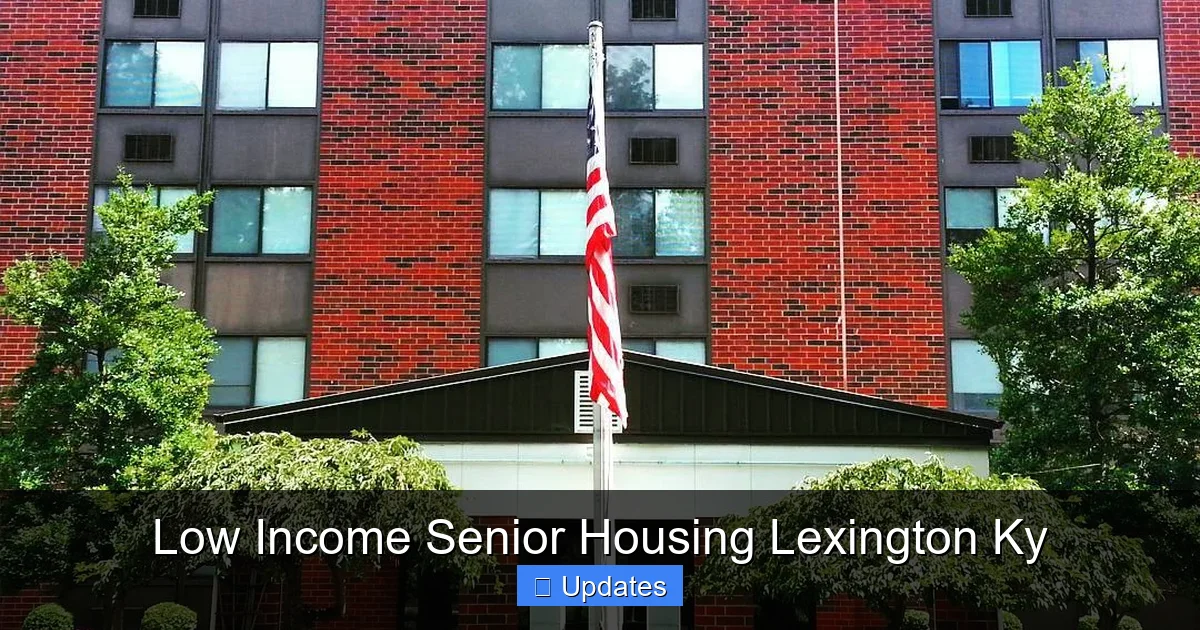
Visual guide about Low Income Senior Housing Lexington Ky
Image source: lowincomehousing.us
Even with subsidized rent, seniors often face extra expenses like food, healthcare, and transportation. Fortunately, Lexington offers supplementary aid:
– SNAP (Supplemental Nutrition Assistance Program): Helps cover groceries—apply online through the Kentucky Department for Community-Based Services.
– LIHEAP: Low Income Home Energy Assistance Program reduces winter heating bills. Eligibility is income-based.
– KY Medicaid: Covers doctor visits, prescriptions, and long-term care if you qualify.
– Area Agency on Aging: Provides free counseling, chore services, and Meals on Wheels deliveries.
Combining housing subsidies with these programs can significantly ease financial strain. For instance, someone paying $400/month in rent might only spend an additional $150 on utilities thanks to LIHEAP.
Tips for Stretching Your Budget
Consider downsizing to a studio or one-bedroom unit to reduce utility costs. Join local senior centers for discounted meal plans and group trips. Volunteer occasionally—many communities offer reduced rent in exchange for 10–15 hours per month of service.
Also, keep an eye on seasonal promotions. Some nonprofits waive application fees between January and March to encourage early applications.
Navigating the Application Process Like a Pro
Getting onto a waiting list isn’t instant magic—it’s paperwork with patience. Here’s how to streamline your chances:
Start by contacting LFUCGA directly at (859) 233-3700 or visit their office at 100 W. Vine Street. Bring originals (not copies) of your ID, income verification, and residency proof. They’ll schedule an orientation session where you learn about rules, amenities, and next steps.
If you prefer nonprofit routes, call The Villages at St. Andrews at (859) 272-2000. Their intake coordinator will walk you through their income verification process, which includes reviewing bank statements and benefit letters.
Pro tip: Create a folder with all required documents scanned and organized. Include a cover letter explaining your situation briefly—this shows initiative and attention to detail.
What Happens After You Apply?
Once submitted, expect a background check, credit review, and home visit (for certain programs). Results usually come back within 4–6 weeks, but processing delays happen. Stay polite and persistent—follow up every 60 days if possible.
If approved, you’ll be placed on a waiting list ranked by date/time of application plus any preference points (e.g., veteran status, disability).
Community Resources That Make Life Easier
Living affordably doesn’t mean living alone. Lexington’s network of senior-focused organizations provides invaluable support:
– Fayette County Senior Citizens Center: Offers fitness classes, computer labs, and bingo nights at 355 Waller Ave.
– Meals on Wheels Lexington: Delivers hot lunches Monday–Friday to homebound seniors. Free for those under 185% of poverty level.
– Kentucky Transportation Cabinet: Runs volunteer driver programs for medical appointments.
– Bluegrass Legal Aid: Assists with landlord disputes, benefit appeals, and estate planning.
These services reduce isolation and prevent crises. Attend a free workshop at the Senior Center—you’ll meet neighbors and learn about hidden resources.
Building Connections Matters
Loneliness affects physical health as much as diet and exercise. Seek out hobby groups, book clubs, or faith-based gatherings. Many low income senior housing complexes host intergenerational events too—great for kids’ grandparents!
Remember, asking for help isn’t weakness—it’s wisdom. Lexington’s community thrives because people look out for each other.
Planning Ahead: What If You Don’t Get Approved Immediately?
Rejection stings, but it’s not permanent. Keep applying! New units open up constantly due to moves, deaths, or funding increases. Meanwhile, explore alternatives:
– Shared housing programs: Pair with another senior to split rent and utilities. Organizations like Senior Connections facilitate matches safely.
– Rural housing cooperatives: Consider relocating temporarily to nearby towns with faster approvals—just ensure transportation remains feasible.
– Home modifications: Request grab bars, stairlifts, or widened doorways through state grants. Safety first!
Stay hopeful. Thousands of Lexington seniors live comfortably thanks to these systems every day.
Final Thoughts: Dignity Through Stability
Securing low income senior housing Lexington Ky isn’t just about finding four walls and a roof—it’s about restoring control over your life. When rent eats half your paycheck, peace of mind becomes a luxury few can afford. But with persistence, smart choices, and community support, that luxury is within reach.
Take that first call to LFUCGA today. Bring your documents, your questions, and your determination. You deserve a place where you can breathe easy, connect with others, and enjoy your golden years without fear of eviction or hunger.
And remember—this journey gets easier once you’re settled in. The friendships, routines, and small victories that follow make every challenge worthwhile.
—
Frequently Asked Questions
Is low income senior housing available in Lexington, Kentucky?
Yes, Lexington offers multiple low income senior housing options through public housing authorities, nonprofits, and faith-based organizations. These include HUD-subsidized apartments, Section 8 units, and age-restricted communities designed for adults 62+.
What income level qualifies for senior housing in Lexington?
Applicants generally must earn at or below 50% of Fayette County’s Area Median Income. As of 2024, that’s about $48,000 annually for a single person. Rent is typically set at 30% of monthly income.
How long do waiting lists take for low income senior housing in Lexington?
Wait times vary widely—from several months to over two years depending on location and demand. Popular complexes like Cedar Hill Apartments often have closed lists, so early application is crucial.
Can I apply for multiple senior housing programs at once in Lexington?
Yes, but avoid duplicating efforts unnecessarily. Some agencies coordinate applications, so consult LFUCGA or a case manager before submitting to multiple sites.
Are utilities included in low income senior housing rent?
It depends on the property. Some packages include water, trash, and heating; others leave utilities separate. Always clarify billing details before signing a lease.
What support services are offered in Lexington’s low income senior housing?
Amenities vary but commonly include meal programs, transportation, wellness checks, social events, and on-site nursing support. Contact individual complexes for specific offerings.