
Nebulizer vs Oxygen Concentrator for Seniors


Non-Slip Slippers

Portable Wheelchair

Shiatsu Neck Massager
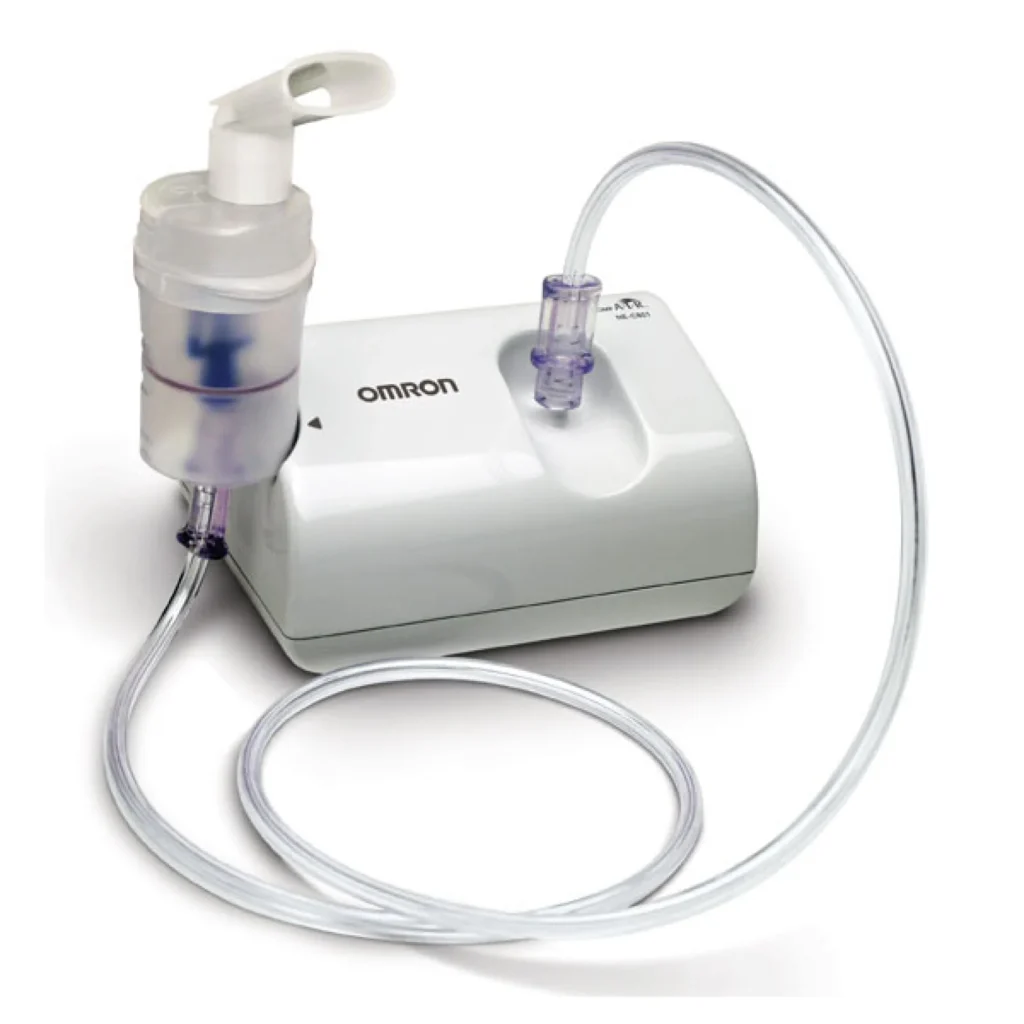
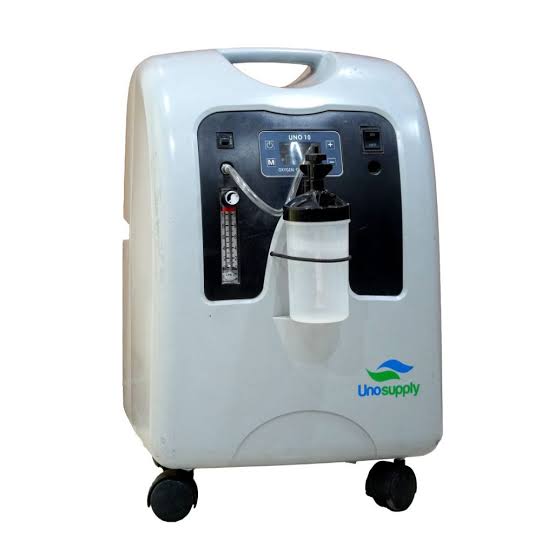
Nebulizer vs Oxygen Concentrator is an important comparison because these devices serve different purposes. A nebulizer turns liquid medicine into a mist that can be inhaled into the lungs. An oxygen concentrator provides supplemental oxygen from room air.
For seniors and caregivers, the key question is not simply which device is better. It is which device matches the prescribed treatment. A nebulizer does not replace an oxygen concentrator, and an oxygen concentrator does not replace a nebulizer.
Quick Comparison
A nebulizer is mainly used to deliver prescribed inhaled medicine. An oxygen concentrator is used to provide supplemental oxygen when a healthcare professional has determined that oxygen therapy is needed.
The right choice depends on the treatment needed, not simply on age, price, or convenience.
Nebulizer vs Oxygen Concentrator At a Glance
Both machines may be used at home, but their jobs are very different. This table shows the main distinction.
| Feature | Nebulizer | Oxygen Concentrator |
|---|---|---|
| Main purpose | Delivers liquid medicine as mist | Provides supplemental oxygen |
| What it delivers | Prescribed inhaled medicine | Concentrated oxygen |
| Typical interface | Mouthpiece or face mask | Nasal cannula or oxygen mask |
| Setup | Medicine cup, tubing, mouthpiece or mask | Tubing and prescribed oxygen delivery setup |
| Treatment type | Medication delivery | Oxygen therapy |
| Cleaning | Regular cleaning is important | Device and accessories need care |
| Power | Electric or battery, depending on model | Usually electrical; portable models may use batteries |
| Medical guidance | Medicine and treatment should be prescribed | Oxygen use and flow should be prescribed |
Nebulizer Review for Senior Use
A nebulizer can be useful when a senior needs certain liquid medicines delivered directly to the lungs. The machine creates a fine mist that can be breathed through a mouthpiece or mask.
Ease of Use
The basic process involves filling the medicine cup, connecting the tubing and mouthpiece or mask, turning on the machine, and breathing through the device. A treatment can take around 5 to 20 minutes, depending on the medicine and device.
For a senior with limited hand strength, a nebulizer may be easier than a handheld inhaler in some situations because the user does not have to coordinate the same type of inhaler technique. However, the medicine cup and accessories still require handling and cleaning.
Key Strengths
- Delivers liquid medicine as an inhaled mist.
- Can be used with a mouthpiece or mask.
- May be useful when using a handheld inhaler is difficult.
- Some models are portable.
- Mesh, jet, and ultrasonic designs are available.
Potential Drawbacks
- Requires medicine and accessories.
- Cleaning is important after treatment.
- Some machines can be bulky.
- Treatment sessions can take several minutes.
- The machine does not provide oxygen therapy simply because it produces a mist.
Oxygen Concentrator Review for Senior Use
An oxygen concentrator has a different role. It takes air from the room, separates out nitrogen, and provides a higher concentration of oxygen for prescribed oxygen therapy.
Ease of Use
For home oxygen, the oxygen is commonly delivered through a nasal cannula or mask. NHS guidance notes that an oxygen concentrator may be recommended when someone needs oxygen for much of the day, including during sleep.
For seniors, the main challenge may be managing tubing, the power connection, and the oxygen delivery equipment rather than operating complicated controls.
Key Strengths
- Provides a continuous source of supplemental oxygen when prescribed.
- Does not require oxygen cylinders to be continuously replaced.
- Can be used through a nasal cannula or mask.
- Portable versions are available for some patients.
Potential Drawbacks
- Requires electrical power for many home models.
- Tubing can affect movement around the home.
- The machine may need a dedicated location with good airflow.
- It should not be used without appropriate medical direction.
- Oxygen creates an increased fire risk around flames and smoking.
Which Is Easier for Seniors to Use?
Ease of use depends heavily on what the senior needs to do with the device.
A nebulizer requires preparing medication and cleaning the medication cup and mouthpiece or mask. MedlinePlus recommends washing the relevant parts after use and keeping them dry to reduce bacterial growth.
An oxygen concentrator generally requires less repeated medication preparation, but the senior must manage oxygen tubing and the prescribed delivery system.
| Senior Need | More Relevant Device | Why |
|---|---|---|
| Needs prescribed inhaled liquid medicine | Nebulizer | Designed for medication delivery |
| Needs prescribed supplemental oxygen | Oxygen concentrator | Designed to provide oxygen |
| Has difficulty coordinating an inhaler | Nebulizer may help | Breathing through a mask or mouthpiece can be simpler |
| Needs oxygen for extended periods | Oxygen concentrator | Designed for ongoing oxygen delivery |
| Wants a device for general breathlessness | Neither should be chosen automatically | The cause and treatment need professional assessment |
Performance Comparison
These devices should not really be judged as competing machines because they perform different medical functions.
A nebulizer’s performance is mainly about delivering the prescribed medication effectively. Different nebulizer designs use different methods to create the mist.
An oxygen concentrator’s performance is about providing the prescribed oxygen supply. Its operation involves drawing in room air and concentrating oxygen before delivery to the user.
A nebulizer delivers medicine. An oxygen concentrator delivers supplemental oxygen.
That difference is more important than comparing them by speed, size, or price.
Comfort, Accessibility, and Senior-Friendly Design
For seniors, comfort often comes down to how much physical effort is needed during treatment.
A nebulizer can be used with a mouthpiece or mask. A mask may be useful for someone who has difficulty holding a mouthpiece in the correct position.
An oxygen concentrator commonly uses a nasal cannula. This can allow the user to move around while receiving oxygen, but the tubing needs to be managed carefully.
| Design Factor | Nebulizer | Oxygen Concentrator |
|---|---|---|
| Hand effort | Medicine setup required | Usually limited device handling |
| Tubing | Used during treatment | May remain connected for longer periods |
| Face interface | Mouthpiece or mask | Usually nasal cannula or mask |
| Portability | Some portable models | Portable models exist |
| Daily cleaning | Important | Equipment maintenance still required |
| Mobility concern | Mostly during treatment | Tubing can affect movement |
Features Comparison
The useful features depend on the treatment rather than the number of buttons or settings.
For a nebulizer, useful features can include a simple control, appropriate mask or mouthpiece options, and a design that is easy to clean. For an oxygen concentrator, practical features include suitable oxygen delivery, alarms, portability when needed, and easy-to-understand controls.
| Feature | Nebulizer | Oxygen Concentrator |
|---|---|---|
| Medication cup | Yes | No |
| Oxygen delivery | Not its primary purpose | Yes |
| Mouthpiece | Common | Not typical |
| Nasal cannula | Not typical | Common |
| Medication preparation | Required when prescribed | Not required |
| Oxygen flow setting | Not its main function | Prescribed setting |
| Cleaning | Medication pathway needs cleaning | Device and accessories need care |
Price, Maintenance, and Long-Term Value
Price should not be the first deciding factor in this comparison.
A nebulizer involves the machine plus medication and replacement accessories. Cleaning is an important part of routine use.
An oxygen concentrator can involve the machine, tubing, cannula or mask, electricity, and ongoing maintenance. Home oxygen equipment may also require installation and instruction from the oxygen provider.
The better value is therefore the device that provides the specific treatment prescribed, rather than whichever device costs less.
Who Should Choose a Nebulizer?
A nebulizer may be appropriate for a senior who:
- Has been prescribed liquid medication for nebulization.
- Finds the technique for a handheld inhaler difficult.
- Needs medication delivered through a mouthpiece or mask.
- Can manage the treatment and cleaning routine with or without caregiver help.
- Has been advised by a healthcare professional to use a nebulizer.
Who Should Choose an Oxygen Concentrator?
An oxygen concentrator may be appropriate for a senior who:
- Has been prescribed supplemental oxygen.
- Needs oxygen for extended periods.
- Has been assessed as benefiting from home oxygen therapy.
- Can safely manage the equipment or has caregiver assistance.
- Has received instructions on the prescribed oxygen setup.
Nebulizer vs Oxygen Concentrator — Final Verdict
The main difference is simple: these are not interchangeable devices. A nebulizer is designed to deliver prescribed inhaled medicine, while an oxygen concentrator provides supplemental oxygen.
For a senior who needs medication through a nebulizer, an oxygen concentrator is not a substitute. Likewise, someone who needs prescribed oxygen should not assume a nebulizer can provide the same treatment.
Scoring Summary
A conventional 10-point score would be misleading here because the devices are designed for different medical purposes. Instead, the comparison is clearer by treatment role.
| Category | Nebulizer | Oxygen Concentrator |
|---|---|---|
| Medication delivery | Purpose-built | Not designed for this |
| Supplemental oxygen | Not its primary purpose | Purpose-built |
| Treatment preparation | Medicine preparation | Oxygen equipment setup |
| Long-duration oxygen use | Not applicable | Designed for prescribed use |
| Cleaning needs | Important | Equipment maintenance needed |
| Senior usability | Depends on treatment | Depends on oxygen needs |
How We Evaluate Products
For health-related devices, the comparison focuses on practical usability rather than declaring one device universally better.
Key factors include:
- Purpose and intended use
- Ease of operation
- Accessibility
- Comfort
- Cleaning and maintenance
- Safety
- Portability
- Setup
- Long-term practicality
- Whether the device matches the prescribed treatment
The comparison does not assume hands-on testing or personal experience.
Senior-Specific Buying Considerations
Before choosing either device, focus on the treatment requirement first.
Physical Effort
Consider whether the senior can fill a medication cup, connect tubing, position a mask, or manage oxygen tubing.
Controls
Large, clear controls can be useful for seniors who prefer simple operation.
Maintenance
Nebulizer medication parts require regular cleaning. Oxygen equipment also needs proper care and inspection.
Storage
Make sure there is a safe, convenient place for the machine and its tubing or accessories.
Setup
Ask whether the senior can complete the required setup alone or whether a caregiver will help.
Safety
Medical oxygen requires special fire-safety precautions. Do not smoke or use an oxygen concentrator near flames. The FDA also advises using oxygen concentrators only under appropriate healthcare guidance.
Common Buying Mistakes
Avoid these mistakes when comparing the two devices:
- Choosing based only on price.
- Assuming both machines treat the same problem.
- Buying an oxygen concentrator without medical guidance.
- Ignoring cleaning requirements for a nebulizer.
- Forgetting about tubing and storage.
- Choosing a device before confirming the prescribed treatment.
Safety
This comparison has an important safety point: do not start oxygen therapy based only on a home oxygen reading or general breathlessness.
The FDA warns that using too much or too little oxygen can be harmful and recommends discussing oxygen use with a healthcare professional.
Oxygen also supports combustion. Keep oxygen equipment away from smoking, flames, and other ignition sources. The concentrator should have adequate airflow, and its vents should not be blocked.
For nebulizers, use only the medication and dosage prescribed or instructed by the healthcare professional. Clean the medication cup and mouthpiece or mask as directed.
Frequently Asked Questions
Is a nebulizer the same as an oxygen concentrator?
No. A nebulizer turns liquid medicine into a mist for inhalation. An oxygen concentrator provides supplemental oxygen.
Can an oxygen concentrator replace a nebulizer?
No. They have different purposes. A nebulizer is designed for medication delivery, while an oxygen concentrator is designed for oxygen therapy.
Can a nebulizer provide oxygen?
A nebulizer’s primary function is to create an inhaled mist from liquid medication. It should not be treated as a replacement for prescribed oxygen therapy.
Which is easier for an older adult?
It depends on the treatment. A nebulizer may be easier for someone who struggles with handheld inhaler technique, while an oxygen concentrator may be practical for someone prescribed longer-term oxygen.
Does every senior with breathing problems need an oxygen concentrator?
No. Breathing problems do not automatically mean oxygen therapy is required. Oxygen should be used when a healthcare professional determines that it is appropriate.
Can a nebulizer and oxygen concentrator be used together?
In some medical situations, both may be part of a person’s treatment plan. The exact setup should come from the healthcare professional managing the person’s respiratory care.
Conclusion
Nebulizer vs Oxygen Concentrator is less about choosing a winner and more about understanding two different jobs. A nebulizer delivers prescribed inhaled medicine, while an oxygen concentrator provides supplemental oxygen when oxygen therapy is needed.
For seniors, the most important consideration is to match the device to the prescribed treatment, then consider ease of use, cleaning, mobility, storage, and safety. When oxygen therapy or respiratory medication is involved, a healthcare professional should guide the choice.
