
Philips Sonicare vs Colgate Electric Toothbrush for Seniors: 2026


Lightweight Aluminum Walker

Electric Food Chopper

Adjustable Bed Frame
Philips Sonicare vs Colgate electric toothbrush for seniors is a useful comparison if simple controls, gentle brushing, and easy daily care matter most. Both brands offer electric toothbrushes with features that can make brushing easier than using a manual brush.
The main difference is not simply the brand. Philips Sonicare has several rechargeable models with pressure sensors, timed brushing, and long battery life. Colgate offers both simple battery-powered models and more advanced rechargeable brushes. The best choice depends on how much guidance and convenience the user wants.
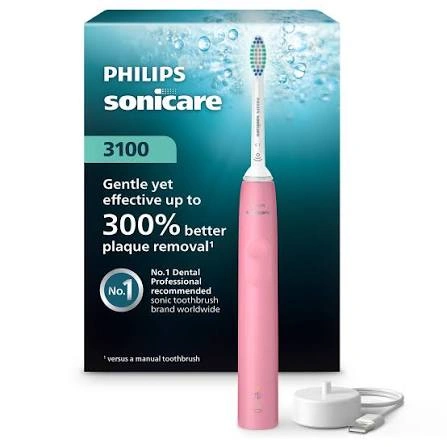
Quick Comparison
For most seniors who want a rechargeable brush with strong guidance, Philips Sonicare is the better overall choice. Its current 4100 Series, for example, has a pressure sensor, two intensity settings, a two-minute timer, 30-second QuadPacer, and up to 14 days of battery life.
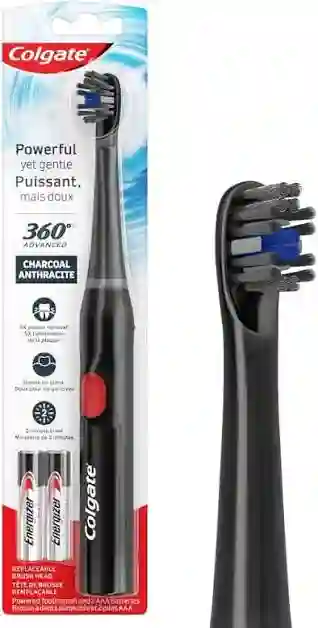
Colgate is a good choice for simplicity and lower-cost entry options. Its battery-powered Total and ProClinical brushes offer simple controls, a two-minute timer, and easy battery replacement.
Simple pick: Choose Philips Sonicare for more guidance and rechargeable convenience. Choose Colgate for a simpler and often less complex setup.
Philips Sonicare vs Colgate At a Glance
The table below focuses on features that can affect everyday senior use.
| Feature | Philips Sonicare | Colgate |
|---|---|---|
| Ease of use | Simple rechargeable models available | Very simple battery models available |
| Pressure feedback | Available on many current models | Available on some models |
| Brushing timer | Yes | Yes |
| 30-second guidance | QuadPacer on many models | Available on some advanced models |
| Battery options | Rechargeable | Battery and rechargeable options |
| Battery life | Up to 14 days on Sonicare 4100 | Up to 8–10 days on some rechargeable models |
| Grip | Slim ergonomic designs | Slim, lightweight designs on some models |
| Best fit | Guidance and long-term convenience | Simplicity and basic operation |
Battery life varies by model. Philips lists up to 14 days for its 4100 Series, while Colgate says some rechargeable ProClinical brushes can last up to 8–10 days.
Philips Sonicare Review for Senior Use
Philips Sonicare has a broad range of electric toothbrushes. For a practical senior comparison, the 4100 Series is a useful example because it combines basic controls with several helpful brushing aids.
Ease of Use
The Sonicare 4100 has a slim ergonomic handle and easy click-on brush heads. It also has two intensity settings, so the user can select a lower setting if the normal setting feels too strong.
The pressure sensor is another useful feature. It detects excessive brushing pressure and reduces vibration while giving the user feedback. This may help seniors who are unsure how hard to press.
Key Strengths
- Pressure sensor
- Two intensity settings
- Two-minute SmarTimer
- 30-second QuadPacer
- Up to 14 days of battery life on the 4100
- Slim ergonomic handle
- Rechargeable battery
- Brush head replacement reminder on supported models
Potential Drawbacks
- Some Sonicare models have more features than a user may need.
- Replacement brush heads add an ongoing cost.
- Rechargeable models require regular charging.
- Features differ across Sonicare models, so the exact model should be checked before buying.
Colgate Electric Toothbrush Review for Seniors
Colgate takes a broader approach. Its range includes simple battery-powered toothbrushes and more advanced rechargeable models.
For example, the Colgate Total Battery Powered Toothbrush has two cleaning modes and a built-in two-minute timer. It uses two AAA batteries.
The ProClinical B150 is another simple option. Colgate describes it as a slim, lightweight toothbrush with a two-minute timer and soft thin-tipped bristles. It uses two AAA batteries.
Ease of Use
A battery-powered Colgate brush can be appealing to seniors who do not want to manage a charging dock. Replacing AAA batteries is familiar and simple.
Colgate also offers rechargeable models with more advanced features. Its electric toothbrush range therefore covers both basic and more feature-rich users.
Key Strengths
- Simple battery-powered choices
- Rechargeable choices are also available
- Two-minute timer on many models
- Lightweight designs on some models
- Sensitive and regular modes on the Colgate Total battery model
- Pressure-sensor options are available in advanced models
Potential Drawbacks
- Features vary greatly between Colgate models.
- Basic battery models may lack advanced pressure feedback.
- AAA batteries need periodic replacement.
- Some rechargeable models may offer less battery life than comparable Sonicare models.
Which Is Easier for Seniors to Use?
Both can be easy to use, but the better choice depends on the user’s needs.
Philips Sonicare has an advantage for seniors who want built-in brushing guidance. The 4100 can alert the user when too much pressure is applied. Its QuadPacer also divides brushing into four 30-second periods.
Colgate can be easier for someone who wants basic operation. A battery-powered model can be picked up, switched on, and used without waiting for a rechargeable battery.
For a senior with limited hand strength or dexterity, look closely at the handle shape and button placement of the exact model. Do not assume that every senior needs the same type of handle.
Performance Comparison
Electric toothbrush performance depends on the specific model and brush head.
Philips Sonicare uses sonic vibration. The current 4100 Series combines Sonicare technology with a two-minute timer, QuadPacer, pressure feedback, and two intensity settings. Philips says the 4100 can remove up to seven times more plaque than a manual toothbrush, based on its stated comparison.
Colgate also sells sonic electric toothbrushes. Its ProClinical B150, for example, is rated by Colgate at up to 20,000 strokes per minute and includes a two-minute timer.
The key point is simple: do not judge either brand only by the brand name. Compare the exact brush, head, pressure control, and cleaning modes.
Comfort, Accessibility, and Senior-Friendly Design
Comfort can matter more than having many advanced features.
Philips Sonicare’s 4100 has a slim ergonomic handle. Its two intensity settings can also help users choose a more comfortable brushing level.
Colgate’s B150 uses a slim, lightweight handle designed for easy handling. This may appeal to someone who prefers a basic brush without many settings.
If grip strength is a concern, check the actual handle before buying. A brush that feels comfortable in one person’s hand may not feel comfortable to another.
Features Comparison
The useful difference is the amount of brushing guidance provided.
| Feature | Philips Sonicare | Colgate |
|---|---|---|
| Pressure feedback | Available on many models | Available on selected models |
| Timer | Yes | Yes |
| QuadPacer | Available on many models | Available on selected advanced models |
| Intensity settings | Available on selected models | Available on selected models |
| Battery choice | Rechargeable | Battery and rechargeable |
| Brush head reminder | Available on selected Sonicare models | Depends on model |
Philips’ 4100 includes pressure sensing, two intensity settings, QuadPacer, SmarTimer, and a brush head replacement reminder. Colgate’s feature set depends more heavily on the model chosen.
Price, Maintenance, and Long-Term Value
Prices change by model, retailer, and location, so it is better to compare total ownership cost than one temporary sale price.
A basic Colgate battery toothbrush can have a lower entry cost. It may also be convenient for someone who does not want a charging system.
Philips Sonicare may offer better long-term convenience for users who prefer rechargeable operation. The 4100 has a rechargeable lithium-ion battery and Philips lists up to 14 days of operation.
Both brands require replacement brush heads. Colgate recommends replacing electric toothbrush heads about every three months, while Philips provides replacement reminders on supported Sonicare models.
Who Should Choose Philips Sonicare?
Choose Philips Sonicare if:
- You want a rechargeable toothbrush.
- You want pressure feedback.
- You prefer brushing guidance.
- You want longer battery life on a model such as the 4100.
- You like having intensity options.
- You want a brush head replacement reminder.
- You want a simple model with useful guidance rather than many complicated controls.
Who Should Choose Colgate?
Choose Colgate if:
- You want a basic electric toothbrush.
- You prefer replaceable AAA batteries.
- You want a simple two-minute timer.
- You prefer a lightweight handle.
- You want to spend less on an entry-level electric toothbrush.
- You want the choice between battery-powered and rechargeable models.
- You do not need advanced brushing guidance.
Philips Sonicare vs Colgate — Final Verdict
Best for most seniors: Philips Sonicare
Best for simple battery operation: Colgate
Best for pressure guidance: Philips Sonicare on models with a pressure sensor
Best for battery convenience: Philips Sonicare 4100
Best for basic operation: Colgate battery-powered models
The main advantage of Philips Sonicare is its combination of pressure feedback, timed brushing, guided intervals, rechargeable operation, and long battery life on models such as the 4100.
Colgate makes more sense for someone who wants a straightforward toothbrush and does not need as much guidance. Its range also includes more advanced rechargeable options, so the exact model matters.
Scoring Summary
These scores are editorial comparisons based on the features discussed above. They are not laboratory test results.
| Category | Philips Sonicare | Colgate |
|---|---|---|
| Ease of Use | 9/10 | 8/10 |
| Senior-Friendly Design | 9/10 | 8/10 |
| Performance | 9/10 | 8/10 |
| Maintenance | 8/10 | 8/10 |
| Value | 8/10 | 9/10 |
The scores favor Sonicare for guidance and rechargeable convenience. Colgate scores well for simple operation and entry-level value.
How We Evaluate Products
We focus on features that can make an electric toothbrush easier to use in daily life.
Our comparison considers:
- Ease of use
- Grip and controls
- Brushing guidance
- Pressure feedback
- Battery and charging
- Brush head replacement
- Cleaning features
- Maintenance
- Comfort
- Long-term value
This is a specification-based comparison. It does not claim personal or laboratory testing.
Senior-Specific Buying Considerations
Physical Effort
Look for a handle that feels secure and comfortable. A lighter or slimmer design may be easier for some users to control.
Controls
Simple controls can be helpful. If the user dislikes complicated settings, a basic model may be better than a premium brush with many modes.
Maintenance
Check how often the brush head must be replaced. Also consider whether the user prefers charging or changing batteries.
Storage
A rechargeable toothbrush needs a suitable place near a power source. A battery-powered model may offer more flexibility.
Setup
A simple model can be useful for anyone who does not want to learn several brushing modes.
Safety
Do not press an electric toothbrush hard against the teeth or gums. Pressure-sensor models can provide useful feedback when too much force is applied. If brushing causes pain, bleeding, or ongoing discomfort, discuss the issue with a dental professional.
Common Buying Mistakes
- Choosing the brand instead of comparing the exact model.
- Buying advanced features that will never be used.
- Ignoring replacement brush-head costs.
- Forgetting to consider grip comfort.
- Choosing a rechargeable model without considering charging habits.
- Assuming every model from the same brand has the same features.
Safety
Electric toothbrushes are generally designed for routine oral care, but users should follow the manufacturer’s instructions.
Keep the charger and electrical components away from unsafe water exposure unless the product is specifically designed for that use. Also avoid excessive brushing pressure.
A pressure sensor can be useful for people who tend to brush too hard, but it does not replace proper dental advice. If someone has a dental condition, recent dental treatment, or persistent gum problems, a dentist can provide more specific guidance.
Frequently Asked Questions
Is Philips Sonicare better than Colgate for seniors?
For many seniors, Philips Sonicare is the stronger choice because several models offer pressure feedback, brushing guidance, and rechargeable batteries. Colgate can be better for simple, low-complexity use.
Which has better battery life?
It depends on the model. Philips lists up to 14 days for the Sonicare 4100. Colgate says some rechargeable ProClinical models last up to 8–10 days.
Which is easier for someone with limited dexterity?
A model with a comfortable grip, simple controls, and useful pressure feedback may be easier. Philips Sonicare has several models with these features, but the exact handle should be checked before buying.
Does Colgate make rechargeable electric toothbrushes?
Yes. Colgate offers both battery-powered and rechargeable electric toothbrushes.
Do Philips Sonicare brushes have pressure sensors?
Many current Sonicare models do. The Sonicare 4100, for example, has a pressure sensor that alerts the user and reduces vibration when too much pressure is detected.
How often should electric toothbrush heads be replaced?
The replacement interval depends on the brush head and manufacturer. Colgate recommends changing its electric toothbrush heads about every three months.
Conclusion
Philips Sonicare and Colgate both make useful electric toothbrushes for older adults, but they suit different priorities. Philips Sonicare is the better overall pick when pressure feedback, brushing guidance, rechargeable convenience, and longer battery life matter most.
Colgate is a strong alternative for someone who wants a simple electric toothbrush, especially a battery-powered model. The most important step is to compare the exact model rather than choosing by brand alone.