
Myrtle Beach at Home Senior Caregivers


Automatic Can Opener

Lightweight Aluminum Walker

Electric Jar Opener
Myrtle Beach at Home Senior Caregivers offer tailored support that helps seniors live safely and comfortably in familiar surroundings. With trained professionals available for daily living assistance, medical reminders, and companionship, families gain peace of mind knowing their loved ones are cared for. These services are designed to adapt as needs change—whether it’s short-term help after surgery or long-term support with chronic conditions.
In today’s world, more families are choosing to keep their aging loved ones close—right where they belong: at home. For many seniors in Myrtle Beach, South Carolina, this means staying near the ocean breeze, cherished neighbors, and lifelong memories rather than relocating to a distant facility. Enter Myrtle Beach at home senior caregivers, professionals who bring trusted, compassionate support directly into your home. Whether your parent needs help with morning routines, someone to walk the beach at sunset, or just a friendly voice during tough days, these caregivers make all the difference.
Choosing in-home care isn’t about replacing family love—it’s about extending independence with expert help. Studies show that seniors who receive consistent, personalized care at home often experience better health outcomes, fewer hospital visits, and higher overall satisfaction. Plus, there’s something powerful about waking up in your own bed, hearing birds chirp outside your window, and knowing you’re not alone. That’s what Myrtle Beach at home senior caregivers deliver every single day.
But before you jump in, it helps to understand exactly what these services include, how they work, and why they’re such a game-changer for both seniors and their families. Let’s walk through everything you need to know so you can make an informed decision with confidence.
Key Takeaways
- Personalized Care Plans: Each caregiver creates a customized plan based on the senior’s health, routines, and preferences to ensure meaningful support.
- Flexible Scheduling: Services range from a few hours per week to 24/7 live-in care, fitting seamlessly into your family’s schedule and budget.
- Trained Professionals: All caregivers are background-checked, certified, and experienced in assisting with activities like bathing, medication management, and mobility.
- Companionship & Emotional Support: Beyond physical tasks, caregivers build relationships that reduce loneliness and promote emotional well-being.
- Family Peace of Mind: Reliable monitoring and regular updates keep families connected while giving seniors independence.
- Local Expertise: Myrtle Beach-based teams understand regional resources, weather patterns, and community networks that enhance care delivery.
- Affordable Options Available: Many agencies accept Medicaid waivers and private pay options, making quality care accessible across income levels.
📑 Table of Contents
- Why Choose In-Home Care in Myrtle Beach?
- What Do At-Home Senior Caregivers Actually Do?
- How to Choose the Right Caregiver in Myrtle Beach
- Financial Options & Insurance Coverage
- Building a Supportive Ecosystem Around Your Loved One
- Common Concerns Addressed
- Conclusion: More Than Help—It’s Partnership
Why Choose In-Home Care in Myrtle Beach?
Living near the coast brings joy—but also unique challenges. From hurricane season prep to managing arthritis in humid heat, seniors in Myrtle Beach face everyday realities that require thoughtful care. That’s where local expertise shines. Myrtle Beach at home senior caregivers aren’t just strangers showing up; they’re part of your neighborhood, familiar with nearby clinics like Grand Strand Medical Center, grocery stores along Highway 17, and even the best spots for low-impact walks on the beachfront boardwalk.
One major benefit? Familiarity breeds comfort. When someone knows how you like your coffee (black, no sugar), remembers your favorite book, or understands your quirks, care becomes less like a chore and more like having a helpful family member around. This personal touch reduces stress for everyone involved.
Another big reason? Cost-effectiveness. While assisted living facilities may seem convenient, they often come with hidden fees and rigid schedules that don’t match real-life needs. In contrast, in-home senior care in Myrtle Beach lets you pay only for what you use—whether it’s two hours on Tuesday afternoons or overnight support during recovery from hip surgery. And because caregivers come to your door, transportation costs disappear too.
Plus, let’s be honest: moving is hard. Even if it’s down the hall, leaving behind decades of belongings, photos, and history takes a toll emotionally. Staying put means preserving identity, routine, and dignity—all things that matter most as we age.
The Emotional Benefits of Staying at Home
Mental health doesn’t just come from pills or therapy sessions—it grows from connection. Seniors who stay in environments filled with personal meaning report lower rates of depression and anxiety. Think about it: your kitchen holds recipes passed down through generations; your living room has seen birthdays, holidays, and quiet moments with grandchildren. Those spaces aren’t just walls and furniture—they’re anchors to who you are.
When Myrtle Beach at home senior caregivers enter those rooms, they don’t disrupt—they enhance. They might help tidy up while chatting about old times, assist with gardening on the porch, or simply sit quietly reading together. These small interactions build trust and ease isolation, which studies link strongly to longer life expectancy.
For families, knowing Mom still recognizes her grandkids’ faces or Dad can still tell stories from his youth brings immense relief. It means progress isn’t measured by decline—but by continued presence and participation in life.
What Do At-Home Senior Caregivers Actually Do?
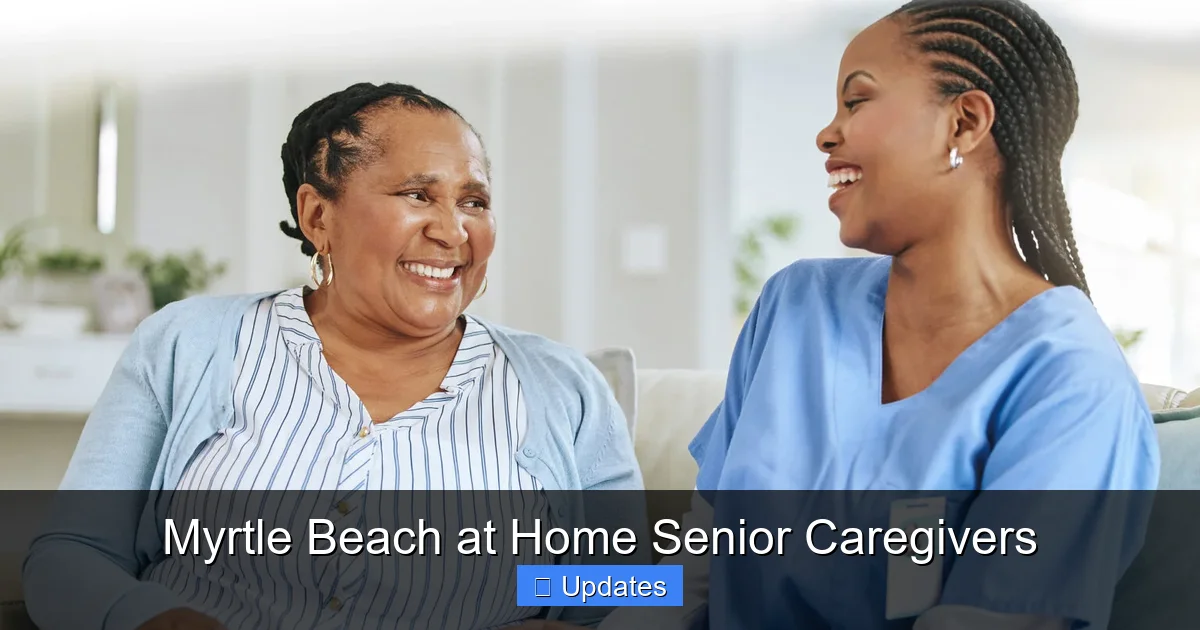
Visual guide about Myrtle Beach at Home Senior Caregivers
Image source: griswoldcare.com
You might picture caregivers as nurses doing IV drips or lifting patients into wheelchairs. But modern home care is much broader—and far gentler. Most Myrtle Beach at home senior caregivers focus on empowering independence through practical support, not replacing capability. Here’s a quick look at typical responsibilities:
- Assisting with Daily Living Activities (ADLs): This includes help with bathing, dressing, grooming, eating, and using the bathroom—tasks that become harder with age or illness.
- Medication Reminders: Caregivers track dosages, refill alerts, and even organize pill organizers to prevent missed doses or dangerous combinations.
- Meal Preparation: From diabetic-friendly meals to heart-healthy soups, caregivers cook nutritious food that fits dietary restrictions and taste buds.
- Light Housekeeping: Vacuuming, laundry, dishwashing, and keeping clutter under control create a safer, cleaner environment.
- Transportation Assistance: Escorting to doctor appointments, pharmacy runs, or social events ensures access to essential services without relying solely on family.
- Companionship & Engagement: Playing cards, watching movies, gardening, or simply talking—these moments combat loneliness and keep minds sharp.
- Monitoring Health Changes: Noticing subtle shifts like increased confusion, weight loss, or falls allows early intervention before crises happen.
Importantly, many caregivers are trained in dementia care, fall prevention, wound care, or post-surgical recovery. They know CPR, infection control protocols, and how to handle emergencies calmly. And since they spend extended time with clients, they often notice changes others miss—like a sudden drop in appetite or unusual mood swings.
Real-Life Example: Mrs. Gable’s Story
Take Margaret Gable, 82, who lives alone in a cozy cottage near Surfside Beach. After breaking her hip last winter, she needed physical therapy but couldn’t drive herself back and forth to clinic visits. Her daughter hired a Myrtle Beach at home senior caregiver who not only drove her weekly but also helped stretch legs, practiced walking with gait belts, and made sure she ate enough protein-rich meals to heal properly. Within six weeks, Margaret regained strength and returned to independent living—with a new friend by her side.
This kind of story plays out daily across Horry County homes. Whether it’s helping someone with Parkinson’s manage tremors during meals or supporting a widow through grief after losing her husband, caregivers wear many hats—all centered around respect and dignity.
How to Choose the Right Caregiver in Myrtle Beach
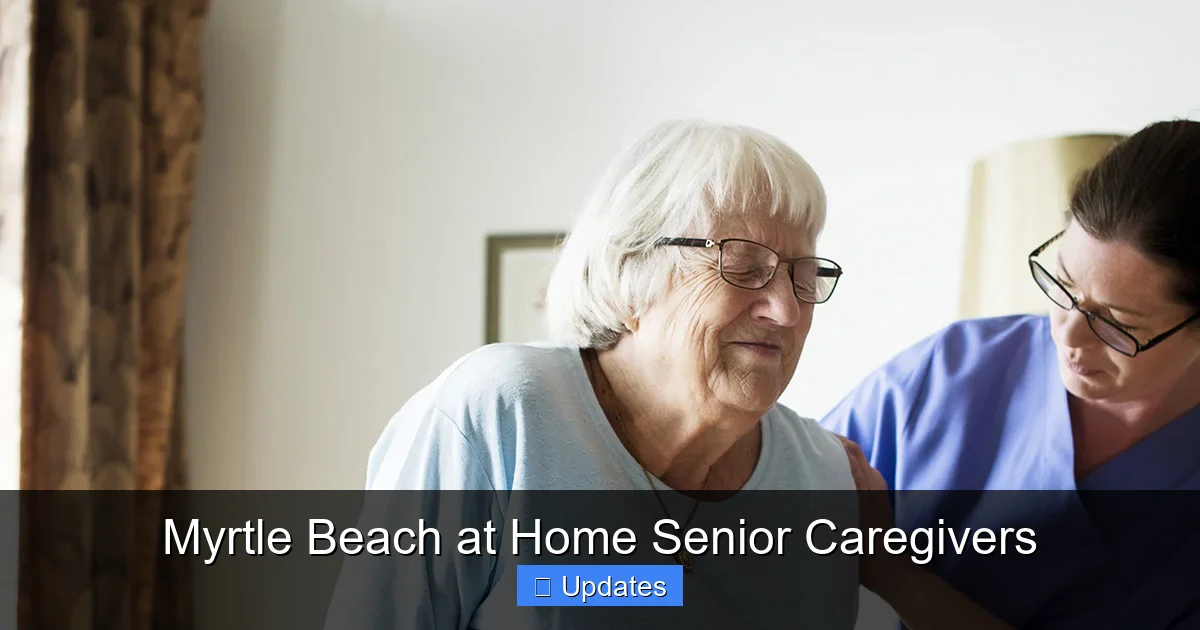
Visual guide about Myrtle Beach at Home Senior Caregivers
Image source: myrtlebeachinhomecare.com
Finding the perfect match feels overwhelming—but breaking it down makes it manageable. Start by identifying your loved one’s specific needs: Do they need someone bilingual? Someone who enjoys pets? A caregiver comfortable with technology for video calls with grandkids? Then consider logistics: Will you need coverage during vacation? Can the agency handle last-minute cancellations?
Next, vet the company thoroughly. Ask:
- Are caregivers licensed, insured, and bonded?
- Do they conduct criminal background checks and reference verifications?
- Is training ongoing—especially in areas like Alzheimer’s care or CPR?
- Can they provide flexible scheduling (e.g., split shifts, weekends)?
- Will you get regular updates and care notes?
- Is there 24/7 support if issues arise?
Many reputable agencies in Myrtle Beach—such as Hearts At Home Senior Care or Life At Home Senior Care—offer free consultations where you meet potential caregivers and ask questions. Trust your gut: If the vibe feels off during the first meeting, keep looking.
Also, check if they partner with local resources like Meals on Wheels or Senior Centers in Myrtle Beach SC (like the one at https://seniorsprotalk.com/senior-center-myrtle-beach-sc/)—this shows community integration and holistic support.
Pro Tip: Trial Periods Work!
Don’t commit to months upfront unless you’re certain. Many agencies allow trial periods—say, three days—to see how well the caregiver connects with your loved one. During this time, observe body language, conversation flow, and whether basic tasks get done smoothly. Adjustments can always be made later.
Financial Options & Insurance Coverage
Visual guide about Myrtle Beach at Home Senior Caregivers
Image source: retreatmyrtlebeach.com
Worried about cost? You’re not alone. The average hourly rate for Myrtle Beach at home senior caregivers ranges from $20–$35 depending on duties required, but several financial levers exist to lighten the load:
- Long-Term Care Insurance: Policies vary widely, so review yours carefully. Some cover homemaker services, others only skilled nursing.
- VA Aid & Attendance Benefit: Veterans (and surviving spouses) may qualify for monthly stipends covering in-home care.
- South Carolina Medicaid Waivers: Programs like PACE (Program of All-Inclusive Care for the Elderly) offer comprehensive services at home for eligible seniors.
- Private Pay + Payment Plans: Flexible financing options spread costs over time without interest.
- Reverse Mortgages: For homeowners, tapping equity can fund ongoing care expenses.
For those needing affordable solutions, look into nonprofits like the Salvation Army or United Way affiliates serving Horry County. They sometimes provide grants or subsidies for low-income seniors.
Remember: investing in home care now can prevent costly emergency room visits or nursing home admissions later. As healthcare costs rise nationally, keeping people at home remains one of the smartest financial choices.
Exploring Low-Income Senior Housing Myrtle Beach SC
If housing affordability becomes a concern alongside care needs, explore options like Low Income Senior Housing Myrtle Beach South Carolina. Some developments include built-in support services or partnerships with home care agencies, creating seamless transitions between living and care environments.
Building a Supportive Ecosystem Around Your Loved One
Great care isn’t just about hiring someone—it’s about weaving them into a web of support. Encourage open communication between family members, doctors, pharmacists, and the caregiver. Use shared digital calendars to track appointments, medications, and special occasions. Invite the caregiver to quarterly family meetings to discuss progress and concerns.
Neighbors also play a role! A quick “knock-and-drop” system—where neighbors leave groceries or mail during absences—adds safety layers. And don’t forget tech tools: motion sensors, medical alert pendants, or video doorbells give added security without intrusiveness.
Most importantly, involve your loved one in decisions whenever possible. Let them choose meal preferences, activity types, or even which caregiver they’d like to work with. Autonomy fuels morale more than anyone realizes.
Fun Ideas for Beach-Themed Activities
Leverage Myrtle Beach’s charm! Organize seashell sorting games, tide pool discussions (via pictures if needed), or gentle sand walking sessions. Even virtual tours of local museums or beach cleanup events foster engagement. These experiences aren’t just enjoyable—they stimulate memory recall and sensory input vital for cognitive health.
Common Concerns Addressed
Families often worry: “Will my mom feel like a burden?” Or, “What if the caregiver steals?” Rest assured—modern agencies prioritize ethics above all. Background checks, supervision policies, and transparent billing minimize risks. As for emotional impact, studies confirm that seniors receiving respectful, dignified care actually feel more capable and less dependent—not the reverse.
Another frequent question: “Can caregivers handle emergencies?” Absolutely. Most are certified in first aid/CPR and carry emergency contact lists. They’re also trained to call 911 immediately if needed.
Lastly, some fear “loss of privacy.” But boundaries matter. Good caregivers ask before entering rooms, knock politely, and respect personal space—just like any good neighbor would.
Conclusion: More Than Help—It’s Partnership
At its core, Myrtle Beach at home senior caregivers represent something rare: genuine partnership. They don’t just show up to complete tasks—they show up to listen, laugh, and lift spirits. In a world that moves fast, slowing down to savor sunsets, share stories, and maintain routines becomes sacred.
Whether your loved one needs help with groceries, wants company during thunderstorms, or simply craves human connection after a long day, these caregivers fill gaps with grace. And for families stretched thin between careers, parenting, and aging parents, having reliable support isn’t luxury—it’s necessity.
So take that first step. Schedule a consultation. Meet a caregiver. Watch how smiles return, confidence builds, and life feels lighter. Because when aging happens at home—with kindness, competence, and choice—everyone wins.
And remember: you’re not alone in this journey. Local agencies, online communities, and even nearby senior centers (like the one at https://seniorsprotalk.com/senior-center-myrtle-beach-sc/) stand ready to guide you. Together, we can honor our elders not as burdens, but as beloved pillars of our community.
—
Frequently Asked Questions
What qualifications do Myrtle Beach at home senior caregivers have?
Reputable agencies require caregivers to pass background checks, complete state-mandated training, and often hold certifications in CPR or dementia care. Ongoing education ensures they stay updated on best practices.
How much does in-home senior care cost in Myrtle Beach?
Hourly rates typically range from $20–$35 depending on services needed, with full-time live-in care averaging $4,000–$6,000 monthly. Financial assistance options are available through insurance, Medicaid, or veterans’ benefits.
Can caregivers assist with medical needs like injections or wound care?
Only licensed nurses can perform clinical procedures like injections. However, caregivers trained in basic wound care or diabetes management can support daily routines and alert medical professionals when needed.
Are emergency backup staff available if a primary caregiver gets sick?
Yes—most agencies maintain a pool of pre-vetted substitutes and guarantee continuity of care, even during unexpected absences.
How do I transition my loved one from family care to professional help?
Start gradually: begin with daytime-only care while family adjusts. Communicate openly about reasons, emphasize empowerment (“We’re adding support so you can stay strong!”), and celebrate small wins together.
Do caregivers help with technology setup for remote family connections?
Absolutely. Many caregivers are tech-savvy and can set up tablets, teach video calling basics, or troubleshoot Wi-Fi issues—keeping seniors connected to grandchildren and loved ones worldwide.
