
Johns Creek Senior Living Care


Book Holder Stand

Kindle E-Reader

Handheld Shower Head
Johns Creek, Georgia, offers a sophisticated and supportive environment for seniors seeking care. This guide explores the spectrum of assisted living, memory care, and independent living options available in the area. We break down costs, key amenities, and practical steps for choosing the right community. Learn how to navigate this important decision with confidence and ensure your family member receives compassionate, tailored care in a vibrant setting.
Key Takeaways
- Johns Creek combines suburban comfort with city-adjacent access: Residents enjoy peaceful neighborhoods, abundant parks, and easy proximity to Atlanta’s top medical facilities like Emory Healthcare and Northside Hospital.
- Multiple levels of care are available: From active independent living to 24/7 assisted living and specialized memory care, communities in Johns Creek are designed to support evolving health needs without requiring multiple moves.
- Costs are variable but transparent: Monthly fees typically range from $3,500 to $7,000+, with factors like apartment size, care level, and premium amenities influencing the final price.
- Amenities focus on engagement and wellness: Expect resort-style pools, fitness centers, chef-prepared dining, and robust activity calendars designed to promote social connection and physical health.
- Thorough tours and assessments are non-negotiable: Visiting at different times, observing staff interactions, and asking about staff turnover and emergency protocols are critical steps in your evaluation.
- The move is a process, not an event: Successful transitions involve downsizing logistics, fostering new social connections early, and establishing a family communication plan with the community’s leadership.
- Financial planning extends beyond monthly rent: Understand all fees, explore long-term care insurance, and consult with a senior financial advisor to map out a sustainable payment strategy.
📑 Table of Contents
- Navigating the World of Johns Creek Senior Living Care
- The Spectrum of Care: From Independent to Memory Support
- What to Expect: Amenities and the Johns Creek Advantage
- Decoding the Costs: What You’re Really Paying For
- How to Choose: A Step-by-Step Evaluation Process
- Making the Move: Downsizing and Transitioning
- Johns Creek Specifics: Why This Location Works
Navigating the World of Johns Creek Senior Living Care
Choosing senior living care for a parent or spouse is one of the most significant, and often emotional, decisions a family will face. It’s a journey filled with questions about cost, quality of life, and the right timing. If you’re exploring options in North Fulton County, you’ve likely heard about the appeal of Johns Creek. This master-planned community isn’t just for young families and professionals; it has quietly become a premier destination for senior living care, offering a unique blend of serene suburban living and unparalleled access to metropolitan resources.
The term “senior living care” here is an umbrella. It encompasses everything from carefree retirement apartments where you handle your own affairs to communities providing hands-on assistance with medications, bathing, and dressing, all the way to secure neighborhoods for those living with Alzheimer’s or other dementias. Johns Creek’s senior living landscape is diverse, meaning there is almost certainly a fit, but finding it requires clear information and a structured approach. This article is your definitive guide to understanding, evaluating, and selecting the best Johns Creek senior living care option for your unique family situation.
The Spectrum of Care: From Independent to Memory Support
Not all senior living is created equal. The first, and most crucial, step is understanding the primary levels of care. This isn’t about your loved one’s age; it’s about their current abilities, health conditions, and desire for support. Matching the correct level of care prevents both under-servicing (leading to stress or accidents) and overpaying for unnecessary services.

Visual guide about Johns Creek Senior Living Care
Image source: creamerycreekseniorliving.com
Independent Living: The Active Retirement Lifestyle
Think of independent living as “carefree living.” These communities, often called retirement villages or senior apartments, are designed for seniors who are fully capable of managing their daily lives but want to downsize, eliminate home maintenance, and gain instant access to social opportunities. Residents live in private, often spacious apartments or small cottages. The community handles exterior maintenance, landscaping, and sometimes even interior housekeeping. Common areas are the heart of life here—think clubhouses with game rooms, libraries, fitness centers, and scheduled events like wine tastings, guest lecturers, and group outings. This option is ideal for the social butterfly or the couple wanting to travel worry-free. It’s about convenience and community, not medical care. Many independent living communities in Johns Creek are attached to or offer seamless transitions to on-site assisted living, providing peace of mind for the future.
Assisted Living: Support for Daily Living
Assisted Living (AL) is the most common entry point for senior living care. It’s for individuals who are still largely independent but need help with one or more Activities of Daily Living (ADLs). These include bathing, dressing, grooming, medication management, mobility, and toileting. The hallmark of a good assisted living community is its ability to provide just the right amount of help to foster independence, not create dependence. Staff are available 24/7. Meals are served restaurant-style in communal dining rooms, and housekeeping and laundry are included. The social calendar remains vibrant, but with the added security of knowing help is always nearby. In Johns Creek, assisted living costs are typically an all-inclusive monthly fee based on apartment size and the level of personal care assessed for the resident. This fee covers rent, utilities, meals, and the core care package.
Memory Care: Specialized Care for Dementia
Memory care is a distinct, secure environment within a larger senior living campus or a standalone community designed specifically for individuals with Alzheimer’s disease, vascular dementia, or other memory impairments. The design is intentional—circular hallways to reduce wandering anxiety, secure outdoor gardens, and color-coded walls to aid wayfinding. The programming is therapeutic, not just recreational. Activities are structured around the resident’s life history and current cognitive abilities, using techniques like reminiscence therapy. Staff are specially trained in dementia care, focusing on validation therapy and de-escalation techniques. Security is paramount, but the goal is to create a calm, familiar, and engaging home. The staff-to-resident ratio is higher here, and costs are significantly more than standard assisted living due to this specialized, intensive care. When touring memory care units in Johns Creek, observe the atmosphere: Is it quiet and orderly, or does it feel institutional and stressed?
Skilled Nursing and Rehabilitation: Short-Term Medical Care
Often confused with long-term care, skilled nursing facilities (SNFs) provide 24/7 medical supervision and post-hospital rehabilitation. This is for seniors recovering from surgery, a stroke, or a major illness who need daily physical, occupational, or speech therapy. Stays are typically short-term, covered in part by Medicare (for qualifying conditions). Some senior living campuses in Johns Creek have attached SNFs, making the transition from rehab back to assisted living or independent living within the same community a seamless and less disruptive process. This continuity of care is a major advantage of larger, multi-level campuses.
What to Expect: Amenities and the Johns Creek Advantage
So, what does life actually look like in a Johns Creek senior living care community? The amenities rival a high-end resort, but their purpose is deeper: to promote wellness, purpose, and connection.

Visual guide about Johns Creek Senior Living Care
Image source: d13iq96prksfh0.cloudfront.net
The Daily Grind (The Good Kind)
Imagine starting your day with a made-to-order omelet from an on-site chef in a bright, sun-drenched dining room. After breakfast, you might join a low-impact water aerobics class in the indoor pool, attend a gardening club in the raised-bed gardens, or play a round of bridge with neighbors. Afternoon options are endless: a guest lecture from a local historian, a group walk along the Chattahoochee River trails, or a quiet afternoon with a book in the library. Many communities partner with local businesses—think Starbucks coffee bars, weekly farmers’ markets, or shuttle services to the Johns Creek Farmers Market or the Atlanta History Center. This isn’t a passive existence; it’s an engaged one.
Health and Wellness On-Demand
Top-tier communities integrate wellness into their fabric. This means more than just a gym. Look for:
- Full-time wellness directors who create personalized activity plans.
- On-site physical therapy and fitness classes tailored for seniors, from chair yoga to strength training.
- Regular health screenings (blood pressure, glucose) and partnerships with local medical practices for on-site doctor visits.
- Transportation services that are not just for medical appointments but also for shopping, cultural outings, and religious services.
The proximity to world-class hospitals like Northside Hospital Cherokee and Emory Johns Creek Hospital is a critical, often decisive, factor for families. Knowing that advanced cardiac, stroke, and orthopedic care is minutes away provides immeasurable peace of mind.
Dining: More Than Just Meals
Gone are the days of bland, institutional food. Modern senior living dining is a highlight. Menus are often developed with dieticians, offering multiple choices for each meal, accommodating special diets (diabetic, low-sodium, gluten-free) seamlessly. The dining room is a social hub. Many communities offer flexible dining plans, allowing residents to eat in their apartments if they choose. The quality and presentation of food are frequently cited by residents as a top reason for satisfaction.
Decoding the Costs: What You’re Really Paying For
Money talk is hard, but it’s essential. The sticker shock is real, but understanding the structure demystifies it. In Johns Creek, you are not just buying an apartment; you are purchasing a comprehensive service package.
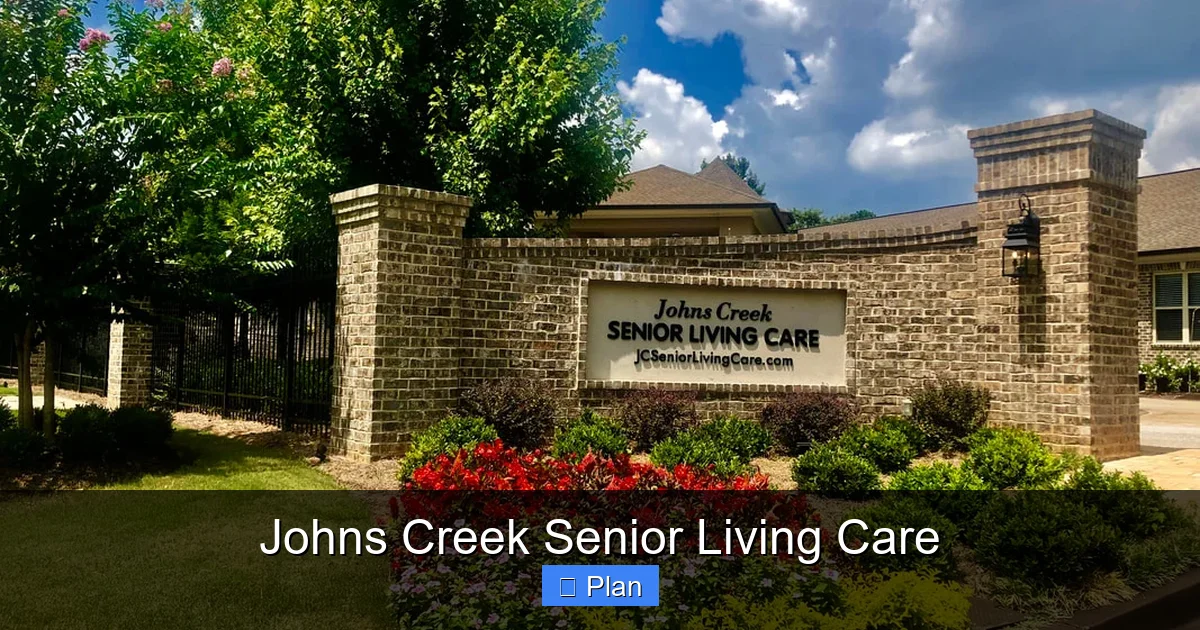
Visual guide about Johns Creek Senior Living Care
Image source: jcseniorlivingcare.com
The All-Inclusive Monthly Fee Model
Most assisted and independent living communities operate on a single monthly fee. This typically includes:
- Your apartment (rent, utilities, cable, internet)
- Three daily meals plus snacks
- Weekly housekeeping and linen service
- Access to all amenities (pool, fitness center, activities)
- Basic care (assistance with ADLs as determined by assessment)
The base fee is primarily determined by the size and location of the apartment (a studio vs. a two-bedroom with a balcony). This base fee is your starting point.
The Care Level Add-On
This is where costs can increase. Upon move-in, a licensed nurse conducts a comprehensive assessment to determine the level of personal care needed. This is scored, often in “points” or “hours of care.” More points/hours mean a higher monthly fee added to your base rent. For example, someone needing minimal medication reminders might pay the base fee plus a small care add-on. Someone needing extensive help with bathing, toileting, and mobility will have a significantly higher care fee. Memory care is almost always a separate, higher flat rate because of the specialized environment and staffing.
Understanding the “Entrance Fee” vs. Rental Model
Some higher-end communities, particularly those with a Continuing Care Retirement Community (CCRC) license, require a large, upfront entrance fee (sometimes $200,000+) that secures your apartment and guarantees you a spot in higher levels of care for life, in exchange for a lower monthly fee thereafter. This is a long-term financial commitment. The more common model in Johns Creek is the rental model—pay a monthly fee with no large upfront buy-in, offering more flexibility. Always ask: What is the community’s 5-year plan? Do they have a history of raising monthly fees, and by how much?
What’s NOT Included?
Be vigilant. Ask what extra costs you might incur. These can include:
- Medication administration fees (sometimes separate from care fees)
- Private duty aides if you need more than the community’s standard care plan
- Beauty salon, podiatry, or other outsourced medical services
- Special meals or dietary supplements
- Transportation beyond a set number of trips per month
- Guest meals or overnight guest fees
Get a full, itemized list of potential additional charges before signing any contract.
How to Choose: A Step-by-Step Evaluation Process
Armed with knowledge about types of care and costs, how do you pick *the one*? This requires boots-on-the-ground research and honest family conversations.
Step 1: The Honest Assessment
Before you call anyone, sit down with your family and your loved one (if possible). Be brutally honest about:
- Current ADL capabilities: Can they bathe safely? Manage complex medications? Get in/out of a chair or bed?
- Medical diagnoses: Is there a progressive condition like Parkinson’s or early-stage dementia?
- Social and cognitive needs: Are they lonely? Depressed? Do they need structured activity or quiet space?
- Financial parameters: What is the realistic monthly budget? What assets are available? Do they have long-term care insurance?
This assessment creates your “must-have” list versus your “nice-to-have” list.
Step 2: The Research and Shortlist
Use online directories and local agency on aging resources. In Johns Creek, you’ll find both national brands (like Sunrise Senior Living, Atria) and strong regional operators. Create a spreadsheet to compare:
- Levels of care offered
- Base monthly fee range
- Care add-on structure
- Size and layout of apartments
- Key amenities
- Distance to your preferred hospital
Narrow your list to 3-5 communities for in-person visits. When reading online reviews on platforms like Care.com, look for consistent themes, not just one-off complaints.
Step 3: The Strategic Tour
Never tour alone. Bring your spouse, an adult child, or a trusted friend. Schedule visits for different times of day—morning (see the energy), during a meal (observe the food and social dynamics), and late afternoon (when “sundowning” can occur in memory care units). Your senses are your best tool.
- Sight: Is it clean? Do residents appear engaged and well-groomed? Is staff interacting warmly with residents, or are they clustered in offices?
- Sound: Is there cheerful noise or a constant overhead page? Is music playing? Are people laughing?
- Smell: This is critical. Any hint of urine or cleaning chemicals can indicate issues.
- Ask the tough questions:
- “What is your staff turnover rate?” (High turnover is a major red flag).
- “Can I see the most recent state survey/inspection report?” (This is public record).
- “What is your emergency response protocol for a fall or medical event?”
- “How do you handle conflicts between residents?”
- “What is your process for a family conference if my loved one’s needs change?”
If possible, speak to a current resident’s family without staff present. Their unfiltered perspective is gold.
Step 4: The Financial Due Diligence
Before you sign, have a financial advisor or elder law attorney review the contract. Understand:
- The move-in fee and what it covers.
- The notice period for termination (by you or the community).
- The community’s refund policy on the entrance fee, if any.
- The maximum annual fee increase allowed in the contract.
- What happens if your loved outlives their financial resources? (Some communities have a “charity care” policy or Medicaid acceptance for long-term care).
Making the Move: Downsizing and Transitioning
The logistical and emotional process of moving a lifetime of possessions is often the most daunting part. Starting early is key.
The Art of Downsizing: Sort, Systemize, Surrender
Begin the sorting process months in advance. Use the “Four-Box Method”: Keep, Donate/Sell, Trash/Recycle, and “Maybe” (with a strict deadline to revisit). Focus on keeping items that are functional, meaningful, and will fit in a smaller space. Senior living apartments are designed efficiently—they have full kitchens but limited storage. Digitize photos and important documents. Create a “first-night” box with essentials like medications, a change of clothes, toiletries, and a favorite mug. Involve your loved one in every decision possible to maintain their sense of control and autonomy. Consider hiring a senior move manager—these professionals specialize in the emotional and logistical complexities of this type of move and can be worth every penny.
Building a New Routine and Social Circle
The first 30-90 days are an adjustment period. Encourage, but don’t force, participation. Help them identify 2-3 activities to try in the first week. Eat meals in the dining room, not in their apartment. Introduce yourself to the activity director and ask them to personally invite your parent to an event. Your role shifts from primary caregiver to care advocate and cheerleader. Your consistent, positive visits during this period are crucial. Attend a meal with them, meet their new friends, and get to know the key staff—the executive director, the head of nursing, the dining services manager. Building these relationships ensures you have allies in the community.
Johns Creek Specifics: Why This Location Works
Choosing a city is as important as choosing a community. Johns Creek offers a unique proposition.
A Safe, Upscale, and Convenient Location
Johns Creek consistently ranks as one of Georgia’s safest and most affluent cities. This translates to well-maintained roads, excellent city services, and generally low crime—a significant factor for seniors. The city is meticulously planned, meaning most senior living communities are tucked into quiet, tree-lined neighborhoods but are never far from essential services. Major shopping at Harbour Point or Mall of Georgia (in Buford) is a short drive away. The Chattahoochee River National Recreation Area provides stunning natural beauty for walks and bird-watching. For families, being in Johns Creek means visits are convenient from both Atlanta and the northern suburbs, making it a central meeting point.
Access to Top-Tier Medical Care
This cannot be overstated. The concentration of high-quality healthcare in the area is a primary draw. Emory Johns Creek Hospital is a full-service facility with a renowned stroke center. Northside Hospital Cherokee is another major provider with comprehensive cardiac and orthopedic programs. For specialized care, seniors are within the network of Piedmont Healthcare and a short drive from the entire Emory Healthcare system. Most senior living communities have established relationships with these providers, facilitating smooth transitions for hospital stays or outpatient therapy. Having this level of care “in the neighborhood” allows seniors to age in place with confidence, knowing that if a serious health event occurs, the best treatment is nearby, and the community can assist with the logistics of discharge and rehabilitation.
Community and Culture
Johns Creek has a strong sense of community with numerous parks, cultural events, and volunteer opportunities. Senior living communities actively leverage this. Many partner with the Johns Creek Arts Center or host performances by local musicians. Others organize outings to the Chattahoochee Nature Center or community festivals. This integration helps residents feel connected to the wider world, not isolated within a senior bubble. The city’s overall vibrancy and cleanliness contribute to a positive, uplifting environment that benefits residents’ mental and emotional well-being.
Frequently Asked Questions
How do I start the conversation about senior living with my parent?
Begin by listening to their concerns and fears. Frame it as a discussion about their quality of life and goals (“I want to make sure you have the time and energy for your painting, without worrying about the yard work”). Involve them in the research and tours from the start. Emphasize it’s about gaining a community and support, not losing independence.
What is the difference between assisted living and a nursing home?
Assisted living is a social and supportive model for those needing help with daily tasks but not requiring 24/7 skilled nursing care. Nursing homes (skilled nursing facilities) provide a higher level of medical care for individuals with complex, chronic conditions or those needing rehabilitation after a hospital stay. Assisted living is primarily private pay, while nursing home care is often covered by Medicaid for long-term stays after assets are spent down.
Can residents with walkers or wheelchairs live in these communities?
Absolutely. All modern senior living communities in Johns Creek are designed with accessibility in mind. Hallways are wide, bathrooms have grab bars and roll-in showers, and elevators are standard. Communities are equipped to support residents using mobility aids at all levels of care, from independent to assisted living.
How are medications handled in assisted living?
This varies. Most communities offer medication administration as part of their care package or for an additional fee. A licensed nurse or certified medication aide will typically manage prescriptions, ensuring they are taken correctly and on time. They will also coordinate with your loved one’s external doctors and pharmacies. It’s crucial to ask about their specific procedures and error rates during tours.
What happens if my loved one’s care needs increase significantly after moving in?
This is a key question. Reputable communities have a clear process. They will conduct a reassessment and discuss the required increase in care services and the associated fee adjustment. If the community offers a continuum of care (independent, assisted, memory, skilled nursing), they can often facilitate an internal transfer to a more appropriate setting without the trauma of moving to a completely new location. Ask to see their “level of care increase” policy in the contract.
Is there a “best time” to move to assisted living?
The best time is *before* a crisis—a fall, a medication error, or a significant health decline. Transitioning when your loved one is still relatively stable allows them to engage socially, choose their apartment, and adjust on their own terms. It’s a proactive choice for wellness, not a reactive surrender. Waiting too long often means the move must happen from a hospital or under immense stress, which is far more difficult for everyone.