
Low Income Senior Apartments in Tucson Az


Lightweight Aluminum Walker

Handheld Shower Head

Big Button Mobile Phone
Finding low income senior apartments in Tucson, AZ, is a vital step for older adults with limited incomes to secure safe, affordable housing. These communities, often subsidized by federal programs like HUD’s Section 202, cap rent at 30% of a resident’s adjusted income. Eligibility is primarily based on age (typically 62+) and income, which must fall below specific area limits. The application process can be lengthy with long waitlists, so understanding the requirements and starting early is crucial for success.
Let’s talk about something real and important: finding a place to call home when you’re on a fixed income. For many seniors in Tucson, the dream of a safe, comfortable, and affordable apartment can feel out of reach. But here’s the good news—there are dedicated resources and programs designed specifically to help. navigating the world of low income senior apartments in Tucson AZ isn’t always easy, but with the right roadmap, you can find a community that fits your needs and budget. Think of this guide as your friendly companion, breaking down the jargon, the steps, and the tips to make this search less stressful and more successful.
First, let’s clear up a common point of confusion. When we say “low income senior apartments,” we’re usually talking about housing that receives a government subsidy to keep rents affordable for older adults with modest means. It’s not about “low-quality” housing. In fact, many of these properties in Tucson are well-maintained, offer great amenities, and foster wonderful, active communities. The key is understanding the programs that make them possible. The most significant is the HUD Section 202 program, which provides direct funding to non-profit organizations to build and operate affordable housing for seniors. There are also properties that use Low-Income Housing Tax Credits (LIHTC) to offer reduced rents. The goal is simple: to ensure that housing costs do not overwhelm a senior’s limited income, typically capping your rent and utility payment at about 30% of your adjusted gross monthly income.
Now, why is this so crucial in Tucson? Like many growing Sun Belt cities, Tucson has seen its cost of living rise. For someone living solely on Social Security or a small pension, the private rental market can be daunting. These affordable units provide stability, peace of mind, and a foundation for a secure retirement. But they are not unlimited. The demand far exceeds the supply, which is why patience, persistence, and a strategic approach are your best tools. We’re going to walk through exactly what that strategy looks like, from figuring out if you qualify to finally getting the keys to your new apartment.
Key Takeaways
- Eligibility is based on age and income: You must be 62+ (or sometimes 55+) and your household income must be at or below 50-80% of the Tucson Area Median Income (AMI), which is adjusted for household size.
- Rent is income-based: In most subsidized apartments, you pay no more than 30% of your adjusted gross monthly income for rent and utilities.
- Waitlists are common and long: Due to high demand, many properties have waitlists that can take several months to several years. Apply to multiple properties simultaneously.
- Two main types of housing: You’ll encounter “Project-Based Section 202” (subsidy tied to the apartment building) and “Section 8 Vouchers” (subsidy you can use at any approved unit, though landlord participation varies).
- Documentation is key: Be prepared to provide extensive proof of age, income (Social Security, pension, etc.), assets, and citizenship/residency status during the application process.
- Resources are available to help: Non-profits, Area Agencies on Aging, and housing counselors can guide you through the complex process. Don’t hesitate to seek assistance.
- Location and amenities vary: Tucson offers these apartments across the city. Consider proximity to medical care, shopping, and public transportation when choosing where to apply.
📑 Table of Contents
- Understanding Affordable Housing Programs for Seniors in Tucson
- Are You Eligible? Decoding Income Limits and Requirements
- The Different Types of Low-Income Senior Apartments in Tucson
- Your Step-by-Step Guide to Finding and Applying
- Common Challenges and How to Overcome Them
- Resources and Next Steps for Tucson Seniors
Understanding Affordable Housing Programs for Seniors in Tucson
Before you start clicking “apply” on every listing, it helps to understand the landscape. Not all “affordable” apartments are created equal, and the rules depend on the funding source. Knowing the difference between a Project-Based Section 202 property and a unit with a Section 8 voucher will save you a lot of time and confusion.
Project-Based Section 202 Supportive Housing
This is the most common type you’ll find specifically marketed to seniors in Tucson. The federal government provides a capital grant to a non-profit developer (like a community action agency or a housing ministry) to build an apartment complex. That non-profit then owns and manages the property forever, with the legal obligation to keep a certain percentage of units affordable for very low-income seniors. The subsidy is “project-based,” meaning it stays with the building. If you live in one of those designated affordable units, your rent is calculated based on your income. You apply directly to the property management office of that specific apartment community. Examples of organizations that manage such properties in the Tucson area include the Tucson Housing Authority (THA) in partnership with HUD, and various local non-profits.
Section 8 Housing Choice Voucher Program (HCV)
This program works differently. Qualified individuals or families receive a voucher from the local Public Housing Authority (PHA)—in Tucson, that’s the Tucson Housing Authority. The voucher pays the difference between 30% of your income and the approved rent for a unit, up to a specific payment standard set by the PHA. The big advantage is choice: you can use it at any apartment in the private market that accepts Section 8 vouchers, provided the rent is reasonable. The challenge is finding a landlord who participates. Many seniors prefer this option for the flexibility to choose a neighborhood or unit type. However, the waitlist for a Section 8 voucher in Tucson is notoriously long, often closed to new applicants for years at a time. It’s still worth adding your name to the list if it opens.
Other Programs: LIHTC and USDA Rural Development
Some properties use Low-Income Housing Tax Credits (LIHTC) to offer below-market rents. These are not always exclusively for seniors, but many have age-restricted units. There are also USDA Rural Development housing programs for very low-income seniors in qualifying rural areas outside Tucson’s core. While less common within the city limits, they are an option for those willing to live in outlying communities. The application process for these can be similar to Section 202 properties. For those exploring all options, looking at affordable senior housing in Georgia or other states can provide a comparative perspective on how different regions structure their programs, though specific rules and waitlists are always local.
Are You Eligible? Decoding Income Limits and Requirements
This is the big question everyone has. The short answer is: it depends on your age, your household size, and your total income. Let’s break it down into the two core pillars: age and income.
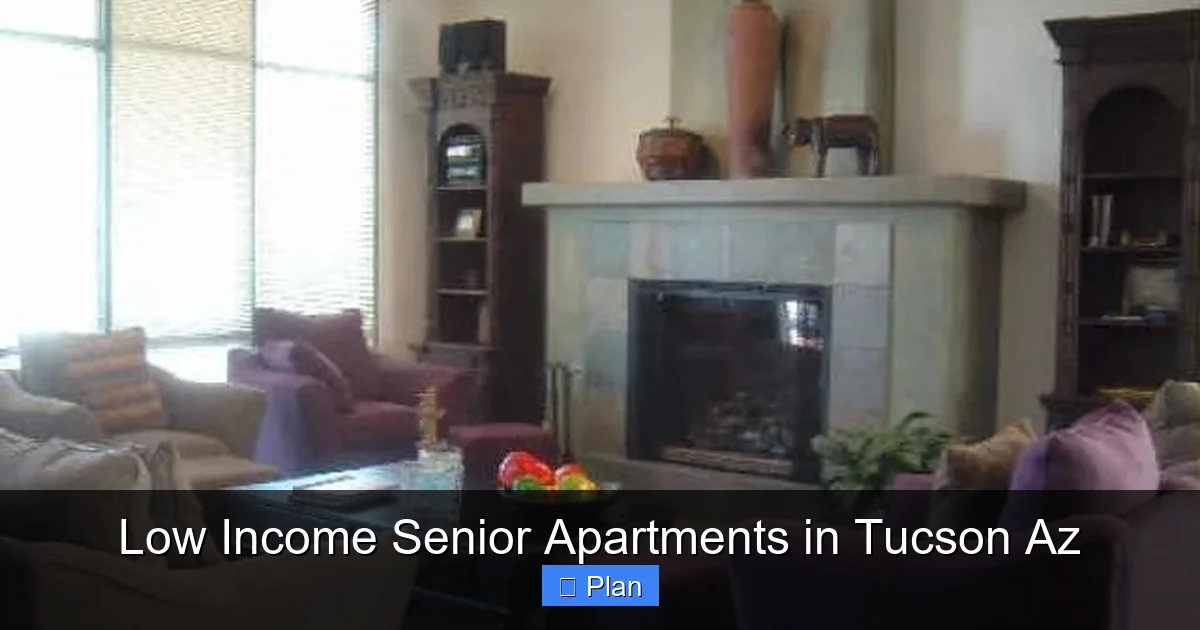
Visual guide about Low Income Senior Apartments in Tucson Az
Image source: lowincomehousing.us
The Age Requirement
For properties funded under the Section 202 program, the primary resident must be 62 years of age or older. Some communities may have a “55 and older” designation, which has different rules under the Fair Housing Act, but the vast majority of dedicated senior apartments in Tucson use the 62+ threshold. If you are applying with a spouse, only one of you needs to meet the age requirement. If you have a live-in aide or caregiver, their income is generally not counted in the eligibility calculation, but they must be approved by the management.
Understanding Area Median Income (AMI) and Limits
This is the most technical part, but it’s critical. The U.S. Department of Housing and Urban Development (HUD) calculates the Area Median Income (AMI) for every metropolitan area each year. For the Tucson MSA (Metropolitan Statistical Area), this figure changes annually. Affordable housing programs then set their income limits as a percentage of the AMI—commonly 50% or 60% of the AMI for a given household size.
For example (using illustrative 2023 figures), the AMI for a one-person household in Tucson might be around $60,000. A “very low-income” limit at 50% AMI would be $30,000. An “extremely low-income” limit at 30% AMI would be $18,000. A two-person household would have a higher income ceiling. You must have a total household income that falls at or below the limit for your specific household size to qualify for the most deeply subsidized units. Some properties may have units for those earning up to 80% AMI, which has a higher income cap. Always check the specific property’s requirements. Your total income includes Social Security, pensions, wages, disability payments, and sometimes a portion of asset income (like interest from savings).
Other Eligibility Criteria
Beyond age and income, you’ll need to meet these standard requirements:
- Citizenship/Immigration Status: You must be a U.S. citizen or have eligible immigration status. All household members must provide documentation.
- Background Checks: Properties will conduct criminal background checks. Certain felony convictions, especially for drug-related activity or violent crimes, can be grounds for denial. Each property has its own policy.
- Rental History: They will check with previous landlords for any history of property damage, lease violations, or unpaid rent.
- Household Composition: You must accurately report all people who will be living in the unit full-time.
It’s important to note that meeting the basic income and age criteria does not guarantee you an apartment. It only places you on the eligible applicant list. The actual selection is often based on the date and time your complete application was received, hence the long waitlists.
The Different Types of Low-Income Senior Apartments in Tucson
Now that you know the programs, let’s look at what the actual living situations look like. Tucson offers a variety of settings, from urban apartments to quieter suburban complexes. The “type” often refers to the level of service and the physical layout.
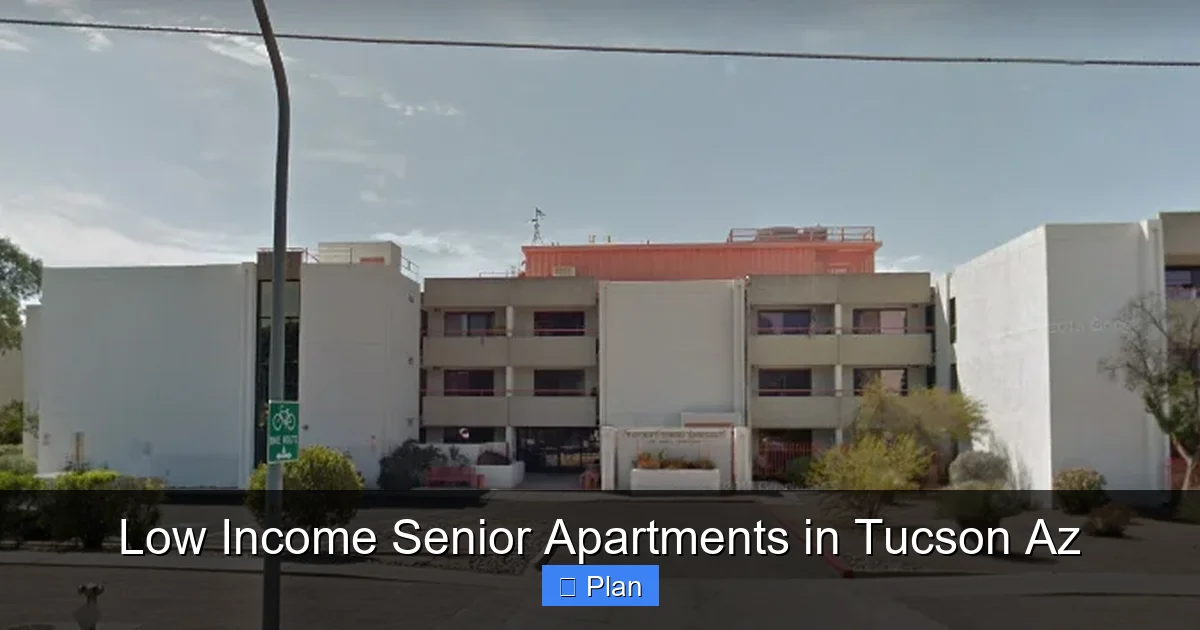
Visual guide about Low Income Senior Apartments in Tucson Az
Image source: lowincomehousing.us
Independent Living Apartments
This is the most common format. These are standard studio, one-bedroom, or occasionally two-bedroom apartment units within a larger, age-restricted community. They are designed for seniors who are completely independent and do not require daily personal care or medical assistance. The building will be equipped with accessibility features like grab bars in bathrooms, no-step entries, and emergency call systems. Common amenities frequently include a community room for social activities, a laundry facility, maybe a small fitness center or library, and secured entry. You live your own life, cook your own meals, and manage your own household, but you’re surrounded by a community of peers. These are the properties most directly associated with the Section 202 program.
Congregate Housing / Service-Enriched Housing
Some affordable senior apartments go a step further by offering optional, low-cost supportive services. This is often called “congregate housing.” The apartment itself is still independent, but the community may provide or coordinate services like:
- Daily congregate meals (often in a central dining room)
- Housekeeping or linen service
- Transportation to medical appointments or shopping
- Social and recreational programming
- On-site health monitoring or nurse visits
These services usually come with an additional monthly fee, but it’s often far less than paying for them à la carte in the community. These properties are ideal for seniors who are mostly independent but want the convenience and security of having some basic supports available. When researching, look for terms like “supportive services,” “congregate care,” or “service-enriched housing.”
Considerations for Location and Community
Tucson is a sprawling city with distinct regions. When applying, think about:
- Proximity to Healthcare: Are you near your preferred doctors, hospital (like Banner University Medical Center), or clinics?
- Access to Essentials: Is there a grocery store, pharmacy, and dollar store within walking distance or a short bus ride?
- Public Transportation: The Sun Tran bus system serves much of Tucson. Check the routes and stops near the apartment.
- Neighborhood Feel: Do you prefer a more urban setting near downtown and the University of Arizona, or a quieter suburban area in the foothills or on the southeast side?
Visiting a neighborhood at different times of day can give you a real feel for the area. Remember, you may be on a waitlist for 1-3 years, so it’s a long-term decision.
Your Step-by-Step Guide to Finding and Applying
Okay, time for action. The process can feel overwhelming, but if you take it one step at a time, you can manage it. Here is a practical, phased approach to your search.
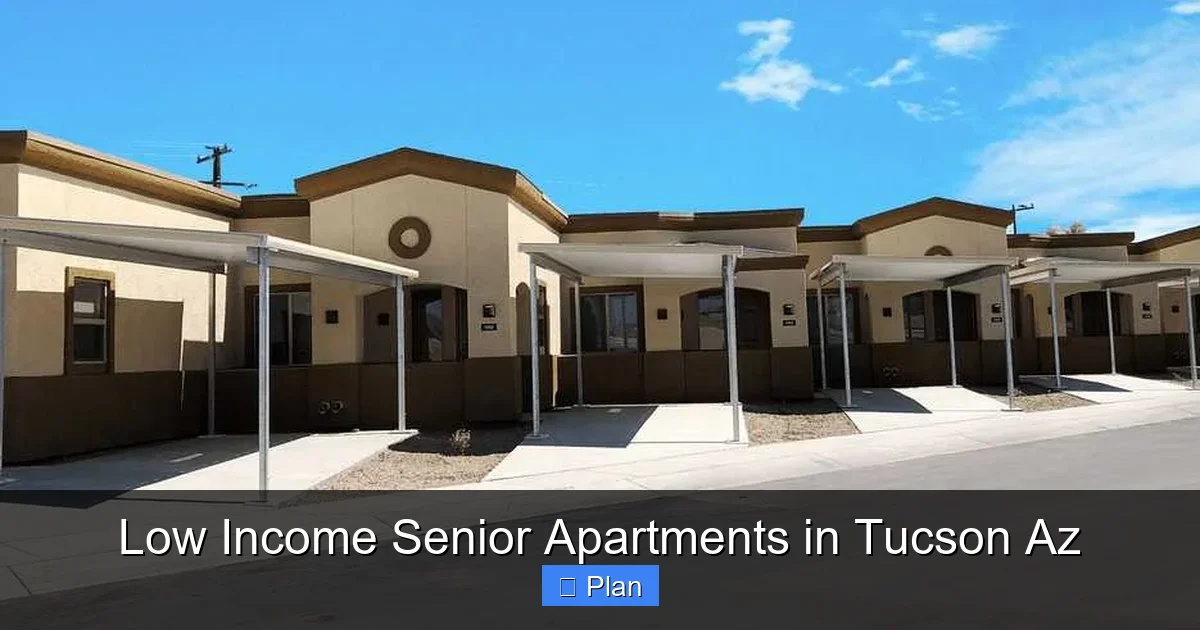
Visual guide about Low Income Senior Apartments in Tucson Az
Image source: publichousing.com
Step 1: Get Your Financial House in Order
Before you even look at listings, gather your financial documents. You’ll need:
- Recent pay stubs (if applicable)
- Social Security award letter/benefit verification
- Pension or annuity statements
- Bank statements (checking and savings)
- Tax returns (last 2 years)
- Proof of assets (stocks, bonds, etc.)
- Proof of citizenship/residency (birth certificate, passport, green card)
Having these organized now will make filling out applications later infinitely easier. It also helps you understand your own income picture so you can target properties where you truly meet the income limits.
Step 2: Research and Build Your Target List
Start your search online. Excellent resources include:
- HUD’s User Portal: Use the HUD Senior Housing Search tool on the HUD website. You can filter by state, city, and program type.
- Tucson Housing Authority (THA) Website: Check their list of affiliated properties and waitlist status.
- Arizona Department of Housing: They often have a statewide affordable housing directory.
- Non-Profit Directories: Organizations like the Pima Council on Aging (they are Tucson’s Area Agency on Aging) maintain resource lists and can provide personalized counseling. This is a critical resource for local, hands-on help.
When you find a property, note the contact info, eligibility requirements, and—most importantly—whether they are currently accepting applications or have a closed waitlist. Create a spreadsheet to track your applications, dates submitted, and contact people.
Step 3: Apply, Apply, Apply (Strategically)
Do not put all your eggs in one basket. Apply to at least 5-10 properties. Your chances of getting an apartment increase with the number of active waitlists you are on. When you call or visit a property:
- Ask if they are currently accepting applications for the waitlist.
- Get the exact list of required documents. They vary slightly.
- Fill out the application completely and accurately. Incomplete applications are rejected.
- Make copies of everything you submit. Keep a master file.
- Ask for a confirmation of receipt, either a letter or an email.
- Get the name and direct phone number of the person you spoke with or the leasing office.
Some properties may require you to attend a brief orientation or interview after submitting your initial paperwork. Be flexible and responsive.
Step 4: The Wait
This is the hardest part for many. Once on a waitlist, you wait. Periodically (every 6-12 months), it’s a good practice to call the properties where you’ve applied. Confirm your information is still current, inform them of any changes (like a new address or phone number), and simply reiterate your continued interest. This “check-in” can sometimes help keep your file active and may prevent you from being dropped for non-response. Manage your expectations; wait times of 2-4 years are not uncommon for the most desirable properties or those with the deepest subsidies.
Step 5: The Offer and Move-In
When a unit becomes available, the property manager will contact the next person on the waitlist whose income and household size matches the unit. You will then need to complete a full verification process, often using a third-party firm called a “verification vendor” (like The Housing Authority’s contracted service). They will meticulously verify every piece of income and asset you listed. You will sign a lease, pay a security deposit (which is usually a modest, refundable amount), and schedule your move-in. Before moving, you will likely need to provide proof of renters insurance.
Throughout this entire journey, remember that help for low-income seniors is available. The Pima Council on Aging offers free housing counseling. They can review your documents, explain programs, and even help you appeal a denial. Don’t be afraid to use these expert services—they are there to help you navigate this complex system.
Common Challenges and How to Overcome Them
Let’s be real—this process isn’t smooth for everyone. Here are some common hurdles and how to tackle them.
Challenge 1: Extremely Long Waitlists
This is the #1 challenge. The supply of affordable senior apartments simply does not meet the demand in Tucson.
- Solution: Apply widely and to different types of programs (Section 202, LIHTC, etc.). Also, consider expanding your geographic search to include nearby Pima County communities like Marana or Sahuarita, which may have their own affordable senior properties with potentially shorter waitlists.
- Pro Tip: When you get on a waitlist, ask for an estimated wait time. It’s rarely a guarantee, but it gives you a ballpark. Use the waiting period to get your finances and documentation perfectly organized.
Challenge 2: Complex Paperwork and Verification
The application packets are thick, and the verification process is rigorous. Missing a signature or a single document can delay or disqualify you.
- Solution: Treat the application like a job. Read every instruction twice. Use a checklist provided by the property. Make a complete copy of your entire packet before mailing or dropping it off. If you are confused, call the leasing office—they are used to questions.
- Pro Tip: During verification, be immediately responsive to calls or letters from the verification vendor. Provide any requested additional documents within 24-48 hours. Delays here can push you back on the waitlist.
Challenge 3: Understanding What “Affordable” Really Means
Your rent will be 30% of your adjusted gross income. Adjusted gross income means your total income minus certain deductions (like a standard deduction, medical expenses over a certain threshold for elderly/disabled households, and dependent care expenses). This calculation is done by the property manager or their verifier.
- Solution: Don’t guess your rent. Once you are in the verification process, you can ask for a preliminary rent calculation based on your provided income figures. This helps you budget accurately. Remember, this rent typically includes utilities (heat, water, sewer, trash), which is a huge benefit.
Challenge 4: Pet Policies
Many affordable senior apartments have restrictions on pets. Some allow only small dogs or cats, often with weight limits and additional pet deposits or monthly pet rents. Some do not allow pets at all, except for service animals.
- Solution: You must ask about the pet policy before you apply and waste a spot on a waitlist for a property that won’t accommodate your companion animal. Be upfront. If you have a service animal, you have rights under the Fair Housing Act, but you will need documentation from a healthcare provider.
Resources and Next Steps for Tucson Seniors
You are not alone in this search. Tucson has a strong network of support. Here’s your actionable list:
Primary Local Resources
- Pima Council on Aging (PCA): Your #1 stop. They offer free, confidential housing counseling, help with applications, and maintain a comprehensive database of senior housing in Pima County. Call their main line or visit their website to schedule an appointment. Their expertise is invaluable.
- Tucson Housing Authority (THA): Administers the Section 8 voucher program for the city and manages some affordable properties. Check their website for waitlist openings and property lists.
- Arizona Department of Housing – Multifamily Housing: Provides a searchable database of affordable rental properties across the state that receive state or federal funding.
Online Tools and National Resources
- HUD’s Senior Housing Search: The official federal search tool. It’s comprehensive but can be a bit clunky. Use it in combination with local resources.
- 211 Arizona: Dial 2-1-1 or visit their website for a human services database. They can connect you to local agencies that assist with housing.
Final Pro Tips
- Start Now: Do not wait until your current lease is ending or your savings are depleted. The moment you think this might be a future need, start researching and applying. The clock on the waitlist starts ticking the day your application is accepted.
- Be Honest: Never lie on an application about income or household composition. It is considered fraud and will result in denial and possible legal action. The verification process is designed to catch discrepancies.
- Consider a Roommate: If you are single and your income is very low, applying as a two-person household (with another senior relative or friend, if the property allows) can sometimes raise the household income limit you qualify under, making you eligible for more units. However, all parties must meet age and background requirements and be on the lease.
- Think About “Next Steps”: If your needs change and you eventually require assisted living or nursing home care, these apartments will not provide that care. They are for independent living. Planning for future care needs is a separate but important part of senior financial and housing planning.
Finding low income senior apartments in Tucson AZ is a marathon, not a sprint. It requires patience, organization, and a bit of persistence. But the reward is immense: a stable, affordable home in a sunny desert city where you can age with dignity, surrounded by community. Use the resources available, apply broadly, and don’t get discouraged by the wait. Your new, affordable, and welcoming senior apartment community is worth the effort.
Frequently Asked Questions
What is the maximum income to qualify for low-income senior housing in Tucson?
Income limits are set annually as a percentage of the Tucson Area Median Income (AMI) and vary by household size. For a one-person household in 2023, limits for “very low-income” programs were around $30,000, while some properties serving “low-income” (up to 80% AMI) had limits near $48,000. Always check the specific property’s requirements for the current year’s figures.
How long is the waitlist for these apartments?
Wait times vary dramatically by property. For the most desirable or centrally located Section 202 communities, waitlists can be 2 to 5 years long. Properties in outlying areas or with different funding sources may have shorter waits, sometimes 6 months to 2 years. When you apply, ask the management for their best current estimate.
Can I have a pet in low-income senior housing?
Policies differ by property. Many allow small dogs and cats under a certain weight (e.g., 25 lbs.), often with an additional monthly pet rent and a refundable pet deposit. Some have a strict “no pets” policy except for service animals. You must confirm the specific policy with each apartment community before applying.
Are utilities included in the rent?
For most Project-Based Section 202 and many LIHTC properties, yes. Your monthly payment—which is 30% of your adjusted income—typically covers rent and all basic utilities (electricity, gas, water, sewer, trash). Always confirm what is included when you apply, as some properties may have separate charges for things like cable or phone.
What documents do I need to apply?
Be prepared to provide: proof of age (driver’s license, state ID, or birth certificate), proof of all household income (Social Security award letter, pension statements, bank statements), proof of citizenship/eligible immigration status for all household members, and recent tax returns. The specific list will be provided by each property.
Who can help me with the application process?
The Pima Council on Aging (PCA) is the premier local resource, offering free, expert housing counseling. The Tucson Housing Authority (THA) can help with Section 8 voucher questions. You can also seek help from local legal aid societies or senior service non-profits. It’s highly recommended to use these free services if you feel overwhelmed.