
Jewish Senior Living Options San Fernando Valley


Lightweight Vacuum Cleaner

Heated Blanket

Leg Massager for Circulation
Finding the right Jewish senior living option in the San Fernando Valley means discovering a community that honors tradition while providing exceptional care. This guide explores independent living, assisted care, memory support, and nursing home options, all designed with Jewish values, kosher amenities, and rich cultural programming. We break down costs, key questions to ask, and how to choose a home where your loved one’s faith and dignity are seamlessly supported.
Navigating the world of senior living is a journey filled with emotion, practical questions, and a deep desire to find a place of comfort and belonging. For Jewish families in the San Fernando Valley, this search carries an additional, profound layer: the wish to preserve cultural identity, religious practice, and a sense of shared heritage. It’s about finding a home where a grandmother can light Shabbat candles without hesitation, where holiday meals are prepared with kashrut (kosher) mindfulness, and where the stories and traditions of a lifetime are understood and celebrated. The good news is that the San Fernando Valley and greater Los Angeles area boasts a rich and varied landscape of Jewish senior living options, each with its own character, philosophy, and level of care. This guide is your companion through that landscape, designed to inform, empower, and connect you with the resources to make a decision that feels right for your family.
We’ll walk through the different types of communities, from vibrant independent living to specialized memory care, all viewed through the lens of Jewish values. We’ll discuss the critical importance of kosher certification, Shabbat observance, and cultural programming. Finances are a huge concern for many, so we’ll demystify payment structures and planning strategies. Most importantly, we’ll provide you with a framework of questions to ask and things to observe, transforming you from a worried family member into an informed advocate. Let’s begin this journey together.
Key Takeaways
- Diverse Options Exist: The San Fernando Valley offers a spectrum of Jewish senior living, from independent apartments to skilled nursing, all integrating cultural and religious practices.
- Kosher & Shabbat Observance is Central: Certified kosher kitchens, Shabbat candles, and holiday celebrations are non-negotiable foundations in these communities, not afterthoughts.
- Ask About Staff Cultural Training: Inquire how staff are trained in Jewish customs, holidays, and dietary laws to ensure respectful, everyday care.
- Financial Planning is Multi-Layered: Costs vary widely. Understand what’s covered by private pay, long-term care insurance, Medicaid (Medi-Cal in CA), and potential VA benefits.
- Community Vibe is Everything: Visit multiple times. Observe resident interactions, the warmth of the environment, and whether the programming feels authentically Jewish and engaging.
- Location Within the Valley Matters: Proximity to synagogues, family, and familiar neighborhoods in areas like Encino, Tarzana, or Northridge can significantly impact quality of life.
- You’re Not Alone in the Search: Utilize local Jewish Family Service agencies and senior referral specialists who understand the unique landscape of Jewish senior care in Los Angeles.
📑 Table of Contents
- Understanding the Spectrum of Jewish Senior Living in the San Fernando Valley
- The Pillars of Jewish Senior Living: Kosher, Shabbat, and Culture
- Aging in Place vs. Community Living: Weighing the Options
- Financial Planning & Payment Strategies for Jewish Senior Living
- How to Choose: Your Community Tour Checklist
- Local Resources and Next Steps for San Fernando Valley Families
Understanding the Spectrum of Jewish Senior Living in the San Fernando Valley
The term “senior living” is an umbrella. Underneath it are distinct levels of care and lifestyle, each serving a different set of needs. In the context of Jewish communities, these levels are often infused with a consistent thread of cultural and religious support, but the physical setting and staffing models differ significantly. Understanding this spectrum is the first step in narrowing your focus.
Independent Living: Active Community, Private Homes
This is for seniors who are fully independent, managing their own medications and daily activities, but who desire a maintenance-free lifestyle and social connection. Jewish independent living communities in the Valley are typically apartment-style residences. They offer robust calendars of events—think lectures on Jewish history, Israeli film nights, holiday craft workshops, and fitness classes. The community aspect is huge, combating isolation with built-in friendship. Dining is almost always kosher, often with multiple options to accommodate different levels of observance. This is an excellent option for a couple or individual ready to downsize but not in need of daily personal care.
Assisted Living: Support with Daily Routines
When help is needed with activities of daily living (ADLs) like bathing, dressing, medication management, or mobility, assisted living is the appropriate level. Jewish assisted living facilities in the San Fernando Valley are designed to provide this support within a nurturing, home-like environment that respects tradition. Staff are trained in cultural sensitivity. The kosher kitchen remains central. The programming shifts to include more wellness-focused activities alongside cultural ones. It’s a balance of providing necessary care while fostering as much independence and dignity as possible.
Memory Care: Specialized Support for Alzheimer’s & Dementia
For those living with Alzheimer’s disease or other dementias, specialized memory care units or dedicated communities are essential. These environments are secure, with layouts designed to reduce confusion and agitation. In a Jewish memory care setting, the approach is deeply person-centered, often using familiar rituals, music, and stories from a resident’s Jewish upbringing as therapeutic tools. A rabbi or chaplain may lead adapted services. The goal is to provide safety, reduce anxiety, and connect with the individual on a deep, often non-verbal, level through their lifelong identity.
Skilled Nursing & Rehabilitation: 24/7 Medical Care
This is the highest level of care, providing 24/7 nursing attention and medical services, often following a hospital stay or for chronic conditions. Jewish skilled nursing facilities in the area are less common than other types but do exist, often as a distinct wing within a larger continuing care retirement community (CCRC). The focus here is primarily medical, but the Jewish cultural elements—kosher food, holiday recognition, and access to religious services—remain important for holistic well-being.
Continuing Care Retirement Communities (CCRCs): A Lifetime in One Place
Also known as life plan communities, CCRCs offer a “cradle-to-grave” continuum of care. A resident can move in at the independent living level and know that if their needs change, assisted living, memory care, and skilled nursing services are available on the same campus, often without needing to move to a new building. For many Jewish families, this peace of mind is invaluable. Several prominent Jewish CCRCs are located in or serve the San Fernando Valley region, providing a long-term home that honors tradition at every stage.
The Pillars of Jewish Senior Living: Kosher, Shabbat, and Culture
What truly differentiates a Jewish senior living community is not just the demographic it serves, but the intentional integration of Jewish life into the daily rhythm. These aren’t add-ons; they are the foundation. When touring communities, observe how these pillars are lived out.
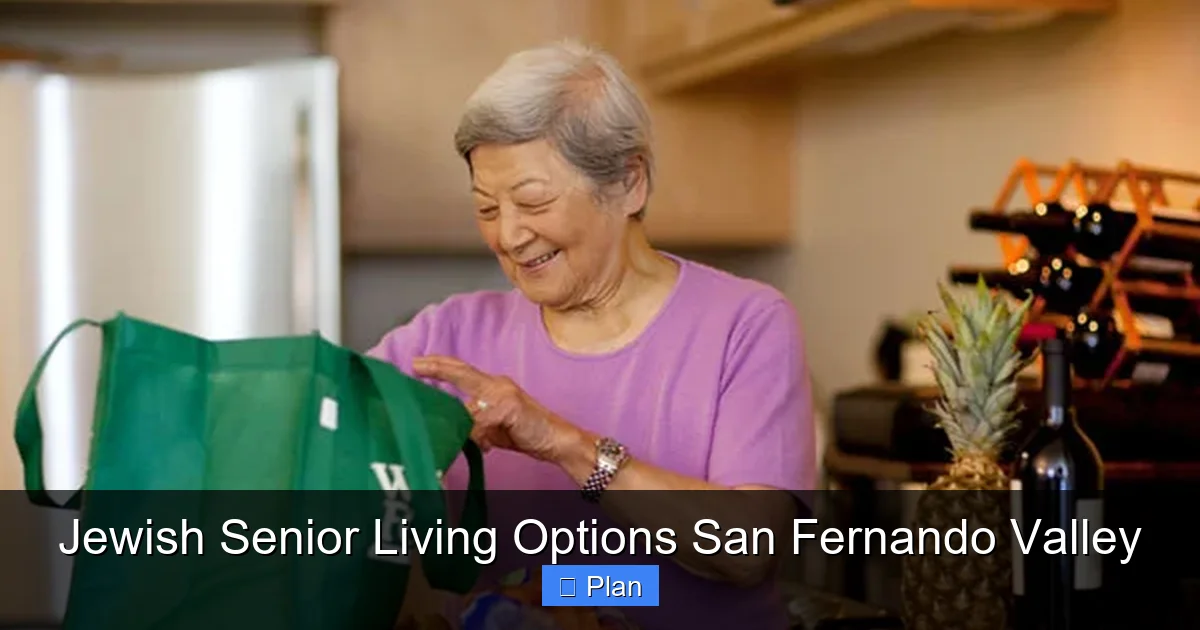
Visual guide about Jewish Senior Living Options San Fernando Valley
Image source: jewishseniorlivinggroup.org
Kashrut (Kosher) is More Than a Label
Ask pointed questions: Is the kitchen certified kosher by a recognized rabbinical authority (like the Orthodox Union)? Is there on-site supervision (mashgiach)? Does the community separate meat and dairy meals and dishes? How do they handle holidays like Passover, with thorough kitchen cleaning and kashering? For many observant families, a true kosher kitchen is non-negotiable. For others, a commitment to high-quality, clearly labeled food that accommodates kosher-style preferences (no shellfish, separate meat/dairy) is sufficient. Understand the community’s standard and if it meets your family’s needs.
Shabbat and Holiday Observance: The Heartbeat of the Week
Friday evening should feel distinct. Are Shabbat candles lit? Is there a kiddush (blessing over wine) and challah (braided bread)? Is the atmosphere peaceful and celebratory? Are there opportunities for residents to attend or host a Shabbat meal? On holidays, does the community have a sukkah (booth) for Sukkot? Are megillah readings held for Purim? A community that invests in these rituals demonstrates a deep respect for the spiritual calendar. It transforms a facility into a home where the soul can rest.
Cultural Programming and Jewish Identity
Beyond religious ritual, what fosters a sense of Jewish peoplehood? Look for programs that explore Israeli culture, Jewish art, history, and literature. Are there discussions on current events in the Jewish world? Is Hebrew language offered? Are there intergenerational programs with local Jewish day schools? Are holidays celebrated with music, food, and storytelling that connect to the broader Jewish narrative? This programming is vital for residents who may be secular or culturally Jewish but still find deep meaning in their heritage. It creates a shared language and experience.
Access to Religious Leadership and Study
Is there a resident rabbi or chaplain? How often are services held? Are they traditional, egalitarian, or Renewal? Is there a Torah scroll? Is there a beit midrash (study hall) or library with Jewish texts? For many, the ability to pray in a minyan (prayer quorum) or study Torah is a critical part of daily life. The presence and approach of religious leadership can define a community’s spiritual tone.
Aging in Place vs. Community Living: Weighing the Options
Not every senior needs or wants to move to a community. Many Jewish seniors in the San Fernando Valley wish to age in their own homes. This is a valid and common choice, and it’s important to understand what support looks like in this scenario.
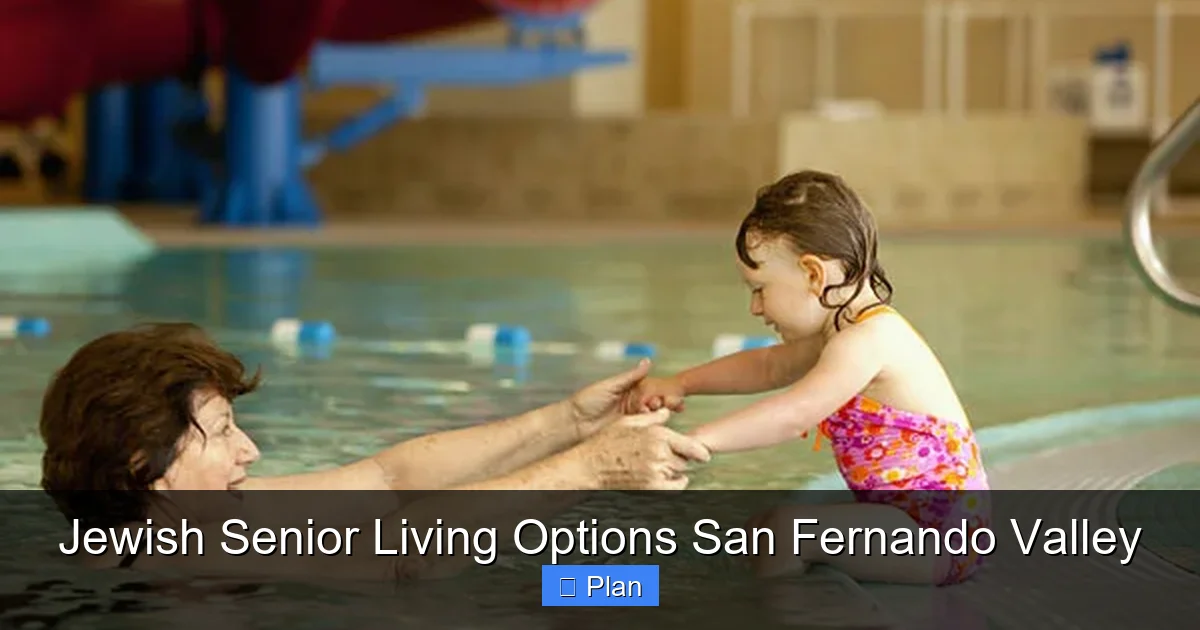
Visual guide about Jewish Senior Living Options San Fernando Valley
Image source: jewishseniorlivinggroup.org
The “Aging in Place” Model with Jewish Supports
Aging in place means staying in one’s private home. The support system is a patchwork of services: in-home caregivers, meal delivery, transportation, and home health aides. The challenge for a Jewish senior is finding caregivers and services that are culturally competent and kosher-aware. Some agencies specialize in pairing Jewish seniors with Jewish caregivers or provide training on cultural norms. Kosher meal delivery services like Hearts At Home Senior Care Optimize Living (which may offer companion services beyond meals) can be part of this puzzle. The key is proactively building this network—connecting with local Jewish Family Service agencies, synagogues with chesed (loving-kindness) committees, and vetted home care companies that understand the importance of Shabbat and holidays.
The Community Living Advantage: Built-In Ecosystem
Moving to a senior living community provides an all-in-one ecosystem. The kosher kitchen, social calendar, religious services, and on-site care staff are integrated. There’s no need to coordinate multiple vendors. The built-in social network is perhaps the biggest benefit, directly combating the isolation that aging at home can sometimes bring. For families, it provides immense peace of mind knowing their loved one is in a secure environment with 24/7 support and a full calendar of engaging activities. The trade-off is less privacy and the need to adapt to a communal living environment.
Making the Decision: Questions to Ask
Is the senior physically safe at home? Can they manage medications and emergencies? Is the home itself accessible (no stairs, grab bars)? Is isolation a concern? Does the family live nearby to provide daily support? If the answers reveal significant gaps, a community setting, where safety and socialization are built-in, may be a safer, happier long-term solution. If the senior is fiercely independent and the home is adaptable with strong family support, aging in place with a robust care plan is a wonderful path.
Financial Planning & Payment Strategies for Jewish Senior Living
Let’s be clear: quality senior living, especially with the added layer of kosher certification and cultural programming, is a significant investment. A private apartment in a Jewish assisted living community in the Valley can easily range from $4,000 to $8,000+ per month. Planning is not optional; it’s essential. Here’s a breakdown of how families typically navigate the financial landscape.
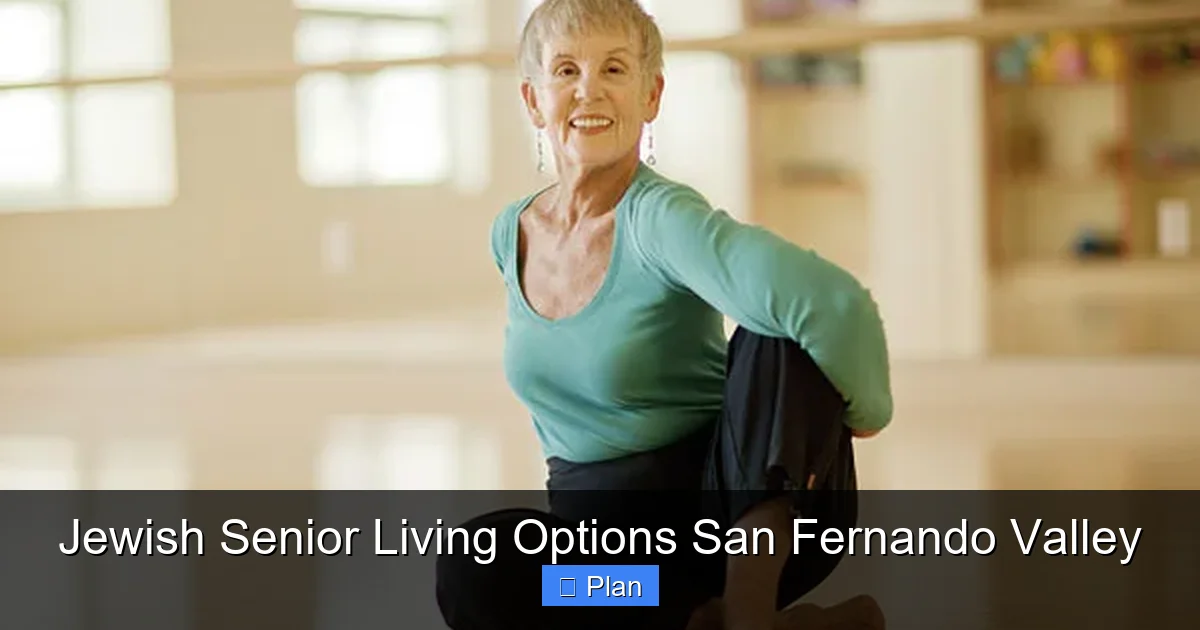
Visual guide about Jewish Senior Living Options San Fernando Valley
Image source: jewishseniorlivinggroup.org
Private Pay / Long-Term Care Insurance
The majority of residents in upscale Jewish communities pay “private pay” from savings, investments, or the sale of a family home. This is the simplest method but requires substantial resources. Long-term care insurance, if purchased decades earlier, can cover a significant portion of assisted living or nursing home costs. Review the policy details carefully—some have daily or monthly maximums, and not all communities accept every insurer.
Medi-Cal (California Medicaid)
Medi-Cal is the joint federal-state program for those with very limited income and assets. It covers skilled nursing care but generally does not cover the cost of assisted living or independent living. However, some Jewish skilled nursing facilities in California accept Medi-Cal for their long-term care beds. The application process is complex and involves a strict look-back period for asset transfers. Consulting with a California elder law attorney is highly advisable if this is a potential path.
Veterans Benefits
Veterans and their surviving spouses may be eligible for the VA’s Aid and Attendance or Housebound benefits, which is a monthly pension supplement that can be used to pay for assisted living. Eligibility is based on service history, assets, and medical need. The application process is lengthy but can provide crucial financial support.
Strategic Financial Planning Tips
- Start the Conversation Early: Have family meetings about finances and wishes well before a crisis occurs.
- Consult Specialists: Work with a financial planner or elder law attorney who understands both senior living costs and Medi-Cal planning.
- Understand the Contract: When you find a community, review the residency agreement meticulously. Understand the base rate, what care services are included, and what triggers a rate increase. Ask about a “power of attorney” clause and the community’s refund policy upon departure or death.
- Explore Community Resources: Some Jewish communities have benevolent funds or subsidies for those in financial need. Ask directly about sliding fee scales or financial aid applications during your tours.
How to Choose: Your Community Tour Checklist
Visiting potential communities is the most critical step in your search. Go in with a prepared mind and a list of questions. Your senses will tell you more than any brochure. Here is a practical guide to your tour.
The First Impressions (The “Vibe Check”)
Park in the visitor lot. Is it easy to find? Walk in. Is the entrance clean, warm, and inviting? Do people—residents and staff—make eye contact and smile? Is there a mezuzah on the doorpost? Take a deep breath. Does the air smell clean, or is there an overriding scent of disinfectant or food? These initial feelings are important data points about the community’s culture.
Observing Daily Life and Cultural Integration
Don’t just see the “model” apartment. Ask to see a typical resident room. Wander the hallways. Are doors open? Are residents sitting alone in wheelchairs, or are they engaged in conversation or activities? What’s on the walls? Are there Jewish art, Israeli posters, holiday decorations? Eavesdrop (discreetly) on conversations. Do you hear Hebrew, Yiddish, or Los Angeles accents? Observe a meal service in the dining room. Is the food appetizing? Are tables set nicely? Is there a sense of occasion? This is where you see life as it is lived.
Essential Questions for the Administrator or Sales Director
Come prepared with a list. Here are must-asks tailored to Jewish care:
- “Can you walk me through a typical Shabbat from Thursday evening preparation through Saturday evening?”
- “How do you handle medical appointments or emergencies on Shabbat or holidays? Is there a Shabbat elevator? How is food warmed?”
- “What is the process for a resident who wishes to keep a strictly kosher home? Is there separate dishware for meat and dairy in the apartment?”
- “What percentage of residents identify as Jewish? What is the staff’s cultural and religious training?”
- “How do you support residents with different levels of observance—from secular to ultra-Orthodox?”
- “Can you describe the relationship with local synagogues? Do rabbis visit regularly?”
- “What is the staff turnover rate, especially for caregivers? (High turnover is a red flag for quality of care).”
- “What is the community’s policy and procedure for handling the COVID-19 or other infection outbreaks?”
Touring with Your Loved One
If possible, bring your senior family member on at least one visit. Their gut reaction is invaluable. Do they feel comfortable? Do they see themselves there? Can they picture having their friends visit? Their sense of belonging is the ultimate metric. However, prepare them beforehand. Explain what they’ll see and why you’re exploring options. Frame it as an adventure to find a great new place with great people.
Local Resources and Next Steps for San Fernando Valley Families
You don’t have to do this alone. The Los Angeles Jewish community is large and has a well-developed network of support services. Leveraging these resources can provide clarity, referrals, and emotional support.
Jewish Family Service Agencies
Organizations like Jewish Family Service of Los Angeles (JFSLA) and local community centers (like the Valley’s American Jewish University or Valley Beth Shalom community programs) offer comprehensive services. They provide care management, which is an invaluable service. A geriatric care manager, often with a social work background, can assess your loved one’s needs, explain the spectrum of options, facilitate tours, and help coordinate care. They are objective professionals who know the reputations of local communities and can save you countless hours of research. Many offer initial consultations.
Synagogue and Community Connections
Reach out to the rabbi or social action chair at your family’s synagogue. They often have firsthand knowledge of where congregants have had positive experiences. Synagogue chesed committees may offer volunteer visiting programs, meal trains, or financial assistance for members in need. These informal networks are powerful sources of trusted advice.
Senior Referral Specialists
Independent referral agencies (not affiliated with one specific community) can also help match needs with communities across the Valley and Los Angeles. They typically receive a fee from the community if you choose to move there, so their service is free to you. Be clear about your desire for a Jewish environment. A good specialist will know which communities have the strongest Jewish programming and kosher standards.
Building Your Support Team
As you begin this process, identify your core team: your immediate family, possibly a trusted friend, a financial advisor, an elder law attorney if finances are complex, and a care manager. Hold regular check-ins. This major life transition is easier when shared. Remember, the goal is to find a place where your loved one’s story continues to be written with joy, dignity, and a deep connection to their heritage.
Frequently Asked Questions
What is the average cost of Jewish assisted living in the San Fernando Valley?
Costs vary by community, apartment size, and level of care. As of 2023, the monthly range for a one-bedroom apartment in a Jewish-assisted living community typically falls between $4,500 and $8,500. This usually includes rent, three kosher meals daily, housekeeping, and some basic care. Always ask for a detailed fee schedule and what triggers additional charges.
How do I verify a community’s kosher certification is legitimate and meets our needs?
Ask to see the current kosher certification certificate. Which rabbinical authority (e.g., Orthodox Union, Vaad HaKashrus) provides supervision? Is there a full-time mashgiach on site? Inquire about their Passover procedures. For the highest levels of observance, ask if the kitchen is glatt kosher and how they handle the separation of meat and dairy in resident apartments if someone wishes to kasher their own cookware.
Are there Jewish senior living options that accept Medi-Cal?
Most Jewish independent and assisted living communities in the San Fernando Valley are private pay. However, some Jewish-owned or affiliated skilled nursing facilities accept Medi-Cal for their long-term care beds. It is rare to find an assisted living facility that accepts Medi-Cal due to low reimbursement rates. Your best strategy is to consult with an elder law attorney to explore planning options if Medi-Cal may be needed in the future.
What specific questions should I ask about Shabbat and holiday observance?
Ask: Is there a Shabbat elevator or a plan for those who cannot use stairs? What time is candle lighting? Is there a kiddush club or communal meal? Are residents encouraged to attend services? How are medical emergencies handled on Shabbat? For holidays, ask about a sukkah, menorah lighting, and how Passover is managed (is the entire kitchen kashered?).
How can I ensure my non-observant or culturally Jewish parent will feel comfortable in an observant community?
Many Jewish communities pride themselves on being welcoming to Jews of all backgrounds. During your tour, observe the diversity of residents. Ask the administrator directly how they accommodate different levels of observance. Do they offer both traditional and egalitarian services? Is participation in rituals optional? The best communities create an environment of respect where someone can pray daily or simply enjoy the cultural aspects and kosher food without pressure.
What is the difference between a Jewish-sponsored community and a secular community that offers kosher meals?
A Jewish-sponsored community (often founded by a synagogue, Jewish federation, or benevolent society) has Jewish values and mission at its core. The board is Jewish, cultural and religious programming is intrinsic, and the atmosphere is permeated with Jewish life. A secular community that offers a kosher meal plan is simply providing a dietary option; it does not guarantee Jewish cultural activities, holiday observance, or a staff trained in Jewish customs. The depth of Jewish engagement is profoundly different.