
Open Door Senior Citizen Center


Book Holder Stand

Slow Cooker Crock Pot

Voice Assistant Smart Speaker
The Open Door Senior Citizen Center is a vibrant community hub designed to enrich the lives of older adults through social engagement, wellness programs, and practical support. It serves as a vital antidote to isolation, offering everything from fitness classes and educational workshops to nutritious meals and a trusted social circle. Regardless of your age or background, if you’re a senior citizen or a caregiver, this center provides a gateway to a more connected, active, and fulfilling chapter of life.
Key Takeaways
- Universal Welcome: The center is typically open to all senior citizens, often defined as individuals aged 60 or 65 and above, though specific age eligibility can vary by location and funding sources.
- Holistic Programming: It offers a diverse menu of activities targeting physical health, mental stimulation, social connection, and practical life skills to support overall well-being.
- Community Anchor: Beyond recreation, it acts as a critical resource hub for information on local services, healthcare navigation, and support for caregivers.
- Volunteer & Leadership: Seniors are encouraged to move beyond participation to volunteer, lead committees, and share their skills, fostering a sense of purpose and ownership.
- Accessibility Focus: Many centers provide transportation assistance, sliding-scale fees, and accommodations for varying mobility and sensory needs to ensure inclusivity.
📑 Table of Contents
- Welcome to Your New Front Porch: Understanding the Open Door Senior Citizen Center
- A Day in the Life: Exploring the Heart of the Programs & Services
- Who Can Walk Through That Door? Eligibility and Accessibility
- The Ripple Effect: Tangible Benefits for Seniors and the Community
- Getting Involved: Your Step-by-Step Guide to Walking Through the Door
- Beyond the Center: A Model for the Future of Aging
- Conclusion: The Door is Open. The Welcome is Waiting.
Welcome to Your New Front Porch: Understanding the Open Door Senior Citizen Center
Imagine a place where the coffee is always brewing, the laughter is frequent, and the calendar is packed with things to look forward to. This isn’t a fantasy; it’s the everyday reality at an Open Door Senior Citizen Center. But what exactly is it? Think of it less like a restrictive institution and more like your community’s living room—a deliberately designed, welcoming space where life after 60 (or 65) is not just about managing years, but about celebrating them.
These centers are the heartbeats of neighborhoods across the country, born from a simple yet powerful idea: that older adults deserve dedicated spaces to thrive, connect, and continue contributing. They are funded through a mix of local government grants, state and federal resources (like the Older Americans Act), community donations, and often, nominal membership fees. Their core mission is to enhance quality of life, promote independence, and combat the profound social isolation that can too often accompany aging. They are, in essence, a one-stop shop for vitality.
For many, the term “senior citizen” carries unintended baggage. Understanding the official age threshold is the first step to accessing these resources. You can learn more about the standard age definitions for senior citizens here, which generally align with the eligibility for these centers. But the spirit of an “Open Door” policy goes beyond a number on a birth certificate. It’s an ethos of radical inclusivity, welcoming people of all backgrounds, abilities, and life stories. Whether you’re a spry 65-year-old eager to learn pickleball or a 90-year-old who simply wants a quiet corner to read the paper with company, the door is open.
The Philosophy Behind “Open Door”
The “Open Door” concept is twofold. First, it’s literal: the physical entrance is accessible, often with ramps, automatic doors, and clear signage. Second, and more importantly, it’s philosophical. It signals a rejection of the “one-size-fits-all” approach to aging. The programming isn’t designed for a mythical “average senior.” It’s a buffet, and you’re invited to fill your plate with what nourishes you. This philosophy creates an environment where a former engineer can tinker in a woodshop, a retired teacher can lead a book club, and someone who simply enjoys being around people can find a friendly table for lunch—all in the same building, on the same day.
A Day in the Life: Exploring the Heart of the Programs & Services
So, what actually happens inside these buzzing hubs? The schedule is a kaleidoscope of opportunity, often structured around morning, afternoon, and sometimes evening slots to accommodate different rhythms. A typical day might start with a gentle chair yoga session at 9 AM, followed by a blood pressure screening clinic at 10. Lunch, often a donated or subsidized nutritious meal, serves as the day’s social anchor around noon. Afternoons explode with choice: an art class, a computer basics workshop, a lively game of bridge or bingo, or a guest lecture on financial planning or local history.
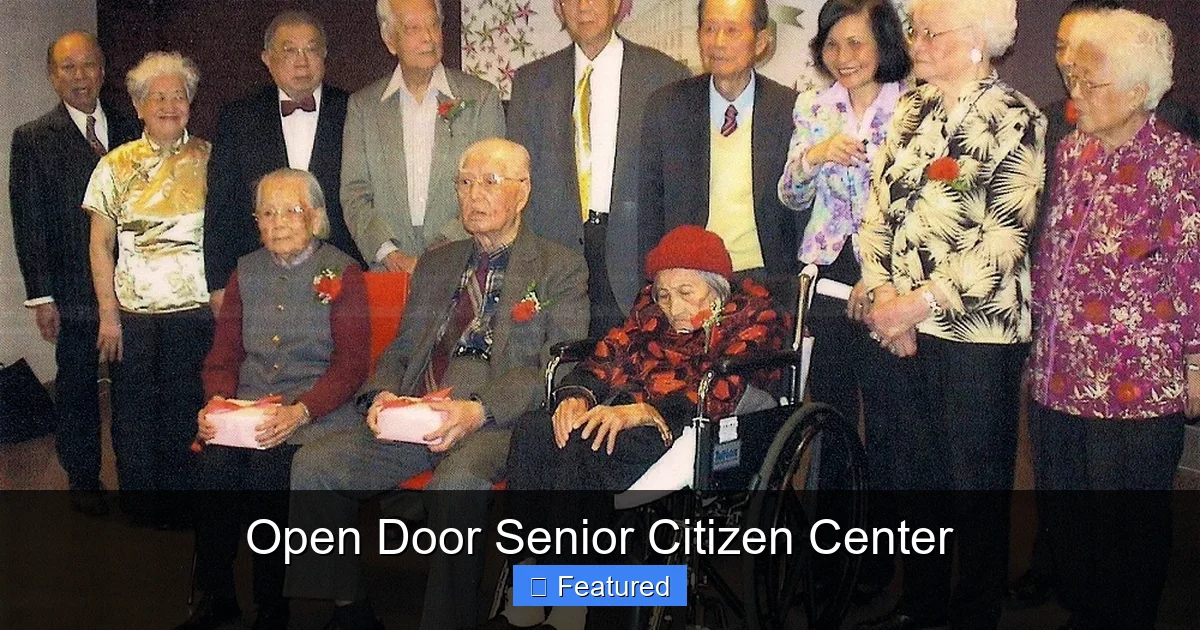
Visual guide about Open Door Senior Citizen Center
Image source: cpc-nyc.org
Fitness and Wellness: More Than Just Exercise
Physical activity is a cornerstone, but it’s tailored for real bodies. You won’t find intimidating spin bikes. Instead, expect “Sit and Be Fit” classes, Tai Chi for balance (a proven fall-prevention tool), water aerobics at a partnered pool, and walking clubs. Many centers partner with local physical therapy students to offer individualized assessments. The goal isn’t a six-pack; it’s maintaining the strength to carry your own groceries, climb your own stairs, and garden your own flowers with confidence.
- Practical Tip: Always call ahead to ask about the specific fitness attire and any necessary pre-registration for classes. Some may have limited space or equipment.
Lifelong Learning and Creative Expression
The brain, like the body, needs exercise. Centers frequently host book clubs, film discussion groups, and lecture series on topics ranging from astronomy to poetry. Many have dedicated craft rooms buzzing with knitting circles, painting classes, and ceramics. Some even partner with local colleges for Osher Lifelong Learning Institute (OLLI) courses, bringing university-level education to the community center setting at little to no cost. Creativity isn’t a hobby here; it’s a vital form of self-expression and cognitive maintenance.
The Social Safety Net: Meals, Information, and Connection
Perhaps the most crucial, if least glamorous, service is the congregate meal program. It’s not just about food—though that’s vital for many facing food insecurity. It’s a forced social interaction that works wonders against loneliness. Over a shared plate, friendships form, support networks solidify, and informal caregiving begins. bulletin boards overflow with flyers for local services—tax help, legal aid, housing assistance—making the center a physical information portal. Staff and volunteers are trained to provide referrals and navigate the complex web of social services with you.
Who Can Walk Through That Door? Eligibility and Accessibility
The name says “Open Door,” but practical realities like funding and space mean there are often guidelines. The primary criterion is almost always age. As mentioned, this commonly aligns with the standard age of what is considered a senior citizen, typically 60 or 65. Some centers, especially those in active retirement communities like the Venice Florida Senior Community Center, may serve a slightly different demographic or have residency preferences. It’s always best to check with your local center directly.
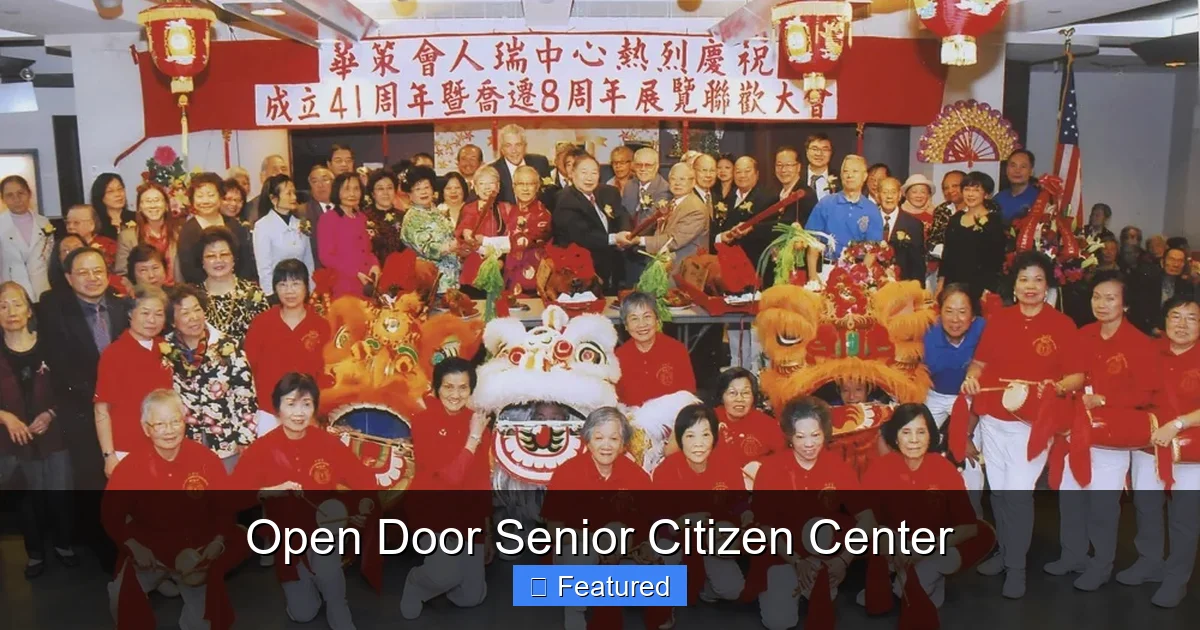
Visual guide about Open Door Senior Citizen Center
Image source: cpc-nyc.org
Beyond age, the “Open Door” commitment means actively removing barriers. This includes:
- Financial: Many operate on a donation-based or sliding-scale membership model. No one is turned away for inability to pay.
- Physical: Centers are designed or retrofitted to ADA standards with grab bars, accessible restrooms, and minimal thresholds.
- Transportation: This is a huge hurdle. Many centers coordinate volunteer driver programs, partner with local transit for senior discounts, or operate their own shuttle vans. Asking about transportation options should be your first call.
- Cognitive & Sensory: Programs for those with early-stage memory loss, hearing loop systems, and large-print materials are becoming more common.
The Ripple Effect: Tangible Benefits for Seniors and the Community
The value of a thriving senior center extends far beyond its walls, creating positive ripples for individuals, families, and the entire community. For the senior participant, the effects are profound and measurable.
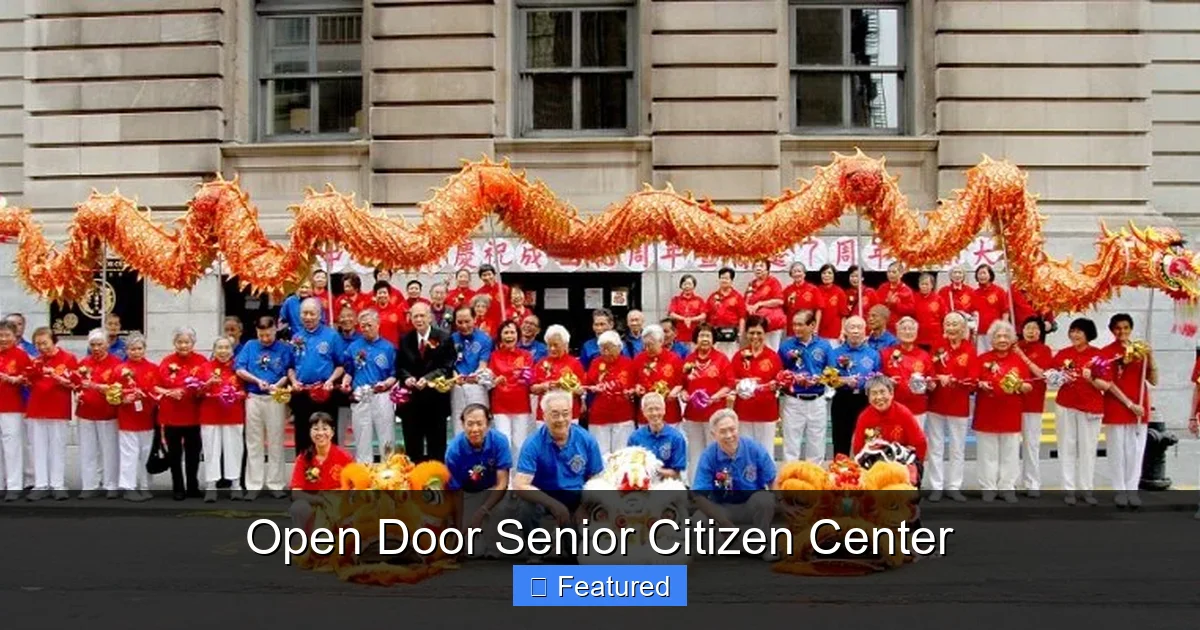
Visual guide about Open Door Senior Citizen Center
Image source: cpc-nyc.org
Health and Well-being: The Prescription for Connection
Study after study links social engagement with better physical and mental health outcomes for seniors. Regular attendance is associated with lower rates of depression, reduced risk of cognitive decline, and even fewer hospitalizations. The center provides a structured reason to get up, get dressed, and leave the house. The casual conversation over lunch, the shared joke during a game, the mutual encouragement in a fitness class—these are all powerful forms of medicine that no pill can replicate. It addresses the “social determinants of health” head-on.
Empowerment and Purpose: From Consumer to Contributor
Aging in traditional society often means shifting from a role of “doer” to one of “done-for.” Senior centers flip this script. They are ecosystems of contribution. Seniors are not just recipients of services; they are teachers, mentors, volunteers, and leaders. The woman who was a librarian for 40 years now runs the book club. The retired accountant offers free tax preparation help. This reversal is critical for maintaining dignity, self-worth, and a sense of ongoing purpose. It reaffirms that a lifetime of skills and wisdom has immense value.
Supporting Families and Caregivers
The center is also a lifeline for family caregivers—often adult children juggling jobs and their own families. Knowing their loved one has a safe, engaging, and stimulating place to go two or three times a week is a form of respite that can prevent caregiver burnout. Caregiver support groups, often held concurrently with other programs, provide a confidential space to share struggles and resources. It creates a shared community of care.
Getting Involved: Your Step-by-Step Guide to Walking Through the Door
Intrigued? Ready to see what your local Open Door Senior Citizen Center is all about? Taking the first step can feel daunting, but the process is designed to be welcoming and straightforward.
Step 1: Locate and Research
Start with a simple online search: “[Your City/Town] senior center” or “Open Door Senior Center [Your County].” Most have a basic website or a Facebook page with a current activity calendar. Look for: hours of operation, membership fees (if any), a sample monthly calendar, and photos of the space and people. Does it look lively? Do the activities resonate with your interests?
Step 2: Make the Initial Contact
Pick up the phone. Call the center and say, “Hello, I’m interested in learning more about your center and visiting.” This single call does three things: it registers your interest in their system, allows you to ask specific questions (about transportation, accessibility, current waitlists), and most importantly, it starts a human connection. The person answering is almost always delighted to hear from a potential new member.
Step 3: Plan Your Visit
Don’t just show up for a special event if you can help it. Ask if you can tour the facility and maybe sit in on a class. A quiet weekday morning is often best—you can see the natural flow without the crowd. Introduce yourself to the director or program coordinator. They are the gatekeepers of the culture and can help you navigate where you might fit in best. Bring a friend or family member if it helps you feel more comfortable.
Step 4: Start Small and Build Gradually
You don’t have to sign up for everything. Commit to trying one or two things in your first month. Maybe it’s the Monday morning coffee social and the Wednesday afternoon art class. Give yourself permission to be a observer at first. Notice the atmosphere. Do people smile and say hello? Is there a mix of newcomers and long-time regulars? Trust your gut feeling about the community’s vibe.
Beyond the Center: A Model for the Future of Aging
The Open Door Senior Citizen Center is more than a local amenity; it’s a prototype for how society can better integrate and value its older population. As communities grapple with aging demographics, these centers represent a cost-effective, human-centered solution. They reduce healthcare costs by promoting wellness, strengthen community bonds, and honor the principle that a community is only as healthy as its oldest members.
The most successful centers are those that listen and evolve. They solicit feedback through suggestion boxes, town halls, and informal chats. They partner with local businesses, schools (for intergenerational programs), and healthcare providers. They become not just a place for seniors, but a place about seniors, deeply embedded in the civic life of the town. When a senior center thrives, it sends a powerful message: here, you are not a problem to be managed, but a person to be celebrated, and a vital part of our collective future.
Conclusion: The Door is Open. The Welcome is Waiting.
The Open Door Senior Citizen Center stands as a testament to a simple truth: community is a verb. It is built, day by day, through shared meals, learned skills, and exchanged stories. It is built in the space between a gentle “good morning” and a collaborative game of cards. If you are a senior, this is your invitation to reclaim a space where you are known, where your presence matters, and where the next interesting conversation is always just a few steps away. If you are a family member or caregiver, consider this a roadmap to a precious resource—a place that can light up your loved one’s world and give you peace of mind. The center is there, waiting. Its greatest program is simply this: the open door itself. All you have to do is walk through it.
Frequently Asked Questions
What is the typical age requirement to join an Open Door Senior Citizen Center?
Most centers are designed for adults aged 60 or 65 and older, aligning with common senior citizen definitions. However, some may have slightly different age cutoffs based on local funding or specific program grants. It’s always best to contact your local center directly to confirm their specific eligibility criteria.
Are there costs associated with using the center’s services?
Many centers operate on a low-cost or donation-based model, especially for basic access and meals. Some may request a nominal annual membership fee to help with operational costs, but this is often sliding-scale or waived for those with financial need. Specialized classes or trips may have separate fees. Transparency about costs is a key feature of the “Open Door” philosophy.
What kinds of transportation options are available for those who can’t drive?
Accessibility is a major focus. Many centers coordinate their own volunteer-driven shuttle services, partner with local public transit for dedicated senior routes or discounted passes, or work with paratransit services. When you call to inquire, be sure to ask specifically about their transportation assistance program and how to arrange a ride.
Can I volunteer at the center even if I’m not a regular member yet?
Absolutely! Volunteering is a fantastic way to get to know the community and often has fewer formal barriers than membership. Centers always need help with meal service, class assistance, front desk duties, or special events. Contact the volunteer coordinator to discuss opportunities; it’s a great way to contribute and feel connected immediately.
What should I bring or wear for my first visit?
Wear comfortable, casual clothing and non-slip shoes, especially if you plan to participate in any movement classes. Bring a water bottle. For lunch, some centers ask for a small donation or a few dollars, but many meals are free. It’s also a good idea to bring any necessary medications, a list of your doctors, and perhaps a notebook to jot down information about upcoming activities.
Is the center only for very active, healthy seniors?
Not at all. The “Open Door” principle means welcoming everyone. Centers strive to be inclusive of all mobility and cognitive levels. You’ll find programs designed for varying abilities, from high-energy dance to seated exercises. Staff are trained to be supportive and can often help connect you with appropriate activities or even one-on-one buddies to help you feel comfortable.
