
Is Volunteering Considered a Hobby? Yes—Here’s Why


Rollator Walker with Seat

Indoor Security Camera

Smart Plug with Alexa
Quick Answer
Yes, volunteering can absolutely be considered a hobby when you choose to do it regularly during your free time because you enjoy helping others. It combines many qualities of a traditional hobby with something extra: a sense of purpose and community involvement. The National Institute on Aging also includes volunteer activities among meaningful ways older adults can stay engaged.
Why volunteering can count as a hobby
- Done by choice: You decide whether, where, and how often you volunteer.
- Uses free time: Many volunteer roles fit into a weekly or monthly leisure schedule.
- Personally rewarding: Helping a cause you value can make the activity enjoyable and meaningful.
- Builds skills: Volunteering can involve gardening, teaching, cooking, organizing, mentoring, or learning something new.
- Creates connection: Many roles bring you into regular contact with people who share similar interests.
One important distinction
- Volunteering may feel more like service than a hobby if it becomes a formal obligation or demanding unpaid role.
I think the word “hobby” sometimes sounds too casual for volunteering. After all, you may be helping children, supporting a food pantry, caring for animals, or assisting another older adult.
Still, volunteering can fit the definition of a hobby surprisingly well. In this guide, I’ll explain when it counts as one, why it works well in retirement, and how to find a role you’ll enjoy repeating.
In This Guide
- Is volunteering really a hobby?
- What is the difference between volunteering and a traditional hobby?
- Why can volunteering be a good retirement hobby?
- What types of volunteering make good hobbies?
- How much time should you spend volunteering?
- How does volunteering compare with other hobbies?
- How do you start volunteering as a hobby?
- When does volunteering stop feeling like a hobby?
- Frequently asked questions
- Final takeaway
Is Volunteering Really a Hobby?
Yes. Volunteering can be a hobby when it is a voluntary, enjoyable activity you choose to do during your free time.
The fact that other people benefit from it does not stop it from being a hobby. It simply gives the activity a purpose beyond personal entertainment.
Definition: Volunteering as a hobby means regularly giving your time or skills to help a person, group, organization, or cause because you find the experience meaningful or enjoyable.
Does a hobby have to be purely recreational?
No. Many hobbies produce something useful while still giving the participant enjoyment.
Gardeners grow food. Knitters make clothing. Woodworkers build useful objects, and volunteer tutors help someone learn.
- Enjoyment: You like doing the activity.
- Choice: Nobody forces you to participate.
- Free time: You usually do it outside paid employment.
- Repeatability: You can return to it regularly.
- Personal meaning: The activity gives you satisfaction or purpose.
Volunteering can meet every one of those conditions. That is why I’m comfortable calling it a hobby when the person doing it views it that way.
What Is the Difference Between Volunteering and a Traditional Hobby?
The main difference is the beneficiary. Traditional hobbies usually focus on your own enjoyment, while volunteering intentionally benefits someone or something else.
The two categories can overlap. You can enjoy an activity while also providing useful service.
The same interest can become volunteer work
Think about gardening. You might grow tomatoes at home simply because gardening relaxes you.
Take that same interest to a community garden, and you may spend Saturday mornings growing produce for local families. The activity remains enjoyable, but now it also serves a community purpose.
- A reader might read aloud to children or adults with limited vision.
- A gardener might help maintain a community garden.
- A woodworker might help a nonprofit with simple repair projects.
- A cook might help prepare community meals.
- A dog lover might assist at an animal shelter.
- A retired teacher might tutor students or mentor new educators.
That crossover is one reason volunteering works so well as a hobby. You do not necessarily need to find an entirely new interest.
Why Can Volunteering Be a Good Retirement Hobby?
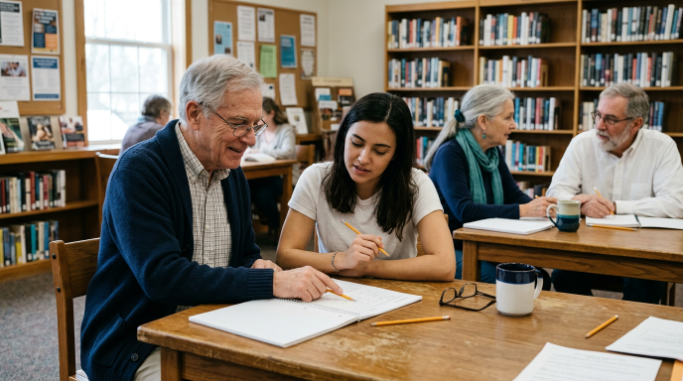
Volunteering can add structure, social contact, learning, and purpose to retirement. Those qualities can matter when a familiar work routine suddenly disappears.
The National Institute on Aging encourages older adults to stay involved in meaningful social and productive activities they enjoy.
It can put structure back into your week
Retirement gives you freedom, but unlimited free time can sometimes make the days blend together. A regular Tuesday morning volunteer shift creates a simple anchor in the week.
I prefer this kind of light structure to an overloaded retirement calendar. You still have somewhere worthwhile to go without turning retirement into another full-time job.
It can expand your social circle
Many hobbies are solitary. Volunteering often introduces you to other volunteers, staff members, neighbors, families, and community groups.
The National Institute on Aging notes that staying socially connected is important as people age. It also lists volunteering among activities that may help people stay engaged and connected.
You can keep using skills you already have
Retirement does not erase decades of knowledge. Accounting, teaching, cooking, organizing, repairing, driving, writing, caregiving, and office skills can all have value to community organizations.
AmeriCorps Seniors specifically connects adults age 55 and older with service opportunities. Its programs include mentoring, companionship, community support, and other roles.
Health note: Meaningful activity and social connection may support well-being, but volunteering is not medical treatment. Speak with your healthcare professional if health or mobility affects the type of activity you can safely do.
Section Takeaway: A good retirement hobby should give something back to your own life. Volunteering can add routine, relationships, skills, and purpose while also helping others.
What Types of Volunteering Make Good Hobbies?
The best volunteer hobby is one that matches something you already enjoy. Start with your interests before choosing an organization.
That approach makes it easier to keep showing up because the activity itself feels rewarding.
Social and people-focused volunteering
- Senior companionship: Visit, talk with, or assist another older adult through an organized program.
- Mentoring: Share career knowledge or practical life skills with younger people.
- Tutoring: Help children or adults with reading, math, technology, or language skills.
- Community welcoming: Help at museums, libraries, visitor centers, or local events.
Hands-on volunteering
- Food programs: Sort groceries, pack boxes, serve meals, or help organize donations.
- Community gardens: Plant, weed, water, harvest, or teach basic gardening skills.
- Animal organizations: Help with feeding, socialization, cleaning, events, or administrative tasks.
- Conservation projects: Join trail cleanups, park projects, or other environmental activities.
Volunteer roles you can sometimes do from home
- Telephone companionship: Make scheduled calls through an established program.
- Administrative help: Assist a nonprofit with scheduling, spreadsheets, data entry, or correspondence.
- Online mentoring: Share knowledge through organized virtual programs.
- Creative projects: Knit, sew, write cards, or prepare approved materials for charitable groups.
Federal opportunities are also searchable through Volunteer.gov. For adults 55 and older, AmeriCorps Seniors Pathfinder provides another place to explore current programs.
How Much Time Should You Spend Volunteering?
There is no ideal number of volunteer hours for a hobby. Start with a commitment that leaves you interested in returning rather than relieved when the shift ends.
For many beginners, I would test one short recurring commitment before adding more.
A simple way to choose your starting schedule
- Try one activity first. Avoid signing up for several organizations during your first week.
- Choose a manageable shift. A one- or two-hour trial can tell you a lot about the role.
- Repeat it a few times. One unusual day may not represent the normal experience.
- Watch your energy. Consider travel time, standing, lifting, noise, and social demands.
- Add hours slowly. Increase your commitment only if you still look forward to it.
Formal programs can offer much wider schedules. AmeriCorps says its RSVP volunteers may choose commitments ranging from a few hours to as much as 40 hours per week.
You do not need anything close to 40 hours for volunteering to count as your hobby. A couple of meaningful hours can be enough if that schedule suits you.
How Does Volunteering Compare With Other Hobbies?
Volunteering stands out because it can combine several hobby benefits in one activity. It may offer learning, social contact, movement, creativity, and meaningful service at the same time.
Here is a practical comparison based on how I would suggest a beginner test each activity.
| Activity | Social Level | My Suggested Starter Session | Main Appeal |
|---|---|---|---|
| Volunteering | Low to high | 1–2 hours | Purpose and connection |
| Reading | Usually low | 20–30 minutes | Relaxation and learning |
| Gardening | Low to medium | 20–45 minutes | Hands-on creativity |
| Walking group | Medium to high | 20–30 minutes | Movement and conversation |
| Crafting | Low to medium | 30–60 minutes | Creative expression |
Those starter times are not rules. They are simply low-pressure trial periods I would use before making a larger commitment.
How Do You Start Volunteering as a Hobby?
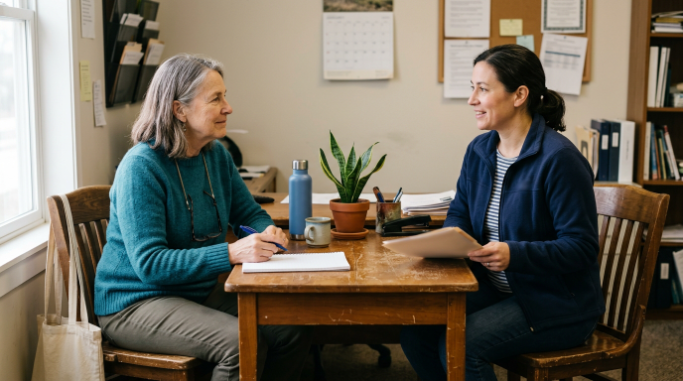
Start by choosing a cause or activity you care about, then look for a small role that fits your schedule and abilities. Do not begin by asking which organization needs the most hours.
The right question is, “What would I enjoy doing often enough to keep helping?”
Use your current hobbies as clues
- If you enjoy books, ask a library or literacy organization about opportunities.
- If you enjoy animals, explore established shelters or rescue organizations.
- If you enjoy gardening, look for community gardens or conservation projects.
- If you enjoy conversation, consider companionship or welcoming roles.
- If you enjoy teaching, investigate tutoring and mentoring programs.
- If you enjoy organizing, nonprofits may need help with events or administrative tasks.
Ask practical questions before committing
- How long is each shift?
- How frequently am I expected to volunteer?
- Is training provided?
- Will I need to drive?
- Does the role involve lifting or prolonged standing?
- Are background checks or other requirements involved?
- Can I try the role before accepting an ongoing schedule?
AmeriCorps provides established service options through its national service programs. Adults age 55 and older can also explore the RSVP, Foster Grandparent, and Senior Companion programs.
Section Takeaway: Choose the activity first and the commitment second. A volunteer hobby is easier to maintain when the work matches your interests, energy, and available time.
When Does Volunteering Stop Feeling Like a Hobby?
Volunteering may stop functioning as a healthy hobby when obligation replaces enjoyment. Helping others matters, but your free time still needs boundaries.
A nonprofit having more work does not automatically mean you must take it on.
Watch for these warning signs
- You dread every shift: Occasional tiredness is normal, but constant reluctance deserves attention.
- You cannot say no: You feel pressured to accept every request or extra shift.
- Your schedule is overloaded: Volunteering crowds out rest, relationships, appointments, or other interests.
- The role feels unsafe: Tasks exceed your physical abilities or the organization provides inadequate support.
- The expectations keep growing: A casual commitment turns into responsibilities similar to an unpaid job.
If that happens, reduce your hours or change roles. You are allowed to find a different way to contribute.
A good volunteer organization should respect reasonable boundaries. The relationship works best when both the volunteer and the organization benefit from a sustainable arrangement.
Frequently Asked Questions
Is volunteering an extracurricular activity or a hobby?
It can be both. Volunteering is an extracurricular activity when it happens outside school or work, and it can also be a hobby when you choose it for enjoyment, personal interest, or meaningful use of your free time.
Can I list volunteering as a hobby?
Yes, especially when volunteering is a regular personal interest. In casual profiles or conversations, it is reasonable to describe volunteering as a hobby, although a résumé usually benefits from listing substantial volunteer experience in a separate volunteer or community service section.
Is community service the same as a hobby?
Not always. Community service may be voluntary, but it can also be required by a school, organization, or legal arrangement. A hobby is normally chosen freely, so voluntary community service is much more likely to fit the hobby definition.
Is volunteering a good hobby for retirees?
It can be an excellent retirement hobby because it may provide routine, meaningful activity, social contact, and opportunities to use existing skills. The best role is one that matches your interests, health, transportation, energy, and preferred schedule.
Can volunteering help me meet people?
Many volunteer roles create regular opportunities to meet staff members, other volunteers, and community members. The amount of interaction varies, so ask about the working environment if social connection is one of your main reasons for volunteering.
How often should I volunteer as a hobby?
There is no required schedule. You might volunteer weekly, twice a month, monthly, or only for occasional projects. Start with a small commitment and increase it only when the activity continues to fit comfortably into your life.
Does volunteering count as a productive hobby?
Yes. Volunteering is a strong example of a productive hobby because your leisure time produces a useful result for another person, organization, cause, or community while potentially giving you enjoyment and a sense of accomplishment.
Final Takeaway: Volunteering Can Be More Than a Hobby
So, is volunteering considered a hobby? Yes, it can be—particularly when you choose the activity freely, enjoy doing it, and make it part of your leisure time.
What makes volunteering unusual is that your hobby can improve someone else’s day too. Few pastimes combine personal interest and community impact quite so naturally.
As of 2026, adults age 55 and older can explore structured opportunities through programs such as AmeriCorps Seniors RSVP, alongside local nonprofits, libraries, community groups, shelters, schools, and other organizations.
If volunteering interests you, start small. Choose one cause you care about, try one manageable role, and see whether you look forward to doing it again.
