
Federal Way Senior Center Food Pantry Food Distribution Center

Robot Vacuum Cleaner

Reading Light for Bed

Shiatsu Neck Massager
The Federal Way Senior Center Food Pantry Food Distribution Center provides essential food assistance and support services to older adults in the community. It offers nutritious groceries, wellness programs, and social connection opportunities for seniors facing food insecurity.
When you think about food pantries, you might picture a small room with canned goods and long lines. But the Federal Way Senior Center Food Pantry Food Distribution Center is different. It’s more than just a place to pick up groceries—it’s a lifeline. For many older adults in Federal Way, Washington, this center is where they find not only food but also dignity, community, and hope.
Located in the heart of Federal Way, the Senior Center has been serving the community for over two decades. What started as a modest meal program has grown into a full-service food distribution center dedicated exclusively to seniors. The mission is simple: ensure that no older adult in the area goes hungry. But the impact is profound. With rising living costs, fixed incomes, and health challenges, many seniors face difficult choices—like paying for medicine or buying groceries. The food pantry steps in to ease that burden, offering nutritious food and a welcoming environment where seniors feel seen and valued.
This isn’t just about filling stomachs. It’s about nourishing lives. The center recognizes that food insecurity among seniors isn’t just a logistical issue—it’s deeply tied to health, mental well-being, and social connection. That’s why the food pantry is part of a larger ecosystem of support. From nutrition education to health screenings and friendly conversation, the center addresses the whole person. Whether you’re a senior in need, a caregiver looking for resources, or a community member wanting to help, this place offers something meaningful.
Key Takeaways
- Comprehensive Food Assistance: The center distributes fresh produce, pantry staples, and frozen meals tailored to senior dietary needs.
- Eligibility and Accessibility: Open to low-income seniors aged 60+, with no citizenship requirements and flexible registration options.
- Community and Wellness Programs: Beyond food, the center hosts health screenings, nutrition workshops, and social activities to combat isolation.
- Volunteer and Donation Opportunities: Community members can support operations through volunteering, food drives, or monetary donations.
- Partnerships and Funding: Collaborates with local farms, food banks, and government programs to sustain services.
- Location and Hours: Conveniently located in Federal Way, WA, with multiple weekly distribution times and home delivery for homebound seniors.
- Impact and Testimonials: Hundreds of seniors rely on the center monthly, with stories highlighting dignity, health improvements, and renewed hope.
📑 Table of Contents
- History and Mission of the Federal Way Senior Center Food Pantry
- Services Offered at the Food Distribution Center
- Eligibility, Registration, and How to Access Services
- Volunteer and Donation Opportunities
- Partnerships and Funding Sources
- Success Stories and Community Impact
- Challenges and Future Goals
- Conclusion
History and Mission of the Federal Way Senior Center Food Pantry
The Federal Way Senior Center was established in the late 1990s as a response to growing concerns about aging populations in South King County. At the time, many older adults were isolated, undernourished, and lacked access to basic services. Local leaders, social workers, and volunteers came together to create a space where seniors could gather, eat, and receive support. The food pantry began as a small operation, offering hot lunches and emergency food boxes.
Over the years, demand grew. As the cost of living in the Seattle metro area rose, more seniors found themselves struggling to make ends meet. The center expanded its services, partnering with regional food banks like Northwest Harvest and the Food Lifeline. In 2015, the food pantry was formally established as a dedicated distribution center, allowing for larger-scale operations and more consistent access to food.
The mission remains rooted in compassion and equity. The center operates on the belief that every senior deserves access to healthy, culturally appropriate food—regardless of income, background, or health status. It’s not just about handing out groceries; it’s about restoring dignity. Many seniors who visit the pantry have worked hard their entire lives and never imagined needing help. The staff and volunteers are trained to treat each person with respect, offering a warm smile and a listening ear along with a bag of food.
Core Values and Community Impact
The center’s core values include compassion, inclusivity, sustainability, and empowerment. These aren’t just words on a website—they guide every decision. For example, the pantry offers halal and kosher options, recognizes cultural holidays with special food distributions, and provides bilingual staff to assist non-English speakers. Sustainability is also a priority. The center works with local farms to source fresh produce and uses eco-friendly packaging whenever possible.
The impact is measurable. In 2023 alone, the food pantry served over 1,200 unique seniors, distributing more than 75,000 pounds of food. That’s equivalent to feeding a small town for a month. But beyond the numbers, the real impact is seen in the stories. Take Maria, a 78-year-old widow who lives on a fixed income. After her husband passed away, her medical bills piled up, and she had to choose between heating her home and buying groceries. “I was ashamed at first,” she says. “But when I came here, they treated me like family. I left with food, but also with hope.”
Services Offered at the Food Distribution Center
Visual guide about Federal Way Senior Center Food Pantry Food Distribution Center
Image source: northshoreseniorcenter.org
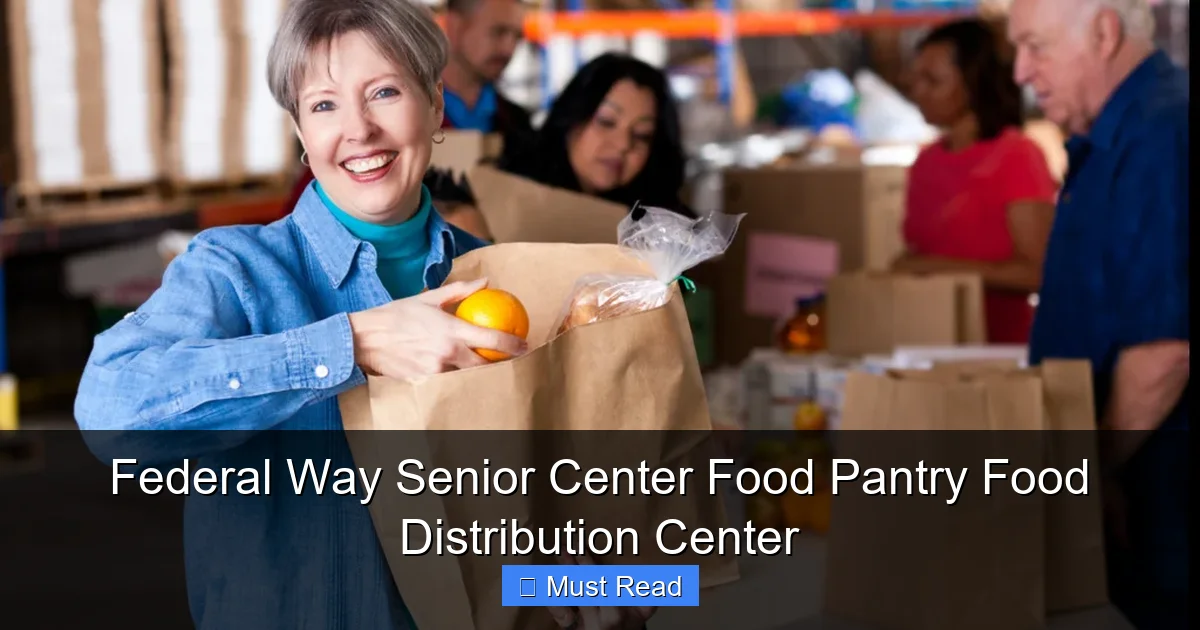
The Federal Way Senior Center Food Pantry Food Distribution Center offers a wide range of services designed to meet the diverse needs of older adults. While food distribution is the cornerstone, the center provides much more than just groceries.
Food Distribution Programs
The main service is the weekly food distribution program. Seniors can visit the center every Thursday and Saturday from 10 a.m. to 1 p.m. to receive a pre-packed bag of groceries. Each bag includes a mix of non-perishable items like rice, pasta, canned vegetables, and beans, as well as fresh produce, dairy products, and frozen meals when available. The center partners with local farms and grocery stores to ensure high-quality, nutritious food.
For seniors who are homebound or have mobility challenges, the center offers a home delivery program. Volunteers deliver food directly to their doors every two weeks. This service is especially vital for those with chronic illnesses or limited transportation options.
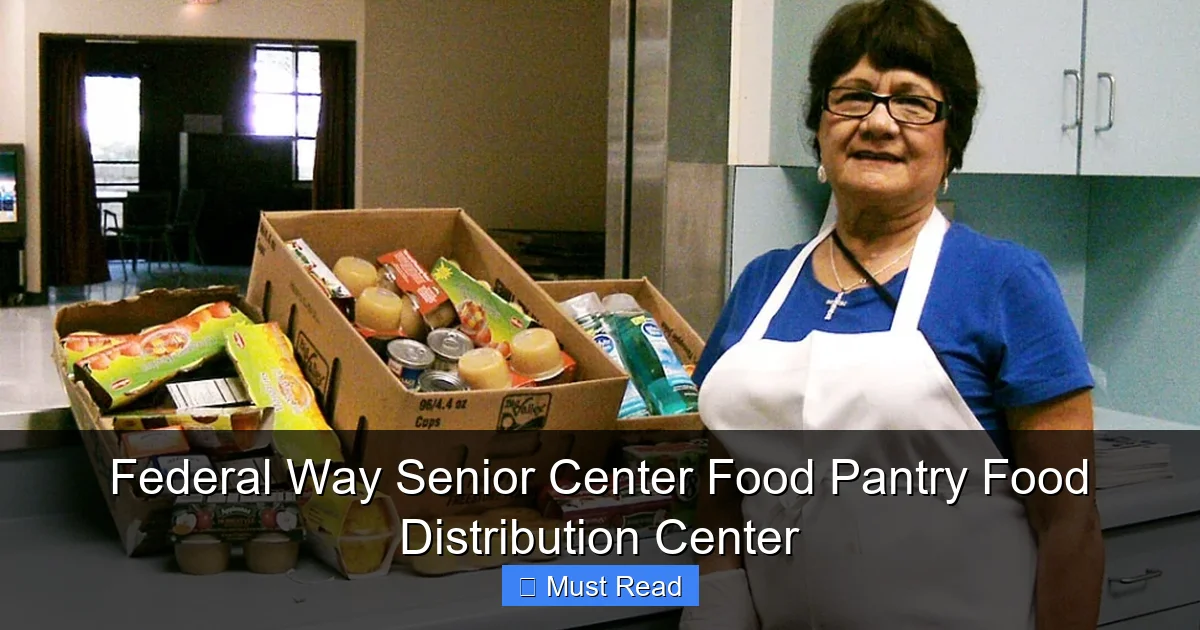
Another key program is the “Senior Grocery Box” initiative. These are monthly boxes filled with shelf-stable items, fresh fruits and vegetables, and personal care products like toothpaste and soap. The boxes are designed to last about two weeks and are distributed on the first Monday of each month.
Nutrition and Wellness Support
The center goes beyond food by offering nutrition education and wellness programs. Registered dietitians host monthly workshops on topics like managing diabetes through diet, reading food labels, and meal planning on a budget. These sessions are free and open to all seniors, even those not enrolled in the food pantry.
The center also provides health screenings in partnership with local clinics. Blood pressure checks, glucose testing, and flu shots are offered quarterly. These services help seniors monitor their health and catch potential issues early.
Social and Recreational Activities
Loneliness is a silent epidemic among seniors, and the center addresses it head-on. The food pantry is housed within the larger Senior Center, which hosts daily activities like bingo, art classes, and book clubs. Many seniors come early to socialize before picking up their groceries. The center also organizes seasonal events, such as holiday meals and summer picnics, to foster community spirit.
For those who can’t attend in person, the center offers virtual programs via Zoom, including exercise classes and virtual coffee chats. These digital offerings ensure that even isolated seniors can stay connected.
Eligibility, Registration, and How to Access Services
Visual guide about Federal Way Senior Center Food Pantry Food Distribution Center
Image source: fillmoregazette.com
One of the most common questions people have is: “Am I eligible?” The good news is that the Federal Way Senior Center Food Pantry is open to all seniors aged 60 and older who live in Federal Way or the surrounding areas. There are no citizenship or residency requirements, and the center serves people of all backgrounds.
How to Register
Registration is simple and can be done in person, by phone, or online. Seniors need to provide basic information, including their name, address, date of birth, and household size. The center does not require proof of income, but it does ask for a brief self-declaration of financial need. This helps the center track demand and apply for grants.
Once registered, seniors receive a unique ID number and a welcome packet. The packet includes a schedule of distribution days, information about additional services, and tips for making the most of the pantry. The entire process takes about 15 minutes, and staff are available to assist with any questions.
What to Bring on Distribution Days
On distribution days, seniors should bring a valid ID and their registration card. They’re also encouraged to bring reusable bags or boxes to carry their groceries. The center provides shopping carts and volunteers to help load items into cars or assist with walking.
For home delivery, seniors must complete a separate application and provide proof of homebound status, such as a doctor’s note or a letter from a social worker. Deliveries are scheduled based on availability, and volunteers call ahead to confirm the time.
Confidentiality and Respect
The center takes privacy seriously. All information is kept confidential, and no data is shared with outside agencies without permission. Staff and volunteers undergo training on cultural sensitivity and trauma-informed care to ensure every interaction is respectful and supportive.
Volunteer and Donation Opportunities
Visual guide about Federal Way Senior Center Food Pantry Food Distribution Center
Image source: i.pinimg.com
The Federal Way Senior Center Food Pantry Food Distribution Center runs on the generosity of the community. Without volunteers and donors, it simply wouldn’t exist. There are many ways to get involved, whether you have an hour a week or want to organize a food drive.
Volunteer Roles
Volunteers are the backbone of the operation. Roles include sorting and packing food, assisting with distribution, delivering groceries to homebound seniors, and helping with administrative tasks. No experience is necessary—training is provided on-site.
The center also welcomes group volunteers, such as corporate teams, church groups, or school clubs. These groups often come for half-day shifts to help with large-scale packing events or special distributions.
Donation Options
Monetary donations are the most flexible and impactful. Just $25 can provide a week’s worth of groceries for a senior. Donations can be made online through the center’s website or by mailing a check. The center is a 501(c)(3) nonprofit, so all contributions are tax-deductible.
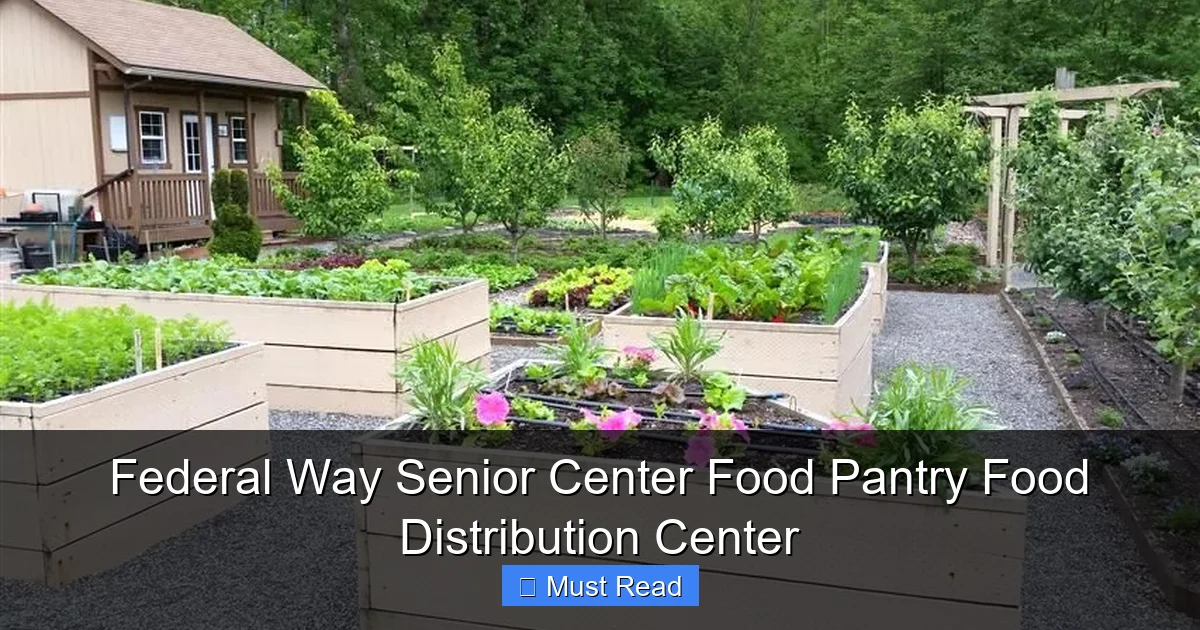
Food donations are also welcome. The center accepts non-perishable items like canned goods, pasta, and cereal, as well as fresh produce from local gardens. However, due to storage limitations, it’s best to call ahead before dropping off large quantities.
Corporate and Community Partnerships
The center partners with local businesses for sponsorships and in-kind donations. For example, a nearby grocery store donates day-old bread and produce every week. A tech company provides tablets for virtual programs. These partnerships strengthen the center’s capacity and deepen community ties.
Partnerships and Funding Sources
Sustainability is a constant challenge for nonprofit organizations. The Federal Way Senior Center Food Pantry relies on a mix of funding sources to keep its doors open.
Government Grants and Programs
A significant portion of funding comes from federal and state programs, such as the USDA’s Commodity Supplemental Food Program (CSFP) and the Washington State Department of Social and Health Services. These grants provide both financial support and food commodities.
Private Foundations and Individual Donors
The center also receives grants from private foundations focused on aging, hunger relief, and community development. Individual donors—many of them seniors themselves or family members of seniors—contribute regularly through monthly giving programs.
Fundraising Events
Annual fundraising events, such as a charity walk and a holiday gala, help raise awareness and funds. These events also serve as opportunities to thank volunteers and celebrate the community’s impact.
Success Stories and Community Impact
Behind every statistic is a person. The Federal Way Senior Center Food Pantry has touched countless lives, and the stories are both heartwarming and inspiring.
Take James, a 72-year-old veteran who lost his job during the pandemic. With no savings and mounting medical bills, he was on the verge of losing his apartment. “I didn’t know where to turn,” he says. “Then a neighbor told me about the senior center. The first time I went, I cried. Not because I was sad, but because I felt cared for.”
Or consider Linda, a 68-year-old grandmother raising her two grandchildren. After her daughter passed away, she took on full custody but struggled to afford food on her Social Security income. “The pantry gives me peace of mind,” she says. “I know my grandkids will have something to eat, and I can focus on their school and health.”
These stories aren’t exceptions—they’re the norm. The center’s impact extends beyond food. It reduces hospitalizations by improving nutrition, lowers stress by easing financial pressure, and combats loneliness by fostering community.
Challenges and Future Goals
Despite its success, the center faces ongoing challenges. Demand continues to grow, especially as inflation drives up food and housing costs. Supply chain issues sometimes limit the availability of fresh produce. And finding enough volunteers, particularly for home deliveries, remains a hurdle.
Looking ahead, the center has ambitious goals. It plans to expand its home delivery program, add more nutrition workshops, and launch a mobile pantry to reach seniors in rural areas. Long-term, it hopes to build a larger facility with a community kitchen and teaching garden.
Conclusion
The Federal Way Senior Center Food Pantry Food Distribution Center is more than a food bank—it’s a beacon of hope. For seniors facing hunger, isolation, or uncertainty, it offers a safe, welcoming place where they can find food, friendship, and support. It’s a reminder that no one should have to face their golden years alone.
Whether you’re a senior in need, a caregiver, or a community member who wants to help, there’s a place for you here. Visit the center, volunteer your time, or make a donation. Together, we can ensure that every older adult in Federal Way lives with dignity, health, and joy.
Frequently Asked Questions
Who is eligible to receive food from the Federal Way Senior Center Food Pantry?
The pantry serves seniors aged 60 and older who live in Federal Way or nearby areas. There are no income or citizenship requirements, and registration is free and confidential.
How often can I visit the food pantry?
Seniors can visit the pantry twice a week—on Thursdays and Saturdays—during distribution hours. Homebound individuals receive bi-weekly deliveries.
Do I need to bring anything when I visit?
Yes, please bring a valid ID and your registration card. Reusable bags or boxes are helpful for carrying groceries, but the center also provides carts and assistance.
Can I volunteer if I’m under 18?
Yes! Volunteers as young as 14 can help with sorting and packing, especially when accompanied by an adult. Group volunteering is also available for schools and youth organizations.
What types of food are available?
The pantry offers a mix of non-perishable items, fresh produce, dairy, frozen meals, and personal care products. Special dietary needs, like halal or low-sodium options, are accommodated when possible.
How can I donate food or money?
Monetary donations can be made online or by mail. Food donations are accepted during business hours—call ahead for large drop-offs. All donations are tax-deductible.
