
Ice Hockey Elbow Pads Senior


Kindle E-Reader

Portable Radio with Large Buttons

Motion Sensor Night Lights
Choosing the right ice hockey elbow pads is crucial for senior players to prevent injuries while maintaining game performance. This guide breaks down the unique needs of older athletes, key features to look for, and how to find the perfect fit. Protect your joints and enjoy the game with confidence.
Lacing up for a game of hockey is a thrilling way to stay active, build camaraderie, and keep your competitive spirit alive. For players in their senior years—whether that’s 40, 50, or beyond—the love of the game comes with a new set of considerations. Your body doesn’t recover from bumps and bruises like it did at 20. Joints can be stiffer, and the risk of injury from a fall or a hard shot is very real. This is where your equipment becomes your best defense. And at the top of the list for upper-body protection are your elbow pads. But senior hockey elbow pads aren’t just adult-sized pads; they’re a category designed with the mature athlete’s specific needs in mind. Finding the right pair is a non-negotiable step in playing safely and enjoying the sport for years to come.
This guide is your playbook for navigating the world of senior ice hockey elbow pads. We’ll move beyond the basic “size large” label to explore the engineering, the fit, and the features that truly matter for the older player. From understanding why your needs differ from a junior’s to decoding the jargon of strap systems and foam densities, we’ll break it all down. Our goal is simple: to equip you with the knowledge to make a smart, confident purchase that protects your elbows, supports your performance, and fits your budget. Let’s get started.
Key Takeaways
- Fit is Everything: Properly sized pads that don’t shift are the single most important factor for senior players to prevent elbow injuries.
- Protection vs. Mobility: Seniors often need a balanced design offering solid impact protection without sacrificing the range of motion needed for stickhandling and shooting.
- Weight and Fatigue: Lighter-weight materials help reduce overall arm fatigue during games and practices, which is a bigger concern as athletes age.
- Durability Matters: Look for reinforced stitching and high-density foams, as senior players may value gear that lasts multiple seasons.
- Don’t Ignore Comfort: Moisture-wicking liners and adjustable straps are essential for long-term comfort and consistent use.
- Consult Your Doctor: Always discuss new sports participation or gear choices with a healthcare provider, especially regarding pre-existing joint conditions. Resources like medical insurance for senior citizens can help manage any potential injury costs.
- Age is a Factor: Understanding what age is considered a senior in hockey contexts helps in seeking appropriate peer groups and leagues designed for adult players.
📑 Table of Contents
Why Senior Players Need Specialized Elbow Pad Design
It’s a common misconception that you can just grab any pair of adult elbow pads and hit the ice. While technically functional, this approach often leads to discomfort, restricted movement, or inadequate protection. Senior players, typically defined as those in adult “senior” or “large” sizing (often starting around age 18-20 in hockey terms, but with a focus on mature body types), have distinct anatomical and physiological factors that gear manufacturers address.
The Changing Anatomy of the Mature Athlete
As we age, our body composition changes. There’s often a natural loss of muscle mass and a potential increase in body fat, which can affect how gear sits on the frame. More importantly, joint flexibility decreases. The ligaments and tendons around the elbow may not be as supple. A pad that is too bulky or rigid can severely limit your ability to fully extend your arm for a pass or quickly bend your elbow to cradle a puck. This limitation not only hampers your skill but can also force you into awkward, injury-prone movements to compensate.
Increased Focus on Impact Protection and Recovery
The simple truth is that bones can become more brittle with age. A fall that might have resulted in a bruise for a younger player could lead to a fracture or severe contusion for a senior player. Therefore, the quality and placement of protective foam are paramount. Senior-focused pads often feature multi-density foams: a soft, comfortable inner layer that molds to your arm and a harder, impact-absorbing outer shell. The coverage area is also carefully designed to shield the delicate bony points of the elbow joint and the forearm without creating pressure points.
Furthermore, recovery time is longer. An injury that sidelines you for a week in your 20s could keep you out for a month or more later in life. Preventing that injury in the first place with superior protection is an investment in your playing future and your overall well-being. It’s about playing smart. For some players, understanding potential health risks and having a plan is part of that smart approach, which is why knowing resources like a senior whole health phone number guide can be valuable for general health consultations.
Decoding the Key Features: What to Look For in Senior Elbow Pads
Walking into a hockey shop or browsing online can be overwhelming with technical terms and flashy marketing. Cut through the noise by focusing on these critical features that directly impact a senior player’s experience.
Visual guide about Ice Hockey Elbow Pads Senior
Image source: hockeymonkey.com
1. The Fit and Closure System
This is your #1 priority. A pad that slides up or down your arm during play is useless and dangerous. Look for a combination of features:
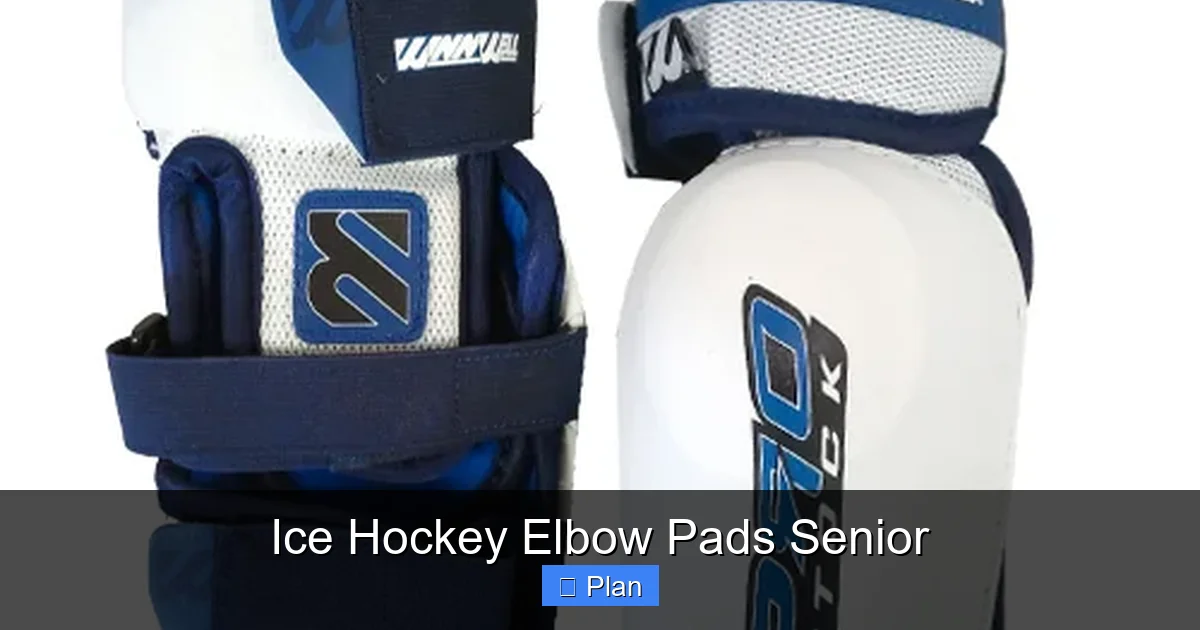
- anatomically shaped caps: The plastic shell over the elbow should curve naturally with your arm’s bend. A straight, rigid cap will dig into your arm when you flex.
- multiple adjustable straps: You want at least two wide, Velcro straps: one above the elbow (on the bicep/tricep area) and one below (on the forearm). Some designs add a third strap across the back of the arm for ultimate lockdown. The straps should be long enough to secure comfortably on a larger arm.
- inner liner with grip: Many higher-end pads have a silicone or textured inner liner that grips your skin or compression shirt, preventing any slippage from the inside out.
2. Protection: Foam Density and Coverage
Don’t just look at thickness; look at the material. Modern hockey pads use various foams:
- EPP (Expanded Polypropylene): The industry standard for high-impact zones. It’s lightweight, ventilated, and absorbs tremendous force. Great for the elbow cap and forearm.
- HD Foam (High-Density): Softer and more comfortable for areas that need to conform, like the inner arm or bicep guard.
- Plastic/Cap Inserts: Hard plastic shells over the foam provide a surface to deflect pucks and disperse impact energy.
For seniors, prioritize pads where the elbow cap and the inner forearm (where you often block shots) have robust EPP or similar high-grade foam with a hard cap. The coverage should extend adequately down the forearm and up the bicep to protect against falls and board impacts.
3. Mobility and Articulation
How the pad moves with your arm is key. Look for:
- articulated elbows: The pad should have strategic flex points or a pre-shaped curve that matches the natural 90-degree bend of your elbow. This prevents the pad from acting like a splint.
- split cuff design: Many senior pads have a two-piece cuff around the lower arm. This allows the pad to open wide for easy on/off and then secure tightly, conforming to different forearm shapes.
- lightweight construction: Every ounce matters over a 60-minute game. Pads using advanced, lighter foams and minimal plastic will reduce arm fatigue. This is a major selling point for brands targeting the adult market.
4. Comfort and Hygiene
You’ll be wearing these for hours in a sweaty environment. Look for:
- moisture-wicking liner: A technical fabric that pulls sweat away from your skin. Antimicrobial treatments are a bonus to fight odor.
- ventilation channels: Holes or mesh panels in the foam or liner to promote airflow.
- seamless or low-profile inner padding: Reduces the chance of chafing and irritation against your skin or compression wear.
Sizing Your Senior Elbow Pads: A Step-by-Step Guide
Getting the size right is a process, not a guess. Hockey sizing can vary between brands, so always consult the specific manufacturer’s size chart. Here is a general method that works for most senior pads.
Visual guide about Ice Hockey Elbow Pads Senior
Image source: hockeyworld.com
Step 1: Measure Your Arm
You need two key measurements:
- Bicep/Upper Arm Circumference: Measure the fullest part of your upper arm, just below the shoulder.
- Forearm Circumference: Measure the fullest part of your forearm, usually a few inches below the elbow.
Write these numbers down in inches.
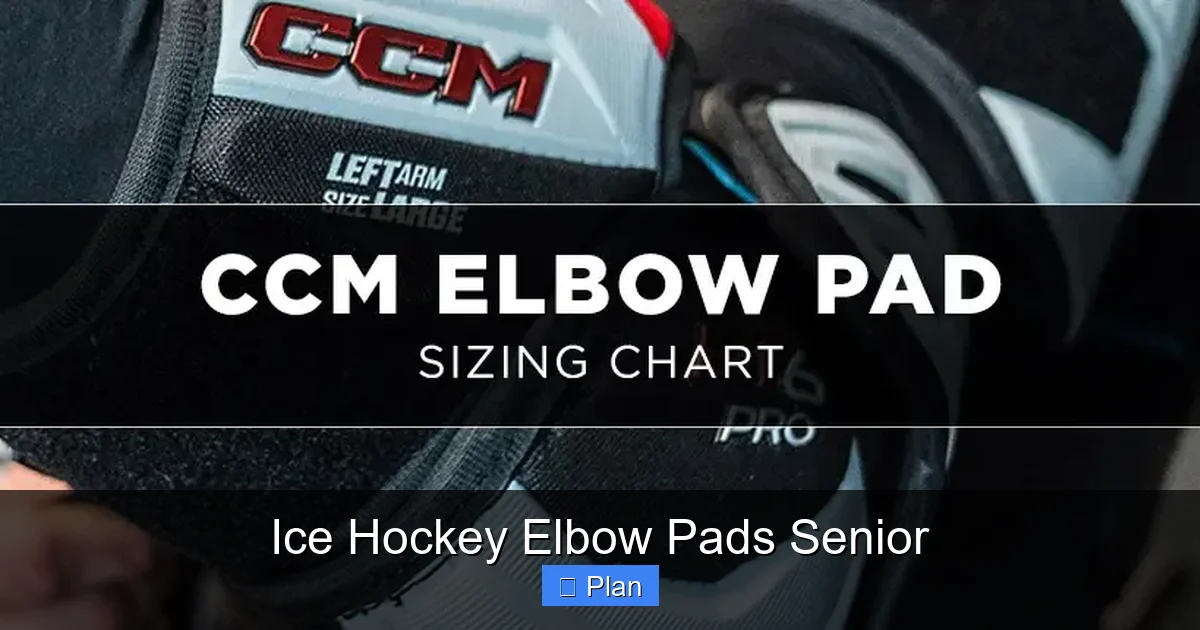
Step 2: Consult the Brand’s Size Chart
Go to the product page for the specific pad you’re interested in. Find their size chart. It will list ranges for bicep and forearm circumference, sometimes also by height/weight. Your goal is to find the size where BOTH your bicep and forearm measurements fall within the specified ranges. If your bicep is in the “Large” range but your forearm is in the “Medium” range, you must choose the size that accommodates your larger measurement (the bicep), as the straps can usually tighten down a looser forearm fit more easily than they can expand for a too-tight bicep.
Step 3: The “Fit Test” Checklist
When you try the pads on (highly recommended if possible), check the following:
- Straps: All straps should fasten comfortably without excessive pulling. You should be able to slide a finger under each strap.
- Elbow Position: The plastic elbow cap should sit directly over your elbow bone. When you bend your arm, the pad should bend with you, and the cap should not slide up your forearm or down your bicep.
- Coverage: The pad should cover from just above your bicep muscle to just above your wrist bone. There should be no gaps in protection when your arm is in a playing position (holding a stick).
- Mobility: Mimic shooting and passing motions. You should have a full, comfortable range of motion. The pad should not pinch or bind.
- Comfort: The inner liner should feel smooth against your skin or compression shirt. There should be no pressure points on the bony parts of your arm (elbow point, forearm bones).
Top Brands and Models for Senior Players
Several major brands dominate the market with excellent senior-specific options. They often use the same high-end technology as their pro-level models but in sizing and fits tailored for the adult recreational player.
Visual guide about Ice Hockey Elbow Pads Senior
Image source: hockeyplusinc.com
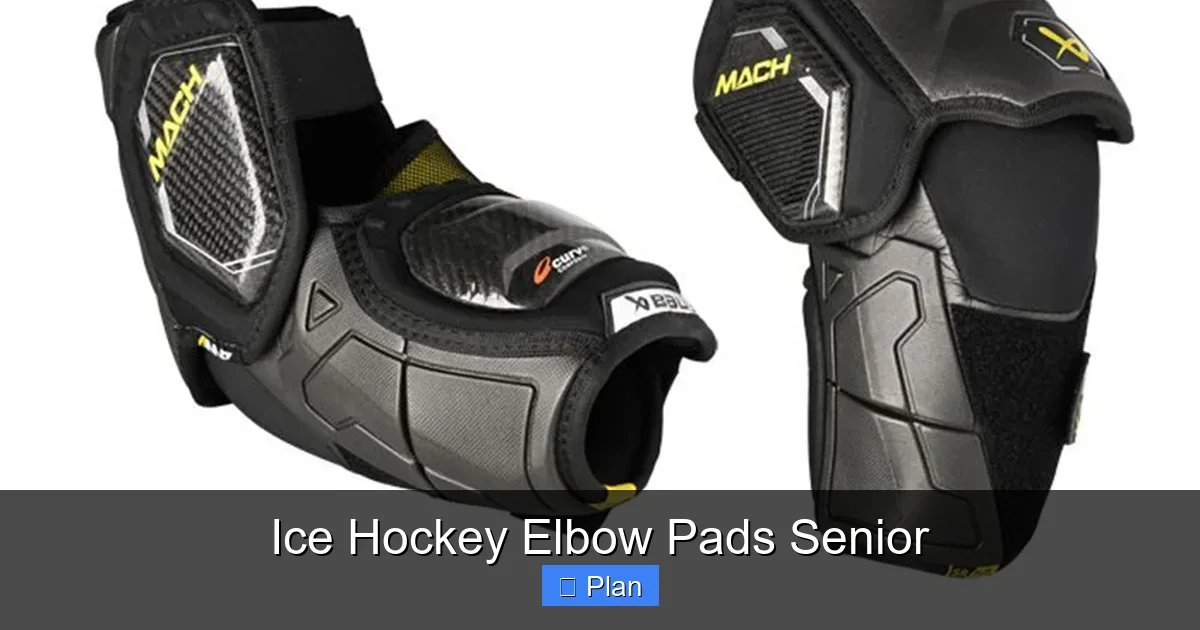
Bauer
Bauer’s Vapor and Supreme lines are popular. The Vapor series is often noted for its lightweight, mobile design, which can be great for players who prioritize speed and stickhandling. The Supreme line typically emphasizes a more anatomical, protective fit with excellent strap systems. Look for models in the “Senior” sizing tier.
CCM
CCM’s Tacks and Jetspeed lines are strong contenders. Tacks are known for their classic, robust protection and durable build. Jetspeed focuses on a sleek, low-profile design that enhances mobility. Their D30 Smart Foam technology, which hardens on impact, is featured in many models and offers a great balance of soft feel and hard protection.
Easton
Easton (now under the Bauer umbrella but with distinct designs) offers the Stealth and Synergy lines. They are often praised for their very comfortable, form-fitting sleeves and excellent ventilation, making them a good choice for players who dislike bulky gear.
What About “Pro Stock” or “Senior” vs. “Intermediate”?
You might see “Pro Stock” pads for sale. These are versions of what the pros use, often with minor cosmetic differences. They can be fantastic value but are typically sized for pro athletes (very trim fit). They may not accommodate the larger arm circumference of many senior recreational players. “Senior” sizing is the standard adult large/extra-large. “Intermediate” is for smaller adults or advanced teens. For most senior players, starting with a “Senior” size in a standard retail line is the safest bet.
Care, Maintenance, and When to Replace
Your elbow pads are an investment. Proper care extends their life and ensures they remain protective.
Cleaning and Storage
After every game or practice, air them out thoroughly. Do not leave them in a damp hockey bag. Use a gear deodorizer spray. For deep cleaning, most pads can be hand-washed with mild detergent and cold water. Remove any plastic shells if possible (check manufacturer instructions). Rinse thoroughly and air dry completely, away from direct heat. Never put them in a dryer.
Inspection Routine
Before each season, and periodically throughout, do a full inspection:
- Check the Foam: Look for permanent compression marks, cracks, or crumbling. If the foam is permanently compressed and no longer springs back, it has lost its protective ability.
- Examine the Straps: Are the Velcro closures still gripping? Worn straps will fail when you need them most. Replacement straps are often sold by manufacturers.
- Inspect the Plastic Caps: Look for deep cracks or fractures. A cracked cap can shatter on impact and offers no protection.
- Smell Test: If a good airing out and washing doesn’t eliminate a persistent mildew smell, it’s likely embedded in the foam. It’s time for new pads for hygiene reasons.
When to Say Goodbye
There’s no set timeline. A pad’s lifespan depends on frequency of use, playing style, and care. A player who falls often or blocks many shots will wear out pads faster. As a senior player, err on the side of caution. If you have any doubt about a pad’s integrity after a significant impact or due to age, replace it. The cost of new pads is far less than the medical bills and lost playing time from a preventable injury.
Final Thought: Gear Up for Smart, Long-Term Play
Choosing your ice hockey elbow pads as a senior player is about respecting your body and your passion for the game. It’s about finding that perfect sweet spot where bulletproof protection meets unrestricted, fluid movement. Don’t be swayed solely by flashy designs or the cheapest price tag. Prioritize fit above all else. A well-fitted, high-quality pad will not only keep you safer but will also let you forget you’re even wearing it, allowing your skills to shine through. Take the time to measure, try on, and understand the features. Your elbows—and your future self on the ice—will thank you for it. Now, get out there and play with the peace of mind that comes from being properly equipped.
Frequently Asked Questions
How do I know if my elbow pads fit correctly?
The elbow cap must sit directly over your elbow bone. All straps should be secure but not painfully tight, and you should have a full, comfortable range of motion when bending your arm. The pad should not slide up or down during movement.
How often should I replace my senior hockey elbow pads?
There’s no fixed schedule. Inspect them before each season for cracked plastic, permanently compressed foam, or broken straps. For a regular recreational player, pads typically last 2-4 seasons. Replace immediately if protective foam is damaged after a hard impact.
Should I prioritize more protection or more mobility?
For senior players, the ideal is a balanced design. You need serious protection for your joints, but you also cannot afford to be immobile. Look for pads with articulated elbows and multi-density foam that offers a soft feel for mobility with hard inserts for impact zones.
What are the best brands for senior hockey elbow pads?
Top brands like Bauer, CCM, and Easton all have excellent senior lines. Bauer’s Vapor and Supreme, CCM’s Tacks and Jetspeed, and Easton’s Stealth are all highly regarded. The “best” depends on your personal fit preference and arm shape, so trying on different brands is key.
Can I wash my hockey elbow pads?
Yes, for deep cleaning. Remove any plastic caps if possible. Hand-wash the fabric and foam components with cold water and mild detergent. Rinse very well and air dry completely, away from direct heat or sunlight. Never machine dry.
Do I really need different pads than a younger adult player?
While the core technology is similar, senior-specific sizing and fit models are designed for larger, often less flexible arms. They typically feature longer straps, wider cuffs, and sometimes a more generous cut in the bicep/forearm areas to accommodate different body types common in adult recreational leagues. Using a properly sized senior pad ensures better fit and protection.