
How to Treat a Constipated Senior Cat Naturally


Motion Sensor Night Lights

Automatic Jar Opener

Kindle E-Reader
Constipation in senior cats is common but often manageable with natural at-home strategies. The key approaches focus on increasing moisture intake, adding safe fiber sources, encouraging gentle exercise, and reducing stress. Always rule out serious underlying conditions with a vet first, then implement these supportive, natural care methods to help your aging feline find relief.
Key Takeaways
- Hydration is Critical: Senior cats often have a diminished thirst drive. Switching to wet food and using pet water fountains can dramatically increase their water intake, softening stool.
- Fiber Needs Careful Management: Both soluble (like pumpkin) and insoluble (like wheat bran) fiber can help, but the right type and amount must be introduced slowly to avoid gas and bloating.
- Gentle Movement Matters: Daily, low-impact play and stretching stimulate intestinal motility. Even short sessions with wand toys or catnip can make a difference.
- Stress Directly Impacts Digestion: A calm, predictable environment with easily accessible litter boxes is essential. Anxiety can worsen constipation in sensitive senior cats.
- Natural Supplements Can Help: Options like canned pumpkin, plain yogurt, or a dab of aloe vera juice (in tiny amounts) may aid digestion, but always introduce one at a time and monitor.
- Veterinary Diagnosis is Non-Negotiable: Constipation can signal arthritis pain, thyroid issues, or kidney disease. A vet visit is the first step to ensure safe, appropriate care.
- Patience and Observation are Key: Natural remedies take time to work. Track your cat’s litter box habits, stool consistency, and appetite to gauge progress and adjust as needed.
📑 Table of Contents
- Understanding the Constipated Senior Cat: More Than Just a Tummy Ache
- Hydration: The Foundation of Natural Relief
- Dietary Fiber: A Delicate Balance
- Gentle Movement: Exercise for the Aging Digestive System
- Natural Supplements and Soothing Remedies
- Creating a Stress-Free, Accessible Bathroom Environment
- When Natural Methods Aren’t Enough: The Vital Role of Your Veterinarian
- Putting It All Together: A Sample Daily Protocol
Understanding the Constipated Senior Cat: More Than Just a Tummy Ache
Seeing your beloved senior cat strain in the litter box, or noticing a complete absence of deposits, is a worrisome sight. Constipation in older cats is a frequent issue, but it’s rarely just about a lack of fiber. Aging brings a cascade of physiological changes. Digestion slows, muscle tone in the intestinal wall weakens, and conditions like arthritis can make the simple act of squatting painful, causing a cat to hold it in. Dehydration is a massive, often overlooked factor; as cats age, their kidneys concentrate urine less efficiently and their thirst mechanism can dull, leading to drier, harder stools.
Before you reach for any remedy, understanding the “why” is crucial. Is it osteoarthritis making the litter box entry painful? Is it early kidney disease causing dehydration? Could it be a side effect of medication? Or is it simply that their system has slowed? This knowledge guides your natural approach. For any senior cat, defining their stage of life is important. You can learn more about precisely what age is a senior cat to better contextualize their health needs.
Common Root Causes in Senior Felines
Several age-related issues commonly underlie constipation:
- Painful Mobility: Arthritis in hips, spine, or paws can make getting in and out of a litter box difficult, leading to deliberate stool retention.
- Chronic Dehydration: This is the top culprit. Without adequate water, the colon extracts more moisture from waste, creating rock-hard pellets.
- Dietary Shifts: Many seniors are switched to dry “senior” kibble for dental health, but this can drastically reduce moisture intake.
- Underlying Medical Conditions: Hyperthyroidism, diabetes, kidney disease, or even tumors can disrupt normal bowel function.
- Medication Side Effects: Pain relievers, certain antibiotics, and antihistamines commonly list constipation as a side effect.
Hydration: The Foundation of Natural Relief
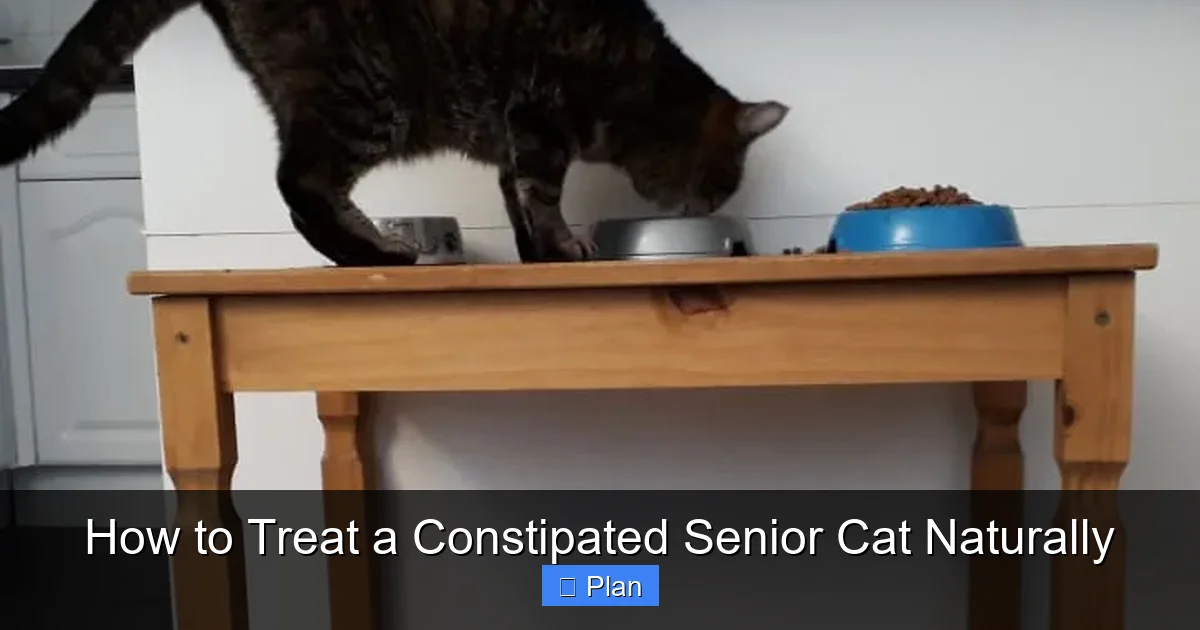
Think of hydration as the most fundamental natural treatment. If your cat’s body is a plumbing system, water is the lubricant. Without it, everything seizes up. For a senior cat, drinking enough water is often an uphill battle. Their sense of thirst isn’t as sharp, and many simply forget or don’t bother. Your mission is to make water so appealing and accessible that drinking becomes effortless.

Visual guide about How to Treat a Constipated Senior Cat Naturally
Image source: cattips.net
Wet Food is Non-Negotiable
The single best change you can make is transitioning your cat to a 100% wet food diet, or at least making wet food the primary component. Canned food is about 70-80% water. A cat eating only wet food will inherently consume significantly more fluid. Look for high-quality, grain-free pâtés or loaves that list real meat as the first ingredient. If your cat is used to kibble, transition slowly by mixing increasing amounts of wet food into their dry over a week or two. Warming the wet food slightly (to room temperature or body temp) can release more aroma and make it more enticing.
The Magic of Moving Water
Cats are instinctively drawn to moving water, which in the wild signals freshness and safety. A pet water fountain is one of the best investments you can make for a senior cat’s overall health, and specifically for digestion. The constant circulation keeps water oxygenated and cool, encouraging multiple small drinks throughout the day. Place multiple fountains in different rooms, away from food and litter boxes, to maximize access. Clean and change the filters regularly to maintain appeal.
Broth and Flavor Boosters
If your cat remains a reluctant drinker, add flavor. Plain, low-sodium chicken or beef broth (ensure no onion or garlic!) can be poured over wet food or offered in a separate bowl. You can also make “broth ice cubes” and drop one into their water bowl for a subtle flavor infusion that melts slowly. Another trick is adding a teaspoon of the liquid from a can of tuna (in water, not oil) or a bit of the juice from a cooked chicken breast to their water. The goal is to make hydration a tasty habit.
Dietary Fiber: A Delicate Balance
Fiber is the classic solution for human constipation, but it’s a more nuanced tool for cats. Fiber adds bulk to stool and can help it move through the colon. However, too much, or the wrong type, can cause gas, bloating, and actually worsen the problem. The key is introducing the right kind of soluble fiber slowly and monitoring the response.
Visual guide about How to Treat a Constipated Senior Cat Naturally
Image source: res.cloudinary.com
Top Natural Fiber Sources
- Canned Pumpkin (Pure): This is the gold standard. Pure pumpkin (not pie filling) is rich in soluble fiber and water. Start with ½ teaspoon mixed into their wet food once a day. If well-tolerated, you can increase to 1 teaspoon twice daily. It’s gentle and often well-accepted due to its mild taste.
- Plain, Unsweetened Yogurt or Kefir: A teaspoon provides probiotics (good bacteria) and a small amount of fiber, which can help regulate the gut. Ensure it has no artificial sweeteners like xylitol, which is toxic to cats.
- Ground Flaxseed: A tiny sprinkle (¼ teaspoon) of freshly ground flaxseed on wet food offers soluble fiber and omega-3s. Use a coffee grinder for fresh batches.
- Wheat Bran: This is an insoluble fiber, which adds rough bulk. Use extremely sparingly—a pinch mixed into food—as it can be harsh on some digestive systems. It’s best for cats who need more “sweeping” action rather than moisture.
The Critical Rule: Go Slow
Never dump a large amount of fiber into your cat’s diet. Their gut microbiome is sensitive. Introduce any new item at a 25% increase every 3-4 days, watching litter box output closely. If stools become too soft or loose, reduce the amount. The goal is formed, moist, and easy-to-pass stool, not diarrhea.
Gentle Movement: Exercise for the Aging Digestive System
Physical activity stimulates the entire body, including the intestines. For a senior cat with arthritis or lethargy, “exercise” needs to be redefined. It’s not about running; it’s about consistent, gentle movement that mimics natural hunting behaviors—stalk, pounce, stretch.
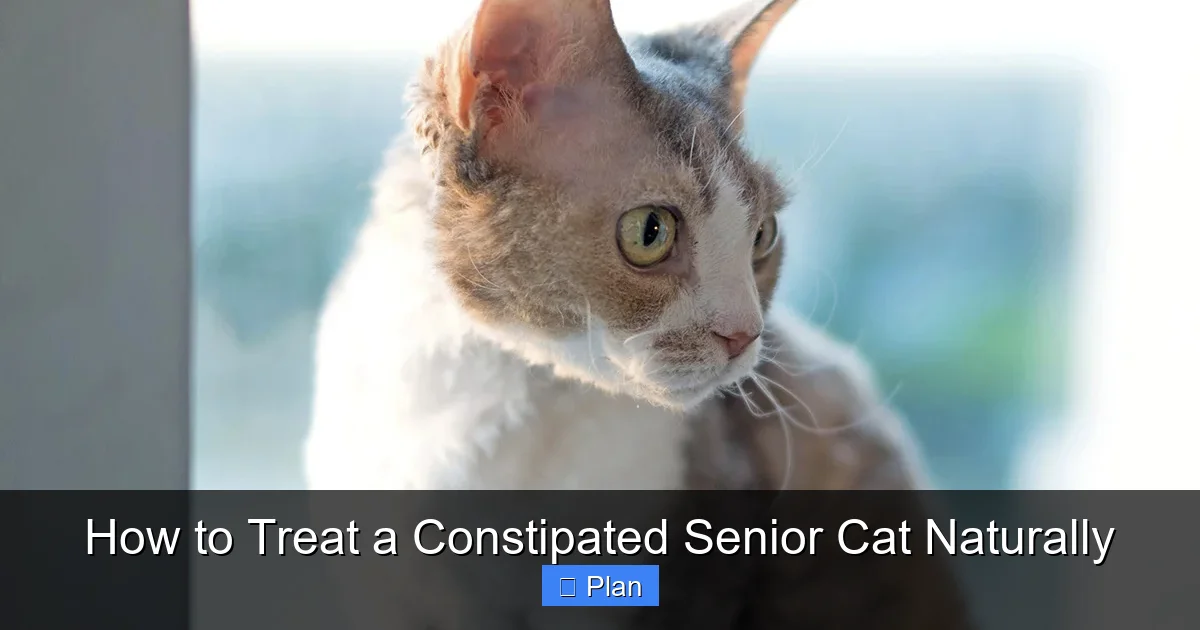
Visual guide about How to Treat a Constipated Senior Cat Naturally
Image source: pethealthnetwork.com
Interactive Play Sessions
Use wand toys to engage your cat in short, 5-10 minute sessions, 2-3 times a day. Let them “catch” the toy occasionally to satisfy their instinct. The stretching, darting, and reaching involved activates core muscles and can gently massage internal organs. Follow play with a small meal, as the gastrocolic reflex (the body’s natural signal that food has entered the stomach, prompting a bowel movement) is strongest after eating.
Environmental Enrichment for Micro-Movements
Make their environment encourage stretching and climbing. Place a cozy cat bed or a piece of furniture they love next to a sunny window. Use steps or a ramp to help them access their favorite perch if jumping is painful. Even the simple act of walking to a food bowl placed a short distance away, rather than in a constant spot, adds beneficial movement. Puzzle feeders or treat balls that require batting and rolling also promote light activity during meals.
Natural Supplements and Soothing Remedies
Beyond food-based fiber, a few other natural substances can support digestive health. Always consult your vet before starting any supplement, especially if your cat is on medication.
Probiotics for Gut Balance
The gut is home to trillions of bacteria. Stress, age, and antibiotics can disrupt this balance. A high-quality feline probiotic supplement can help repopulate the gut with beneficial bacteria, improving overall digestion and stool consistency. Look for products specifically formulated for cats, containing strains like Bifidobacterium and Lactobacillus. Start with a low dose as directed.
Aloe Vera Juice (Food-Grade Only)
In tiny amounts, food-grade, decolorized aloe vera juice can have a soothing, anti-inflammatory effect on the digestive tract. **This is potent.** Use only a few drops (¼ teaspoon) mixed into food once daily. **Never** use topical aloe gel or products with added sugars or preservatives.
Abdominal Massage
This is a gentle, bonding technique. With your cat relaxed on their side or in your lap, use the pads of your fingers to make very soft, clockwise circles on their lower abdomen. This follows the natural path of the colon. Apply minimal pressure—just enough to feel the skin move. Do this for 1-2 minutes after a meal or during a cuddle session. It can stimulate peristalsis (intestinal contractions) and provide comfort if they are experiencing mild cramping.
Creating a Stress-Free, Accessible Bathroom Environment
Stress is a powerful disruptor of digestive function. A senior cat who is anxious about their litter box setup will avoid it, holding in stool until it becomes painful and impacted. The goal is to make the litter box experience utterly predictable, safe, and easy.
The Litter Box Rule of Thumb: N+1
For any household, you should have at least the number of cats plus one litter box. For a single senior cat, that means **two** boxes. Place them in separate, quiet locations—not next to noisy appliances or in high-traffic hallways. One should be on the floor they spend the most time on. If your home is multi-level, have a box on each level.
Choose Senior-Friendly Boxes
Skip covered boxes. They trap odors and can feel confining and dark to an older cat with diminished senses. Opt for large, open pans with low, easy-entry sides. Arthritis can make stepping over a high lip painful. Consider a modified storage tote with a large cut-out side as an extra-spacious, affordable option. Use soft, unscented, clumping litter. Strong fragrances are offensive to cats and can deter use. A litter mat underneath will catch tracked grains and make cleanup easier.
Consistency and Cleanliness
Scoop solid waste and clumps at least twice daily. A senior cat with a sensitive nose will avoid a dirty box. Perform a full litter change and wash the box with mild soap weekly. Maintain a strict routine for feeding and play, as predictability reduces anxiety.
When Natural Methods Aren’t Enough: The Vital Role of Your Veterinarian
This is the most important section. Natural care is supportive care, not a substitute for veterinary diagnosis. Constipation is a symptom, not a disease. The risks of untreated constipation in a senior are high: stool can become so dry and hard it forms an impacted mass requiring emergency removal, which can be traumatic and risky for an older cat. Prolonged straining can also lead to hemorrhoids or rectal prolapse.
Red Flags That Require Immediate Vet Attention
- No bowel movement for more than 48-72 hours.
- Vomiting, lethargy, or loss of appetite accompanying constipation.
- Bloody or black stool.
- Signs of pain: crying, hiding, aggression when picked up near the abdomen.
- Abdominal swelling or hardness.
What Your Vet Will Do
A thorough exam will include palpating the abdomen to feel for hard stool masses. Blood work (CBC, chemistry panel) is essential to check for dehydration, kidney function, thyroid levels, and signs of infection. X-rays can confirm impaction and rule out obstructions like tumors or foreign bodies. Your vet may prescribe an osmotic laxative like lactulose (which draws water into the colon) or a stool softener. In cases of severe impaction, an enema under sedation may be necessary. The goal of your natural plan should be to support the vet’s treatment and maintain long-term regularity.
Putting It All Together: A Sample Daily Protocol
Creating a consistent routine is easier than you think. Here’s a framework:
- Morning: Serve a fresh meal of high-quality wet food, mixed with ½ tsp of canned pumpkin. Ensure a water fountain is full and fresh. After breakfast, engage in a 10-minute wand toy play session.
- Mid-Day: Check all litter boxes, scoop thoroughly. Place a fresh water bowl in a quiet area if not using a fountain.
- Evening: Serve a second wet food meal. Offer a few drops of plain yogurt or a probiotic sprinkle if using. Perform a gentle abdominal massage during cuddle time. Ensure all litter boxes are accessible and clean before bedtime.
- Always: Monitor litter box deposits daily. Note stool consistency (should be similar to a soft, formed tootie roll), frequency, and any straining. Weigh your cat weekly, as weight loss can be a sign of inadequate intake or underlying illness.
This holistic approach—hydration, diet, movement, environment, and vet partnership—addresses constipation from every angle. It respects your senior cat’s aging body and works with its natural rhythms. Remember, the journey of aging is a partnership. By tuning into their subtle needs and providing gentle, consistent care, you can help ensure their golden years are comfortable and dignified. For more on the general care of your aging companion, understanding the full scope of when a cat is considered a senior can help you anticipate and meet their evolving needs proactively.
Frequently Asked Questions
How can I tell if my senior cat is constipated?
Signs include straining in the litter box with little or no output, passing hard, dry stools, frequent trips to the box without completion, lethargy, a hunched posture, and a sensitive or swollen abdomen. If you notice these, especially in combination, contact your vet.
Is it safe to give my senior cat milk for constipation?
No. Most cats are lactose intolerant. Milk will likely cause diarrhea and stomach upset, not relieve constipation. It is not a recommended remedy and can add unnecessary digestive stress.
How much pumpkin should I give my constipated senior cat?
Start very small with ½ teaspoon of plain, canned pumpkin (not pie filling) mixed into their wet food once daily. If tolerated well after a few days, you can increase to 1 teaspoon twice daily. Too much too fast can cause gas or diarrhea.
Can constipation in senior cats be a sign of something serious?
Absolutely. It can indicate painful arthritis, kidney disease, hyperthyroidism, diabetes, or an intestinal obstruction. This is why a veterinary examination is the crucial first step to rule out these life-threatening conditions before trying home remedies.
My cat is on a prescription diet. Can I still add fiber?
You must consult your veterinarian before adding anything to a prescription diet. The diet is formulated for a specific medical condition (e.g., kidney disease), and adding fiber could unbalance it or interfere with its intended effects. Your vet can advise on safe modifications.
How long should I try natural remedies before going back to the vet?
If you have already seen the vet and ruled out an emergency, allow 3-5 days of consistent natural care (hydration, fiber, etc.) to see improvement. If there is no positive change in stool consistency or frequency after this period, or if your cat’s demeanor worsens at any point, schedule a follow-up appointment immediately.