
Can You Join Nhs as a Senior


Bathtub Grab Bar

Spill-Proof Travel Mug

Long Handle Shoe Horn
Yes, you can absolutely join the NHS as a senior in the UK! The NHS is open to all UK residents, regardless of age. Your first step is registering with a local GP practice, which is free and straightforward. While most NHS services—like hospital care and doctor visits—are free at the point of use, some charges apply for prescriptions, dental, and optical care (with exemptions for those on low incomes). Understanding what’s covered, how to navigate waiting lists, and the difference between NHS healthcare and social care is key to getting the support you need without stress.
Key Takeaways
- NHS eligibility is based on UK residency, not age: You must be legally resident in the UK, but there’s no upper age limit. Seniors often qualify through long-term residence or returning to the UK after living abroad.
- Registering with a GP is mandatory and free: This is your gateway to all NHS services. You cannot be refused due to age, medical history, or immigration status if you’re a resident.
- Core healthcare is free at the point of use: This includes GP consultations, hospital treatment, nursing, and mental health services. However, prescription, dental, and optical care often have charges, though exemptions exist for low-income seniors.
- Age does not affect the standard of care: The NHS provides the same clinical care to all adults. Some services, like routine health checks for over-75s, are specifically designed for older patients.
- Waiting times can be long for non-urgent care: Prioritization is based on clinical need. You can check estimated wait times online and discuss options with your GP if delays impact your health.
- Social care (e.g., care homes, home help) is not funded by the NHS: It’s managed by local councils and means-tested. Many seniors mix NHS healthcare with privately funded or council-supported social care.
- Help is available if you struggle: Organizations like Age UK and local Patient Advice and Liaison Services (PALS) can assist with navigating the system, complaints, or understanding your rights.
📑 Table of Contents
Understanding NHS Eligibility for Seniors
So, you’re a senior—maybe in your 60s, 70s, or beyond—and you’re wondering about accessing healthcare in the UK. The great news is that the National Health Service (NHS) is designed to serve all UK residents, from birth to end-of-life. There is no “age cap” for joining. If you live in the UK permanently, you’re entitled to NHS care. But what does “resident” mean, and are there any hidden catches? Let’s clear up the confusion.
Age Criteria and Residency Requirements
First, let’s tackle the “senior” part. In the UK, there’s no single legal definition of when you become a senior for NHS purposes. Many government programs use 60 or 65 as benchmarks, but the NHS itself doesn’t use age as a barrier. Your eligibility hinges on your ordinary residency status. This means you live in the UK, intend to stay, and are subject to UK immigration laws. Even if you’ve spent most of your life abroad but have now returned to retire in the UK, you may still qualify after meeting certain residency rules.
It’s worth noting that the concept of “senior” varies globally. For context, what age are you considered a senior citizen can differ by country, program, or even business discounts. But for the NHS, your medical need and residency are what matter most, not a specific birthday.
What “Ordinarily Resident” Means in Practice
Being “ordinarily resident” is more than just having a UK address. It implies a genuine, settled connection to the UK. For most lifelong UK residents, this is automatic. For those who have lived abroad—perhaps working in the EU, the US, or elsewhere—returning to the UK means you’ll need to re-establish residency. This usually involves renting or buying a home, registering with a GP, and living here for more than a temporary period. The NHS may ask for proof like a tenancy agreement, utility bills, or a letter from HMRC.
There are exceptions for some groups, such as those with specific visas or individuals seeking asylum. If you’re unsure, the NHS website or a citizen’s advice bureau can provide personalized guidance. The key takeaway: don’t assume you’re ineligible because of past absences. Many seniors successfully re-engage with the NHS upon returning to the UK.
How to Register with an NHS GP (The First Step)
Once you’ve confirmed your residency, the absolute first step is to register with a General Practitioner (GP) practice. This is your main point of contact for all non-emergency healthcare. Think of your GP as your healthcare advocate—they manage your routine care, refer you to specialists, and coordinate with hospitals. Without a GP, accessing most NHS services becomes very difficult.
Visual guide about Can You Join Nhs as a Senior
Image source: sinnottmedicalcentre.nhs.uk
Finding a Local GP Practice
You have the right to choose which GP practice you join, but they must be within your local Clinical Commissioning Group (CCG) area—essentially, your geographic region. You can search for practices using the NHS England website or by calling NHS 111. When choosing, consider factors like location (is it accessible by bus or on foot?), opening hours (some offer early morning or evening appointments), and whether they have a dedicated “over-60s” clinic or interest in geriatric medicine.
Practices cannot refuse your application because of your age, medical conditions, or because you don’t have a “permanent” address (if you’re homeless or in temporary accommodation, you can still register). If a practice says they are “full” and cannot take new patients, they must provide a reason and you can ask to be placed on a waiting list or find another nearby practice.
The Registration Process Step-by-Step
Registration is simple and free. You’ll need to:
- Complete a GMS1 registration form (available at the practice or online).
- Provide proof of identity (passport, driving license) and proof of address (utility bill, tenancy agreement). For those without traditional ID, the practice has discretion to accept alternative documents.
- Have your first “new patient health check” with a nurse or GP. This is a chance to discuss your medical history, current medications, and any concerns.
If you’re housebound due to illness or disability, inform the practice. They are required to arrange a home visit for registration and subsequent appointments if necessary. This is a crucial right for frail seniors.
Accessing NHS Services as a Senior
With your GP registered, a world of NHS services opens up. But what exactly can you access, and how does it work? Let’s walk through the main pathways.
Visual guide about Can You Join Nhs as a Senior
Image source: greatsenioryears.com
Primary Care and Routine Check-ups
Your GP is your gateway. You can book appointments for any health concern—from a persistent cough to medication reviews. As a senior, you’re entitled to an annual health check (often called a “winter health check” or “over-75 health check”) if you’re over 75. This is a comprehensive review of your physical and mental wellbeing, including falls risk, memory assessment, and social support needs. It’s proactive and highly recommended.
You also have access to free vaccinations: flu shots every autumn, the one-off shingles vaccine (if you’re over 70 or 78 depending on the year), and the pneumococcal vaccine. These are critical for preventing serious illnesses that disproportionately affect older adults.
Hospital Services and Referrals
If your GP decides you need specialist care, they will write you a referral letter to a hospital consultant. This is the normal route; you cannot usually self-refer to a hospital specialist (except for some services like sexual health or A&E). Once referred, you’ll be placed on a waiting list. The NHS aims to see patients within specific targets (e.g., 18 weeks for non-urgent consultant-led treatment), but these can vary by region and specialty.
For urgent but non-life-threatening issues, you can call NHS 111 for advice. They may book you a same-day GP appointment or direct you to an urgent treatment centre. For life-threatening emergencies, always go to A&E or call 999. Seniors are not deprioritized in emergencies; triage is based on clinical need.
Dental, Optical, and Hearing Care
Here’s where the “free at the point of use” principle gets nuanced. NHS dentistry, optometry (eye tests), and hearing services are not entirely free. You typically pay a fixed charge per course of treatment:
- Dental: England has three bands of charges (from ~£25 for an exam to ~£280 for complex work). Scotland, Wales, and Northern Ireland have different or free systems.
- Optical: You pay for the eye test (free for some, like those on certain benefits or over 60 in Scotland) and for glasses/lenses unless you qualify for a voucher.
- Hearing: NHS hearing aids are free, but there may be a charge for the initial assessment in some areas.
Many seniors on low incomes qualify for free treatment through the NHS Low Income Scheme (HC2 certificate). Always ask your GP, dentist, or optician about exemption forms. If you need frequent or extensive dental work, some opt for private “cash plan” insurance or medical insurance for senior citizens to top up NHS coverage, though this is a personal choice and not required.
What the NHS Covers (and What It Doesn’t)
A common myth is that the NHS pays for everything. Understanding the boundaries between NHS healthcare and social care is essential for financial planning and avoiding surprises.
Visual guide about Can You Join Nhs as a Senior
Image source: greatsenioryears.com
Free Services at the Point of Use
These are genuinely free for UK residents, regardless of age or income:
- GP consultations and nurse visits
- Inpatient and outpatient hospital care (including tests, scans, surgery)
- Maternity services
- Mental health services (including talking therapies)
- Nursing care (if provided by a NHS nurse in a hospital or at home under NHS team)
- Some medications during a hospital stay
- Ambulance services for emergencies
Prescription Charges and Exemptions
In England, there is a standard prescription charge per item (currently £9.65). However, you do not pay if you:
- Are over 60 (yes! Age alone grants free prescriptions in England).
- Are under 60 but have a valid medical exemption certificate (e.g., for certain conditions like cancer, diabetes, or disability).
- Are on a low income and have an HC2 certificate.
- Live in Scotland, Wales, or Northern Ireland, where prescriptions are free for everyone.
If you need multiple prescriptions, a prescription prepayment certificate (PPC) can save money—it’s a one-off payment covering all your prescriptions for a set period.
Common Misconceptions About NHS Coverage
Let’s bust a few myths:
- Myth: The NHS pays for care home fees. Truth: No. Nursing home costs are considered social care, not healthcare, and are means-tested. Only in rare cases of “NHS Continuing Healthcare” (for those with very complex, primarily nursing needs) might the NHS fully fund care.
- Myth: The NHS provides free home help (cleaning, cooking). Truth: This is social care, arranged by your local council. You may have to pay, though financial support is available based on income and needs.
- Myth: You must pay for an ambulance. Truth: Emergency ambulance transport is free if you’re taken to hospital from an emergency. Non-emergency patient transport services (for those who cannot travel independently to appointments) may have a charge or be free depending on medical need and location.
Common Challenges and How to Overcome Them
Even with eligibility clear, seniors sometimes face hurdles. Here’s how to navigate them.
Long Waiting Times and How to Manage Them
Waiting lists are a reality, especially for non-urgent elective surgeries like hip replacements or cataract operations. If your quality of life is severely impacted, don’t just wait passively. Talk to your GP: they can sometimes expedite referrals if your condition deteriorates. You also have the right to ask for treatment at another hospital with a shorter wait, though travel may be involved. Some seniors choose private treatment to jump the queue, but this can be costly and isn’t covered by NHS unless you have private medical insurance that includes it.
Keep a record of your referral date and check the NHS website for your local hospital’s current wait times. Knowledge is power—it helps you plan and advocate for yourself.
Navigating the System When You Have Complex Needs
Seniors often have multiple long-term conditions (e.g., diabetes, heart disease, arthritis). This can mean seeing various specialists, taking many medications, and coordinating care. The NHS aims for “integrated care,” but it can feel disjointed. Tips:
- Keep a single, up-to-date list of all your medications, allergies, and conditions. Take it to every appointment.
- Ask your GP if you can be assigned a “named care coordinator” or if there’s a local “integrated care team” that includes nurses, social workers, and therapists.
- Consider bringing a trusted family member or friend to appointments to take notes and ask questions.
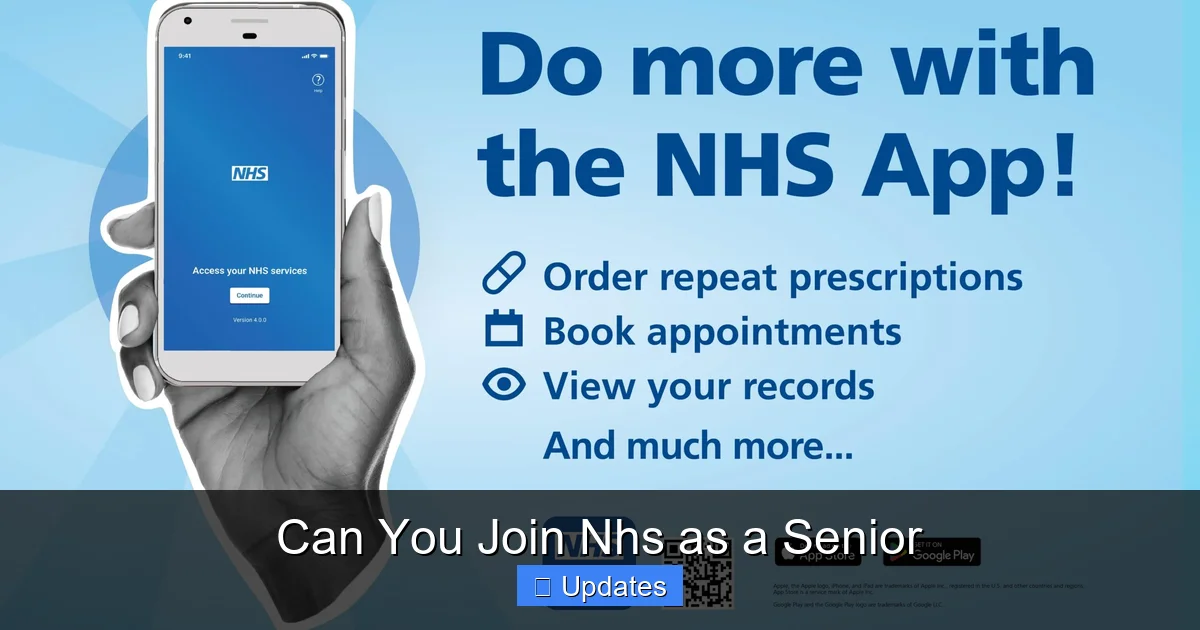
- Use the NHS App to view your medical records, book appointments, and order repeat prescriptions—it’s a game-changer for managing your health.
Planning for Long-Term Care and Support
As we age, thoughts turn to the future: What if I need help at home? What about a care home? The NHS and social care systems are separate, and understanding this split is crucial for planning.
NHS vs. Social Care: Knowing the Difference
Remember: the NHS provides healthcare. Social care provides support with daily living—bathing, dressing, meal preparation, housework. Your local council (local authority) assesses your social care needs and, based on your income and savings, may contribute to costs. Even if you qualify for some financial help, you’ll likely still need to contribute something unless your assets are very low.
Many seniors are surprised to learn that a long hospital stay doesn’t automatically mean free home care afterwards. You may be discharged with a “care package” arranged by the hospital’s social work team, but this is often short-term and funded by the NHS to prevent immediate readmission. Long-term support will transition to social care.
Funding Options for Care Home Fees
Care home fees are substantial. If you need nursing care, the home will be more expensive. Here’s how people typically fund it:
- Local Authority Support: If your capital (savings, assets) is below £23,250 (in England; thresholds differ in devolved nations), the council may fund part or all of your care after a financial assessment. They will also conduct a needs assessment.
- NHS Continuing Healthcare (CHC): This is for individuals with very complex, primarily nursing needs. It’s not means-tested and is fully funded by the NHS. However, eligibility is strict and assessed by a multidisciplinary team. Many applications are initially declined, so persistence or seeking advocacy help is key.
- Private Pay: Using your savings, selling your home (via a “deferred payment agreement” with the council), or income from pensions and benefits.
- Annuities or Equity Release: Financial products to unlock home equity or provide a regular income.
- Hybrid Models: Some choose low-income senior apartments with supportive services, or home care services like those from Hearts at Home to stay independent longer. These options blend housing and care, often at lower cost than full-time residential care.
Start these conversations early. Contact your local council’s adult social services department for a needs assessment, even if you’re not in crisis. It gives you a clear picture of what support you might qualify for and what you’d need to self-fund.
Conclusion
Joining the NHS as a senior is not just possible—it’s your right as a UK resident. The process is designed to be straightforward: find a GP, register, and you’re in. From there, you gain access to a vast network of healthcare professionals and services, most of which are free when you need them. Yes, there are complexities around prescriptions, dental care, and the clear separation between NHS healthcare and council-funded social care. But armed with knowledge, you can navigate these effectively.
Don’t wait until you’re sick. Register with a GP today if you haven’t already. Keep your medical information organized, be proactive about check-ups and vaccinations, and understand the difference between health and social care. If you hit a wall, reach out to advocacy groups like Age UK. Your health is your most valuable asset in your senior years, and the NHS is there to help you protect it.
Frequently Asked Questions
At what age can I register with an NHS GP as a senior?
There is no minimum or maximum age to register with an NHS GP. You can register at any age as long as you are a UK resident. Many people register as seniors when they move to the UK for retirement or return after living abroad.
Is there any cost to join the NHS or see a doctor?
No. Registering with an NHS GP and seeing your doctor is completely free for UK residents. There are no membership fees or upfront costs for GP consultations, hospital care, or nursing services.
What healthcare services are completely free for seniors?
All core NHS services are free at the point of use, including GP visits, hospital treatment, tests, surgery, mental health care, and ambulance emergencies. Prescriptions are free for everyone in Scotland, Wales, and Northern Ireland, and for over-60s in England. Dental, optical, and hearing care have standard charges in England, with exemptions for low-income seniors.
How do I find a GP practice that is accepting new patients?
Use the NHS England “Find a GP” service online or call NHS 111. You can choose any practice within your local area. If a practice is full, they must provide a reason and you can ask to join their waiting list or select another nearby practice.
What should I do if I need urgent care but can’t get a same-day GP appointment?
For urgent but non-life-threatening issues, call NHS 111. They can arrange a same-day appointment at an urgent treatment centre, a GP hub, or provide advice. For life-threatening emergencies, call 999 or go directly to A&E.
Does the NHS pay for my care home fees if I become frail?
Generally, no. Care home fees are considered social care and are means-tested by your local council. Only if you qualify for NHS Continuing Healthcare (for those with very complex, primarily nursing needs) will the NHS fully fund your care. Most seniors contribute from their savings, pensions, or with council support.