
10 Best Non-Slip Rugs for Disabled Adults: Safe and Accessible Choices


Anti-Glare Reading Glasses

Heated Blanket

Upright Walker
Falls can happen when a rug slides, bunches, or curls underfoot. For disabled adults, a non-slip rug can add comfort and help create a more stable walking surface in areas such as bathrooms, bedrooms, and kitchens. These rugs may also provide warmth and cushioning while protecting floors from water and dirt.
The best non-slip rugs for disabled adults should stay firmly in place, lie flat, and have a low profile that will not catch on mobility aids or shoes. We also look for soft but durable materials, easy cleaning, suitable size, and backing that will not damage the floor. People using wheelchairs or walkers should check that the rug does not interfere with turning, rolling, or transferring.
We compared rugs for grip, edge design, comfort, cleaning, and everyday use to identify the options that provide the safest and most practical fit for different rooms and needs.
Best Non-Slip Rugs for Disabled Adults
We reviewed non-slip rugs that can help improve stability and reduce trip risks for disabled adults. Our list focuses on secure backing, low-profile designs, soft surfaces, and easy maintenance.
GORILLA GRIP Rug Gripper Pad
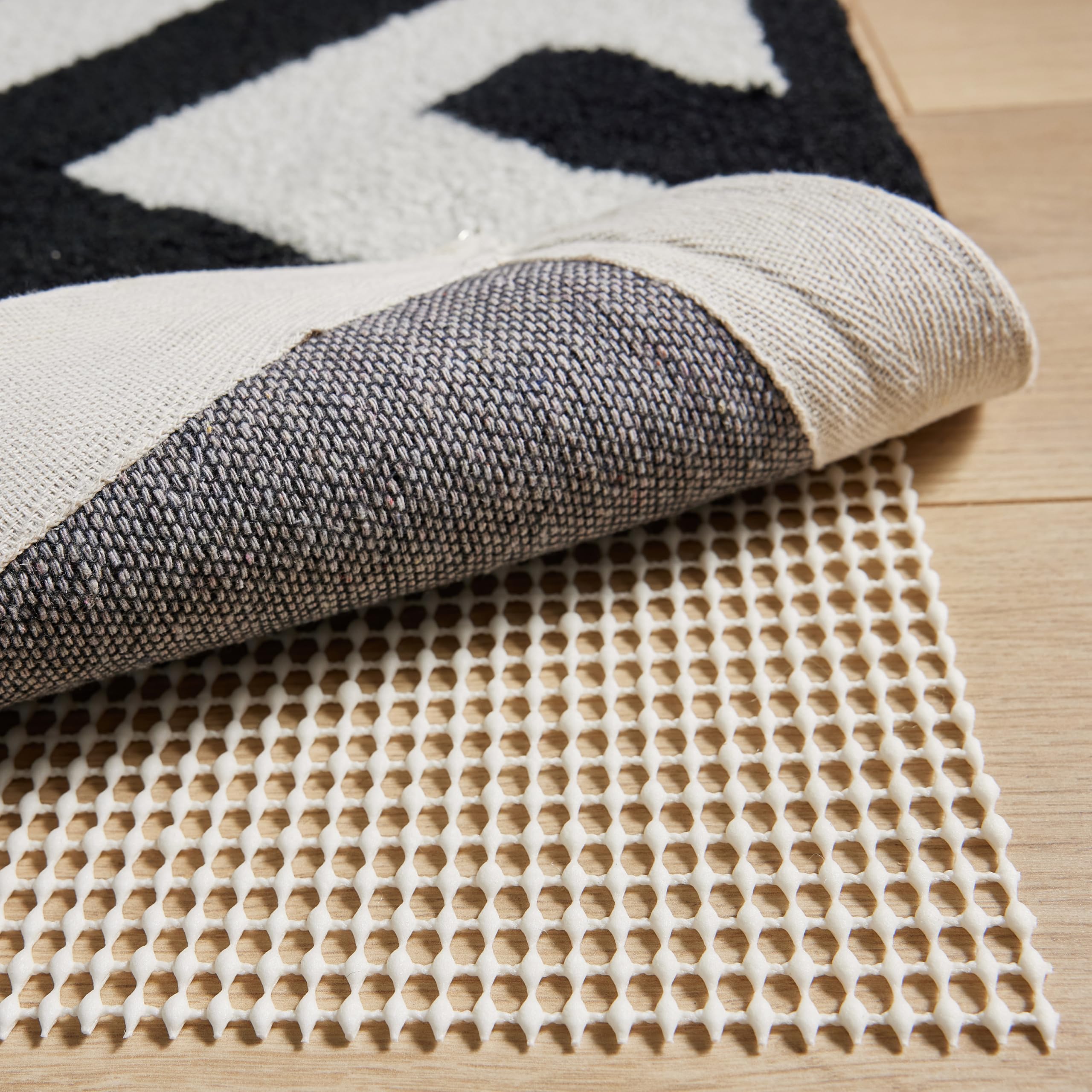
We recommend this pad for adults who need a firmer, flatter surface under small rugs on hard floors.
Pros
- Strong grip helps limit sliding and bunching
- Easy to trim with household scissors
- Adds light cushioning without much extra height
Cons
- The 2-by-3-foot size may not fit larger rugs
- It works best when both the floor and rug are clean
- Corners may need extra attention during setup
We found the dual-sided grip effective under bathroom, kitchen, and entryway rugs. The pad kept rugs from shifting during normal foot traffic, which can make daily movement feel more predictable for people with balance or mobility concerns.
The open grid design lies flat and does not add much height. We also liked that we could cut it to fit unusual shapes. Its light cushioning made thin rugs feel more comfortable without creating a noticeable step.
For the best hold, we cleaned the floor before placing the pad and secured the rug corners. The material may need occasional wiping, and the compact size limits it to smaller rugs or runners. Overall, it offers a practical way to reduce rug movement on hardwood, tile, and other hard floors.
BYYVOO Washable Non-Slip Rug
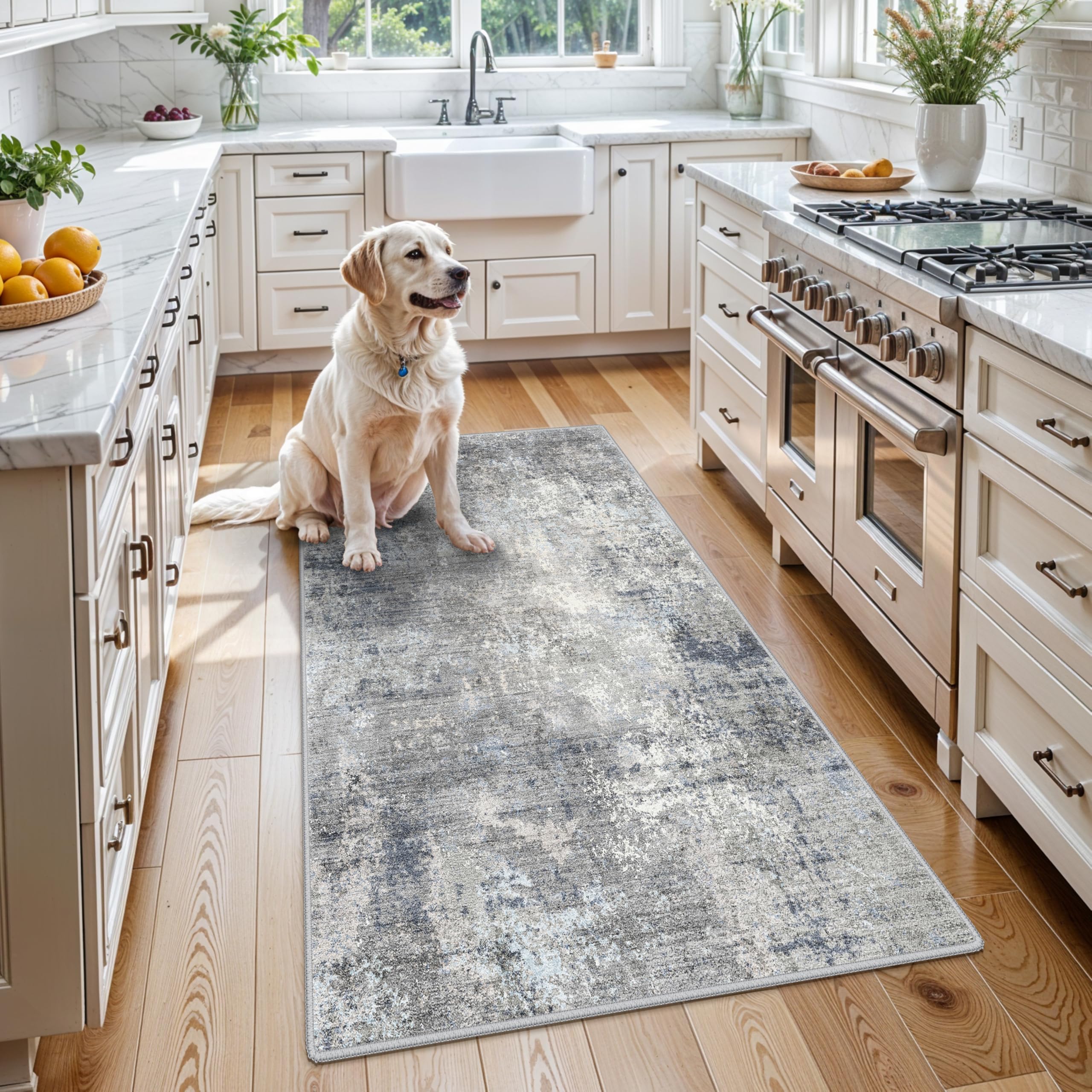
We recommend this rug for adults who need a soft, low-profile surface that stays in place and cleans easily.
Pros
- Textured backing helps limit movement on smooth floors
- Soft, low pile feels comfortable underfoot
- Machine washable and simple to sweep
Cons
- Very thin and offers little cushioning
- May need a rug pad on some floors
- Vacuum cleaners may pull at the lightweight fabric
We found the 3-by-5-foot rug easy to place near an entryway, bed, or seating area. Its low height also leaves enough clearance for most doors, walkers, and wheelchairs. The textured rubber backing helped reduce sliding on hard floors, though we would still test it on the exact surface before relying on it for fall prevention.
The faux-cashmere surface feels soft without creating a thick edge that could catch a foot or mobility aid. Its blue-gray abstract pattern looks neutral and hides small marks well. The rug feels light, so one person can lift it for cleaning without much effort.
Cleaning was one of its strongest features. We could sweep it quickly, wipe small spills, and machine-wash it when needed. The thin design dries faster than a thick rug, but it does not provide much padding. For extra stability and comfort, we would pair it with a compatible rug pad that does not create a raised edge.
Made Medical Bedside Fall Mat
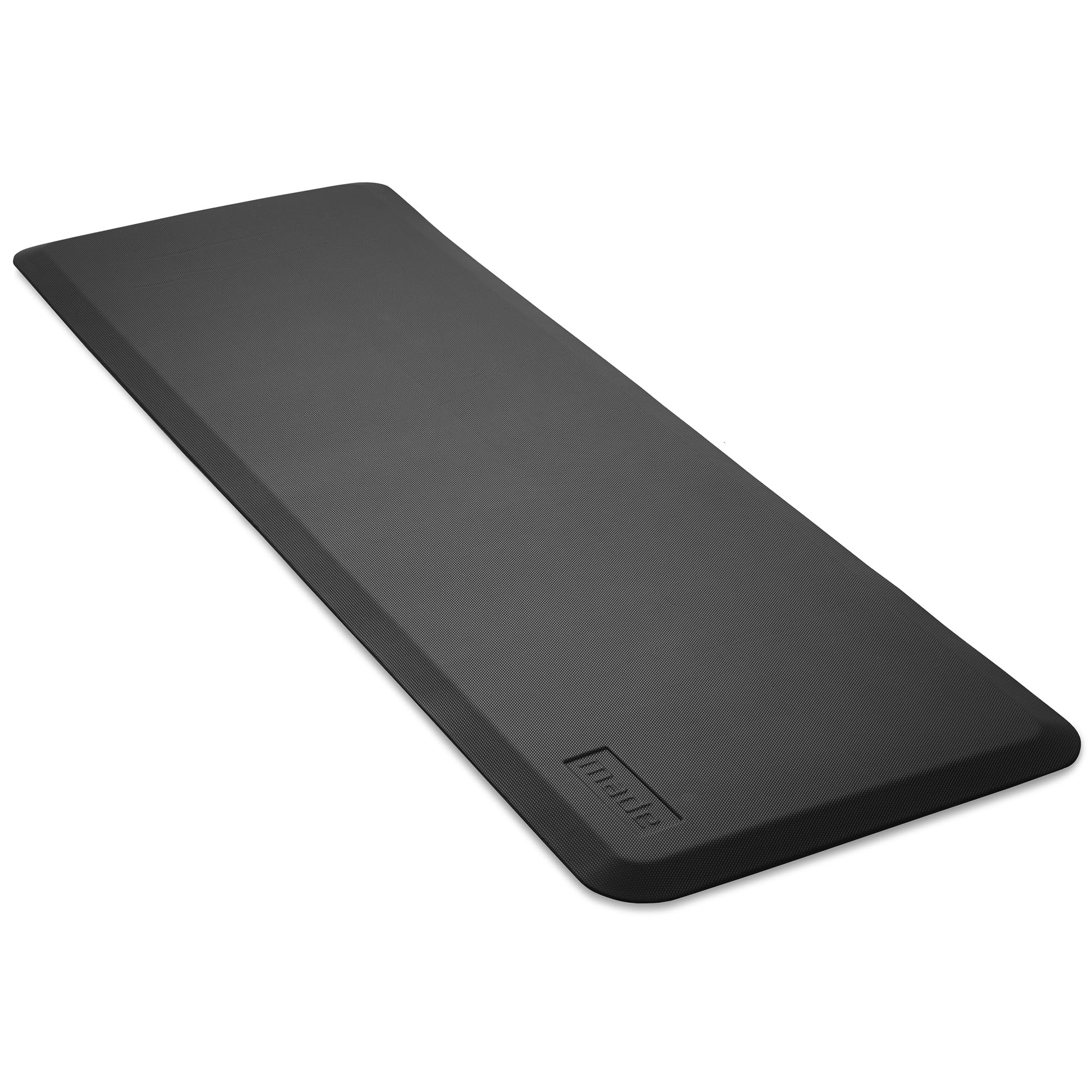
We recommend this mat for bedside fall protection because its cushioned surface and beveled edges help support safer transfers for adults who use walkers or wheelchairs.
Pros
- Cushioned foam helps soften the impact of a fall.
- Beveled edges make walker and wheelchair entry easier.
- Water-resistant PVC wipes clean with mild soap and water.
Cons
- The surface may feel slippery when used with socks.
- Its 24-inch width may not cover a wide bedside area.
- The mat weighs 7.5 pounds, which can make moving it harder.
We found the mat comfortable to stand on and firm enough to stay in place during normal use. Its textured top gives walkers and wheels more grip, while the anti-skid backing helps limit movement on the floor.
The tapered edges make a noticeable difference near the bed. They reduce the raised edge that can catch a foot, walker, or wheelchair. The 0.75-inch foam also adds useful cushioning without making the mat overly thick.
Cleaning takes little effort because the PVC surface resists water, stains, and odors. However, we would avoid using it with bare socks or smooth slippers, since some users may find the top surface too slick.
At 72 inches long, the mat covers most of a standard bedside area. We would still check the available floor space and place it flat, away from loose cords or other objects.
HY HAO YUN LAI Washable Runner Rug
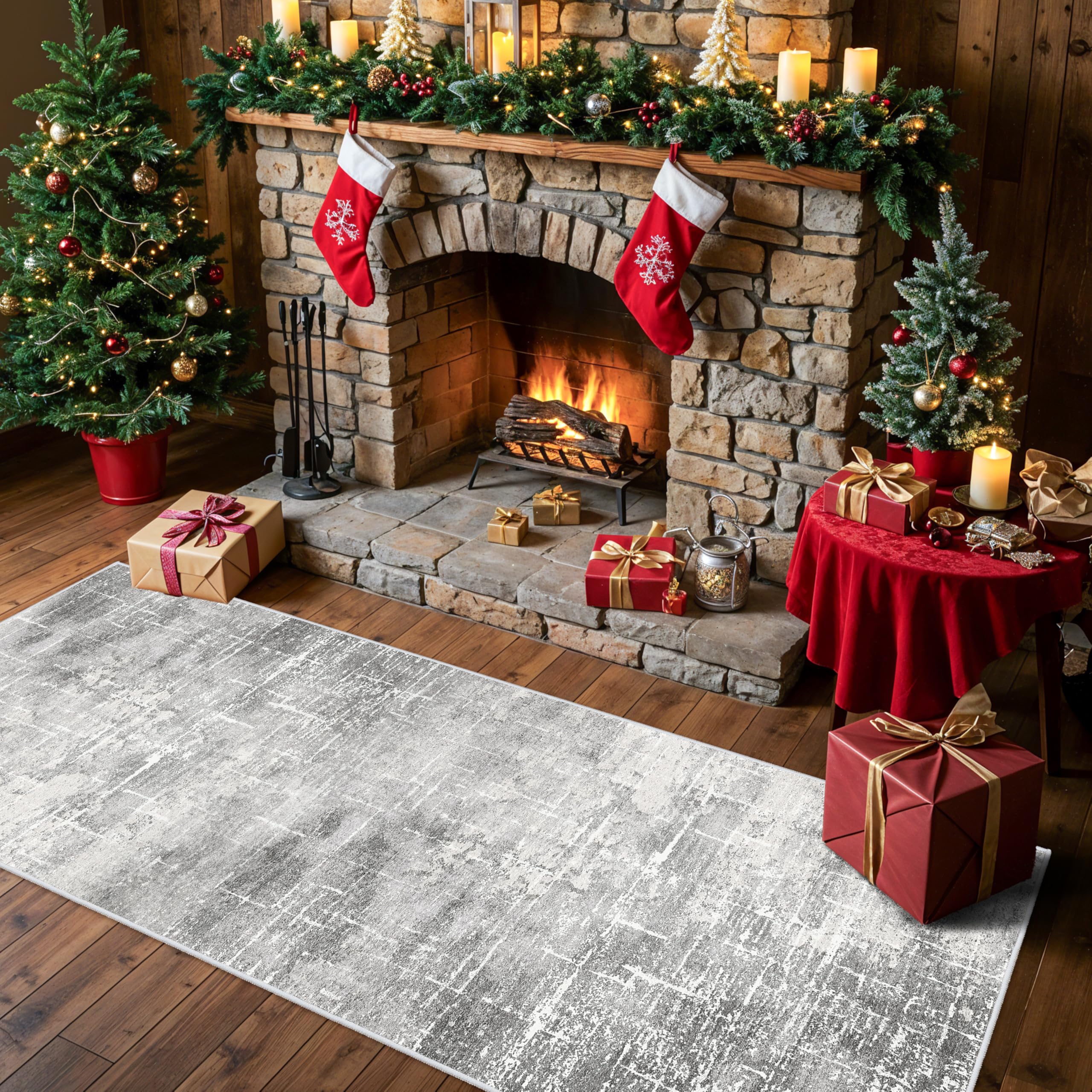
We recommend this soft, low-profile runner for adults who need easier movement and simple cleaning in busy indoor spaces.
Pros
- The rubber backing helped the rug stay in place during normal use.
- Its thin design reduced contact with doors and cabinets.
- We could machine-wash it and move it easily when needed.
Cons
- The lightweight build may shift under stronger vacuum suction.
- Its thin feel may not provide much cushioning.
- Shipping creases may need time to flatten.
When we placed this runner in a hallway and kitchen area, it sat close to the floor and did not block nearby doors. The soft surface felt comfortable underfoot, while the low pile made it easier to walk across.
The backing provided useful traction on a clean, dry floor. We still recommend checking the rug often, since dust or moisture under any rug can reduce grip. People using walkers or canes should test the rug before regular use.
Cleaning was simple. We could wipe small spills and use a low vacuum setting without pulling up the rug. The washable design also helps in homes with pets, older adults, or frequent kitchen messes.
The rug arrived folded or rolled and may show creases at first. Laying it flat gave it time to smooth out. Its light weight made repositioning easy, but that same feature means it may not feel as secure as a heavier safety rug.
Vive Bedside Fall Mat

We recommend this mat for bedside fall protection because its thick padding and low edges support safer transfers, but its smooth surface may feel slippery to some users.
Pros
- Thick cushioning covers a wide bedside area
- Beveled edges work well with wheelchairs and walkers
- Waterproof top wipes clean easily
Cons
- The surface may lack grip for some users
- It can arrive tightly rolled and need time to flatten
- The 24-inch width may feel narrow beside larger beds
We found the mat sturdy and comfortable under bare feet. Its rubber backing kept it steady on hard flooring, while the sloped edges allowed mobility aids to pass over without catching.
The waterproof cover made cleanup simple after spills. We also liked the 72-inch length, which covered much of the bedside area and gave useful protection along the side of a bed.
However, we would not treat the top as a traction surface. Users should wear non-slip footwear or go barefoot, since the smooth finish could create a slipping risk for some adults. The mat may also need several hours to relax after shipping.
NYOrtho FALLSHIELD Bedside Mat

We recommend this mat for bedside fall protection because its thick, cushioned surface and beveled edges support safer movement around the bed.
Pros
- Thick molded foam softens the impact of a fall
- Textured top and rubber backing improve traction
- Beveled edges work well with walkers and wheelchairs
Cons
- It may shift slightly on some hard floors
- The rolled mat may need time to lie flat
- Its 24-inch width may feel narrow beside larger beds
We found the FALLSHIELD firm enough to support standing but soft enough to add cushioning beside the bed. The waterproof surface also makes routine cleaning simple with a dry cloth.
The low, beveled edges let us move a walker, wheelchair, or lift onto the mat with less resistance. The textured top gives caregivers and users a steadier place to stand during transfers.
The rubber backing stayed secure on several floor types, although some users may notice slight movement on smooth hardwood. We also recommend weighing down the ends after delivery, since the mat arrives rolled and can take up to 24 hours to flatten.
At 70 by 24 inches, this standard version covers the usual bedside area but may not suit wide beds or rooms that need more floor coverage. The bi-fold version may work better when storage space matters.
Wesiti Fall Mat
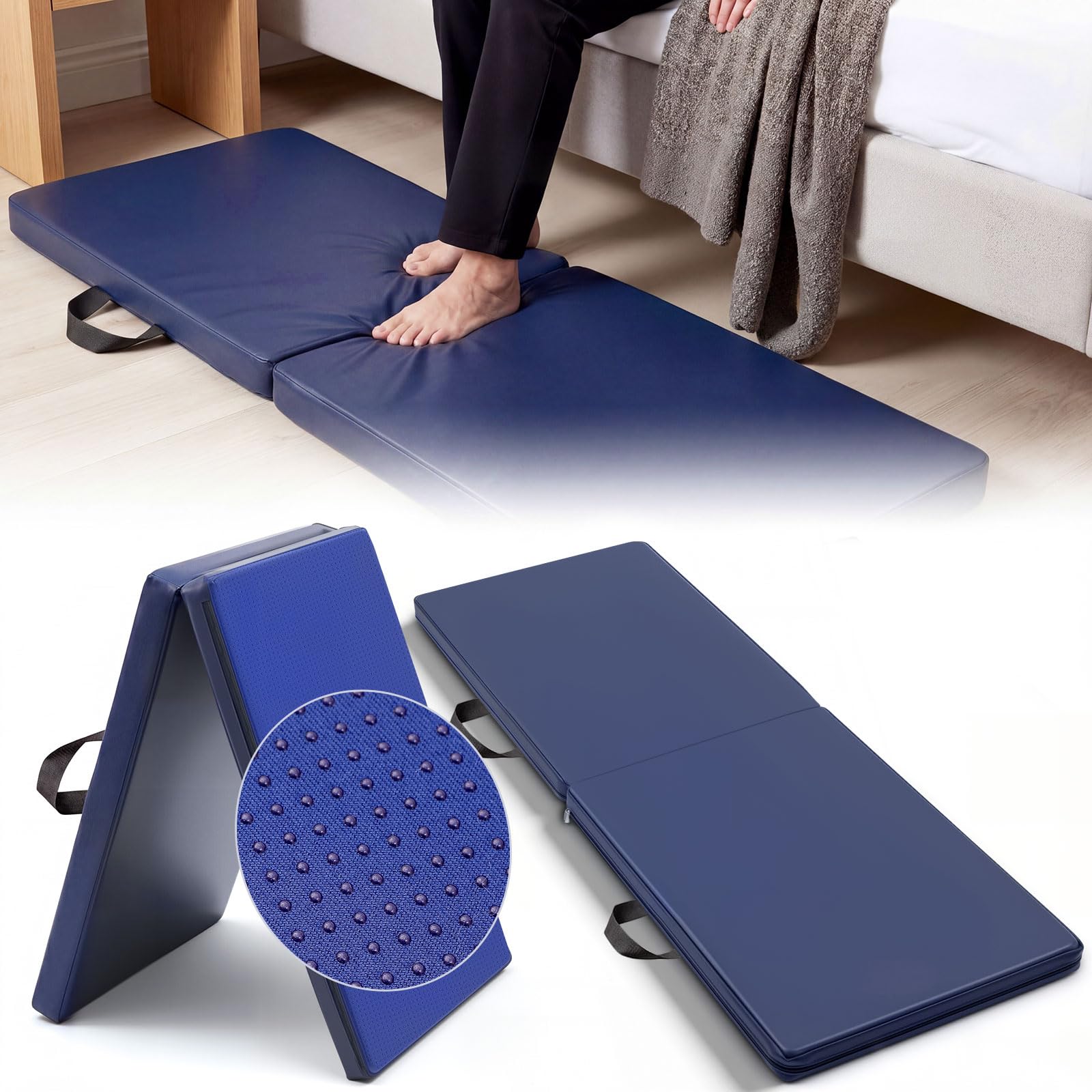
We recommend this mat for bedside use because its thick foam offers added cushioning and its textured underside helps limit movement on hard floors.
Pros
- Thick, supportive padding for bedside areas
- Waterproof surface wipes clean easily
- Folds for storage and transport
Cons
- Strong odor may remain after unpacking
- Requires time to regain its full shape
- The cover may need extra care when cleaning
We found the 70-by-24-inch mat large enough to cover the area beside a bed or sofa. The 2-inch foam felt firm rather than overly soft, giving us a stable surface while still adding protection if someone falls.
The rubber grip dots on the underside helped keep the mat in place on hardwood flooring. We would still check the edges often, especially when using it near a wheelchair, walker, or other mobility aid.
The blue PU leather cover made cleanup simple. We could wipe away small spills and dirt without the slow drying that fabric mats require.
The mat arrives compressed, so we needed to remove the foam and let it expand before use. We also noticed that the cover may have a strong smell at first, so airing it out in a well-ventilated room makes sense.
JZHLLA Bedside Fall Mat
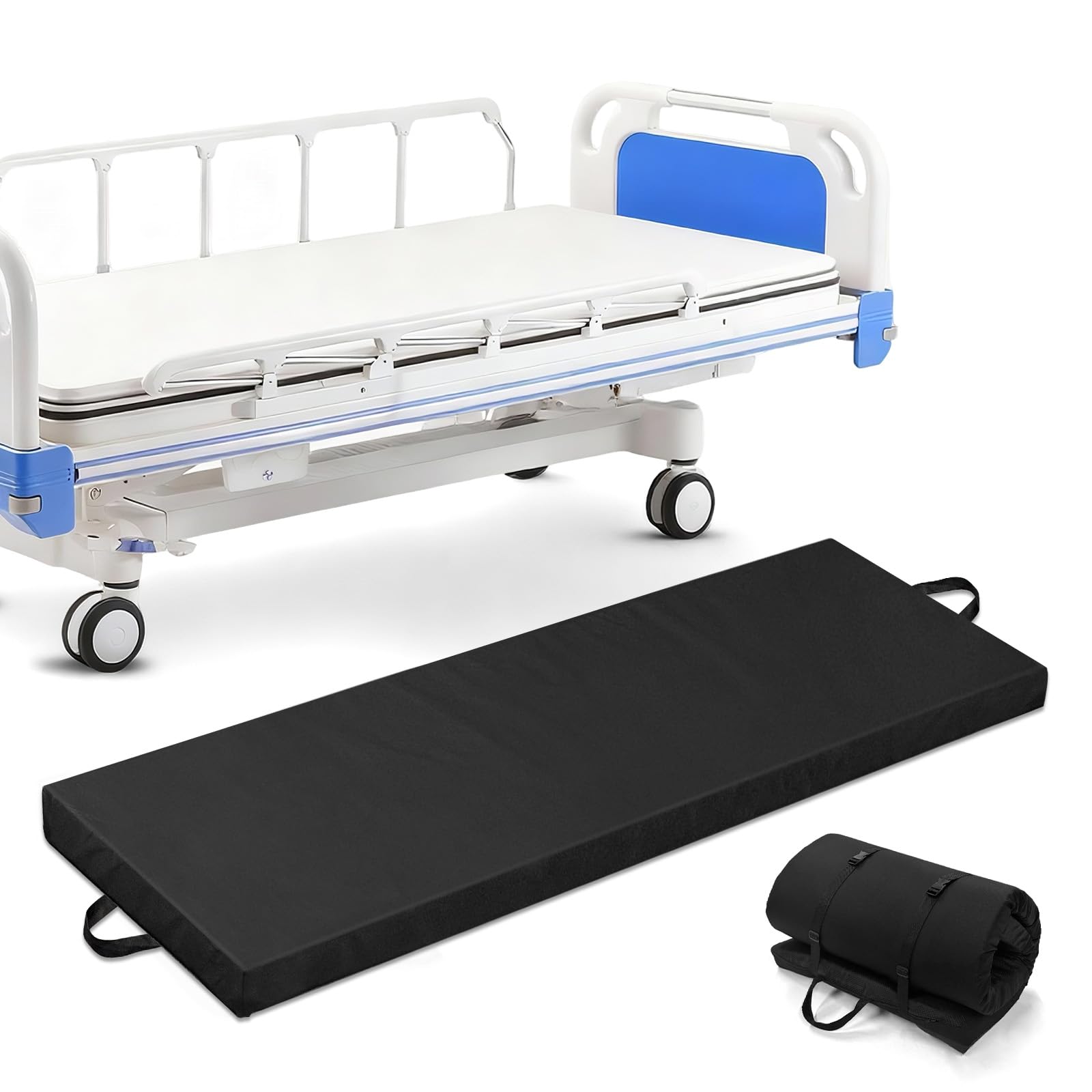
We recommend this cushioned bedside mat for adults who need added floor protection after a fall, especially when a thicker, rollable design matters.
Pros
- Thick foam helps soften floor impact
- Waterproof cover wipes clean
- Bottom grips help limit movement
Cons
- Bulky when rolled for storage
- Needs about 48 hours to expand
- May need extra traction on some floors
We found the 2.5-inch foam comfortable underfoot and supportive beside a bed. Its 71.6-by-24-inch size covers a useful strip along the bedside without taking over the whole room.
The textured underside helped keep the mat in place during normal use. However, we would still check it often on smooth floors, since some users reported wanting more grip.
The removable Oxford cover made cleanup simple. We also liked the two storage straps, although the rolled mat remained fairly bulky. After unpacking, we needed to let it rest and flatten before using it.
We also found the mat useful for stretching or sitting on the floor. It can support people with limited mobility, but it should not replace a walker, bed rail, caregiver support, or other fall-prevention equipment.
SPRINGSPIRIT Waterproof Bed Pads

We recommend these washable bed pads for adults who need surface protection and a quieter alternative to disposable pads.
Pros
- Absorbs small leaks and helps protect bedding
- Non-slip backing reduces shifting
- Machine washable and reusable
Cons
- The thin design may bunch up during movement
- Coverage works best for beds, chairs, and couches, not full mattresses
- White fabric can show stains
We found the 34-by-36-inch size useful for placing across the middle of a bed or on a wheelchair seat. The soft polyester surface felt comfortable, while the waterproof lower layers helped keep moisture from reaching the bedding.
The backing reduced movement better than a standard fabric pad, but it did not hold the pad firmly in every situation. Someone who changes position often may still need to adjust it or place it under part of the sheet.
After washing, the pad was simple to care for in a machine and dryer. We would use it for light to moderate incontinence, small spills, or added protection on furniture. For heavier leakage, we would choose a larger pad or use extra bedding protection.
Nevlers Non-Slip Rug Gripper Roll
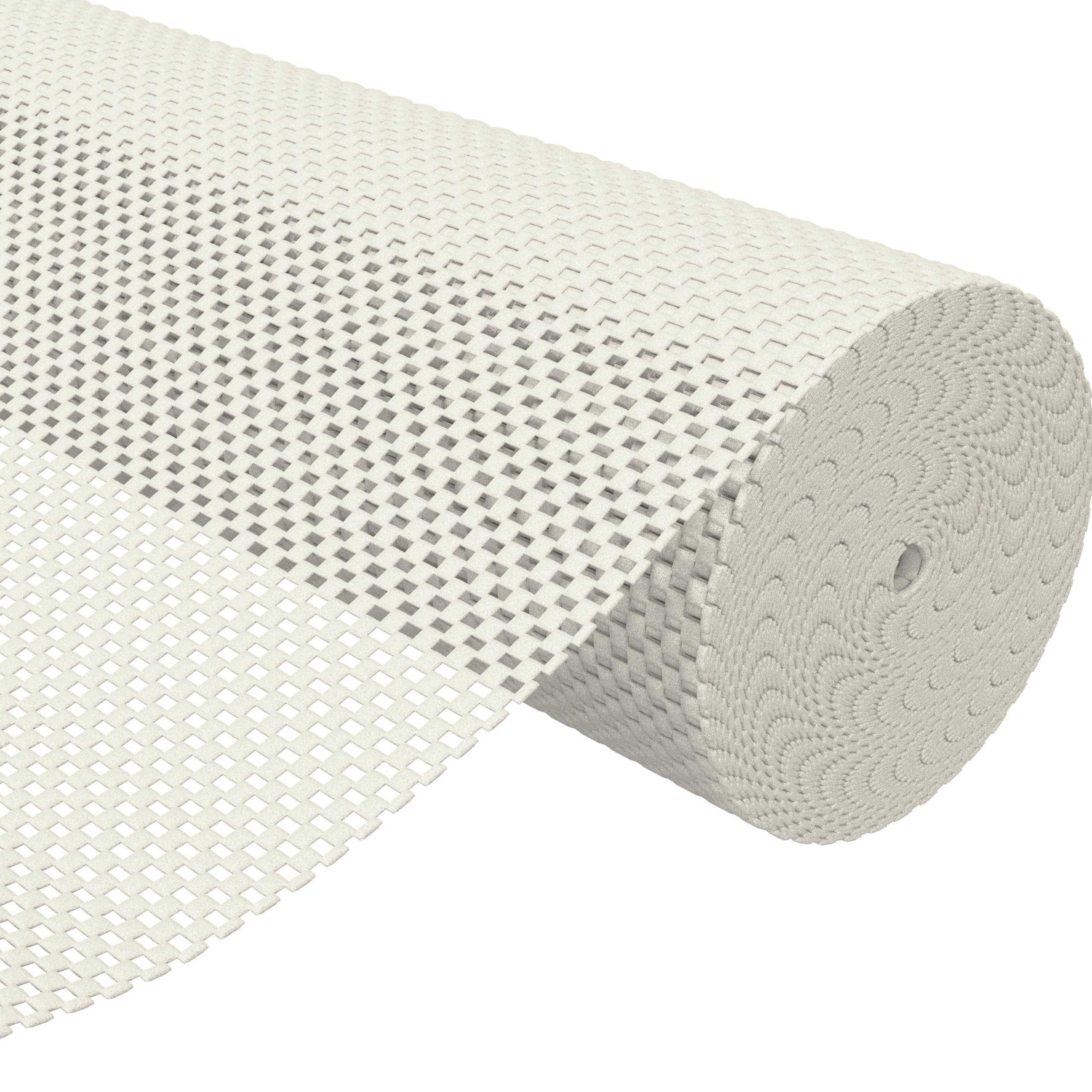
We recommend this large, trim-to-fit roll for adults who need extra rug stability on hard floors without adding much height.
Pros
- Covers large rugs and runners
- Cuts easily for a custom fit
- Installs without glue, tape, or Velcro
Cons
- Adds little cushioning
- May need occasional repositioning
- Some users report a strong opening odor
We found the 2-by-60-foot roll useful for covering several rugs, entry runners, or small areas beneath furniture. The PVC foam sits fairly flat, so it does not create a bulky edge that could catch a foot or mobility aid.
Cutting the material with regular scissors made fitting simple. We placed it under a rug, smoothed out the liner, and noticed less sliding on hardwood and other smooth surfaces. It also helped reduce wrinkles, though some movement remained on certain vinyl floors.
This liner focuses on grip rather than softness. It will not provide the cushioning of a thick rug pad, but its low profile works well when stable footing matters more than comfort. We would check the rug edges after installation and clean the pad as directed with spot cleaning.
Buying Guide
We should choose a non-slip rug based on the user’s mobility needs, room layout, and floor type. A rug should stay flat, resist movement, and allow walkers, wheelchairs, and feet to pass over it safely.
| Feature | What we should look for |
|---|---|
| Backing | A rubber or latex-free non-slip backing that suits the floor |
| Low pile | A short, firm surface that reduces catching and rolling |
| Edges | Flat, finished edges that do not curl upward |
| Size | Enough coverage without reaching into doorways or blocking paths |
| Cleaning | Washable or easy to clean, with instructions that match our needs |
| Surface grip | A stable texture that does not become slick when damp |
We should measure the area before buying. Keep rugs away from thresholds, stairs, and narrow walking routes unless they fit securely without creating a raised edge.
Check whether the backing works with hardwood, tile, vinyl, or carpet. Some materials may stain floors, leave residue, or work poorly on certain surfaces, so we should follow the care and floor-compatibility instructions.
We should avoid loose mats, thick shag, fringe, and lightweight rugs that bunch easily. If we use a rug pad, we should select one designed to prevent movement and confirm that it fits the rug without extending beyond its edges.
For adults who use mobility aids, we should test whether wheels and walker tips move smoothly across the rug. We should also inspect the rug often for curled edges, worn backing, moisture, or shifting.
Editor’s Choice
We choose the Gorilla Grip Original Area Rug for its strong non-slip backing, soft surface, and wide range of sizes. Its low pile can make walking, turning, and moving mobility aids easier than a thick, high-pile rug.
We look for these features when choosing a rug for disabled adults:
- Secure backing: Helps limit sliding on smooth floors.
- Low profile: Reduces the chance of catching a toe, cane, walker, or wheelchair footrest.
- Soft, bound edges: May lower the risk of curled or raised corners.
- Washable materials: Make cleaning spills and daily dirt simpler.
We still recommend placing the rug on a clean, dry floor and checking its edges often. A non-slip rug can move if the floor is dusty, wet, or uneven. For extra stability, we may pair it with a rug pad designed for the specific floor type.
| Feature | Why it matters |
|---|---|
| Low pile | Supports smoother movement |
| Rubber or latex backing | Helps reduce sliding |
| Bound edges | Limits fraying and curling |
| Machine-washable design | Simplifies maintenance |
Conclusion
We should choose non-slip rugs that match the user’s mobility needs, room layout, and cleaning routine. A secure backing, low pile, and beveled edges can help reduce sliding and tripping risks.
We should also check that the rug stays flat on the floor. Rug pads, carpet tape, and regular inspections can provide added stability, but they should not block doors or create raised edges.
Before buying, we can compare these key features:
- Strong, non-slip backing
- Low or flat pile
- Smooth, finished edges
- Easy cleaning
- A suitable size for the space
- Good grip on the existing floor
We should replace any rug that curls, shifts, tears, or loses its grip. When needed, an occupational therapist or another qualified professional can help us assess the home and choose safer floor coverings.
FAQs
What makes a rug safer for disabled adults?
We look for a low-pile rug with a firm, non-slip backing. It should lie flat, have secure edges, and avoid loose tassels that can catch mobility aids or shoes.
Do we still need rug tape or a pad?
Yes, if the rug shifts on the floor. We should use a non-slip rug pad or tape that matches the floor type. We also check the rug often because pads can move or wear out.
Which rug thickness works best with walkers or wheelchairs?
We usually choose a thin, low-pile rug with a gentle edge. Thick, plush rugs can make rolling and turning harder. We should test the rug with the mobility aid before regular use.
How do we prevent curled corners?
We can place the rug flat for several hours, use corner grips, or secure the edges with suitable tape. We should replace rugs that keep curling or develop damaged edges.
Are washable rugs a good choice?
They can help us manage spills and stains, but we must check that the backing stays flat after washing. We should dry the rug fully before placing it back on the floor.
What features should we avoid?
- Loose fringe or tassels
- High or uneven pile
- Smooth backing without a secure pad
- Small rugs that move easily
- Dark patterns that hide changes in floor height or spilled liquids
