
10 Best Smart Watches for Seniors: Top Features and Picks


HOMLAND Shower Chair with Padded Armrests and Back

HOMLAND Toilet Seat Riser for Seniors with Adjustable Height

Non Slip Bath Tub and Shower Mat 40 x 16 Inch Extra Large
Smartwatches can help older adults stay connected, track activity, and monitor health from their wrists. Many models offer fall detection, emergency alerts, medication reminders, heart-rate tracking, and large displays that make daily tasks easier. They can also reduce the need to reach for a phone to check messages or answer calls.
When choosing a smartwatch for a senior, we focus on ease of use, screen readability, comfort, battery life, and useful safety features. The best smartwatch for a senior should offer clear controls, reliable health and emergency tools, and a comfortable fit without adding unnecessary complexity. We compared the leading options and considered how well each model meets these needs to help us identify the best choices.
Best Smart Watches for Seniors
We selected the best smart watches for seniors based on ease of use, health features, safety tools, battery life, and comfort. Our list includes options for different needs and budgets.
Fajocru V46 Senior Safety Watch
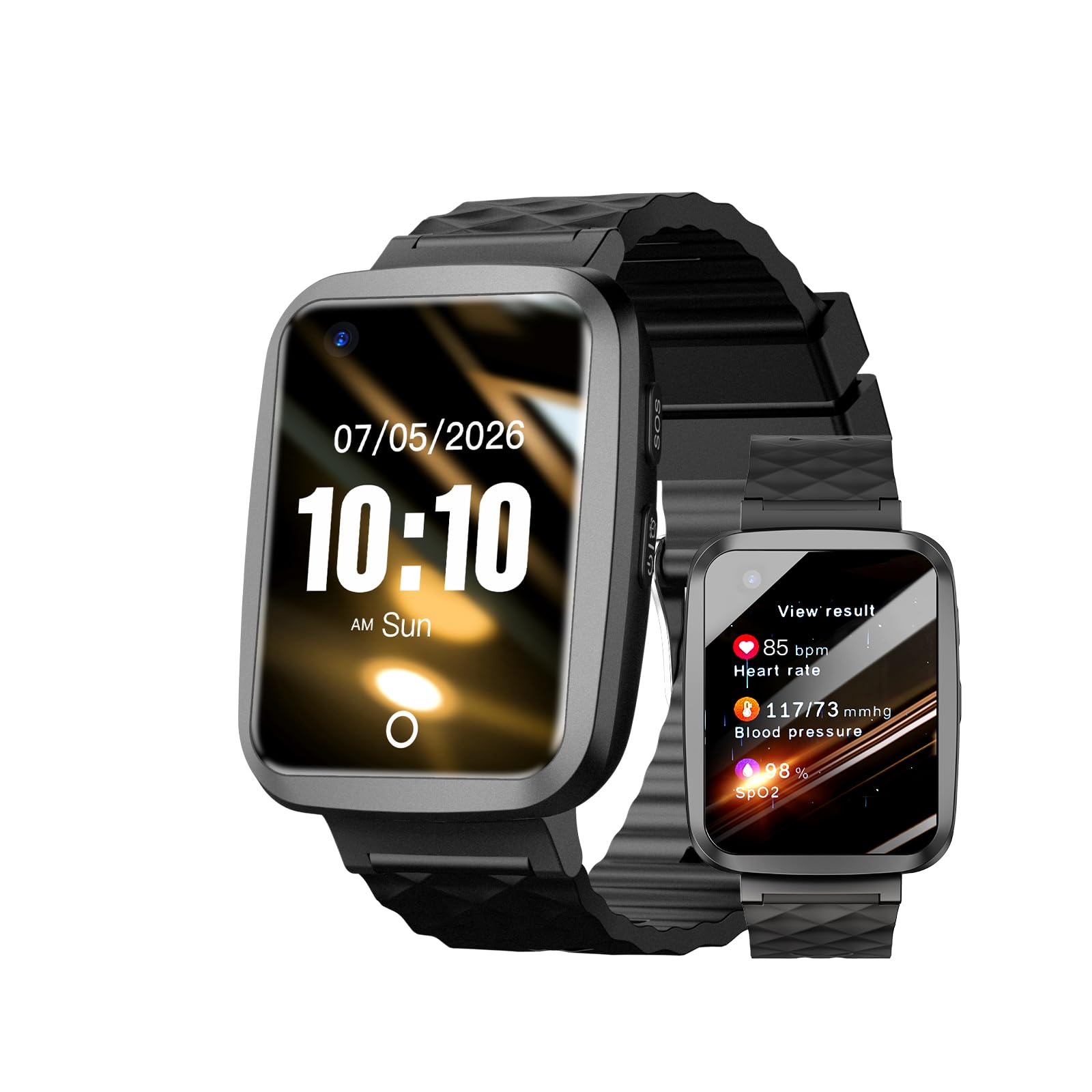
We recommend this watch for families who want GPS tracking, emergency alerts, and voice calls in one device, but setup may require patience.
Pros
- Fall alerts and an SOS button support quick emergency contact.
- GPS tracking and geofencing help caregivers monitor location.
- Large display, voice calls, and magnetic charging suit many older users.
Cons
- Initial setup can feel confusing.
- App instructions may not be clear for every user.
- Health readings should not replace medical equipment.
We found the Fajocru V46 most useful as a safety device rather than a general smartwatch. The fall detection, SOS feature, and location tracking give caregivers several ways to check on a family member who lives alone or may wander.
The two-way voice feature lets the wearer call family without carrying a separate phone. The large screen and simple touch controls make basic tasks manageable, although some users may need help learning the menus and connecting the watch to the app.
GPS and geofencing add useful peace of mind for people with memory concerns. We would still test the alerts and location updates before relying on them, since the watch needs proper setup and cellular service to work as intended.
The watch also tracks steps and offers heart rate, blood pressure, and blood oxygen readings. We would treat these as general reference points, not clinical measurements. Its IP67 water resistance should handle rain and hand washing, but we would avoid swimming with it.
Customer feedback is mixed. Several buyers praised the safety features, battery life, and responsive support, while others reported setup problems or confusing instructions. Families should plan time for installation and confirm that the watch works with their network before daily use.
DAVIKO Senior-Friendly Pedometer Watch
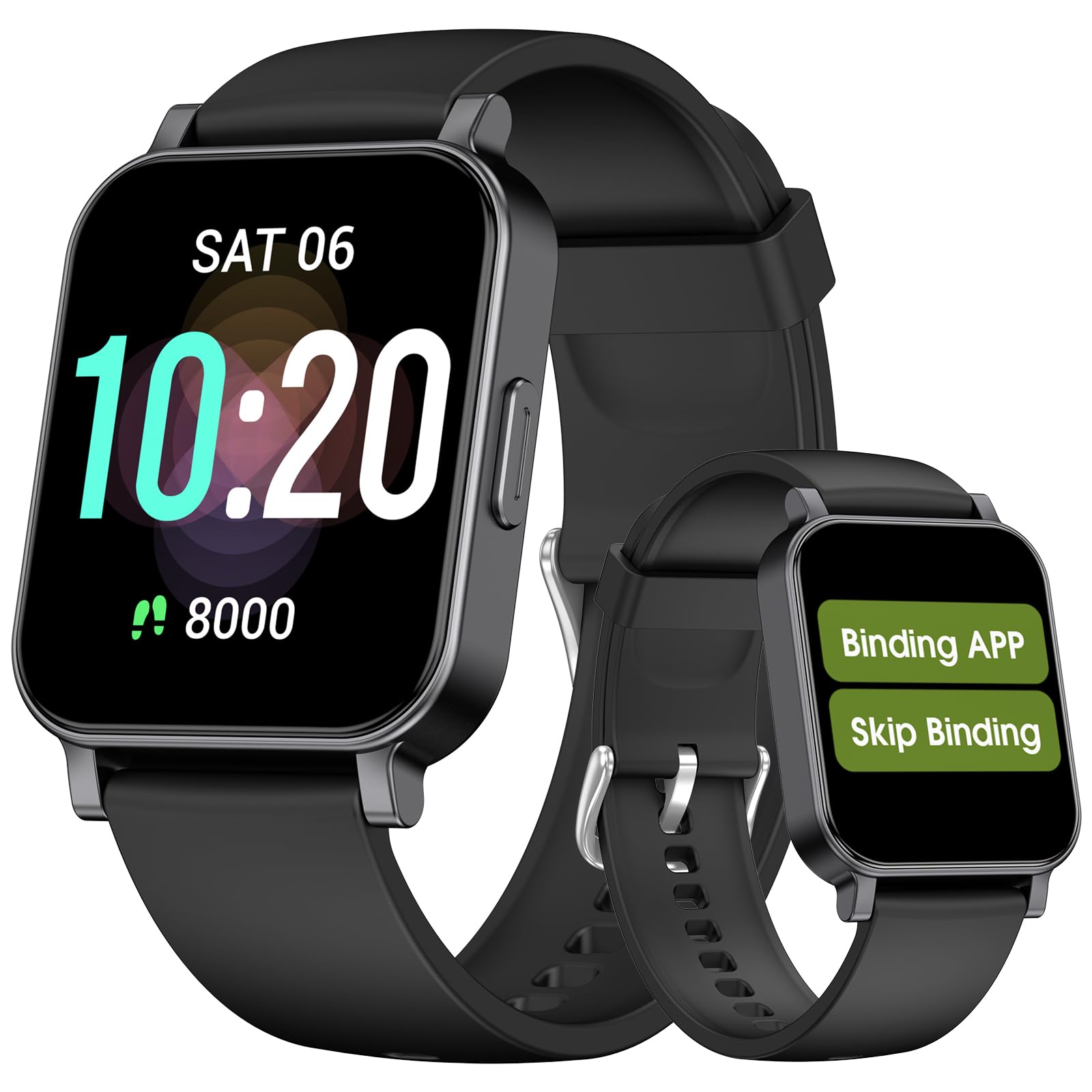
We recommend this watch for seniors who want simple step and activity tracking without needing a smartphone.
Pros
- Works in a basic mode without an app or phone
- Large color touchscreen with clear activity data
- Long battery life and simple magnetic charging
Cons
- No GPS for tracking walks
- Health readings should not replace medical devices
- Some users may find the wide band uncomfortable
We found the DAVIKO easy to read during walks, with steps, distance, calories, and activity time shown directly on the watch. The large display also makes the alarm, stopwatch, and other controls easier to access.
Its no-phone mode suits people who want fewer setup steps. However, users who connect it to a phone may need to manage extra app settings, so we would keep the setup simple unless phone features are important.
The watch also tracks sleep and offers heart-rate and blood-oxygen readings. We would treat these as general wellness estimates, not medical measurements. Its battery can last up to seven days, and the waterproof design supports everyday use near water. There is no GPS, so it cannot map walks on its own.
Samsung Galaxy Watch7

We recommend the Galaxy Watch7 for seniors who use an Android phone, especially a Samsung Galaxy model, and want strong health and activity tracking.
Pros
- Clear, bright display with a lightweight feel
- Helpful heart, sleep, and activity tracking
- Easy access to calls, texts, and notifications
Cons
- Battery usually needs daily charging
- Some health features require a Samsung phone
- The small 40mm screen may feel cramped for some users
We found the watch comfortable enough for all-day wear, and its slim design did not feel bulky on the wrist. The bright screen made menus and notifications easy to read, while the touchscreen responded quickly to taps and swipes.
Health tracking stands out as the main benefit. We could review heart rate, sleep patterns, activity, and daily readiness in Samsung Health. The Energy Score and Wellness Tips offer simple guidance, but we would treat these tools as general wellness aids rather than medical advice.
The watch also handles everyday tasks well. We could check messages, answer calls, and view reminders without reaching for a phone. Samsung phone users will get the smoothest setup and the broadest access to its features.
Daily charging remains the main drawback. We found it easiest to charge the watch during a shower or another short break, but that routine may be inconvenient for users who want longer battery life. The sleep apnea feature also requires a compatible Samsung phone and should not replace professional care.
August Audar E2 Senior Smartwatch
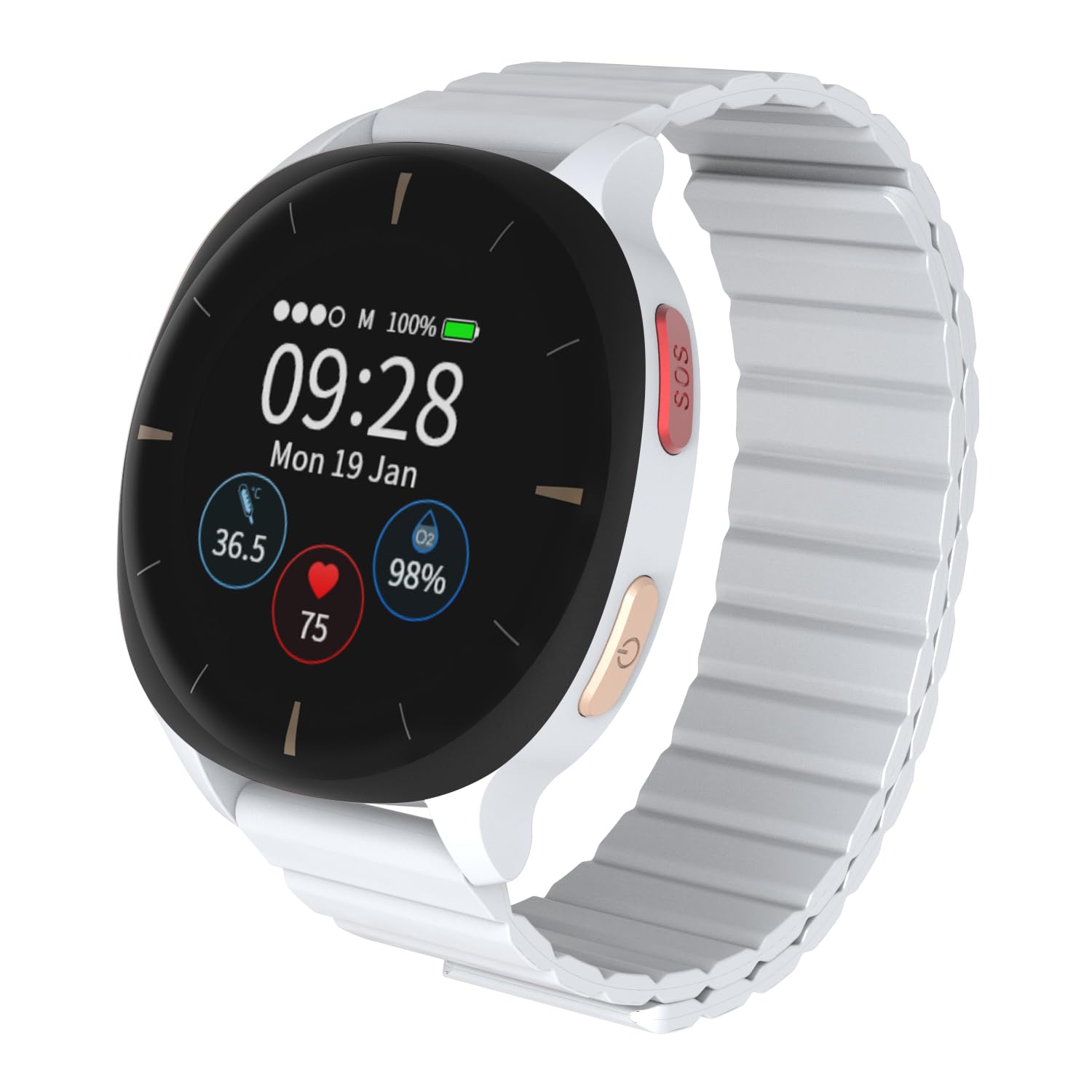
We recommend the Audar E2 for seniors who need remote health tracking and alerts without carrying a smartphone.
Pros
- Built-in cellular service, GPS, fall alerts, and SOS button
- Remote access for family members and caregivers
- Long battery life with a simple, lightweight design
Cons
- SOS alerts cannot contact 911 directly
- Some text and setup instructions may feel difficult to read
- Extra fees apply to some SMS, voice, and wellbeing services
We found the Audar E2 useful for checking health trends from a distance. The watch records heart rate, blood pressure, blood oxygen, and temperature, while its online platform lets caregivers review the data and adjust settings remotely.
The fall detection and panic button add useful safety features. However, alerts go to selected contacts rather than public emergency services, so families must set up reliable recipients before use.
We liked that the watch works without a phone, app, Wi-Fi, or Bluetooth. Its magnetic strap made it easy to put on, and the battery lasted well during regular testing. Still, some owners report false alerts, charging concerns, and confusing setup guidance.
Health readings should support, not replace, professional medical advice. We would choose this model for families who value remote monitoring and can manage its alert settings and service fees.
Garmin vívoactive 5

We recommend the Garmin vívoactive 5 for seniors who want clear health tracking, long battery life, and useful fitness tools without charging every night.
Pros
- Bright, easy-to-read AMOLED screen
- Long battery life between charges
- Detailed sleep, activity, and recovery tracking
Cons
- Many features require a smartphone
- Health readings are estimates, not medical results
- Some menus may take time to learn
We found the display bright and readable during daily use. The touchscreen and side buttons made it simple to check the time, activity data, and notifications. Its light design also felt comfortable for all-day and overnight wear.
The watch helped us follow sleep, naps, stress, heart rate, and daily movement in one place. Body Battery added a simple way to understand when we felt ready for activity or needed more rest. These readings can guide daily habits, but they should not replace medical advice.
Battery life stood out during use. We could go several days without reaching for the charger, which suits users who prefer a low-maintenance watch. The built-in GPS and activity modes also worked well for walks, cycling, swimming, and other exercise.
Smartphone pairing unlocks texts, emails, music, Garmin Pay, and other features. Seniors who want a basic watch may find the many health and fitness tools more than they need, while active users may appreciate the broader controls and training guidance.
AEAC Smart Watch for Seniors

We recommend this affordable watch for seniors who want clear notifications, Bluetooth calls, and basic health tracking without a complex setup.
Pros
- Large, bright screen with smooth scrolling
- Calls, notifications, reminders, and fitness tools
- Long battery life and two included bands
Cons
- Cannot reply to messages from the watch
- Health readings may not always be precise
- Some features require a smartphone connection
The 1.85-inch screen made it easy for us to read the time, notifications, and menu options. We also liked the option to use a family photo or another personal image as the watch face.
Bluetooth calling worked well for short conversations, and the watch showed incoming app and text alerts. We could not reply to messages from the watch, so users who need two-way messaging will need to use their phone.
Health tools cover heart rate, sleep, blood oxygen, stress, steps, and other activity data. We found these features useful for general awareness, but we would not use them for medical decisions because consumer watch readings can vary.
The watch also includes reminders for water, movement, and other daily tasks. Its simple fitness tools, weather display, music controls, and camera shutter add useful extras without requiring a premium smartwatch.
Tensky Smart Watch
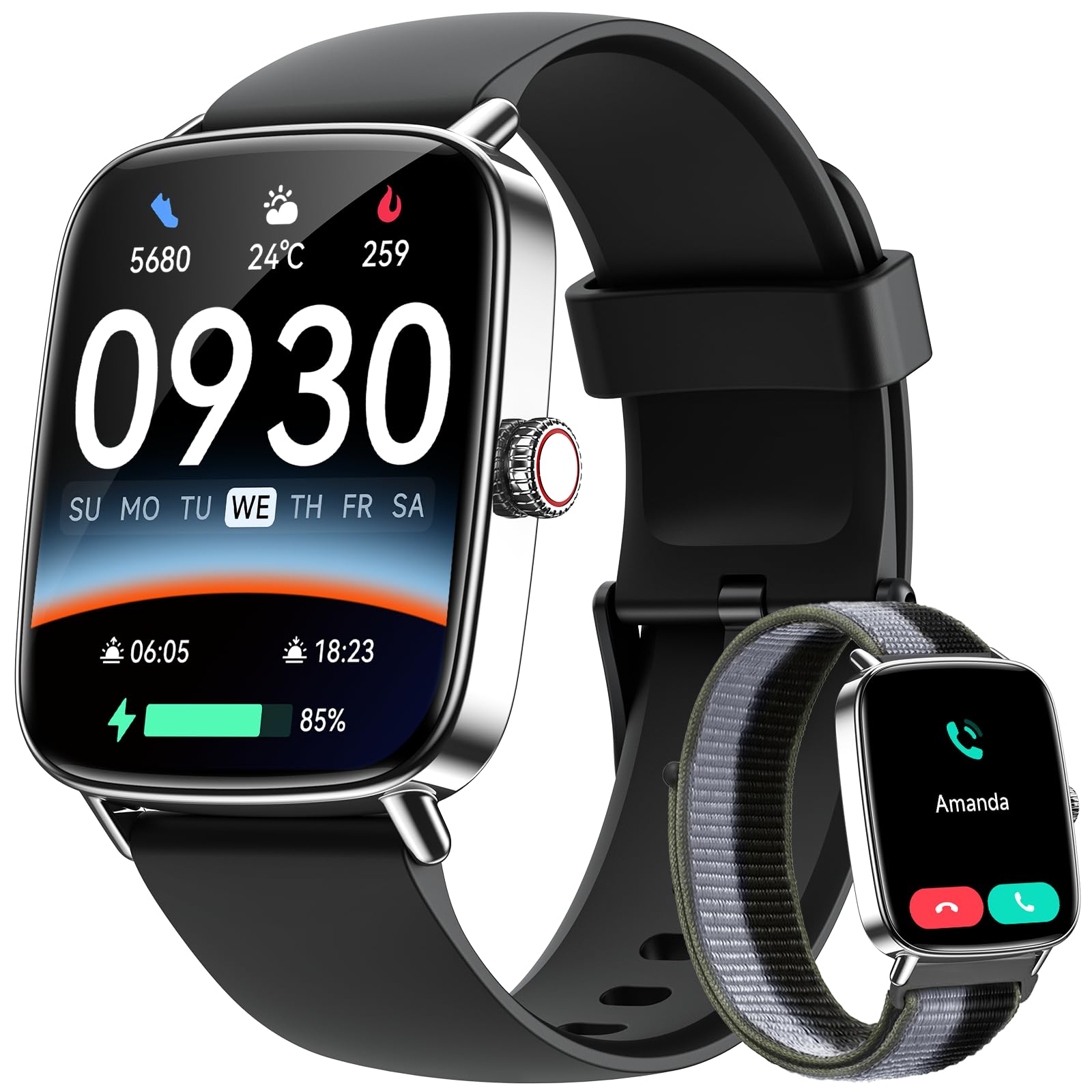
We recommend this watch for seniors who want a large, bright screen, simple health tracking, and convenient call alerts without frequent charging.
Pros
- Large AMOLED display is easy to read
- Calls and phone alerts appear on the wrist
- Battery lasts several days between charges
Cons
- It needs a smartphone for GPS
- Health readings are for general tracking, not diagnosis
- The many features may take time to learn
The bright 1.85-inch screen makes the time, steps, and alerts easy for us to see. Touch controls respond smoothly, and the watch feels approachable after a short setup. We also like having several watch-face choices without making the display harder to read.
Bluetooth calling worked well during daily use when the watch stayed near the phone. We could answer or reject calls from the wrist, while messages and app alerts helped us avoid checking the phone as often. The watch does not replace a phone, since it relies on the connected smartphone for calling and GPS features.
Health tools track steps, heart rate, blood oxygen, sleep, stress, and calories. These readings offer useful daily trends, but we would not use them to make medical decisions. The VeryFit app provides more detail, although some seniors may need help with the first pairing and app permissions.
The battery provides several days of regular use, which reduces charging concerns. Its water resistance suits handwashing, rain, and similar activities, but we would still follow the care instructions before using it for swimming. Overall, this Tensky model fits seniors who want broad features at a moderate price, provided they are comfortable using a smartphone app.
AEAC Smart Watch

We recommend this watch for seniors who want clear calls, basic health tracking, and a bright screen without charging every day.
Pros
- Bright AMOLED screen with large, clear text
- Built-in call support and voice controls
- Battery can last up to 10 days
Cons
- GPS works through a connected phone
- Health readings are for general tracking, not medical use
- The many features may take time to learn
During our testing, the screen stayed easy to read indoors and outdoors. The round design felt light on the wrist, while the rose-gold finish gave it a polished look. We could also choose from many watch faces and adjust the display to suit our preferences.
Calls came through clearly, and the built-in microphone made short conversations convenient. We also received phone notifications on the watch, which helped us check messages without reaching for our phone. Voice controls added another hands-free option.
Health tools cover heart rate, blood oxygen, stress, sleep, steps, and activity. We found these useful for watching daily patterns, but we would not use them to diagnose or manage a medical condition.
The battery is a strong point for seniors who dislike frequent charging. It takes about two hours to charge and can provide up to 10 days of use, depending on settings and activity.
The watch supports many exercise modes and has 3ATM water resistance. However, phone-connected GPS means we still needed our smartphone for route tracking. Pairing requires the companion app and a compatible Android or iPhone.
DAVIKO Senior-Friendly Pedometer Watch
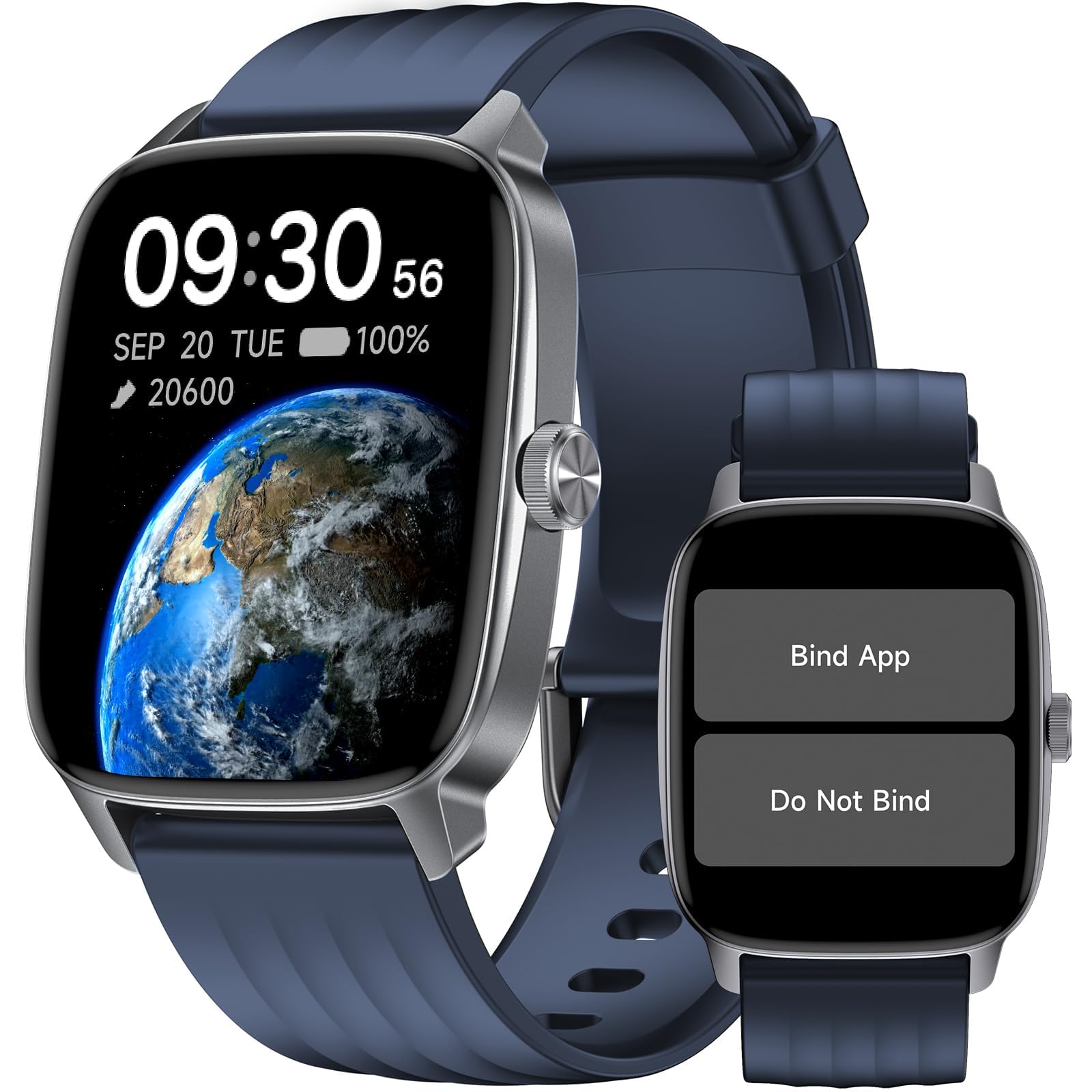
We recommend this watch for seniors who want clear activity and health tracking without needing a phone or app.
Pros
- Works independently for basic tracking
- Large, clear color display
- Comfortable design with up to seven days of battery life
Cons
- Step counts may be inaccurate during slow walks
- Bluetooth cannot be fully disabled
- No built-in GPS
We found the DAVIKO easy to use for everyday tasks. The large display made steps, heart rate, alarms, and other readings simple to check. Basic features such as the pedometer, stopwatch, and activity modes worked without pairing the watch to a smartphone.
The watch also tracks sleep, blood oxygen, stress, calories, and distance. These readings can help us notice general activity patterns, but we would not use them for medical decisions.
When paired with the VeryFit app, the watch adds call and message alerts, weather updates, music controls, and more workout modes. Users who prefer a phone-free setup can skip those extras, though the watch still maintains a Bluetooth connection.
Its waterproof design suits daily wear and light water activities. We would still follow the care instructions and avoid treating it as a medical or swimming-grade device. Overall, the DAVIKO offers a simple, affordable option for seniors who want basic fitness tracking and a readable screen.
Apple Watch Series 11
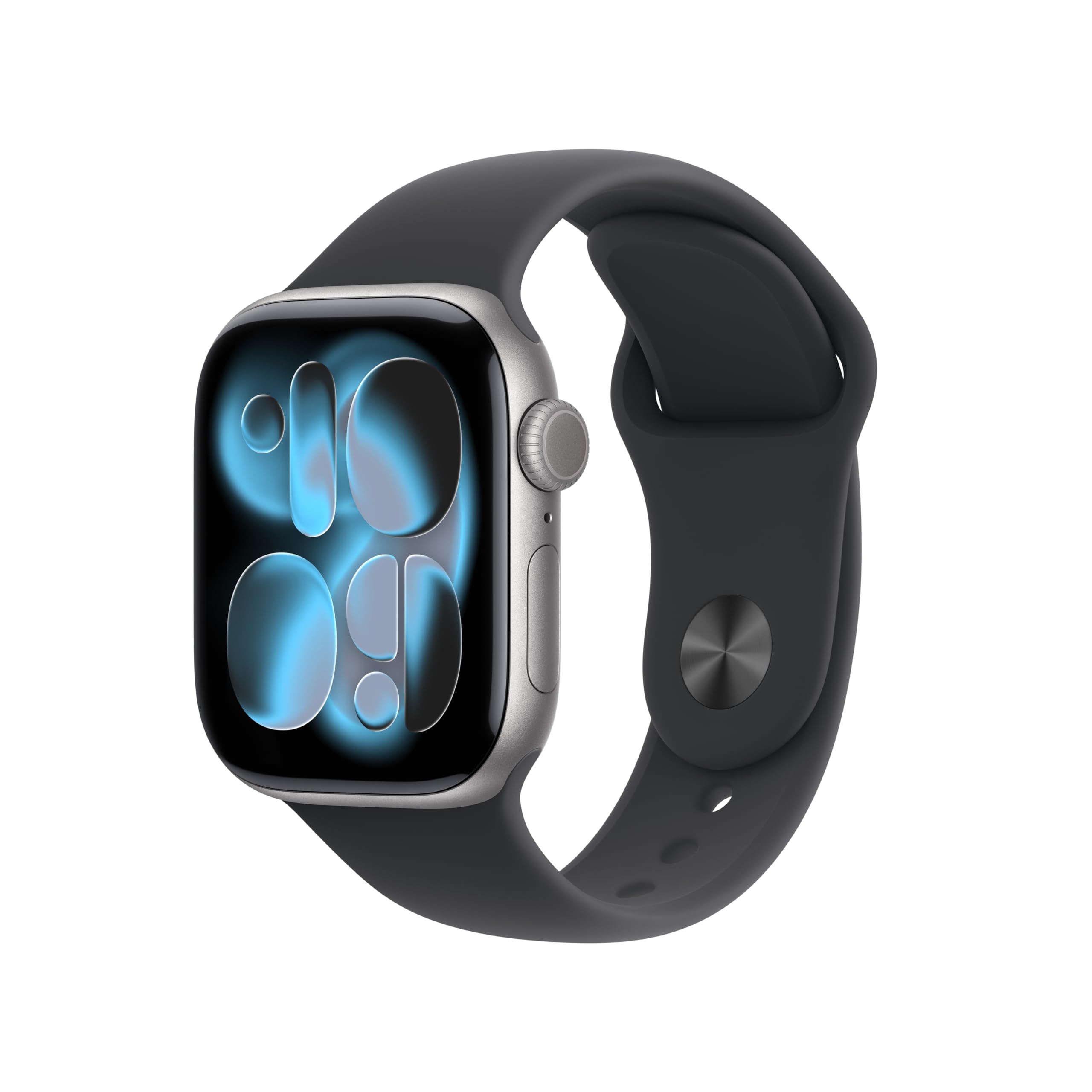
We recommend this watch for seniors with an iPhone who want strong health tracking, safety tools, and reliable daily notifications.
Pros
- Clear health alerts, ECG, and sleep tracking
- Fall detection and emergency support
- Bright, durable display with fast charging
Cons
- Works best with an iPhone
- Requires daily or near-daily charging
- Some health features may need setup and medical follow-up
We found the Apple Watch Series 11 comfortable enough for all-day wear, including sleep tracking. The display stayed easy to read, and the Digital Crown made it simple to move through alerts, health data, and messages.
Health tools stand out for older adults. We could check heart readings, view sleep patterns, and receive alerts for unusual heart activity. These features can support better awareness, but they do not replace advice from a doctor.
Safety features add useful peace of mind. Fall Detection, Crash Detection, and Emergency SOS can contact help when needed. We also liked the option to share location or arrival updates with a trusted contact.
The main drawback is its Apple-only compatibility. Battery life lasts up to about a day with normal use, so we needed to charge it regularly. Seniors who use Android phones should choose a different watch.
Buying Guide
We should start with the senior’s main needs. A watch for daily fitness tracking may need different features than one for emergency support, medication reminders, or staying in touch with family.
| Feature | What to look for |
|---|---|
| Ease of use | A bright screen, large text, clear menus, and simple controls |
| Safety | Emergency calling, fall alerts, location sharing, and dependable connectivity |
| Health tracking | Useful measures such as heart rate, steps, sleep, or blood oxygen, when appropriate |
| Battery life | Enough power for daily use, with a charger that is easy to connect |
| Comfort | A light case, soft band, and an adjustable fit |
| Durability | Water resistance and a strong design for regular wear |
| Compatibility | Support for the user’s phone and its operating system |
We should check whether safety features require a phone, cellular service, or a paid plan. We also need to confirm where alerts go and whether a family member or caregiver can receive them.
A simple setup can matter as much as advanced features. We should choose a model with clear instructions, reliable customer support, and an app that the senior or caregiver can use without difficulty.
Before buying, we should review privacy settings and health data controls. We should also consider return policies, warranty coverage, replacement bands, and the cost of any required service plan.
Editor’s Choice
We recommend the Apple Watch SE (2nd generation) for seniors who use an iPhone. It offers fall detection, emergency SOS, heart-rate alerts, and crash detection in a simple design. Family members can also receive selected health and safety alerts with permission.
The watch has a bright display, clear menus, and useful activity tracking. We can choose from several case sizes and band styles, which makes it easier to find a comfortable fit.
| Feature | Apple Watch SE |
|---|---|
| Best for | iPhone users |
| Safety tools | Fall detection and emergency SOS |
| Health tools | Heart-rate alerts and activity tracking |
| Battery life | Up to 18 hours |
| Water resistance | Yes |
We should remember that it requires an iPhone for setup and many features. Cellular models can make calls without a nearby phone, but they require a compatible mobile plan.
Conclusion
We should choose a smartwatch based on the senior’s needs, comfort, and daily habits. A simple design, clear display, long battery life, and reliable health features can make the watch easier to use.
For seniors who need safety support, fall detection, emergency calling, and location sharing may matter most. Those who track fitness or health should check whether the watch works with their phone and supports the features they need.
Before buying, we should also consider:
- Ease of use: Large text, clear menus, and simple controls
- Comfort: A light case and an adjustable band
- Battery life: Fewer charging needs can make daily use easier
- Phone support: The watch must work with the user’s smartphone
- Cost: Include the price of optional cellular service
The best smartwatch is the one the user can wear comfortably and operate with confidence. We should review the features, setup process, and support options before making a purchase.
FAQs
What should we look for in a smartwatch for seniors?
We should prioritize a clear display, simple controls, comfortable fit, long battery life, and reliable health features. Emergency alerts, fall detection, medication reminders, and phone compatibility may also matter.
Are smartwatches easy for seniors to use?
Many models offer large text, touch controls, voice commands, and simplified menus. We should choose a watch with settings that match the user’s comfort with technology.
Do smartwatches need a phone?
Most watches work best with a smartphone for setup, updates, calls, and detailed health reports. Some cellular models can call or message without a phone nearby, but they usually require a monthly plan.
Can a smartwatch detect falls?
Some watches include fall detection and can contact emergency services or chosen contacts after a hard fall. We should check whether the feature works in the user’s country and whether it needs setup or a phone connection.
How accurate are smartwatch health readings?
Smartwatches can track trends such as heart rate, steps, sleep, and blood oxygen. We should not use them to diagnose medical conditions or replace advice from a health professional.
How often do we need to charge a smartwatch?
Battery life varies by model and features. Many watches need charging every one to three days, while simpler models may last longer.