
10 Best Handrails for Small Spaces: Compact and Stylish Options


Reading Light for Bed

Bathtub Transfer Bench

Gardening Kneeler Bench
Handrails can make stairs, steps, and narrow walkways safer, but limited space can make standard models difficult to install. Small-space handrails offer support without taking up much room, making them useful in compact homes, apartments, lofts, and tight outdoor areas.
When choosing one, we focus on the rail’s length, projection from the wall, mounting hardware, and weight capacity. The best handrail for a small space provides a secure grip while leaving enough room for people to pass comfortably. Material and finish also matter because they affect durability, comfort, and maintenance.
We compared handrails designed for tight spaces to find options that balance safety, strength, and a compact design.
Best Handrails for Small Spaces
We selected the best handrails for small spaces based on their size, strength, grip, and ease of installation. Our list includes compact options for stairs, hallways, bathrooms, and other areas with limited room.
SELEWARE 16-Inch Wood Handrail
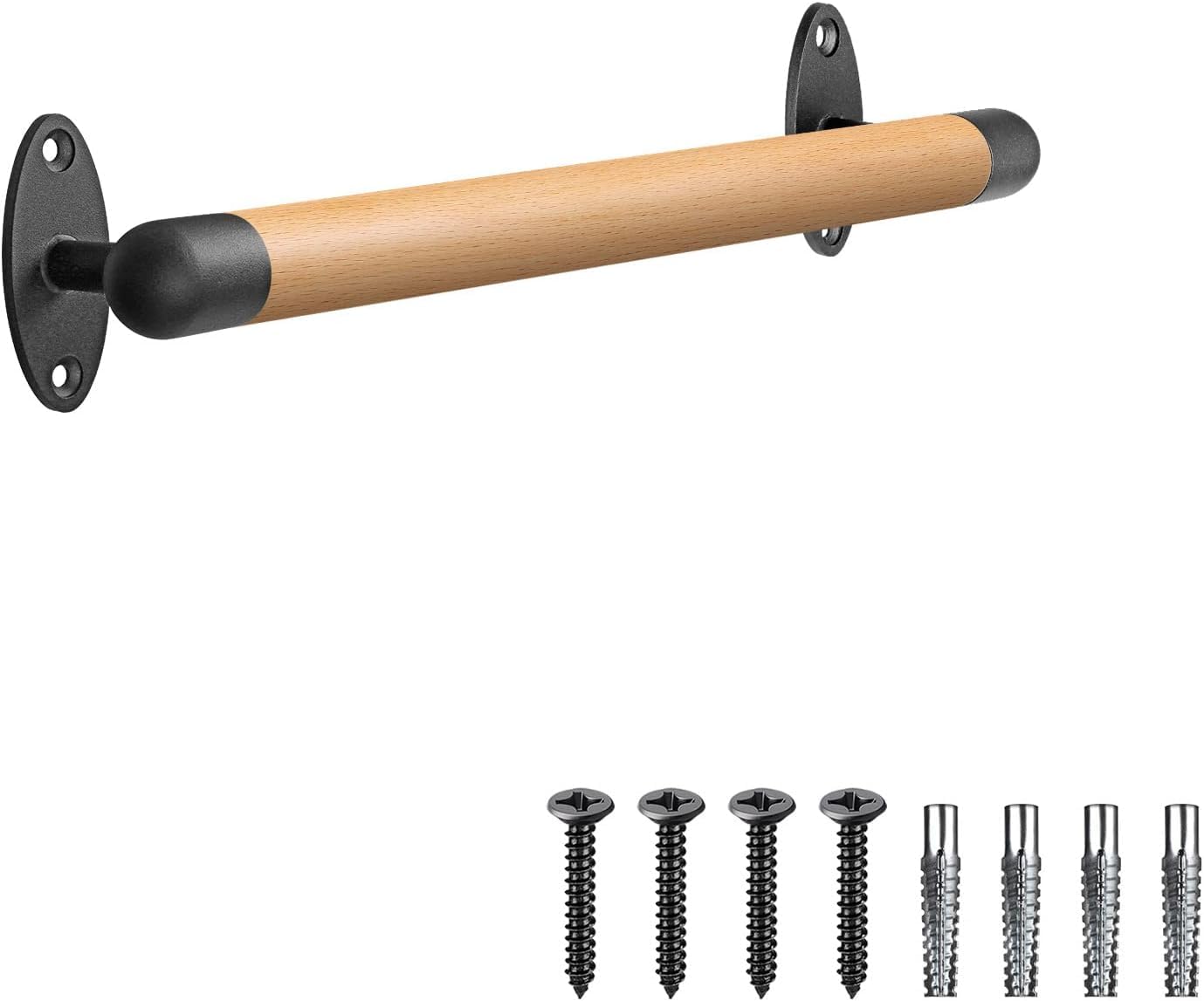
We recommend this compact handrail for small indoor steps because it feels sturdy, looks polished, and takes up little wall space.
Pros
- Smooth beech wood feels comfortable in the hand
- Rounded ends add a safer feel
- Metal brackets come attached for easier setup
Cons
- Its 16-inch length may not cover wider stair areas
- Wall anchors may not suit every surface
- The traditional style may not fit modern rooms
We found the wood comfortable to grip and warmer than metal, especially in cooler weather. Its smooth finish also made it easy to slide our hand along the rail.
The short length works well beside a doorway, narrow staircase, or a few steps. The rounded ends give it a finished look and reduce sharp edges around busy areas.
Installation felt simple because the brackets arrived mounted to the rail. We still needed to choose anchors that matched our wall type, since the included hardware may not work equally well in drywall, masonry, or wood framing.
The SELEWARE handrail supports a firm grip when installed correctly. Its compact design makes it a practical choice for small spaces, but larger stairways may need a longer rail or more than one handrail.
Sahans 12-Inch Metal Handrail

We recommend this compact handrail for narrow stairs, bathrooms, and other areas that need steady support without taking up much wall space.
Pros
- Compact size suits small spaces
- Sturdy metal construction with a rust-resistant finish
- Installation hardware is included
Cons
- Supplied screws may not suit every wall type
- Mounting covers can fit loosely
- One 12-inch rail may provide limited hand support
We found the 12-inch length useful beside a short stair section or near a doorway. Its black powder-coated finish looked clean and matched both indoor and outdoor settings.
The metal rail felt firm during use, and the rounded bar gave us a secure grip. Its small footprint worked well where a longer grab bar would have crowded the wall.
Installation was straightforward with the included hardware. However, we would check the wall structure first and choose stronger screws when mounting into a less secure surface. The attachment covers also did not fit as tightly as the rail itself.
This Sahans handrail can also work in a bathroom, porch, hallway, or beside a deck step. We would buy it for compact areas that need basic support, but larger spaces may benefit from a longer rail or multiple handrails.
Sahans 16-Inch Wall-Mount Handrail

We recommend this compact rail for adding steady support beside one or two indoor or outdoor steps without taking up much space.
Pros
- Compact U-shaped design
- Sturdy metal construction
- Simple wall-mount installation
Cons
- Best suited to only one or two steps
- Included screws may need an upgrade
- Concrete or brick mounting requires suitable tools
We found the 1-inch grip comfortable to hold, and the short design stayed clear of the walkway. It gave us useful support near a garage entry without making the area feel crowded.
The black powder-coated finish suits both indoor and outdoor locations. The welded base felt solid during use, while the six-screw mounting plate helped keep the rail steady after installation.
Installation was quick with an electric drill and screwdriver. The included anchors worked for masonry, but some users reported that the supplied screws could snap, so we would choose stronger hardware when mounting into a demanding surface.
This rail fits small spaces well, but it does not replace a longer handrail for a full staircase. We would choose it for a garage, porch, doorway, or garden steps where users need support over a short rise.
Dovov 3-Step Outdoor Handrail

We recommend this handrail for small outdoor stairways because it offers a sturdy grip, flexible mounting options, and a compact design.
Pros
- Supports vertical or horizontal installation
- Solid iron frame with a weather-resistant finish
- Includes anchors, screws, and an installation wrench
Cons
- Included anchors may not suit every surface
- Drilling requires an 8 mm bit and 85 mm depth
- The metal feels lighter than some heavy-duty rails
We found the rail easy to handle during setup, and the curved grip felt comfortable when climbing or descending. Its black finish also blends well with most porches, garden steps, and entryways.
The rail works on concrete, brick, wood, and composite surfaces, but the included hardware may not fit each one equally well. For wood steps, we would use strong wood screws instead of the supplied concrete anchors.
The adjustable angle helps it fit stairways with two to five steps. Before drilling, we would measure the stair count and hole depth carefully. Once secured with suitable hardware, the rail provides steady support without taking up much space.
Sahans 16-Inch U-Shaped Handrail
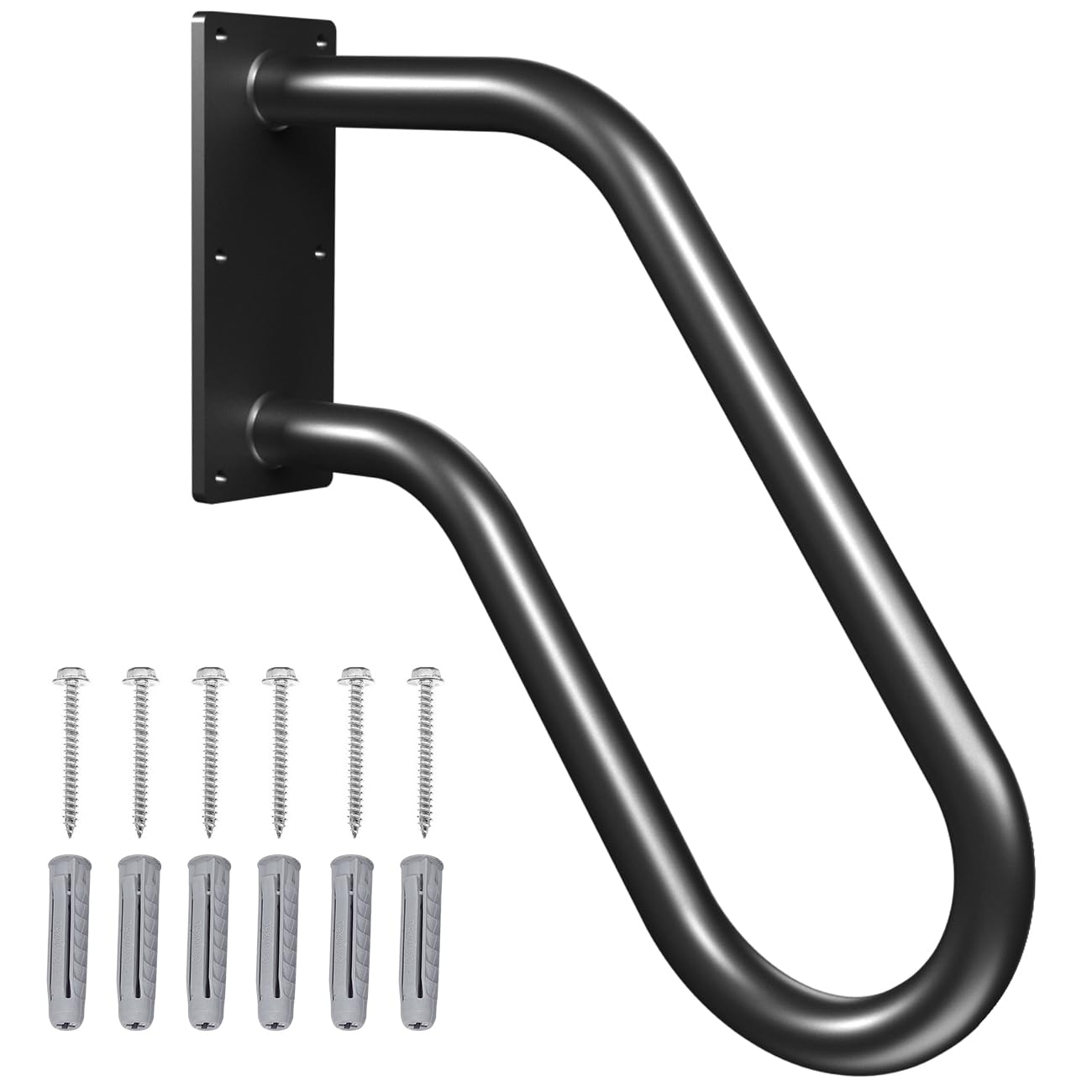
We recommend this compact handrail for adding steady support beside one to three steps in a garage, porch, entryway, or garden.
Pros
- Compact size fits small spaces
- Strong metal grip with a smooth finish
- Includes mounting hardware
Cons
- Short length suits only a few steps
- Included anchors may not fit every wall type
- Black finish may not match every setting
We found the 16-inch length useful beside a garage doorway and other tight entry points. It provides a firm handhold without taking up much wall space. The U-shaped design also gives us room to grip from different angles.
The metal construction feels solid, and the welded joints look clean. Its powder-coated black finish suits most outdoor areas and should help resist surface rust, though we would still check the mounting area from time to time.
Installation was straightforward on a suitable wall. The package includes screws and plastic expansion tubes for concrete or brick, but we would choose different anchors when mounting to wood, studs, or another wall material.
This rail works best when we need support for one or two steps rather than a long staircase. Its compact design makes it a practical choice for older adults, children, or anyone who wants extra balance in a narrow space.
Metty Metal 3-Step Handrail

We recommend this handrail for small porches, garage steps, and entryways because it offers solid support while fitting in a compact space.
Pros
- Adjustable angle supports different step layouts
- Smooth, comfortable grip
- Includes installation hardware
Cons
- Assembly may require careful alignment
- Paint can chip during installation
- Some users report missing parts or loose connections
We found the angle adjustment useful when fitting the rail to a short set of steps. It helped us avoid cutting or reshaping the rail, which made the setup more convenient in a tight area.
The black finish gives it a simple, clean look, and the rounded rail felt comfortable in our hands. Its metal construction also provided firm support on outdoor steps. The coating should help with rain and light winter exposure, but we would still check the finish for chips after installation.
Installation was manageable with the included hardware, though we needed to pay close attention to alignment. The rail can work on wood or masonry, but the correct drill bit and anchors matter. We would inspect every connection before use, especially if someone will place heavy weight on it.
WIPHANY U-Shaped Grab Handrail
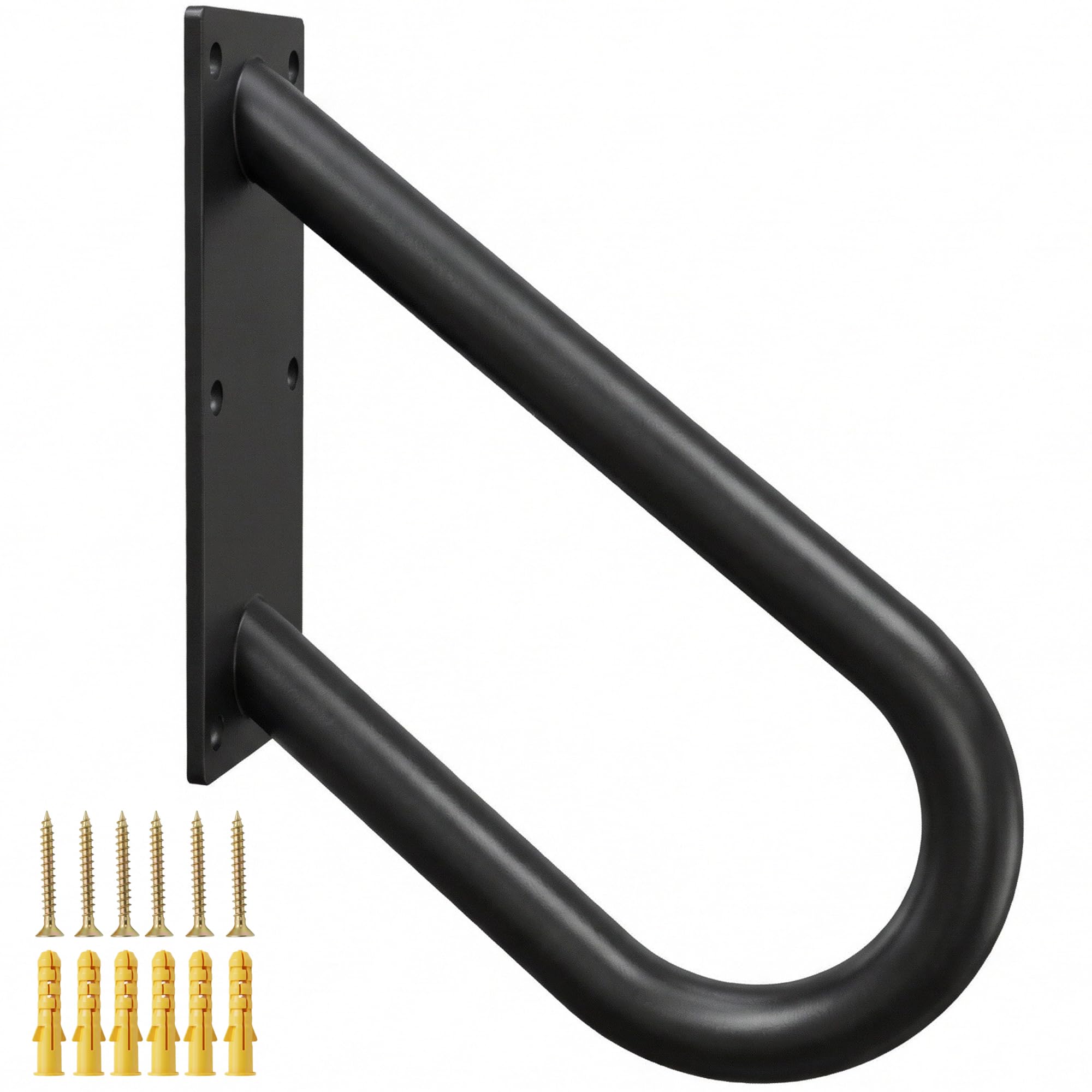
We recommend this compact handrail for short steps because it offers a sturdy grip without crowding a small entryway.
Pros
- Compact design suits one or two steps
- Comfortable, rounded metal grip
- Works indoors and outdoors
Cons
- Included screws may break during installation
- Not suitable for full staircases
- Wall anchors must match the mounting surface
We found the 15.7-inch length useful beside a garage door and on a small porch. It gives us a clear handhold without extending far into the walking area. The rounded grip also feels comfortable when stepping up or down.
The matte black finish looks simple against wood, concrete, brick, and painted walls. Its steel frame feels solid after proper installation, especially when we attach it to studs or use fasteners made for the wall material.
Installation is straightforward, but we would not rely on the included screws for every surface. Several users reported that they broke, so we recommend choosing stronger replacement screws when needed. We also suggest checking the wall structure and size diagram before buying.
This handrail works best as a support for short height changes. It should not replace a longer stair railing, but it provides practical assistance in tight spaces.
BORuner Adjustable Wall-Mount Handrail
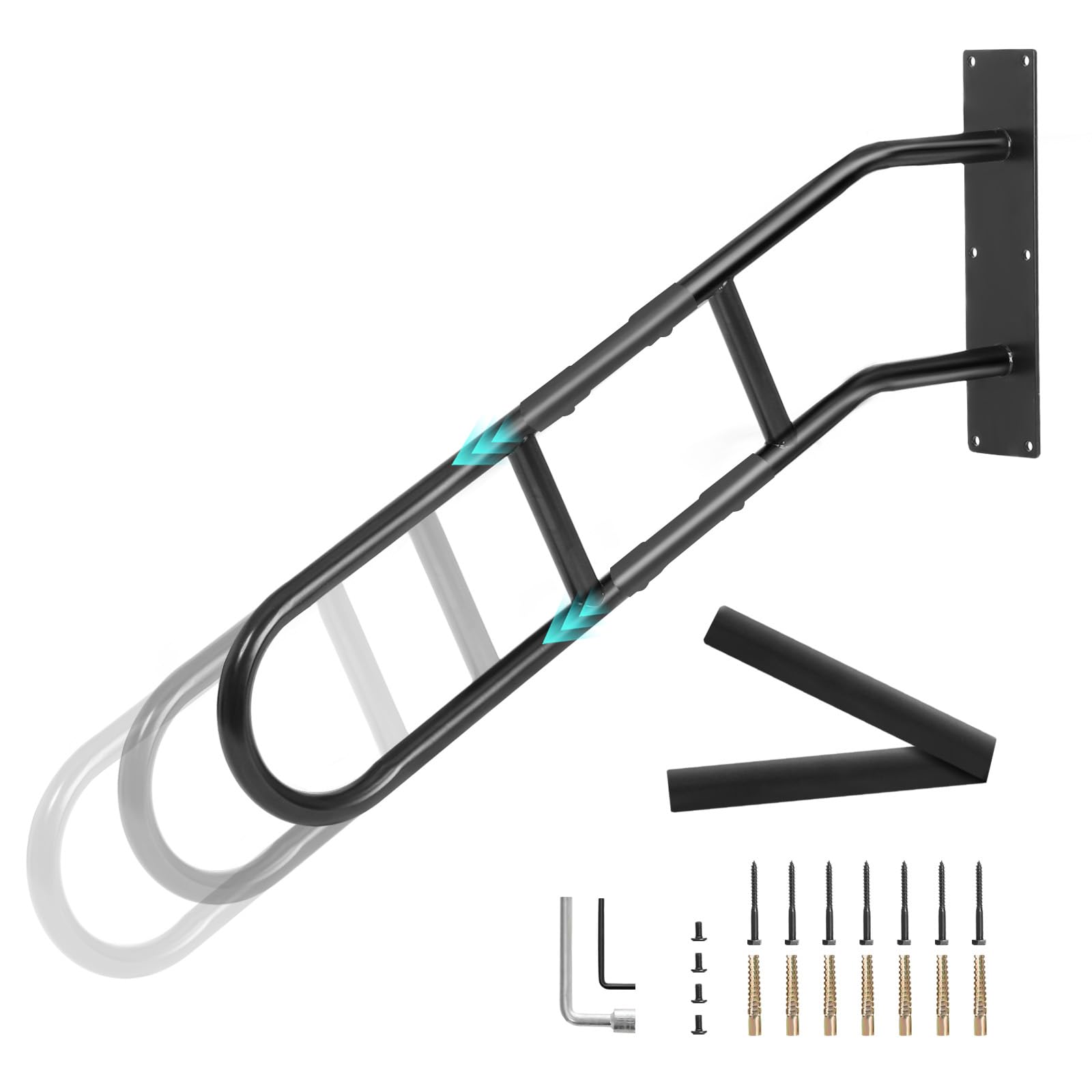
We recommend this handrail for small stair areas because its adjustable length fits one to three steps without taking up much wall space.
Pros
- Adjustable length suits short stair runs
- Strong grip and stable wall mount
- Works indoors and outdoors
Cons
- The tube may feel narrow for some users
- Its angle suits stairs better than ramps
- Installation requires careful wall anchoring
We found the three length settings useful when fitting the rail to a compact entryway. The range worked well for a short set of steps, and the U-shaped design gave us a comfortable place to hold while moving up or down.
After mounting, the rail felt sturdy and secure. The included long screws and metal wall plugs helped provide a firm installation, but we still recommend matching the anchors to the wall material before drilling.
The black finish gives the rail a simple industrial look that fits garages, porches, gardens, and indoor stairways. Assembly was straightforward, though we needed to follow the instructions closely to keep the sections aligned.
For very small spaces, this rail offers helpful support without the bulk of a full staircase railing. We would choose it for short steps, but users who prefer a thicker grip or need a ramp rail may want a different design.
HHYCSHTGYP 2-Foot Wood Handrail
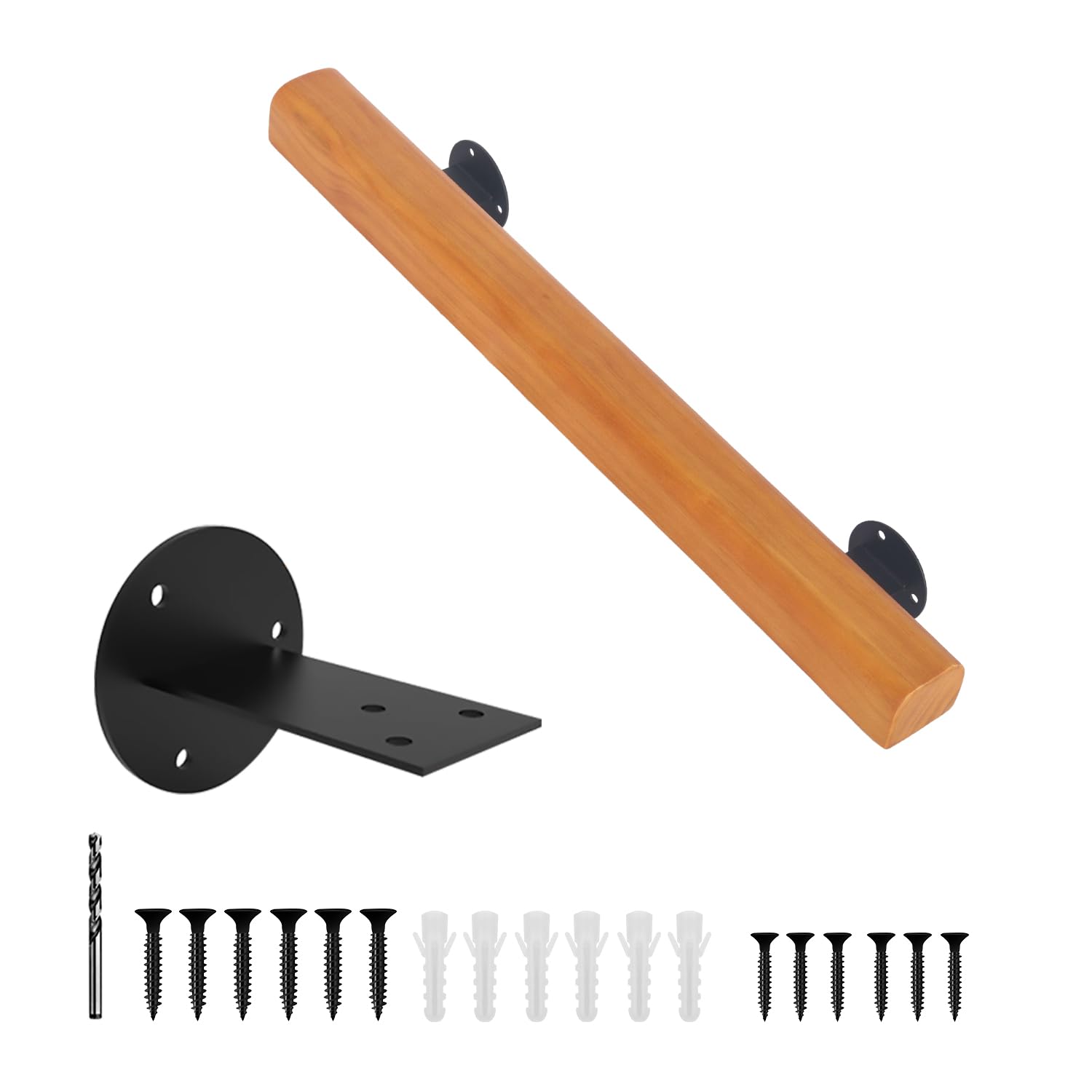
We recommend this compact handrail for indoor steps, hallways, and entryways where a short, sturdy support rail fits best.
Pros
- Smooth wood grip feels comfortable in the hand
- Compact length suits small stair areas
- Adjustable brackets support flexible placement
Cons
- Designed for indoor use only
- Wood may need extra care over time
- Short length covers only a limited area
We found the 2-foot length useful beside a small set of steps. It added support without taking up much wall space, making it a practical choice for narrow areas and short transitions.
The solid wood rail felt smooth and firm during use. Its rounded, U-shaped design gave us a steady grip, while the natural finish worked well with simple indoor decor.
Installation hardware comes with the rail, and the brackets allow some height adjustment. We would still check the wall type and use the proper anchors, especially on concrete or brick.
This handrail works best in dry indoor locations such as hallways, garages, lofts, and stair areas. Since the manufacturer does not recommend outdoor exposure, we would avoid installing it where rain or moisture can reach the wood.
Purife 1-Foot Wood Handrail

We recommend this compact handrail for small stairways because it offers a sturdy grip without taking up much wall space.
Pros
- Smooth beech wood feels comfortable in the hand
- Compact size suits narrow areas
- Includes mounting hardware
Cons
- One foot may not cover longer stair runs
- Wall anchors may not suit every surface
- The wood can mark or scratch if handled roughly
We found the rounded wood bar comfortable to hold, and its short length worked well near a doorway and at the top of a stair landing. The polished finish also gave it a clean look that fit well with traditional and modern interiors.
Installation was simple because the handrail arrives assembled. We only needed to position the brackets, mark the three mounting holes, and secure it to a suitable wall surface. For brick or concrete, we would use anchors and screws made for that material rather than rely only on the included hardware.
The metal brackets felt firm once properly mounted, and the rail did not shift during normal use. Its compact design makes it useful for a small step, landing, loft entrance, or basement stair, but we would choose a longer rail for a full staircase.
Buying Guide
We should measure the space before choosing a handrail. Record the wall length, available clearance, and mounting height. A compact rail should provide steady support without blocking doors, walkways, or nearby fixtures.
| Feature | What to check |
|---|---|
| Length | Choose a rail that fits the wall while leaving room for mounting brackets. |
| Projection | Look for a shallow design when space is limited. |
| Grip | Select a shape and texture that feel secure and comfortable. |
| Mounting | Confirm that the hardware suits the wall material and reaches a solid support. |
| Weight rating | Check the maker’s stated capacity and installation requirements. |
| Materials | Consider moisture resistance, cleaning needs, and durability. |
We should choose a rail with secure brackets and enough space for a full hand grip. Rounded edges can reduce snagging, while a visible finish may help users locate the rail quickly.
Installation affects safety as much as the rail itself. We should follow the included instructions, use suitable anchors, and attach the brackets to studs or other strong structural points whenever possible. For uncertain wall conditions, a qualified installer can help select the correct hardware.
Editor’s Choice
We choose the Franklin Brass 12-Inch Wall-Mounted Grab Bar for small spaces. Its compact length provides steady support without taking up much wall area, making it a practical choice for bathrooms, hallways, and narrow entryways.
The bar uses a wall-mounted design, so it keeps the floor clear and works well beside toilets, tubs, and steps. We recommend checking the mounting instructions and securing it to wall studs or using approved anchors.
| Feature | Why it helps |
|---|---|
| 12-inch length | Fits narrow walls |
| Wall-mounted design | Saves floor space |
| Textured grip | Helps improve hand control |
| Multiple finishes | Matches common home styles |
We should measure the available wall space before buying. We also need to confirm that the product’s weight rating, mounting hardware, and installation method meet our needs.
For homes where a permanent bar is not suitable, we can consider a folding or removable support rail. These options may save space, but they require careful installation and regular checks to ensure they remain secure.
Conclusion
We should choose a handrail that fits the space, supports safe movement, and matches the wall or stairs. Slim wall-mounted rails, fold-down models, and compact corner designs can provide support without blocking narrow walkways.
Before buying, we should measure the available area and check the mounting surface. Secure anchors, a comfortable grip, and suitable height matter more than extra features.
We should also consider the rail’s material and finish. Metal works well for a modern look, while wood can add warmth. In damp areas, we should select a rust-resistant material and follow the manufacturer’s care instructions.
FAQs
What type of handrail works best in a small space?
We recommend a slim, wall-mounted handrail with simple brackets. It provides support without taking up floor space.
How much space should we leave around a handrail?
We should leave about 1½ inches between the rail and the wall so users can grip it comfortably. We also need enough room above and below the rail for a secure handhold.
Which materials suit small areas?
Wood, metal, and coated steel all work well. We should choose a finish that matches the room and resists moisture if we install the rail near a bathroom or entryway.
Can we install a handrail without drilling?
Adhesive-mounted rails may work for light support, but we should not use them where people rely on the rail for balance. For stronger support, we should attach the brackets to wall studs or use suitable wall anchors.
What handrail shape feels most comfortable?
A round or gently rounded rail usually offers the easiest grip. We should avoid sharp edges and rails that feel too thin to hold securely.
How do we make a handrail look less bulky?
We can select a narrow rail, use compact brackets, and match the finish to the wall or nearby fixtures. A continuous rail also creates a cleaner appearance than several separate supports.
