
10 Best Non-Slip Rugs for Caregivers: Safe and Practical Choices


Electric Food Chopper

Memory Foam Seat Cushion
Bed Rail for Seniors
Rugs can make a room safer and more comfortable, but loose edges and slippery backing can create fall risks. For caregivers, a non-slip rug can help protect walkways, bedside areas, kitchens, and other spaces where spills or frequent movement are common.
The best non-slip rugs for caregivers stay flat, resist sliding, absorb spills, and remain easy to clean without creating a tripping hazard. We also look for low-pile designs that allow walkers, wheelchairs, and other mobility aids to move across them with less resistance.
When choosing a rug, we pay close attention to its backing, edge design, size, water resistance, and cleaning instructions. We compared these features across leading options to find rugs that support safer daily care and hold up to regular use.
Best Non-Slip Rugs for Caregivers
We selected the best non-slip rugs for caregivers based on stability, comfort, ease of cleaning, and suitability for busy living spaces. Our list includes options that can help reduce slips while supporting daily care routines.
NYOrtho FALLSHIELD Bedside Mat

We recommend this cushioned bedside mat for caregivers who need broad floor coverage and a low edge around a bed.
Pros
- Thick, impact-absorbing foam
- Textured top and rubber backing
- Beveled edges suit walkers and wheelchairs
Cons
- May shift slightly on some hardwood floors
- Takes time to flatten after unpacking
- Its width may feel limited beside larger beds
We found the mat soft and sturdy underfoot. Its textured surface gave us steady footing, while the beveled edges made it easier to step over or roll a mobility aid across it.
The rubber backing held well on carpet and tile during normal use. On smooth hardwood, we noticed some movement, so we would check its position often and place it carefully beside the bed.
The waterproof surface wipes clean with a dry cloth, which helps with routine caregiving. The mat arrived rolled, and we needed to give it time to lie flat before using it. Its 70-by-24-inch size covers a standard bedside area but may not reach far enough for wider beds.
Made Medical Bedside Fall Mat
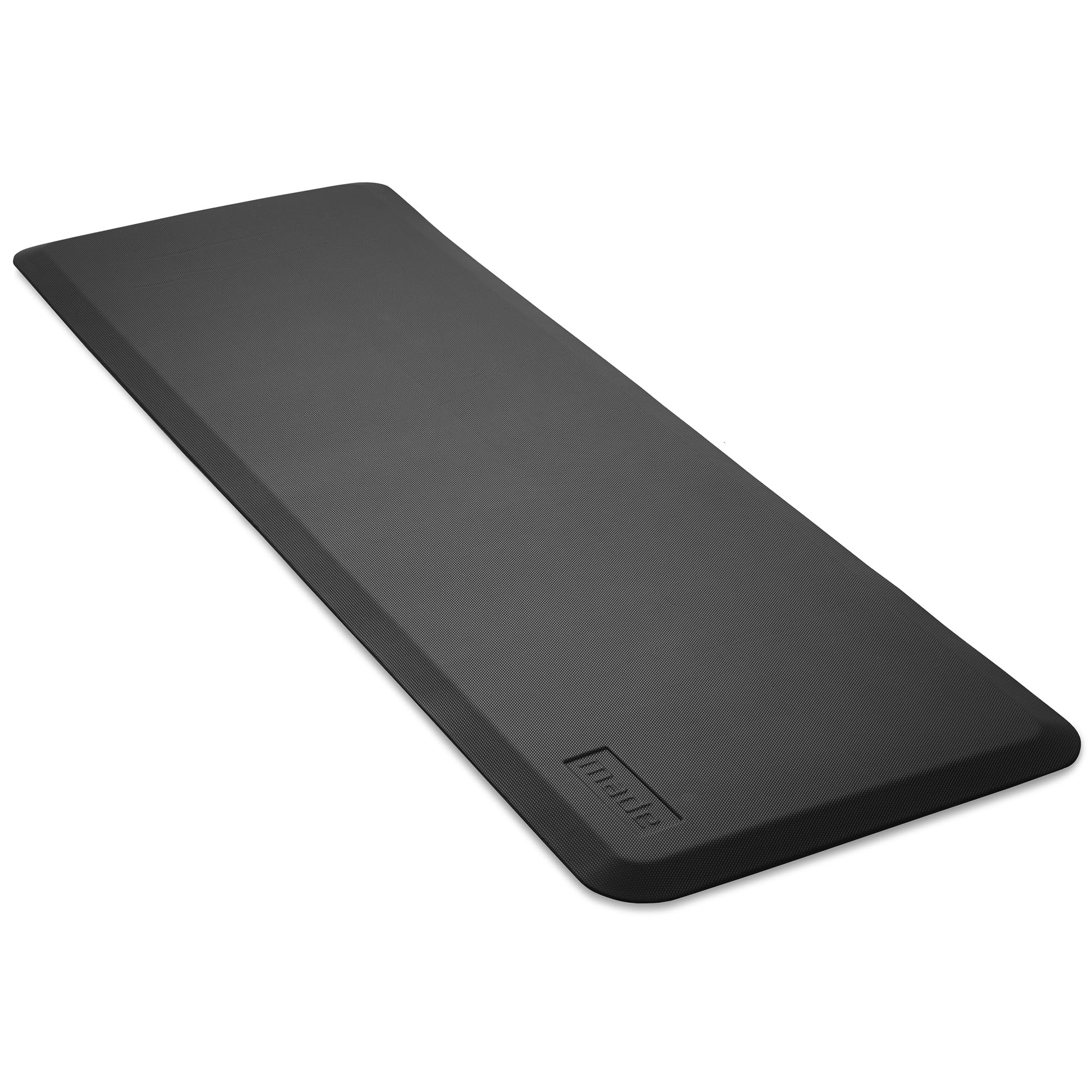
We recommend this mat for caregivers who need a cushioned bedside surface with beveled edges and strong floor grip.
Pros
- Cushions falls and reduces impact
- Beveled edges work well with walkers and wheelchairs
- Cleans easily with mild soap and water
Cons
- The surface may feel slippery with socks
- Its large size can limit placement options
- The 90-day warranty is brief
We found the mat firm enough to support standing but soft enough to cushion a fall. Its 72-inch length covered most of the bedside area, giving us useful protection beside a standard bed.
The tapered edges made it easier to move a walker or wheelchair onto the mat without catching the wheels. The bottom also stayed in place on the floor during normal use.
We would still advise caregivers to check the surface with the user’s usual footwear. Some reviewers found it slippery with socks, so shoes or slippers with reliable traction may work better. Cleaning took little effort, since the PVC surface wiped down with mild soap and water.
HY HAO YUN LAI Washable Runner Rug
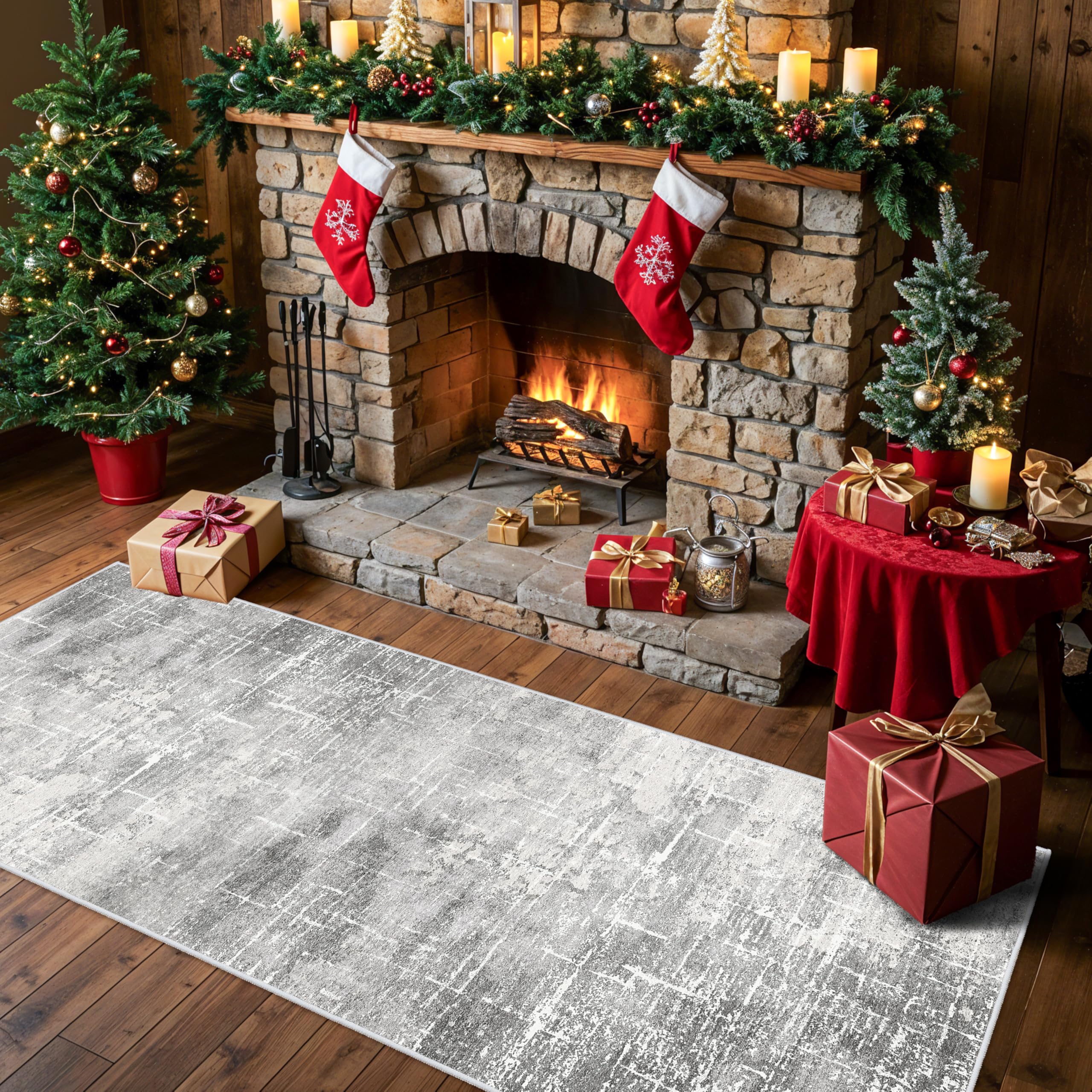
We recommend this runner for caregivers who need a soft, low-profile rug that stays in place and washes easily.
Pros
- Non-slip backing supports safer steps
- Washable and simple to maintain
- Thin design fits near doors and cabinets
Cons
- Lightweight build can move with strong vacuum suction
- Shipping may leave temporary creases
- Thin padding offers limited cushioning
We found the rug soft underfoot without creating a tripping edge. Its low profile worked well near kitchen cabinets and doorways, while the rubber backing helped keep it steady during normal walking.
The light gray design blended easily with kitchens, hallways, laundry rooms, and bedrooms. We also liked that the runner was easy to lift and reposition, which can help when caregivers need to clean around it or adjust a room quickly.
Cleaning was convenient after small spills. We could machine-wash the rug with cold water and let it air-dry. The surface handled daily foot traffic well, but the thin construction did not provide much padding for anyone seeking a plush, cushioned mat.
A low vacuum setting worked best because the rug’s lightweight build could lift under strong suction. The rug may also arrive with folds or creases, though laying it flat usually helps them fade over time.
DOMUSTEX Non-Slip Runner Rug
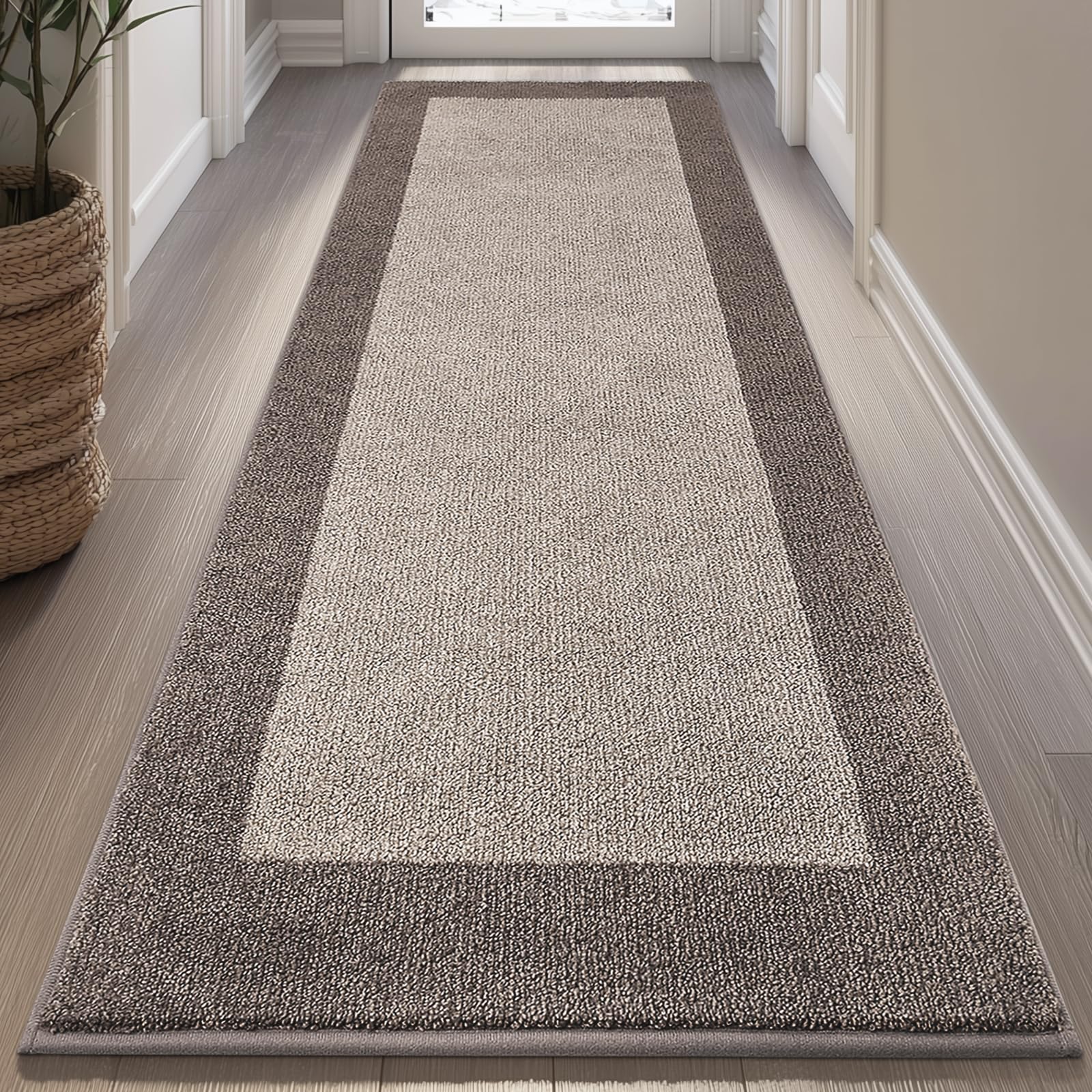
We recommend this soft, washable runner for caregivers who need a comfortable rug that generally stays in place in busy indoor areas.
Pros
- Soft surface feels comfortable underfoot
- Absorbs small water and oil spills
- Vacuums and washes with little effort
Cons
- Thin edges may curl or move when kicked
- Results may vary after repeated washing
- Some buyers found the material less substantial than expected
We found the rug pleasant to walk on, especially in a kitchen or hallway where caregivers spend long periods standing. Its low profile also made it easy to place near doors without creating a large step.
The rubber backing gave us good traction on a clean, hard floor. It stayed in place during normal foot traffic, though we would still secure the edges if someone uses a walker, cane, or wheelchair.
The microfiber surface picked up small spills quickly and did not feel wet for long. We could remove everyday dirt with a vacuum, while machine washing offered a deeper clean.
The beige geometric design worked well with several room styles. However, the rug arrived rolled, so we would give it time to flatten before placing it in a high-traffic area. Some customer feedback also notes that the thin construction can make the rug easier to shift or kick up.
Smart Caregiver Floor Mat Monitor
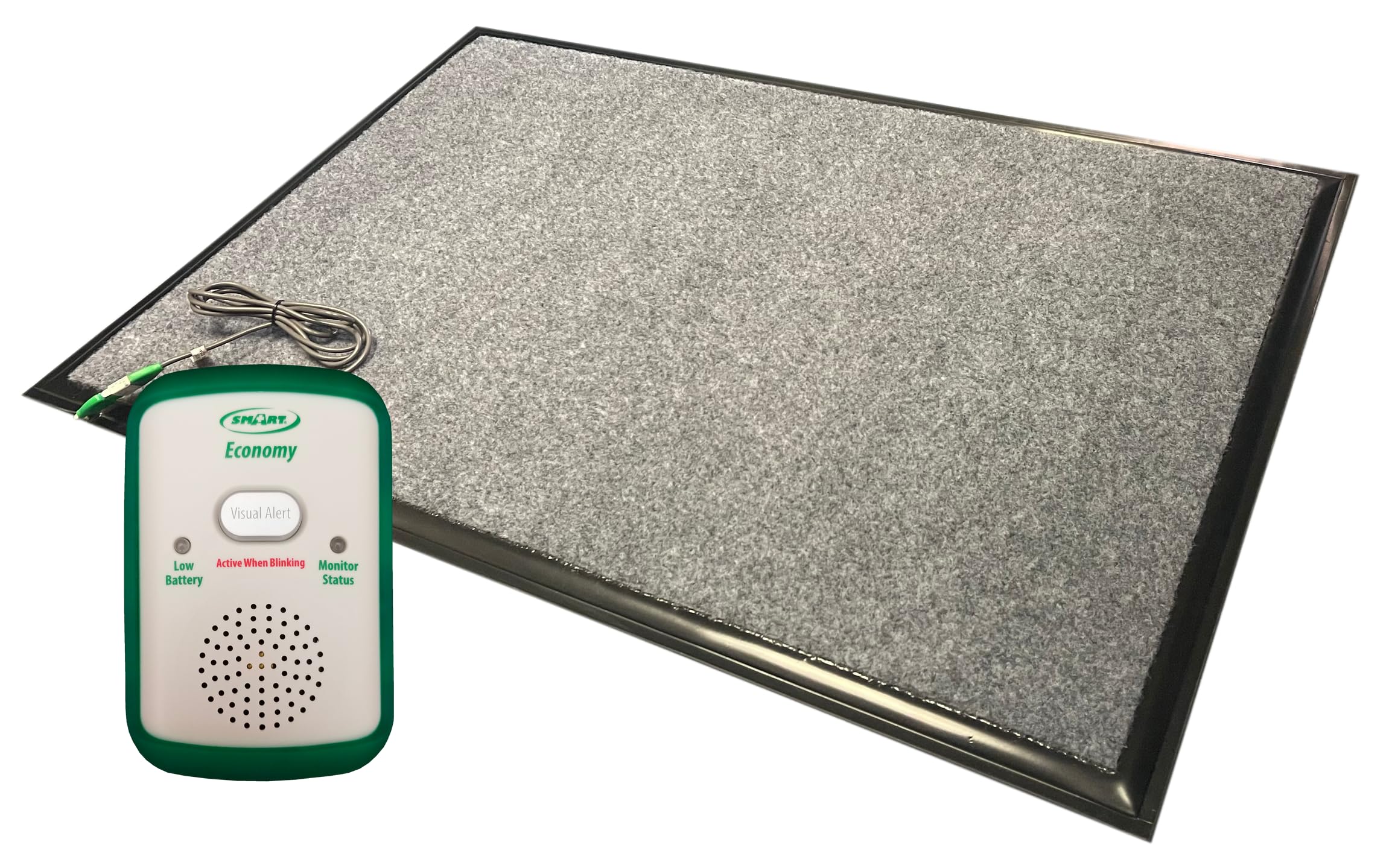
We recommend this indoor mat for caregivers who want added traction plus an alert when someone stands or walks away.
Pros
- Combines a floor mat with a caregiver alert system
- Textured surface helps improve footing
- Rubber backing helps limit sliding
Cons
- The 24-by-36-inch mat covers a fairly small area
- It is intended for indoor use
- The mat is not water resistant
We found the textured surface useful beside a bed, chair, or wheelchair. It gives us a steadier step than a smooth floor, which can help during transfers or nighttime movement.
The monitor adds value beyond a standard non-slip rug. It can alert caregivers when someone with mobility or memory concerns steps onto the mat and starts moving away from a safer area.
The rubber backing helps keep the mat in place during normal use. We would still check the floor beneath it and inspect the edges often, especially in busy care areas where people use walkers or wheelchairs.
Cleaning should be simple, but this mat works best in dry indoor spaces. Its compact size may suit a bedside or chair area, though larger rooms may need extra coverage.
GORILLA GRIP Rug Gripper Pad
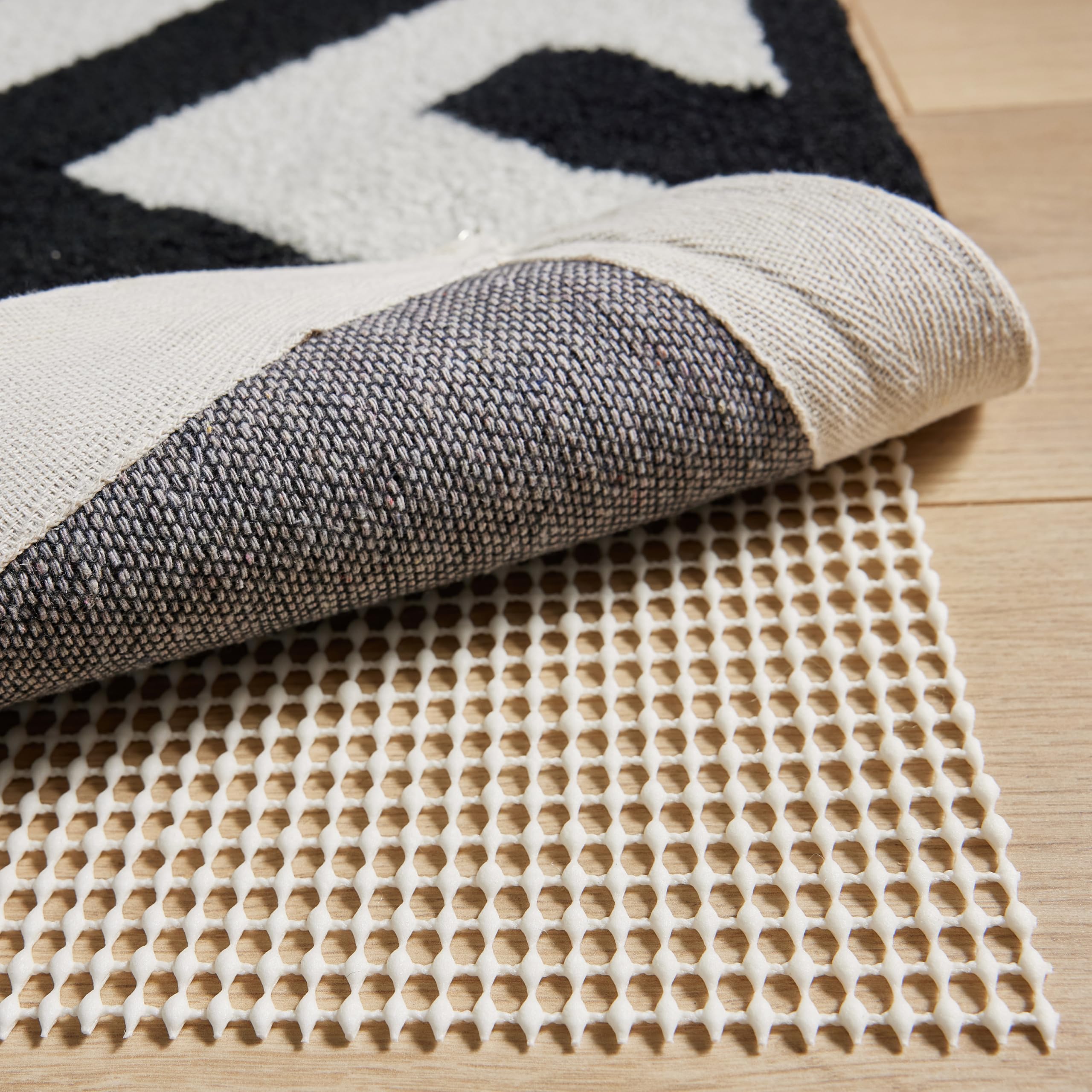
We recommend this rug pad for caregivers who need to limit slipping and bunching on hard floors without adding much height.
Pros
- Holds small rugs firmly in place
- Trims easily with household scissors
- Adds light cushioning underfoot
Cons
- Works best on clean, hard floors
- May need corner adjustment during setup
- Covers only a 2-by-3-foot area
We found the dual-sided grip useful under a small kitchen and bathroom rug. After cleaning the floor and laying the pad flat, the rugs stayed in place during regular foot traffic.
The open grid design kept the pad low enough that it did not create a noticeable edge. It also added a small amount of softness, which made standing near the sink more comfortable.
Caregivers should trim the pad carefully so it stays fully under the rug. We also secured the corners before use, since exposed edges could catch a foot or mobility aid. The pad is reversible and easy to wipe clean, but it suits hard floors rather than carpet.
Veken Non-Slip Rug Pad
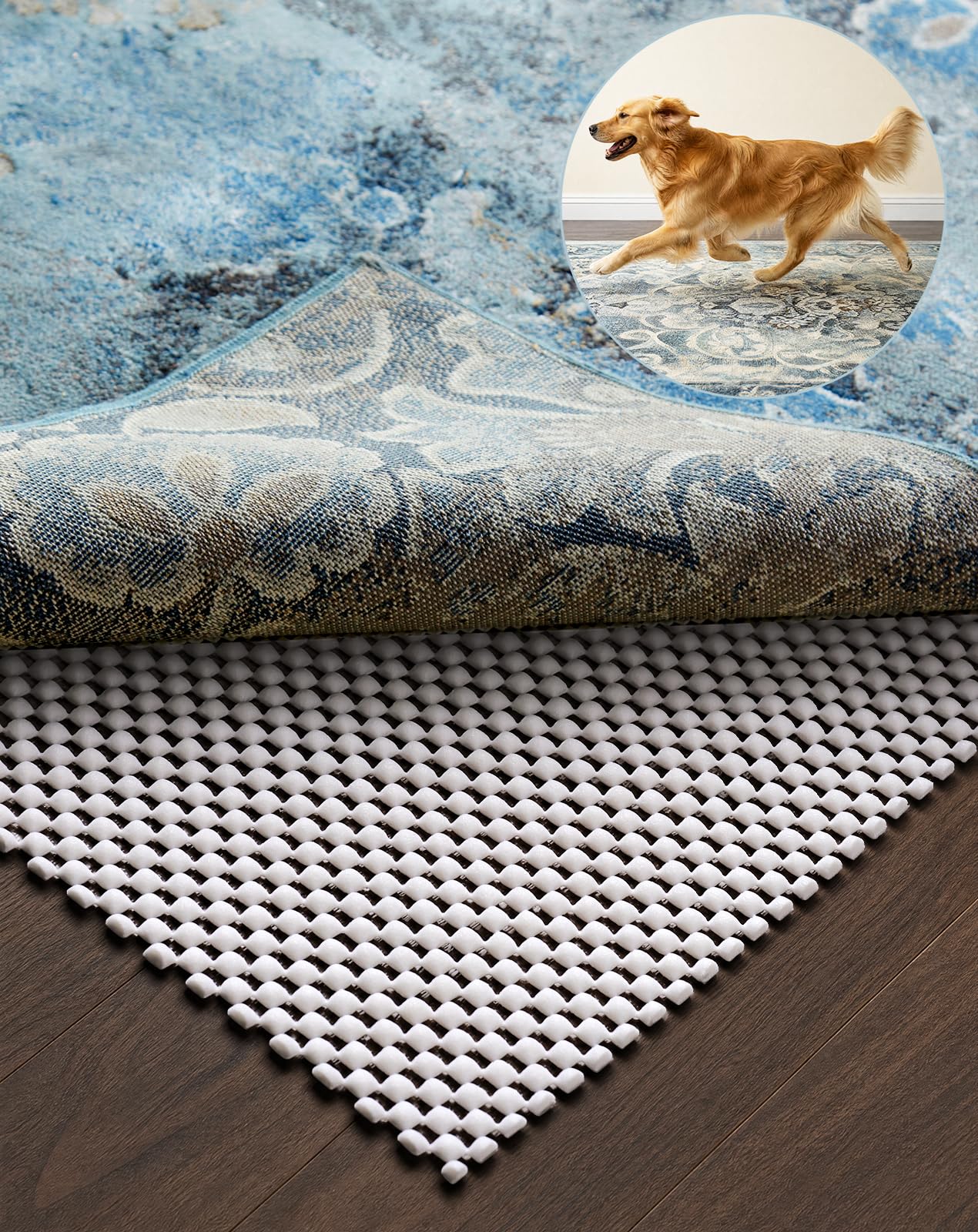
We recommend this affordable rug pad for caregivers who need to reduce sliding under small rugs on suitable hard floors.
Pros
- Helps rugs stay flat and in place
- Easy to trim with household scissors
- Adds light cushioning under thin rugs
Cons
- May stick firmly to some floors
- Can collect dirt over time
- Not safe for every floor type
We found the Veken pad easy to place beneath a small rug. After trimming the excess, it helped limit movement during regular walking and made a thin rug feel slightly softer underfoot.
Its open grid design also allowed us to adjust the fit without much effort. The pad worked well under a low-pile rug and could suit areas near beds, sinks, or seating where caregivers often need steadier footing.
We would check the floor material before using it. The maker warns against vinyl, natural stone, concrete, heated floors, and several finished surfaces. Some users also report that the pad can cling strongly to hardwood, so we would lift and inspect it during routine cleaning.
Caregivers should also expect basic maintenance rather than machine washing. Overall, this Veken pad offers useful grip for compatible hard floors, especially when a rug slides during daily activity.
TTelephant Waterproof Non-Slip Runner Rug
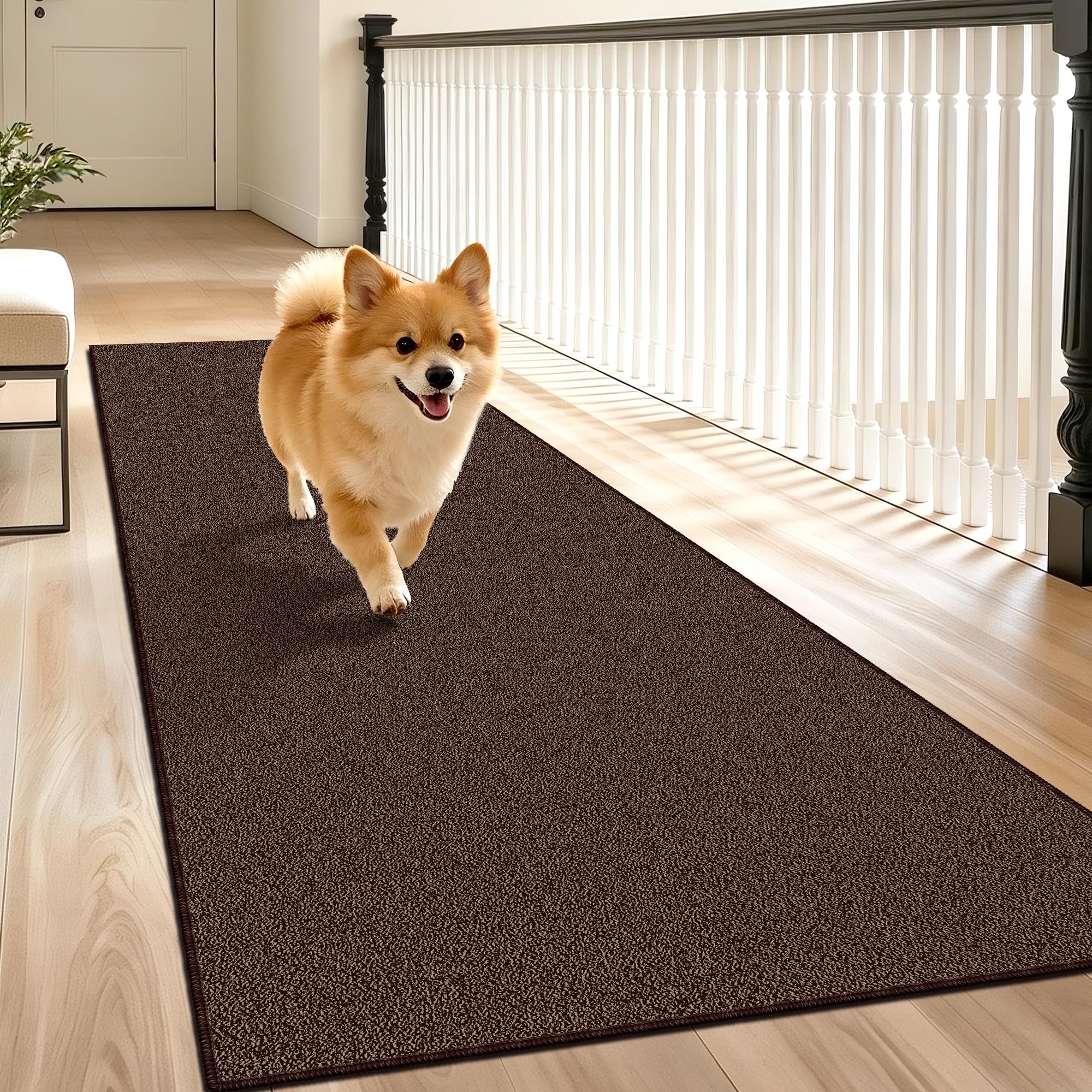
We recommend this low-profile runner for caregivers who need a washable rug that helps older adults, pets, and family members walk more steadily on smooth floors.
Pros
- Silicone backing keeps the runner steady without a separate pad
- Waterproof, machine-washable surface simplifies cleanup
- Low profile lets doors and vacuums pass over it easily
Cons
- Thin design offers limited cushioning
- Folded shipping may leave temporary creases
- The 2-by-6-foot size may not cover wider areas
We found that the rug stayed in place during normal foot traffic and did not bunch underfoot. Its textured surface added useful traction, which can help in hallways, kitchens, and other areas where caregivers often assist someone while walking.
The waterproof top handled spills without letting moisture reach the floor. We also liked that the tight loops made hair and loose dirt easy to remove with a vacuum. For deeper cleaning, we could put the rug in the washing machine.
At about one-third of an inch thick, the runner cleared doors and allowed a vacuum to move across the edges. The trade-off is a firmer, thinner feel than a cushioned mat. We would choose it for stability and easy care rather than softness.
The brown textured pattern helped hide everyday marks between cleanings. The rug arrived folded, so we would reverse-roll it or give it a few days to flatten before placing it in a main walkway.
AREDO Grey Pointillism Non-Slip Runner Rug
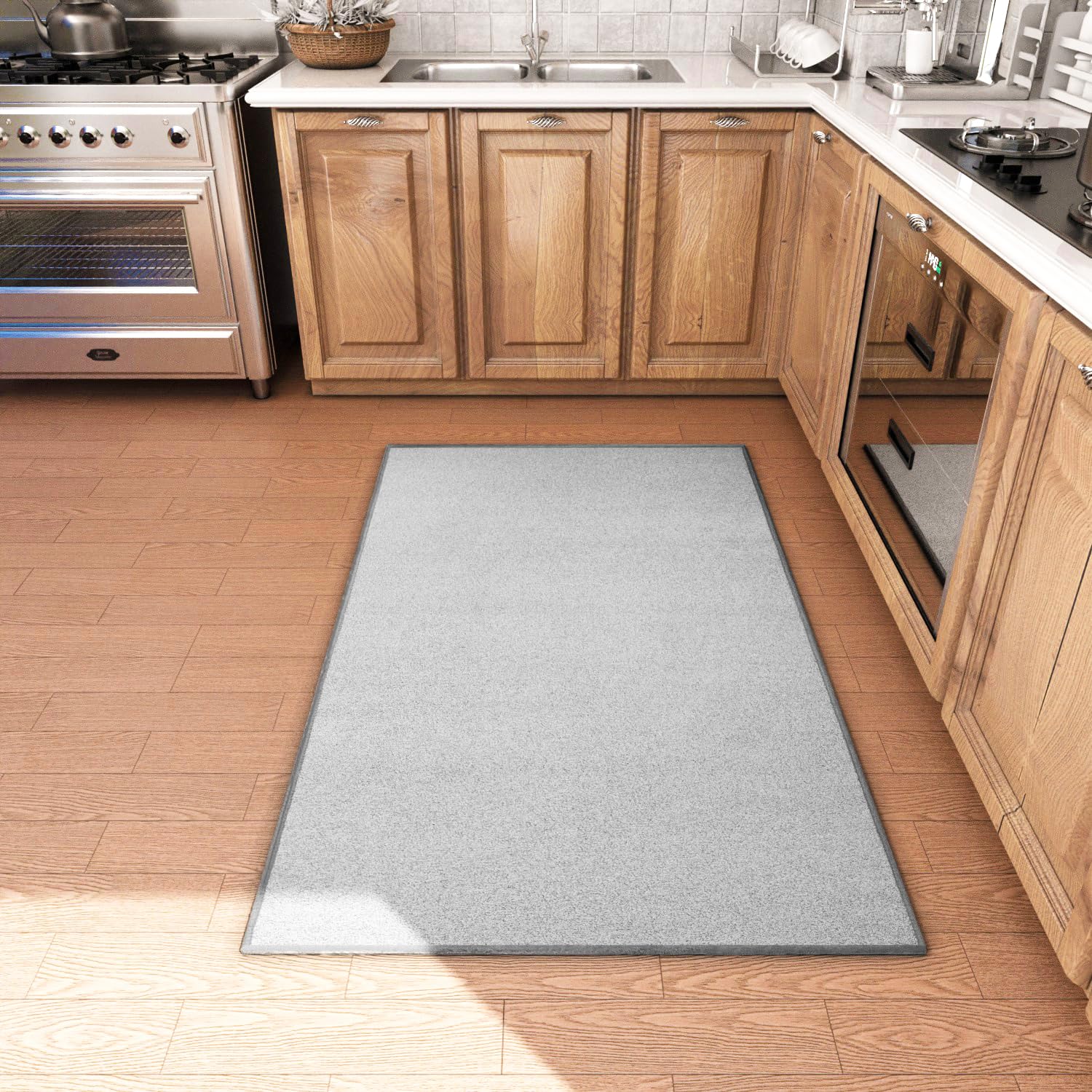
We recommend this washable runner for caregivers who need a soft, low-profile rug that stays in place in busy indoor areas.
Pros
- Rubber backing helps limit sliding on hard floors
- Soft surface feels comfortable under bare feet
- Washable design makes routine cleaning easier
Cons
- Creases may need time and pressure to flatten
- Not water-resistant for spills or wet areas
- Limited 3-by-5-foot size may not fit longer halls
We found the rug easy to place near an entryway, bedside area, or kitchen walkway because its slim profile did not catch on doors. The rubber backing kept it from shifting during normal foot traffic, which can help caregivers reduce trip risks around the home.
The faux-wool surface felt soft without adding much height. We also liked the sewn edges, which gave the runner a finished look and helped it hold its shape during daily use.
Cleaning was simple with regular vacuuming or a quick wipe. For a deeper clean, we could machine-wash it in cold water and let it air-dry. After unpacking, we needed to press the folded rug flat for about two days before it looked level.
Maples Rugs Reggie Floral Rug

We recommend this rug for caregivers who want a washable, low-profile mat that stays in place in busy indoor areas.
Pros
- Skid-resistant backing helps limit movement
- Low profile works well near doors
- Bright floral pattern hides small marks
Cons
- Latex backing may need to relax after washing
- Thin design offers limited cushioning
- Not water resistant
We found the Reggie rug easy to place in entryways, kitchens, bathrooms, and other areas where doors need to open freely. Its slim profile does not create a noticeable step, which can help caregivers move carts, walkers, and other equipment across the room.
The rubber backing helps keep the rug steady on smooth floors. We would still check it often for dust, moisture, or floor debris, since these can affect traction. The surface feels soft enough for regular standing, but it does not provide the thick padding of a cushioned mat.
The dark gray base and colorful floral pattern add visual interest while helping conceal light dirt between cleanings. Since we can machine wash it, routine care feels practical for homes with frequent spills, pets, or heavy foot traffic. After drying, we would lay it flat so the backing can settle before putting it back in place.
Buying Guide
We should choose non-slip rugs based on the caregiver’s tasks, the room’s layout, and the user’s mobility needs. A rug should stay flat, resist sliding, and allow walkers, wheelchairs, and other equipment to move across it safely.
| Feature | What we should look for |
|---|---|
| Backing | A stable, non-slip backing that suits the floor type |
| Edges | Low, secure edges that reduce trip risks |
| Pile height | A low, even surface for easier movement |
| Size | Enough coverage without creating narrow paths or loose corners |
| Cleaning | Washable or easy-care materials for frequent cleaning |
| Surface | A texture that provides comfort without catching mobility aids |
We should measure the space before buying. The rug should not block door swings, cover floor vents, or sit where wheels and feet must make sharp turns.
We should also check care instructions and floor compatibility. Some backings may stain, mark, or react with certain surfaces, so we should follow the manufacturer’s guidance and use a separate rug pad only when recommended.
For homes with spills or incontinence concerns, we should prioritize rugs that dry quickly and tolerate regular cleaning. Neutral colors and simple patterns can make dirt and loose fibers easier to notice.
Editor’s Choice
We choose the Ruggable Cushioned Rug as our top pick for caregivers. Its nonslip pad helps keep the rug in place, while the washable cover makes it easier to manage spills, tracked-in dirt, and other daily messes.
The low-profile design also helps reduce trip risks near beds, chairs, and doorways. We recommend checking that the rug lies flat and that its edges stay secure after washing.
| Feature | Why it helps caregivers |
|---|---|
| Nonslip pad | Helps limit sliding on smooth floors |
| Washable cover | Supports easier cleaning |
| Low profile | Reduces interference with walkers and wheelchairs |
| Multiple sizes | Fits bedrooms, halls, and living areas |
We suggest choosing a size that leaves doors, mobility aids, and walking paths clear. For homes with older adults or people who use walkers, we also look for firm edges, a stable backing, and enough contrast to make the rug easy to see.
Conclusion
We should choose non-slip rugs that help caregivers move safely while supporting the needs of the person receiving care. Strong backing, low pile, and secure edges can reduce slips, trips, and wheelchair resistance.
We also need to match the rug to each room. In busy areas, we can prioritize washable materials and firm placement. Near beds, chairs, and bathroom sinks, we should check that the rug stays flat and does not shift underfoot.
Before using a rug, we should inspect the floor and follow the manufacturer’s care instructions. Regular cleaning and checks for curled edges, worn backing, or loose fibers help keep the rug safe and useful.
FAQs
What makes a rug suitable for caregivers?
We look for a rug with a secure non-slip backing, low pile, and edges that lie flat. These features can reduce trip hazards and make it easier to move walkers, wheelchairs, and other equipment.
Do we still need a rug pad?
Some rugs include a built-in non-slip backing, while others need a separate pad. We check the product instructions and choose a pad made for the floor type. The pad should fit fully beneath the rug without extending past its edges.
Which rug materials work best?
We usually choose washable polyester, nylon, or tightly woven polypropylene. These materials can handle frequent cleaning and resist common stains. We avoid loose loops that may catch on mobility aids.
What rug size should we choose?
We measure the space first and leave clear paths around furniture and equipment. A rug should not block doors, vents, or transfer areas. In smaller rooms, a compact rug often creates fewer obstacles.
How do we keep a non-slip rug safe?
We inspect the backing and edges often for curling, wear, or movement. We clean dust from the floor beneath the rug and replace the rug or pad when it no longer stays flat.
Can we use these rugs on every floor?
No. Some backings may stain, scratch, or react with hardwood, vinyl, or tile. We check the manufacturer’s guidance and test the rug in a small, hidden area first.
