
10 Best Carbon Monoxide Detectors for Elderly: Safe, Easy-to-Use Options


Orthopedic Sandals

LED Magnifying Glass

Automatic Pill Dispenser
Carbon monoxide detectors help protect people from an odorless, colorless gas that can cause serious illness or death. They monitor the air and sound an alarm when carbon monoxide reaches unsafe levels, making them an important safety device in homes with fuel-burning appliances, fireplaces, or attached garages.
For older adults, a detector should be simple to read, hear, and test. The best carbon monoxide detectors for elderly users have loud alarms, clear displays, simple controls, and reliable battery or power options. Buyers should also check alarm placement, battery life, low-battery warnings, and features such as voice alerts or remote notifications. We compared leading models to find the detectors that make carbon monoxide warnings easier to notice and manage.
Best Carbon Monoxide Detectors for Elderly
We selected the best carbon monoxide detectors for older adults based on clear alerts, simple controls, reliable sensors, and easy-to-read displays. Our list includes models that can help provide timely warnings and support safer home monitoring.
Kidde Battery-Powered CO Detector

We recommend this Kidde detector for older adults who need a simple, portable alarm with clear status lights and battery backup.
Pros
- Easy to place on a wall or tabletop
- Loud alarm with easy-to-see LED alerts
- Portable for travel, cabins, and campers
Cons
- Batteries need regular replacement
- Small buttons may be hard for some users to press
- It does not detect smoke
We found the setup quick because the unit needs no wiring or outlet. The included AA batteries let us place it near a bedroom, in a hallway, or in a travel bag without losing protection during a power outage.
The green light shows that the detector has power, while the red light and loud alarm signal detected carbon monoxide. We also liked the test-reset button because it lets us check the alarm and temporarily silence a low-battery chirp.
Its light weight and compact shape make it useful for hotels, campers, and second homes. For older adults who may have trouble hearing, we recommend placing it close to the bedroom and using additional detectors on each home level.
The main drawback involves routine battery care. We need to replace the AA batteries when the warning sounds and test the unit regularly. It also works only as a carbon monoxide alarm, so we still need separate smoke detectors.
First Alert CO606 Plug-In Carbon Monoxide Alarm

We recommend this alarm for older adults who want simple plug-in protection with battery backup and clear controls.
Pros
- Plugs into a standard outlet without wall mounting
- Battery backup helps during power outages
- Large, simple test and silence button
Cons
- It has no digital carbon monoxide reading
- The backup battery needs regular replacement
- The alarm can be loud for people with hearing sensitivity
We found the CO606 easy to set up because it plugs directly into an outlet. That makes it a good choice for older adults who may find wall mounting or wiring difficult. Its compact design also lets us move it to another outlet when needed.
The single button keeps daily use simple. We could test the alarm or silence a nuisance alert without working through menus or a display. The 85-decibel alarm sounds loud enough for most homes, though some users may find it startling.
Battery backup adds useful protection during a power outage. We would still check the battery regularly and place alarms on each home level and near sleeping areas, as recommended by safety guidelines.
This model does not show carbon monoxide levels, so we cannot monitor changing readings. However, its electrochemical sensor, end-of-life warning, UL compliance, and seven-year limited warranty provide useful safety features without complicated controls.
Kidde Plug-In Carbon Monoxide Detector

We recommend this Kidde detector for older adults who want simple plug-in setup, battery backup, and a clear carbon monoxide display.
Pros
- Easy plug-in installation
- Battery backup during power outages
- Large digital display and loud alarm
Cons
- Requires a nearby wall outlet
- The alarm may sound loud for sensitive users
- Hush mode lasts about eight minutes
We found the setup simple: plug the unit into a standard outlet, add the included AA batteries, and press the test button. This makes it a practical choice for seniors who may not want to mount or wire a detector.
The digital display shows detected carbon monoxide levels, while the status lights provide quick visual information. We also liked the peak-level memory because it can show whether the detector recorded CO while no one was nearby.
An 85-decibel alarm should be easy to hear from nearby rooms, but it may feel harsh during testing or false alarms. The hush button helps reduce disruption for a short time, though we would still check the home and find the cause of any alarm.
The plug-in design works well near bedrooms and on each floor, but outlet placement limits where we can install it. Its AA battery backup adds protection during outages, and the 10-year limited warranty supports long-term use.
Kidde Battery CO Detector

We recommend this Kidde detector for older adults who want simple setup, battery backup, and clear warning lights.
Pros
- Easy wall or tabletop placement
- Loud 85-decibel alarm with red warning light
- Test button and peak-level memory
Cons
- The display-free design may provide less information
- Batteries need regular replacement
- One unit may not cover every needed location
We found the battery-powered setup easy to manage because it needs no wiring. The green light shows that the unit has power, while the red light and loud alarm signal detected carbon monoxide. This clear design can help older adults notice an alert quickly.
The test-hush button makes routine checks simple. We could test the alarm and temporarily silence a low-battery chirp without reaching for a separate tool. Peak-level memory also records the last detected CO level or the last test.
Its compact body works on a wall or tabletop, so we could place it near a bedroom or take it in a camper. Since it runs on two AA batteries, it can keep monitoring during a power outage.
We would still check the batteries on a regular schedule and replace the detector according to Kidde’s warranty and end-of-life guidance. Buyers who want a live digital CO reading should choose a model with a display instead.
Kidde Plug-In CO Detector
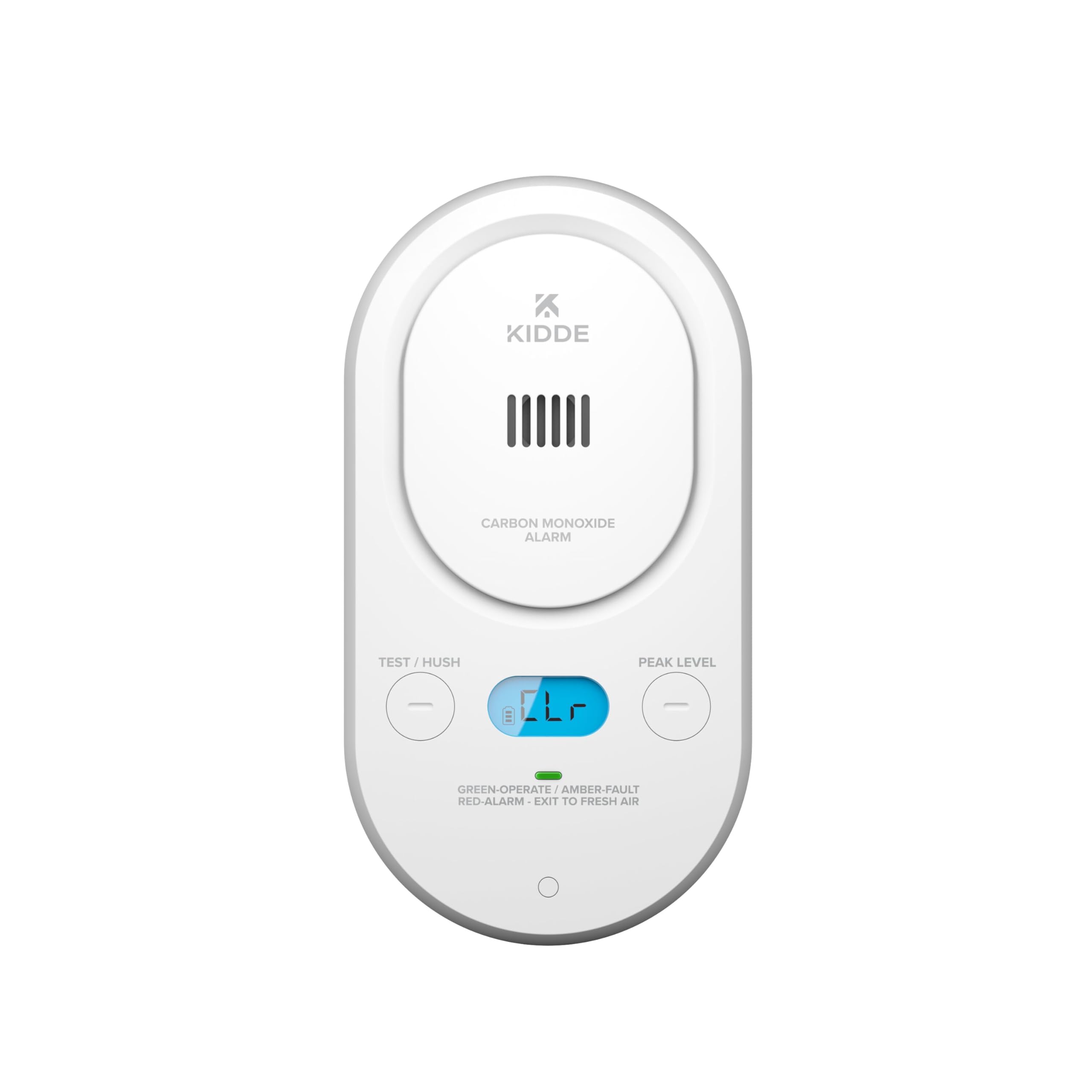
We recommend this detector for older adults who want a clear display, loud alarm, and battery backup without a complicated setup.
Pros
- Easy-to-read backlit CO display
- Rotating plug fits different outlet positions
- Battery backup helps during power outages
Cons
- Some units may arrive with test-button or battery issues
- Works only with 120V outlets
- Not approved for boats or RVs
We found the digital display helpful because it lets us check the carbon monoxide reading at a glance. The large alarm and warning light also provide sound and visual alerts, which can help people with hearing or vision limits.
The rotating plug gives us more placement options and does not have to block the next outlet. We also like the two AA battery backup, since the detector can continue monitoring during a power outage.
Before relying on it, we would press the Test button and confirm that the alarm works. Some buyers reported faulty units, loose battery connections, or test buttons that did not respond, so checking the device right away matters.
This model suits homes and apartments with standard 120V outlets. Its 10-year limited warranty and listed safety testing add useful peace of mind, but we would avoid using it in an RV, boat, or unconditioned space.
Kidde COBDL Low-Level CO Detector
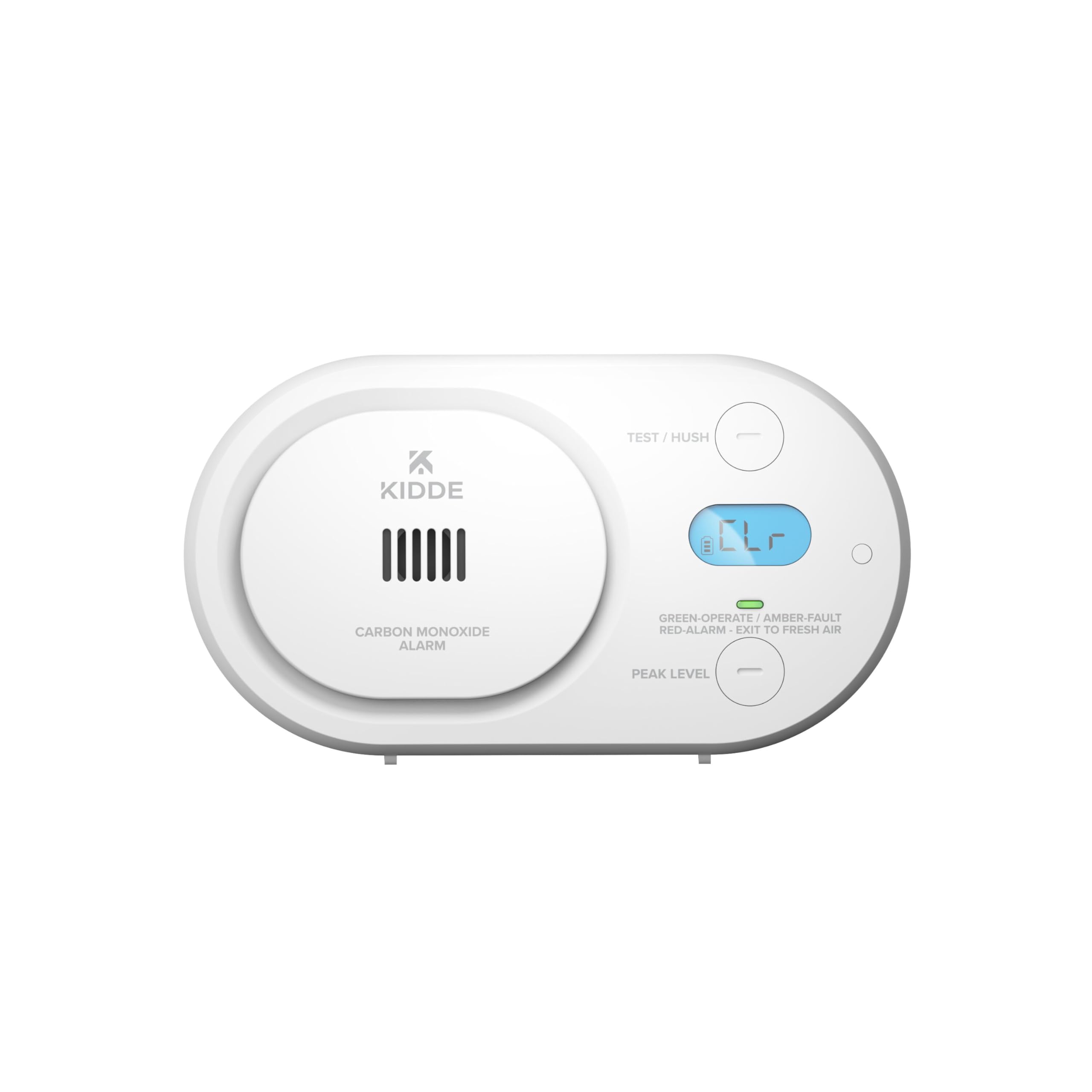
We recommend this detector for older adults who need clear alerts, simple controls, and added monitoring for lower carbon monoxide levels.
Pros
- Backlit display is easy to read.
- Low-level alerts add useful early warning.
- Battery power works during outages.
Cons
- The display may require closer viewing in dim rooms.
- It is not approved for RV or boat use.
- Users must replace the batteries when needed.
We found the Kidde COBDL simple to set up, with no wiring required. It can sit on a table or mount on a wall, which gives us more placement options in a home. The compact design also works well in bedrooms, hallways, and guest rooms.
The backlit screen makes the carbon monoxide reading easier to check than a basic alarm with only lights. Its loud 85-decibel alarm and clear status indicators help people notice a warning, while the Test/Hush button makes routine checks straightforward.
We also value the low-level alert feature for households with older adults, children, or pets. The memory function shows the highest recorded reading, which helps us know whether an earlier rise occurred while nobody was nearby.
Two AA batteries keep the unit running during power failures. We should note that the detector is intended for conditioned indoor spaces and should not be used in an RV or boat. It includes mounting hardware and a 10-year limited warranty.
Kidde Combination Gas and Carbon Monoxide Alarm

We recommend this Kidde alarm for older adults who want simple plug-in setup, a clear carbon monoxide reading, and protection from several household gases.
Pros
- Easy plug-in installation with battery backup
- Digital display shows carbon monoxide levels
- Detects carbon monoxide, propane, natural gas, and explosive gas
Cons
- Larger than some plug-in alarms
- The display may sit low on a wall outlet
- It does not replace alarms on other floors
We found the setup quick because the unit plugs into a standard outlet. The included 9-volt battery adds protection during a power outage, which can provide extra peace of mind for older adults living alone.
The digital display makes this model easier to check than an alarm with sound only. It shows the detected carbon monoxide level and displays “GAS” when it senses explosive gas. The 85-decibel alarm should provide a strong warning, though people with hearing loss may still need additional alert devices.
Peak Level Memory records the last detected carbon monoxide level or the last test. We also liked the Smart-Hush button, which temporarily silences the alarm for about eight minutes. The unit is somewhat bulky, so we would check the outlet location before buying it.
First Alert CO400 2-Pack

We recommend this simple battery-powered pair for older adults who want clear alerts, easy setup, and protection during power outages.
Pros
- Simple one-button testing and silencing
- Loud alarm with visible warning signals
- Two alarms help cover more than one area
Cons
- No voice alerts or spoken instructions
- Batteries need regular checking and replacement
- No phone notifications or wireless connection
We found the CO400 easy to set up because it needs no outlet or electrician. The included batteries let us place the alarms where we needed them, including rooms without a nearby power socket.
The single button keeps daily use simple. We could test the alarm or silence it without working through a menu. The pull-down action guide also gives clear steps to follow if the alarm sounds, which may help reduce confusion during an emergency.
Its 85-decibel alarm is loud enough to get attention, while the visual signals show low battery and other warnings. However, the alarm does not provide spoken guidance, so users with hearing loss may need a model with voice alerts or a connected notification system.
The two-pack offers a practical way to place one alarm near sleeping areas and another on a different level. We would still check the batteries regularly and replace the unit when its end-of-life signal sounds.
First Alert CO710

We recommend the First Alert CO710 for older adults who want a clear display, simple controls, and no battery changes for up to 10 years.
Pros
- Large backlit display shows carbon monoxide levels and temperature
- Built-in battery reduces maintenance
- Loud alarm and simple test button
Cons
- Designed mainly for tabletop use
- Temperature reading may need time to settle
- It does not detect smoke
We found the display easy to read from across a room, which can help users who have trouble seeing small text. It shows current and peak carbon monoxide levels, along with the room temperature.
The built-in lithium battery removes the need to open the unit and replace batteries. That makes routine upkeep easier, while the end-of-life chirp signals when we need to replace the detector.
Its 85-decibel alarm sounds clearly during testing. We also liked the straightforward test and silence button, although users should keep the detector where they can hear it from bedrooms and living areas.
The CO710 can sit on a dresser or mount on a wall. It provides carbon monoxide protection but does not replace smoke alarms, so we should use both types of detectors in the home.
Kidde C3010D Carbon Monoxide Detector

We recommend this detector for older adults who want a clear display, simple controls, and protection during power outages.
Pros
- Sealed 10-year battery needs no routine replacement
- Digital display shows carbon monoxide levels
- Large test-hush button and clear status lights
Cons
- The display may be hard to read from across a room
- It does not replace a smoke alarm
- The alarm sound may feel loud for sensitive users
We found the Kidde C3010D easy to set up without wiring. Its sealed battery removes the need to climb or open the unit for battery changes, which can make upkeep easier for many older adults.
The digital display updates regularly and gives us more information than an alarm sound alone. The green, red, and amber lights also make the unit’s status easier to check at a glance.
We liked the test-hush button during routine checks. It also helps silence a low-battery warning for a short time, though the detector still needs attention when that warning appears.
The unit can sit on a tabletop or mount on a wall. Its peak memory records the highest detected level, which helps us review whether the alarm recently sensed carbon monoxide. We would place it near bedrooms and on each home level, following the installation guide.
Buying Guide
When we choose a carbon monoxide detector for an older adult, we should focus on clear alerts, simple controls, and reliable power. The best model should be easy to read, test, and maintain without assistance.
| Feature | What we should look for |
|---|---|
| Alarm | A loud sound and bright visual warning |
| Display | Large numbers and clear status messages |
| Power | Long-lasting batteries, plug-in power, or battery backup |
| Testing | A large, easy-to-press test button |
| Maintenance | Low-battery alerts and simple battery replacement |
| Placement | Instructions that explain proper installation |
We should check the detector’s certification from a recognized safety organization and follow local safety guidance. Avoid models with small displays, confusing controls, or alerts that are difficult to hear.
A voice alert can help identify danger, but we should not rely on it alone. Look for a detector with a loud alarm and visible warning indicators, especially if the user has hearing or vision loss.
We should consider connectivity features carefully. A model that sends alerts to a phone may help family members provide support, but it should still work as a standalone alarm if the internet or phone is unavailable.
Choose a detector that fits the home’s needs and place it according to the manufacturer’s instructions. Test it regularly, replace batteries as directed, and replace the unit when it reaches the end of its stated service life.
Editor’s Choice
We choose the Google Nest Protect as our top carbon monoxide detector for older adults. It combines a clear voice alarm, a bright status light, and smartphone alerts. Its spoken warnings identify the danger and its location, which can help users respond quickly.
The detector also tests its battery, sensors, and alarm system automatically. We value this feature because it reduces the need for frequent manual checks.
| Feature | Benefit |
|---|---|
| Voice alerts | Gives clear spoken warnings |
| Phone notifications | Alerts family members remotely |
| Built-in nightlight | Improves visibility at night |
| Self-testing | Checks key functions automatically |
We recommend professional installation for users who need help with setup. Place detectors near sleeping areas and on each floor, and follow the manufacturer’s replacement schedule. A working alarm does not replace regular furnace and appliance inspections.
Conclusion
We should choose a carbon monoxide detector that matches the older adult’s needs, home layout, and hearing ability. A loud alarm, clear display, voice alerts, and simple testing controls can make the device easier to use.
We should place detectors near sleeping areas and on each level of the home, following the manufacturer’s instructions. We also need to test each unit regularly and replace its batteries or the entire detector when required.
Key points to check:
- Loud alarm and clear warning signals
- Easy-to-read display
- Battery or backup power
- Simple test and reset buttons
- Suitable placement and reliable certification
We should never ignore a carbon monoxide alarm. Everyone should leave the home and contact emergency services if the alarm sounds or anyone has symptoms such as dizziness, headache, nausea, or confusion.
FAQs
Where should we install a carbon monoxide detector?
We should place a detector near sleeping areas and on each level of the home. Install it at least 15 feet from fuel-burning appliances when possible, and follow the manufacturer’s instructions.
Should older adults use a detector with a loud alarm?
Yes. We should choose a model with a loud alarm, bright warning lights, and a clear display. A voice alert can also help people with hearing or vision loss.
How often should we test a detector?
We should press the test button at least once a month. Testing confirms that the alarm and battery work, but it does not test the sensor’s accuracy.
When should we replace the batteries?
We should replace removable batteries when the low-battery warning sounds or at least once a year. Sealed-battery models need full replacement when their batteries expire.
How long do carbon monoxide detectors last?
Most detectors last about five to seven years. We should check the replacement date printed on the unit and replace it on time.
What should we do if the alarm sounds?
We should leave the home immediately, move to fresh air, and call emergency services. We should not reenter until qualified responders say it is safe.
