
Best Basic Cell Phone Plans for Seniors in 2026


Automatic Jar Opener

Cane with LED Light

Large Print Keyboard
Staying connected does not have to mean paying for unlimited data. For many older adults, a basic plan with reliable calls, texts, and a small amount of data is enough.
The best basic cell phone plans for seniors should be easy to understand, affordable, and simple to manage. We compared low-cost plans, senior-focused options, network choices, customer support, and important trade-offs to find five strong choices.
Best Overall: Consumer Cellular Basic
Consumer Cellular is a strong choice for seniors who want a simple plan and easy access to customer support. Its Basic plan starts at $20 per month for one line with 1GB of data, unlimited talk and text, and US-based support.
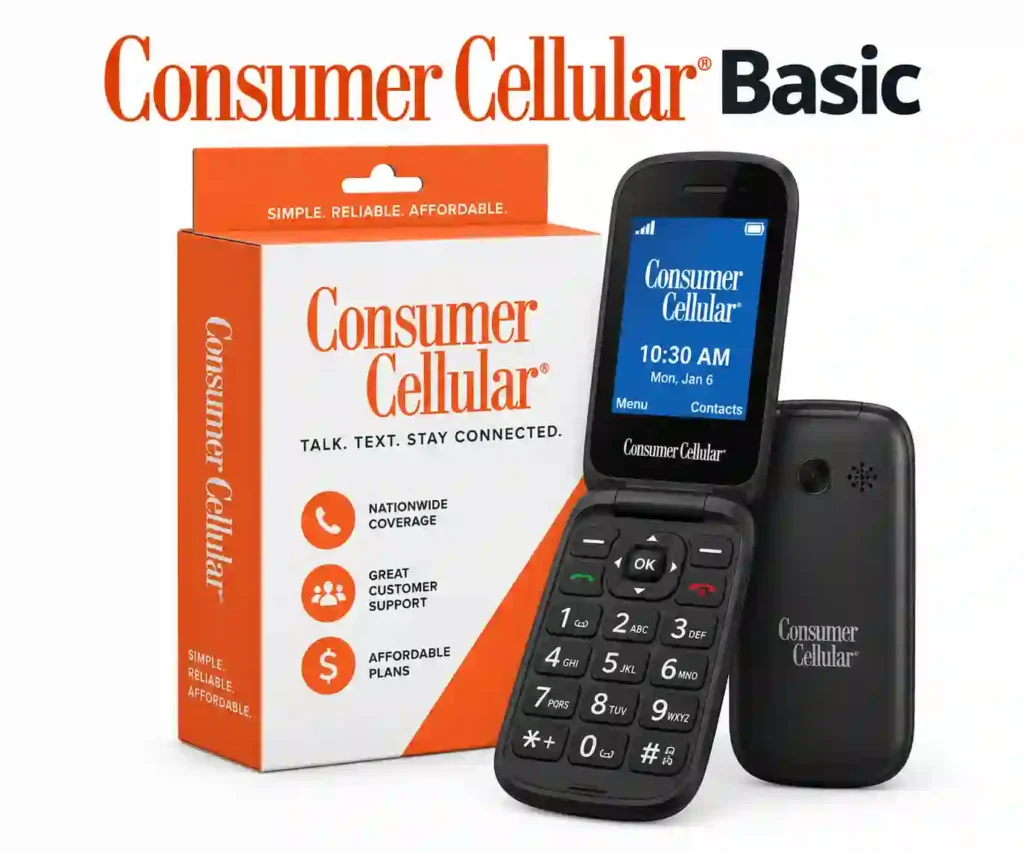
It is especially useful for someone who does not want to manage a complicated wireless account. Consumer Cellular also offers in-person help through thousands of Target locations, and AARP members can receive a 5% service discount.
The main drawback is that 1GB is not much data. It works well for calls, texts, email, maps, and light web use, but frequent video streaming can use it quickly.
Product Overview
The plan focuses on basic phone use rather than premium extras. That can actually be an advantage for a senior who wants a predictable monthly bill.
Consumer Cellular also has higher-data and unlimited options if the user’s needs grow later.
Specifications
The important details are easy to compare here.
| Specification | Details | Why It Matters |
|---|---|---|
| Monthly price | $20 | Keeps basic service affordable |
| Data | 1GB | Suitable for light data use |
| Talk and text | Unlimited | No need to count calls or messages |
| Support | US-based | Helpful for customers who want phone assistance |
| AARP discount | 5% | Can lower the monthly cost |
Pros And Cons
Consumer Cellular’s biggest advantage is the combination of simple service and human support.
| Feature | Pro | Con |
|---|---|---|
| Price | Reasonable entry cost | Not the cheapest option |
| Data | Enough for light use | 1GB can feel restrictive |
| Support | US-based phone support | Some users may prefer online-only service |
| Retail help | Target locations available | Store access varies by location |
| AARP discount | 5% savings | Requires AARP membership |
Who Should Consider This Product
This plan makes sense for seniors who value support as much as price. It is also a good fit for families helping an older relative manage a phone account.
A very heavy data user should consider a larger plan instead.
Best For: Seniors who want basic service with phone and in-person support.
Not Ideal For: Seniors who regularly stream video or use large amounts of mobile data.
Best Budget: US Mobile Light
US Mobile Light is one of the lowest-cost basic plans available. It costs $8 per month and includes 2GB of premium data plus unlimited talk and text. Taxes and fees are included in the advertised price.
The unusual part is network flexibility. US Mobile gives customers access to major US networks, allowing users to choose a network based on coverage. That can be useful for seniors who live in an area where one carrier works better than another.
The biggest weakness is the lack of physical stores. Support is available by phone and online, but a senior who wants face-to-face assistance may prefer Consumer Cellular.
Product Overview
This is the plan to consider when keeping the monthly bill as low as possible is the priority.
The 2GB allowance is enough for light browsing, maps, email, and occasional app use. It is not designed for someone who watches lots of video away from Wi-Fi.
Specifications
Here are the core details.
| Specification | Details | Why It Matters |
|---|---|---|
| Monthly price | $8 | Extremely low monthly cost |
| Data | 2GB | More data than many basic tiers |
| Talk and text | Unlimited | Good for regular calls and messages |
| Taxes and fees | Included | Easier to understand the advertised price |
| Network choice | Multiple major networks | Useful when coverage is a concern |
Pros And Cons
The low price is impressive, but the plan is best suited to light users.
| Feature | Pro | Con |
|---|---|---|
| Price | Very inexpensive | Fewer premium features |
| Data | 2GB included | Limited for heavy users |
| Network | Flexible options | Setup may be less familiar |
| Support | 24/7 support | No physical retail stores |
| Billing | Taxes included | Online management may not suit everyone |
Who Should Consider This Product
US Mobile Light is a smart pick for a senior who mainly makes calls, sends texts, and occasionally uses mobile data.
It may not be the best choice for someone who needs help setting up a phone in person.
Best For: Seniors who want the lowest practical monthly cost.
Not Ideal For: Seniors who need regular face-to-face technical help.
Best For Easy Senior Setup: Lively
Lively takes a different approach. Instead of focusing only on cheap wireless service, it combines senior-friendly phones with simple plans and optional health and safety services.
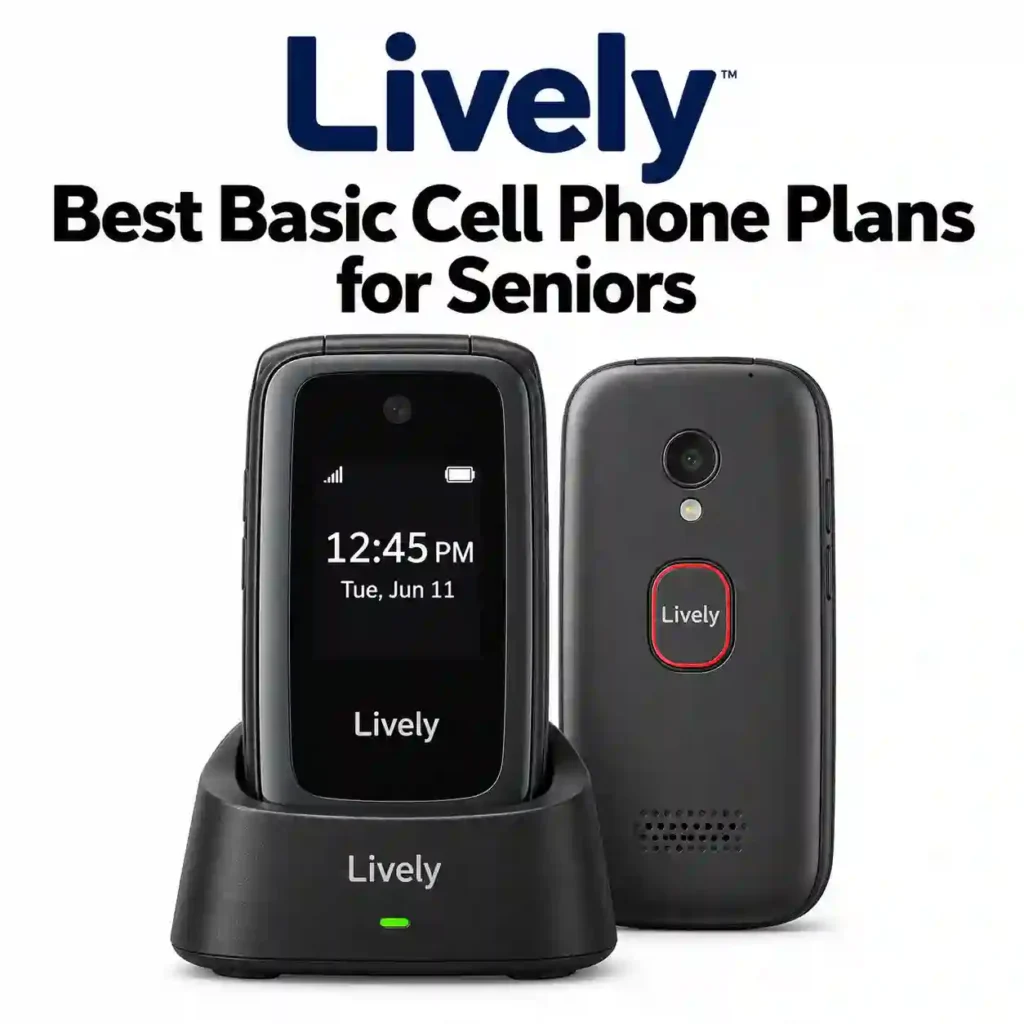
Its plans start at $14.99 per month, while its Jitterbug phones are designed with features such as large buttons, clear displays, simple menus, speed dialing, and an emergency help button.
That makes Lively particularly appealing for an older adult who finds a standard smartphone confusing.
The trade-off is flexibility. Lively’s service is closely tied to its own devices, so it is not as open as a traditional BYOD carrier.
Product Overview
The real benefit is simplicity. A senior can buy a compatible Lively phone and get a service designed around that device.
The Jitterbug Flip2, for example, has a large screen, big buttons, a clear speaker, speed dial, and an Urgent Response button.
Specifications
The important features are focused on usability rather than raw performance.
| Specification | Details | Why It Matters |
|---|---|---|
| Plan starting price | $14.99 + taxes and fees | Low entry cost |
| Phone style | Simple senior-focused devices | Easier for some older adults |
| Controls | Large buttons and clear menus | Helpful for ease of use |
| Emergency feature | Urgent Response button | Adds a safety-focused option |
| Contract | No long-term contract | Easier to change service |
Pros And Cons
Lively is less about getting the absolute cheapest data and more about making the phone easier to use.
| Feature | Pro | Con |
|---|---|---|
| Ease of use | Designed for seniors | Less flexible than standard carriers |
| Phone choice | Simple dedicated devices | Smaller device selection |
| Safety | Optional emergency services | Safety features can add cost |
| Price | Affordable starting plan | Taxes and fees are extra |
| Setup | Senior-focused experience | Device is tied to Lively service |
Who Should Consider This Product
Lively is a strong option for an older adult who wants a simple phone rather than a complicated smartphone.
It is less attractive for someone who already owns an unlocked phone and wants maximum carrier flexibility.
Best For: Seniors who want an easy-to-use phone and senior-focused services.
Not Ideal For: Tech-savvy users who want a wide range of devices and carrier choices.
Best 55+ Choice: T-Mobile Essentials Choice 55+
T-Mobile’s 55+ pricing is worth considering when a senior wants a traditional major carrier instead of a smaller provider. Essentials Choice 55+ is available to customers age 55 and older and provides unlimited talk, text, and data. Current senior-plan comparisons list it at about $45 per month for one line.
This is not the cheapest basic plan on the list. However, it offers the convenience of a large carrier with extensive retail support.
That can matter when a senior prefers to visit a store instead of solving every problem online.
Product Overview
T-Mobile is a better match for seniors who want unlimited service and the backing of a major carrier.
The downside is simple: if the phone is mainly used for calls and texts, paying for unlimited data may be unnecessary.
Specifications
The main features are straightforward.
| Specification | Details | Why It Matters |
|---|---|---|
| Age requirement | 55+ | Designed specifically for older customers |
| Single-line price | About $45 | Higher than basic prepaid plans |
| Data | Unlimited | No small monthly data allowance |
| Retail support | Extensive store network | Useful for in-person help |
| Network | T-Mobile | Strong nationwide 5G footprint |
Pros And Cons
This plan makes the most sense when unlimited data and retail access matter.
| Feature | Pro | Con |
|---|---|---|
| Data | Unlimited | More than basic users may need |
| Support | Large retail network | Higher monthly cost |
| Eligibility | 55+ pricing | Age requirement applies |
| Network | Broad 5G coverage | Coverage still varies by location |
| Simplicity | Traditional carrier experience | Billing can be more complex than prepaid |
Who Should Consider This Product
Choose this plan if an older adult wants unlimited data and prefers getting help at a carrier store.
For light users on a strict budget, one of the cheaper plans above is likely a better value.
Best For: Seniors 55+ who want unlimited service and retail support.
Not Ideal For: Light users who mainly need calls and texts.
Best Prepaid Option: Mint Mobile
Mint Mobile is a good choice for seniors who are comfortable with prepaid service and want more data for their money. Current 2026 comparisons list entry-level Mint options around $15 per month when paid through an annual plan, with some senior-focused pricing and promotions also available.
The key issue is how the price works. The lowest effective monthly rates generally require paying for a longer period upfront. That can save money, but it is less convenient than a simple month-to-month bill.
Mint uses T-Mobile’s network, so coverage should be checked at the senior’s home and other places they visit often.
Product Overview
Mint works well for an older adult who is comfortable managing service online and wants more data without paying a traditional carrier’s prices.
It is not the best choice for someone who wants frequent in-person support.
Specifications
The basic buying points are below.
| Specification | Details | Why It Matters |
|---|---|---|
| Effective starting price | About $15/mo on qualifying annual pricing | Low monthly equivalent |
| Payment | Prepaid | Requires advance payment |
| Network | T-Mobile | Check local coverage |
| Data | Multiple tiers available | Easier to match usage |
| Retail support | Limited compared with major carriers | Online setup may be required |
Pros And Cons
Mint’s value comes with a little more responsibility from the customer.
| Feature | Pro | Con |
|---|---|---|
| Price | Competitive prepaid rates | Lowest rates may require upfront payment |
| Data | Good selection of tiers | More choices can complicate selection |
| Network | T-Mobile 5G | Coverage depends on location |
| Flexibility | No traditional long-term contract | Online management may be needed |
| Value | Strong for data users | Less senior-focused support |
Who Should Consider This Product
Mint is a good fit for a senior who is comfortable with prepaid service or has a family member who can help manage the account.
Best For: Seniors who want inexpensive prepaid service with more data.
Not Ideal For: Seniors who need frequent in-store assistance.
Comparison At A Glance
These five plans cover different priorities, from the lowest monthly bill to senior-focused support and unlimited service.
| Product | Best For | Key Trade-Off |
|---|---|---|
| Consumer Cellular Basic | Support and simple service | Only 1GB of data |
| US Mobile Light | Lowest cost | No physical stores |
| Lively | Easy senior setup | Limited carrier flexibility |
| T-Mobile Essentials Choice 55+ | Unlimited service | Higher price |
| Mint Mobile | Prepaid value | Upfront payment may be needed |
How We Chose These Products
We looked at current plan pricing, data allowances, senior-specific features, customer support, network flexibility, retail access, and common limitations. We also compared recent senior-plan guides and current carrier information rather than relying on older plan lists.
The goal was not to find five plans that look identical. Each recommendation serves a different type of senior.
| Evaluation Factor | Why It Matters |
|---|---|
| Monthly cost | Helps seniors avoid paying for unused service |
| Data allowance | Matches the plan to actual phone use |
| Ease of use | Important when managing a phone or account |
| Customer support | Useful when troubleshooting is difficult |
| Network coverage | A cheap plan is not useful without good local service |
| Flexibility | Helps users change plans as needs change |
What To Look For When Buying
Start with how the phone is actually used. A senior who mainly calls family does not need the same plan as someone who watches videos, uses GPS, and video-chats every day.
1. Check data use.
Calls and texts are easy to cover with basic plans. Mobile video, social media, app updates, and video calls can use much more data.
2. Check network coverage.
Before switching, check coverage at home, work, medical appointments, and other places the senior visits often.
3. Look at customer support.
Some older adults are comfortable using apps and online chat. Others prefer speaking with a person or visiting a store.
4. Check the payment terms.
A low advertised price may require annual prepayment or autopay. Make sure the actual billing arrangement is comfortable.
5. Consider the phone itself.
A great plan does not solve a difficult phone. Seniors who struggle with small buttons or complicated menus may benefit more from a senior-focused device.
Common Buying Mistakes
A cheap monthly price is only useful when the plan fits the user’s real needs.
| Mistake | Better Approach |
|---|---|
| Choosing only by price | Compare price with support and coverage |
| Paying for unlimited data unnecessarily | Estimate actual monthly data use |
| Ignoring coverage | Check the carrier’s coverage at important locations |
| Choosing a complex smartphone | Match the phone to the user’s comfort level |
| Missing payment conditions | Check annual, autopay, tax, and fee requirements |
Safety Considerations
For seniors, staying connected can be especially important during emergencies. A phone should be easy to unlock, answer, charge, and use when the user is stressed.
Consider large buttons, readable text, loud and clear audio, hearing-aid compatibility, emergency calling, and battery life when choosing the phone itself. Lively, for example, offers senior-focused devices with large controls and an Urgent Response feature.
If the phone is being chosen because of a specific health or mobility concern, a caregiver or qualified professional can help determine which features are appropriate.
Frequently Asked Questions
Here are some common questions to consider before choosing a basic senior phone plan.
What Is The Cheapest Basic Cell Phone Plan For Seniors?
US Mobile Light is one of the lowest-cost practical options at $8 per month for 2GB of data and unlimited talk and text. Its advertised price includes taxes and fees.
Is Consumer Cellular Good For Seniors?
Yes. Consumer Cellular is particularly appealing to seniors who value customer support and simple plans. Its Basic plan starts at $20 per month with 1GB of data, and AARP members can receive a 5% service discount.
Do Seniors Need An Unlimited Phone Plan?
Not necessarily. If the phone is mainly used for calls, texts, email, and occasional browsing, 1GB or 2GB may be enough. Unlimited data becomes more useful for frequent video streaming, social media, and video calls.
Is AARP Required For Consumer Cellular?
No. AARP membership is not required to use Consumer Cellular. The AARP benefit is an additional discount for eligible members.
Is Lively A Good Choice For An Older Adult?
Lively can be a strong choice for seniors who want a simple phone with large controls and senior-focused features. Its plans start at $14.99 plus applicable taxes and fees.
Conclusion
For most seniors who want simple service, Consumer Cellular Basic is a well-rounded choice because it combines a modest price with senior-friendly support. US Mobile Light is the better pick when keeping the monthly bill as low as possible matters most.
For a dedicated senior phone, Lively is worth considering. Seniors who want unlimited data and traditional retail support may prefer T-Mobile Essentials Choice 55+, while Mint Mobile is a strong prepaid option for users who are comfortable managing service online.
The best plan is not necessarily the one with the most data. It is the one that gives the senior enough service, reliable coverage, and the right level of support without paying for features they will never use.