
Apple HomePod vs Bose Smart Speaker for Seniors: Which?


GPS Tracker for Elderly
Robot Vacuum Cleaner

Rollator Walker with Seat
Apple HomePod vs Bose smart speaker for seniors is a useful comparison for anyone who wants simple voice control and good sound at home. Both can play music, respond to voice commands, and reduce the need to use physical controls.
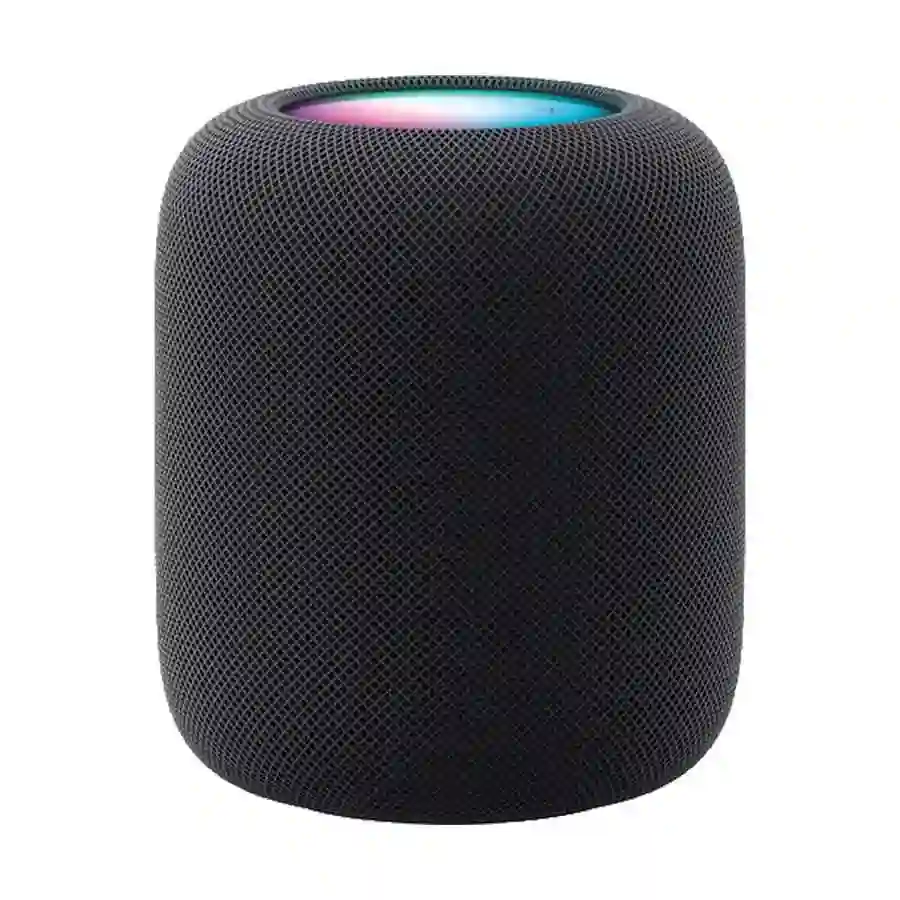
The main difference is the ecosystem and design. HomePod works especially well with Apple devices and offers Siri, HomeKit, accessibility features, and sound recognition. Bose focuses more on flexible listening, with voice assistants, Bluetooth, Wi-Fi, AirPlay 2, and a portable design.
Quick Comparison
For an older adult who already uses an iPhone, the Apple HomePod is the better overall choice. Siri and Apple Home integration can make everyday control feel simple.
The Bose Portable Smart Speaker is better for seniors who want portability and more flexibility. It has a built-in battery, Bluetooth use away from Wi-Fi, physical buttons, and support for both Amazon Alexa and Google Assistant.
Apple HomePod vs Bose Smart Speaker At a Glance
The two speakers take different approaches. HomePod is closely tied to Apple, while Bose gives users more freedom across devices and assistants.
| Feature | Apple HomePod | Bose Portable Smart Speaker |
|---|---|---|
| Voice assistant | Siri | Alexa or Google Assistant |
| Portability | No | Yes |
| Battery | No | Yes |
| Physical controls | Yes | Yes |
| Bluetooth | Bluetooth 5.0 | Bluetooth |
| Multi-room audio | AirPlay | Bose multi-room |
| Apple AirPlay | Yes | Yes |
| Accessibility | Strong Apple accessibility features | App and voice controls |
| Best fit | Apple households | Flexible, portable listening |
Apple HomePod Review for Seniors
Apple HomePod is a strong option for seniors who already use an iPhone or other Apple devices. It combines voice control with simple touch controls and Apple’s smart-home ecosystem.
The second-generation HomePod weighs 5.16 pounds and uses a four-microphone design for far-field Siri. It also supports VoiceOver, Touch Accommodations, HomeKit, and Intercom transcriptions.
Ease of Use
HomePod can be controlled by voice or from the top of the speaker. A tap plays or pauses music, while touching and holding the top activates Siri. Volume can also be changed directly on the speaker.
That can be useful for seniors who do not want to handle a phone every time they want to change the volume or play music.
Setup does require a compatible Apple device. Apple lists an iPhone SE 2nd generation or later, or certain compatible iPads, as system requirements.
Key Strengths
- Excellent fit for iPhone users
- Siri voice control
- Physical touch controls
- Strong Apple accessibility features
- HomeKit and smart-home support
- Sound Recognition for smoke and carbon monoxide alarms
- AirPlay support
- Strong room-filling audio
Potential Drawbacks
- Requires an Apple device for setup
- Not battery powered
- Less attractive for households using mostly Android devices
- Relatively heavy for moving between rooms
Bose Smart Speaker Review for Seniors
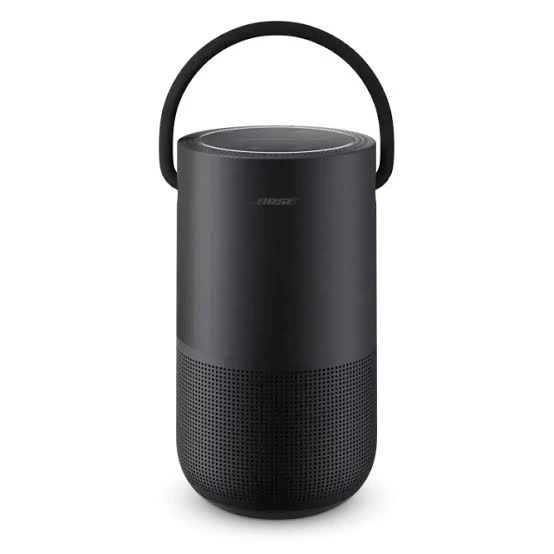
The Bose Portable Smart Speaker takes a different approach. It combines smart-speaker features with a rechargeable battery, allowing it to move around the home.
Bose says the speaker can use Google Assistant or Amazon Alexa for voice control. It also supports Bluetooth, Apple AirPlay 2, Spotify Connect, and the Bose app.
Ease of Use
The physical buttons are useful when a senior does not want to use voice commands. The speaker can also be controlled through the Bose app.
Its biggest usability advantage is portability. Unlike the HomePod, it does not need to remain plugged into a wall while being used around the home.
Bose also says the speaker can continue working as a Bluetooth speaker when it is outside Wi-Fi range.
Key Strengths
- Built-in battery
- Easy to move around the home
- Alexa or Google Assistant
- Bluetooth support
- Apple AirPlay 2
- Physical controls
- Bose app
- Can work as a Bluetooth speaker without Wi-Fi
Potential Drawbacks
- More features can mean more setup choices
- Voice assistant availability can depend on the selected assistant and region
- App setup may feel less direct than an Apple-only environment
- Battery charging adds another task to remember
Which Is Easier for Seniors to Use?
Both can be easy, but the better choice depends heavily on the person’s existing devices.
HomePod has an advantage for an iPhone user. Siri, touch controls, and Apple’s accessibility features create a fairly consistent experience. Apple also includes VoiceOver and Touch Accommodations.
Bose may be easier for someone who wants to move the speaker from room to room. Its battery eliminates the need to keep it beside a power outlet.
| Usability Area | HomePod | Bose Portable Smart Speaker |
|---|---|---|
| Voice control | Excellent | Excellent |
| Physical controls | Simple touch controls | Physical buttons |
| Moving between rooms | Less convenient | Easier |
| iPhone integration | Excellent | Very good |
| Android flexibility | Limited | Better |
| Setup simplicity | Best in Apple homes | Flexible but broader |
For seniors with limited dexterity, voice control can reduce the need to press small buttons. However, the best choice still depends on which phone and smart-home system they already use.
Performance Comparison
Both speakers are designed for home listening, but their strengths differ.
HomePod uses a high-excursion woofer, five horn-loaded tweeters, room sensing, and computational audio. Apple also supports Spatial Audio with Dolby Atmos for compatible content.
Bose focuses on portable listening. Bose describes its Portable Smart Speaker as a 360-degree speaker with rich bass and says it can be grouped with other compatible Bose speakers and soundbars.
| Performance Area | HomePod | Bose Portable Smart Speaker |
|---|---|---|
| Music quality | Excellent | Excellent |
| Room listening | Excellent | Very good |
| Portability | Low | Excellent |
| Multi-room audio | AirPlay | Bose multi-room |
| Bluetooth flexibility | Good | Excellent |
If sound quality in one main room is the priority, HomePod is compelling. If listening in different rooms matters more, Bose has the practical advantage.
Comfort, Accessibility, and Senior-Friendly Design
The biggest senior-friendly difference is not simply sound quality. It is how much physical effort the speaker requires during everyday use.
HomePod’s voice control and accessibility features can be valuable for users who prefer spoken commands. Apple’s support for VoiceOver and Touch Accommodations adds useful accessibility options.
Bose has an advantage for portability. Its battery-powered design means a user can carry it to another room without unplugging it.
That makes Bose especially appealing for someone who listens in the kitchen, bedroom, living room, or another part of the house.
Features Comparison
The important features are less about having the longest specification list and more about which ones a senior will actually use.
| Feature | HomePod | Bose Portable Smart Speaker |
|---|---|---|
| Voice assistant | Siri | Alexa or Google Assistant |
| Smart-home integration | Apple HomeKit | Bose ecosystem and assistant support |
| AirPlay 2 | Yes | Yes |
| Bluetooth | Yes | Yes |
| Battery | No | Yes |
| Accessibility | VoiceOver, Touch Accommodations | Voice and app control |
| Alarm sound recognition | Yes | Not the same HomePod feature |
| Portable use | Limited | Strong |
HomePod also includes Sound Recognition for smoke and carbon monoxide alarm sounds, although this should not be treated as a replacement for a dedicated safety alarm.
Price, Maintenance, and Long-Term Value
Smart-speaker prices can change, so relative value is more useful than treating one temporary price as permanent.
HomePod generally makes the most sense when the household already uses Apple products. The value comes from integration with Siri, AirPlay, HomeKit, and other Apple devices.
Bose can offer better practical value for someone who wants one speaker that can move around the house. The built-in battery adds flexibility that a permanently powered HomePod does not have.
Maintenance is fairly simple for both. The main tasks are keeping the speaker clean, maintaining software, and keeping the Bose battery charged when portability is needed.
Who Should Choose Apple HomePod?
Choose HomePod if:
- The senior already uses an iPhone.
- Siri voice control is preferred.
- Apple Home or HomeKit devices are already installed.
- Accessibility features such as VoiceOver matter.
- The speaker will mostly stay in one location.
- Strong integration with Apple devices is more important than portability.
Who Should Choose Bose Smart Speaker?
Choose the Bose Portable Smart Speaker if:
- Portability is important.
- The speaker needs to move between rooms.
- The user wants a built-in battery.
- Alexa or Google Assistant is preferred.
- Bluetooth listening is important.
- The household uses a mixture of devices.
- Physical buttons are useful for everyday control.
Apple HomePod vs Bose Smart Speaker — Final Verdict
Best for most Apple-using seniors: Apple HomePod
Best for portability: Bose Portable Smart Speaker
Best for Apple integration: Apple HomePod
Best for flexible device support: Bose Portable Smart Speaker
Best for accessibility features: Apple HomePod
There is no universal winner. HomePod is the better fit for a senior who lives in the Apple ecosystem and wants simple voice control. Bose is the better fit for someone who values portability, Bluetooth use, and a choice between Alexa and Google Assistant.
Scoring Summary
The scores below reflect practical senior-focused usability rather than laboratory testing.
| Category | HomePod | Bose Speaker |
|---|---|---|
| Ease of Use | 9/10 | 8.5/10 |
| Senior-Friendly Design | 9/10 | 8.5/10 |
| Performance | 9.5/10 | 9/10 |
| Maintenance | 9/10 | 8.5/10 |
| Value | 8.5/10 | 8.5/10 |
These scores should be viewed as editorial comparisons, not standardized laboratory ratings.
How We Evaluate Products
This comparison focuses on factors that can affect everyday senior use.
We consider:
- Ease of operation
- Voice control
- Accessibility
- Physical controls
- Portability
- Sound performance
- Setup
- Maintenance
- Smart-home compatibility
- Long-term practicality
No hands-on testing is claimed here. The comparison is based on available manufacturer specifications and documented features. Apple’s official specifications confirm HomePod’s accessibility and audio features, while Bose documents the Portable Smart Speaker’s battery, voice assistants, Bluetooth, and app support.
Senior-Specific Buying Considerations
A few simple checks can prevent a frustrating purchase.
Controls
Think about whether the user prefers voice commands, physical controls, or a phone app.
Setup
An iPhone user may find HomePod more natural. A mixed-device household may prefer Bose’s broader approach.
Portability
If the speaker needs to move between rooms, a battery-powered model has a clear advantage.
Accessibility
Check whether the speaker’s available accessibility features match the user’s needs before buying.
Smart-Home Compatibility
Existing smart-home devices can make one ecosystem much easier to manage than another.
Common Buying Mistakes
Avoid these mistakes when comparing smart speakers for seniors:
- Choosing based only on sound quality
- Ignoring the user’s phone ecosystem
- Forgetting that HomePod needs a compatible Apple device for setup
- Buying a fixed speaker when portability is important
- Assuming every voice assistant works the same way
- Paying for features the user is unlikely to use
Safety
Smart speakers are generally low-risk household electronics, but they still need sensible placement.
Keep the speaker away from water and avoid placing cables where they could create a trip hazard. If using voice-based alarm recognition, remember that it is an additional feature rather than a substitute for properly installed smoke or carbon monoxide alarms.
HomePod’s Sound Recognition can recognize smoke and carbon monoxide alarm sounds, according to Apple.
Frequently Asked Questions
Is Apple HomePod easier for seniors than Bose?
It can be, especially for seniors who already use an iPhone. Siri and Apple’s accessibility features make HomePod particularly appealing in an Apple household.
Is Bose better if the speaker needs to move around?
Yes. The Bose Portable Smart Speaker has a built-in battery and is designed for portable use around the home.
Can seniors use HomePod without touching it?
Yes. Siri allows many tasks to be performed by voice, which can reduce the need for physical controls.
Does the Bose Portable Smart Speaker work with Bluetooth?
Yes. Bose says it can use Bluetooth and can continue working as a Bluetooth speaker outside Wi-Fi range.
Which is better for an iPhone user?
HomePod is usually the stronger choice because of its close integration with Apple’s ecosystem.
Which should caregivers choose?
It depends on the household. HomePod is attractive when the senior already uses Apple devices, while Bose may be more practical when portability and flexible device support matter.
Conclusion
Apple HomePod vs Bose smart speaker for seniors is really a choice between ecosystem integration and flexibility. HomePod stands out for Siri, Apple integration, accessibility features, and strong audio performance.
The Bose Portable Smart Speaker is more flexible for users who want a battery-powered speaker that can move around the home. For an iPhone-centered household, HomePod is the stronger overall pick. For portability and broader device flexibility, Bose is the better fit.
