
What Age Does a Cat Become a Senior


Bathtub Transfer Bench

Electric Jar Opener

Lightweight Vacuum Cleaner
Most veterinarians consider a cat a senior at 7 years old. However, smaller breeds may show senior traits earlier, while larger cats might not reach that stage until 10. Understanding your cat’s life stage helps you provide better health care, nutrition, and quality of life. Proactive monitoring and routine vet visits become even more important as your cat ages.
Your cat isn’t just getting older—they’re entering a new chapter of life where their needs evolve. Just like humans, cats experience physical and cognitive changes as they mature. But unlike us, we don’t always know exactly when their “senior” journey begins. That’s why understanding what age a cat becomes a senior matters so much.
Most people assume cats live short lives, but with proper care, many now reach 12 to 15 years—and beyond. Still, even the healthiest cat will eventually transition into their golden years. Recognizing this shift early allows you to adapt their diet, environment, and medical care accordingly.
In this article, we’ll explore how vets define a senior cat, how breed size affects aging timelines, and what practical steps you can take to support your furry friend through these later years. Whether you’re caring for a 9-year-old tabby or preparing for a future senior kitty, this guide will help you stay informed and proactive.
Key Takeaways
- Breed Size Matters: Smaller cats often enter senior status around 7–10 years, while large breeds like Maine Coons may not be considered seniors until 10–12 years old.
- Senior Cat Definition Varies: The general rule is 7+ years, but definitions differ between vets and organizations—some start “mature” at 5 and “senior” at 7.
- Health Monitoring Increases: Senior cats need more frequent check-ups, blood work, and screenings for conditions like kidney disease or arthritis.
- Lifestyle Adjustments Are Key: Senior cats benefit from softer food, easier access to litter boxes, and mental stimulation to maintain quality of life.
- Signs of Aging Appear Early: Watch for weight changes, reduced activity, dental issues, or increased sleep—these can signal it’s time to reevaluate their care plan.
- Spaying/Neutering Impacts Longevity: Early spay/neuter can extend a cat’s lifespan, potentially delaying senior-related health concerns.
- Quality of Life Is Most Important: Focus on comfort, joy, and dignity rather than just counting years—your cat deserves compassionate care at every stage.
📑 Table of Contents
How Veterinarians Define a Senior Cat
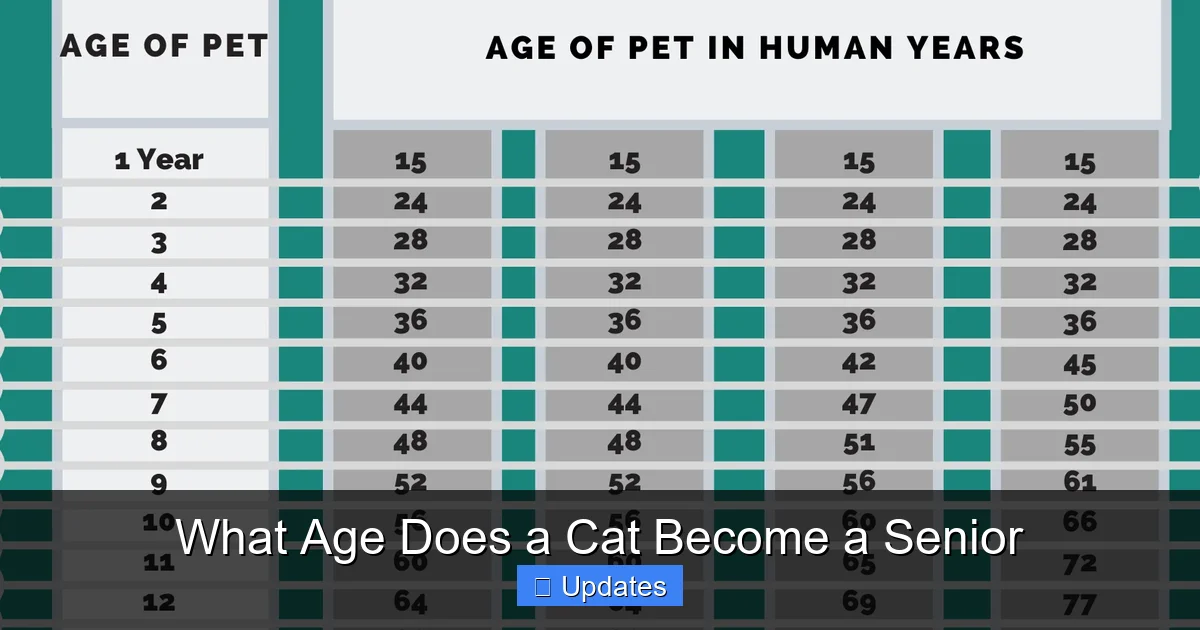
The veterinary community generally agrees that a cat becomes a senior around seven years of age. This milestone marks the point where aging-related health risks increase significantly. According to the American Association of Feline Practitioners (AAFP), cats aged 7 to 10 are considered mature, and those over 11 are classified as senior.
However, it’s important to remember that “senior” isn’t a one-size-fits-all label. Some vets use slightly different cutoffs based on clinical experience and research findings. For example, the Cornell Feline Health Center notes that while 7 is a common starting point, certain breeds or individual health histories may warrant earlier or later classification.
What does this mean for you? It means your cat might officially become a senior before you expect—or after. The key is awareness: once your cat hits seven, start paying closer attention to subtle changes in behavior, appetite, or mobility. These early signals often indicate the need for lifestyle adjustments long before obvious symptoms appear.
Why the Age Range Isn’t Fixed
Unlike human retirement ages, which are standardized by law, cat aging stages vary due to biological differences. Genetics, diet, exercise habits, and even stress levels all influence how quickly a cat ages internally. Indoor cats tend to live longer than outdoor ones, for instance, simply because they face fewer hazards and infections.
Additionally, body size plays a surprising role. Smaller cats—like Singapuras or Siamese—often reach physiological maturity faster and may exhibit senior traits earlier than larger breeds such as Ragdolls or Persians. This doesn’t mean one is “more advanced” than the other; it reflects natural differences in metabolism and organ function.
So when you hear “senior cat at 7,” think of it as a general guideline—not an absolute rule. Your best tool is regular vet visits and open communication with your veterinarian about your cat’s unique health profile.
The Role of Breed Size in Determining Senior Status
Visual guide about What Age Does a Cat Become a Senior
Image source: pethealthmd.com
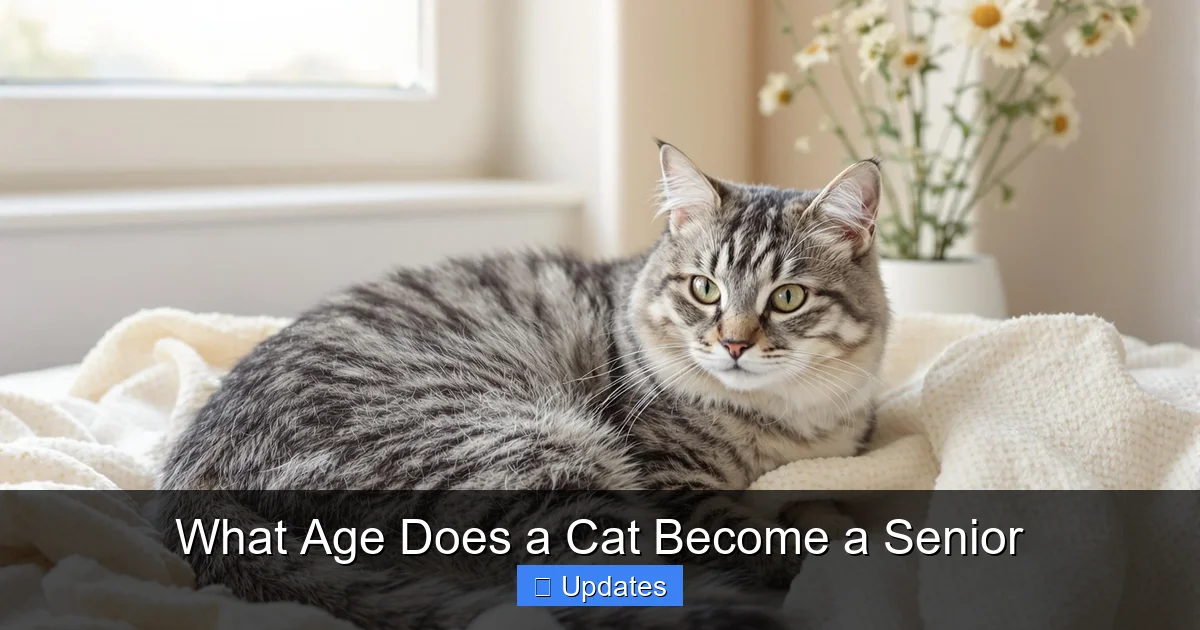
Breed size is one of the most significant factors influencing when a cat enters its senior phase. Smaller cats typically have shorter lifespans and reach senior status sooner, while larger breeds enjoy longer lives but may delay their senior years slightly longer.
For instance, a 10-year-old Abyssinian might clearly be showing signs of aging—reduced playfulness, slower movements, or mild joint stiffness—while a 10-year-old Maine Coon could still be energetic and agile. This difference isn’t random; it stems from evolutionary biology and metabolic rates.
Here’s a quick breakdown:
– Small breeds (under 10 lbs): Often considered senior between 7–10 years.
– Medium breeds (10–15 lbs): Usually reach senior status around 8–10 years.
– Large breeds (15–20 lbs): May not be classified as seniors until 10–12 years.
– Giant breeds (over 20 lbs): Can remain active well into their teens.
Of course, individual variation exists within each category. A healthy, well-cared-for small cat might stay vibrant past 10, while a less active large cat could show senior signs earlier. Always base your assessment on your cat’s behavior and vet recommendations rather than breed alone.
Practical Example: Spotting Differences Between Breeds
Imagine two 9-year-old cats: one is a playful 8-pound Devon Rex, the other a sturdy 16-pound Norwegian Forest Cat. The Devon Rex might nap more frequently, groom less meticulously, and resist climbing stairs. Meanwhile, the Norwegian Forest Cat may still leap onto high shelves and chase laser pointers.
These observations align with breed-specific aging patterns. But again, context matters. If the Devon Rex suddenly stops eating or hides constantly, those behaviors warrant immediate attention—even if they’re still below traditional senior thresholds.
Signs Your Cat Might Be Entering Their Senior Years
Visual guide about What Age Does a Cat Become a Senior
Image source: images.squarespace-cdn.com
Knowing when your cat becomes a senior is only half the battle. The real value comes from recognizing the physical and behavioral shifts that signal aging. Many of these signs overlap with normal aging, but when combined, they suggest it’s time to reassess your pet’s care routine.
Common indicators include:
– Increased sleep (cats naturally sleep 12–16 hours daily, but senior kitties may exceed this)
– Weight loss or gain (especially if appetite remains unchanged)
– Reduced grooming leading to matted fur or skin irritation
– Hesitation jumping up or down
– Changes in litter box habits (more frequent trips, accidents outside the box)
– Dental problems like bad breath, drooling, or difficulty chewing
It’s easy to dismiss these changes as “just part of getting old.” But proactive intervention can prevent minor issues from becoming serious. For example, dental disease affects over 70% of cats over age 5, according to the Veterinary Oral Health Council. Left untreated, it leads to pain, infection, and even organ damage.
When to Schedule a Vet Visit
If you notice two or more of the above signs persisting for a week or more, schedule a wellness exam. Your vet can run blood tests to screen for early-stage diseases like kidney dysfunction or hyperthyroidism—conditions that often sneak up silently in senior cats.
Even without visible symptoms, annual exams are recommended starting at age 7. After that, bi-annual visits help catch problems before they escalate. Think of it like preventive maintenance for your car: routine checks keep everything running smoothly.
Adjusting Care for Senior Cats
Visual guide about What Age Does a Cat Become a Senior
Image source: appgecet.co.in
Transitioning your cat into their senior years doesn’t require dramatic overhauls—but thoughtful tweaks make a big difference. Senior cats thrive on consistency, comfort, and tailored support.
Start with nutrition. Older cats often lose muscle mass and develop sensitive stomachs. Switching to a high-protein, easily digestible senior formula helps maintain strength and energy. Wet food also supports hydration, crucial for kidney health.
Environmental modifications matter too. Place litter boxes on ground level, offer ramps or steps to high surfaces, and ensure fresh water is always accessible. Soft bedding reduces pressure on sore joints, while vertical spaces (cat trees, window perches) encourage gentle movement without strain.
Mental stimulation stays vital. Puzzle feeders, feather wands, and interactive toys prevent boredom and cognitive decline. Even simple games like hide-and-seek with treats keep your cat engaged.
Lastly, monitor stress levels. Loud noises, new pets, or household changes can unsettle aging felines. Maintain routines and provide quiet retreats where your cat feels safe.
Sample Daily Routine for a Senior Cat
– Morning: Fresh water bowl, puzzle toy with treats, 10-minute play session
– Afternoon: Nap time in sunny spot or cozy bed
– Evening: Light grooming, soft meal, calm interaction (no roughhousing)
This structure balances activity with rest, supporting both physical and emotional well-being.
Common Health Issues in Senior Cats
As cats age, they become more susceptible to several chronic conditions. Being aware of these helps you act swiftly if symptoms arise.
Kidney Disease: One of the most common age-related illnesses, affecting nearly 30% of cats over 15. Symptoms include increased thirst, frequent urination, and weight loss.
Hyperthyroidism: Overactive thyroid gland causes rapid weight loss despite good appetite, vomiting, and hyperactivity.
Arthritis: Joint inflammation leads to stiffness, reluctance to jump, and decreased grooming.
Dental Disease: Bacteria from infected gums can spread to internal organs, worsening overall health.
Cancer: While rare in younger cats, tumors become more prevalent after age 10.
Early detection improves outcomes dramatically. Regular blood panels, urinalysis, and oral exams allow vets to manage these conditions effectively.
Preventive Measures You Can Take
– Feed a balanced, species-appropriate diet
– Provide dental chews or water additives to reduce plaque
– Encourage light exercise to maintain joint flexibility
– Keep vaccinations and parasite prevention current
– Monitor weight monthly using a kitchen scale
Simple habits compound over time, reducing your cat’s risk of developing severe complications.
Emotional Wellbeing in Senior Cats
Physical health isn’t the only concern in senior years. Cognitive function, mood, and social needs evolve too. Some cats become clingier, seeking extra affection; others withdraw, preferring solitude.
Changes in personality aren’t always negative. They reflect adaptation to slowing bodies and shifting environments. What matters most is ensuring your cat feels secure and valued.
Create a calming atmosphere with consistent routines, familiar scents (like your laundry detergent), and predictable interactions. Avoid sudden changes in furniture layout or household members.
If your cat seems anxious or disoriented (a condition called feline dementia), consult your vet. Medications and environmental enrichment can ease symptoms and improve quality of life.
Remember, love and patience go a long way. Your presence reassures your cat during uncertain times, reinforcing trust and companionship.
Building a Bond Through Senior Years
Spend quiet moments together—gentle brushing, soft voices, or just sitting nearby. These small gestures strengthen your bond and remind your cat they’re cherished.
Celebrate milestones, whether it’s completing another year or mastering a new trick. Positive reinforcement builds confidence and joy, even in later life.
Ultimately, every cat deserves dignity and comfort in their final years. By staying attuned to their needs, you honor their journey and create lasting memories.
Conclusion: Embracing Your Cat’s Golden Years
So, when does a cat become a senior? Officially, it’s often marked at age 7—but true understanding comes from observing your cat’s unique rhythm. Smaller breeds may transition earlier; larger ones linger in their prime longer. Regardless of timing, the goal remains the same: support your cat with compassion, vigilance, and love.
Regular vet care, nutritious meals, enriching activities, and emotional support set the foundation for happy senior years. Don’t wait for obvious decline—start preparing early by scheduling biannual check-ups and adjusting routines as needed.
Your cat has shared a decade (or more!) of laughter, cuddles, and quiet companionship. Now, it’s your turn to return that gift with attentive care and unwavering devotion.
For more insights on aging pets—including dogs and even senior citizens themselves—explore our related guides. And always remember: every day with your cat is a blessing worth celebrating.
Frequently Asked Questions
At what exact age do cats become seniors?
Most vets classify cats as senior starting at age 7, though definitions vary slightly. Smaller breeds may enter senior status between 7–10 years, while larger breeds like Maine Coons often don’t reach senior classification until 10–12 years old.
Are there differences between male and female senior cats?
No significant gender-based differences exist in when cats become seniors. However, neutered males and spayed females may have slightly different health profiles due to hormonal changes, so discuss any concerns with your vet.
Can indoor cats become seniors later than outdoor cats?
Yes. Indoor cats typically live longer and healthier lives, which can delay the onset of age-related conditions. Outdoor cats face higher risks from accidents, fights, and parasites, potentially shortening their lifespan and accelerating aging effects.
What should I feed my senior cat?
Switch to a high-quality senior formula rich in protein and easily digestible ingredients. Wet food helps maintain hydration, crucial for kidney health. Consult your vet before making dietary changes, especially if your cat has existing health issues.
How often should senior cats visit the vet?
Annual wellness exams are standard, but senior cats benefit from bi-annual visits starting at age 7. These appointments include bloodwork, urinalysis, and dental checks to catch problems early.
Do senior cats need special toys?
Absolutely. Interactive toys, puzzle feeders, and gentle feather wands keep senior cats mentally stimulated and physically active. Avoid strenuous play; focus on low-impact activities that support joint health.