
Senior Whole Health of Ny Partial


Folding Walking Cane
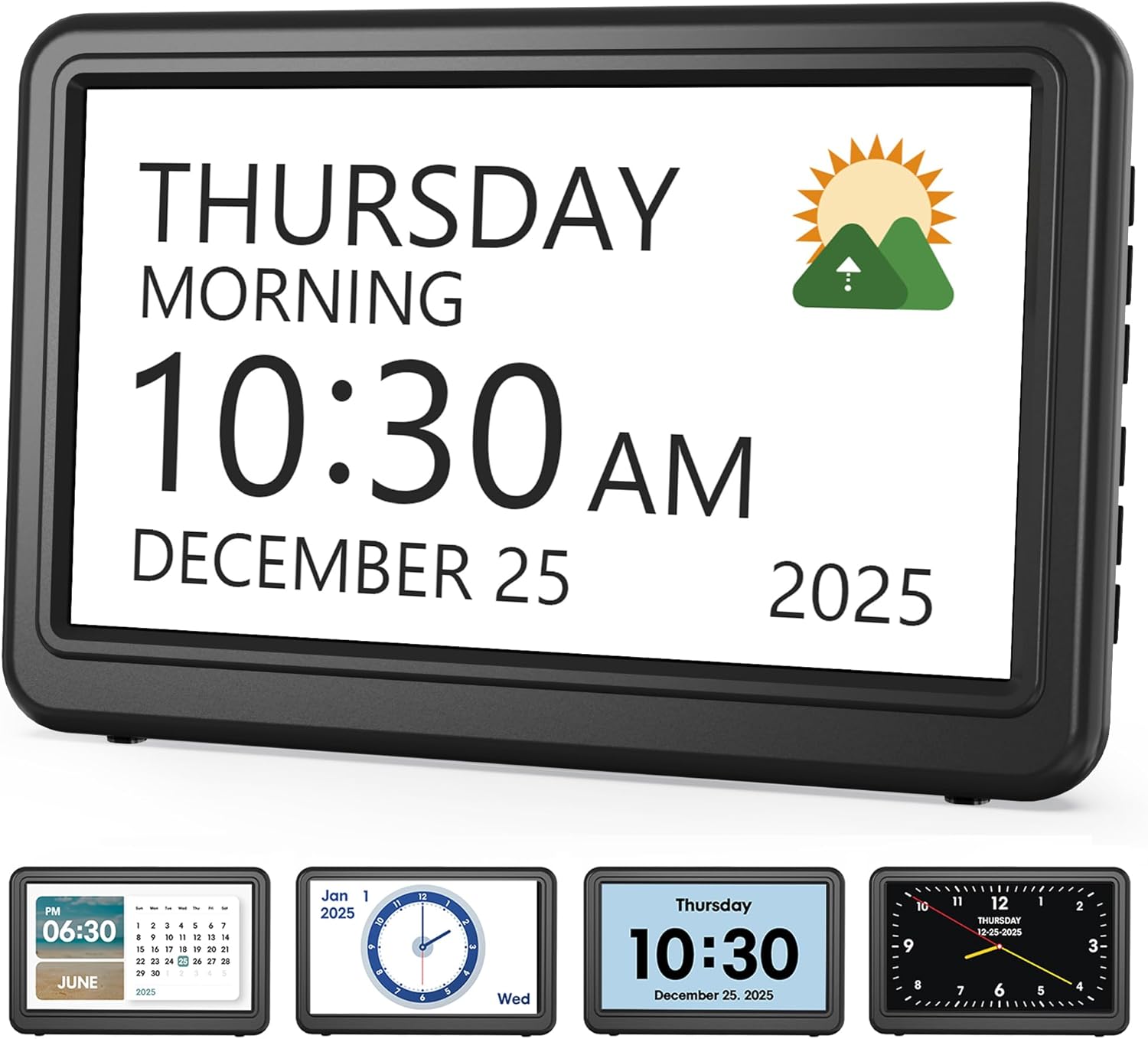
Medication Reminder Alarm

Orthopedic Sandals
Senior Whole Health of NY Partial is a specialized Medicaid Managed Long-Term Care (MLTC) plan designed to help New York seniors live safely and independently at home. It offers coordinated medical, social, and personal care services tailored to individual needs, ensuring holistic support for aging adults.
Key Takeaways
- Comprehensive Care Coordination: Senior Whole Health of NY Partial provides a dedicated care team to manage medical, social, and daily living needs, reducing stress for members and families.
- Home-Based Services: The plan emphasizes aging in place by delivering nursing, therapy, personal care, and home modifications directly to your residence.
- Eligibility Based on Medicaid and Functional Need: To qualify, individuals must be eligible for Medicaid and require help with at least two daily activities like bathing, dressing, or managing medications.
- No Premiums or Deductibles: As a Medicaid-based plan, there are typically no monthly premiums, deductibles, or copays for covered services.
- Personalized Care Plans: Each member receives a customized care plan developed with input from doctors, caregivers, and the individual to ensure all needs are met.
- Support for Caregivers: The program includes resources and respite care to support family caregivers, helping prevent burnout.
- Easy Enrollment Process: Enrollment is facilitated through local departments of social services or directly with Senior Whole Health, with assistance available throughout.
📑 Table of Contents
- What Is Senior Whole Health of NY Partial?
- Who Is Eligible for Senior Whole Health of NY Partial?
- Services Covered by Senior Whole Health of NY Partial
- How the Care Coordination Model Works
- Benefits of Choosing Senior Whole Health of NY Partial
- How to Enroll in Senior Whole Health of NY Partial
- Real-Life Example: Maria’s Story
- Conclusion
What Is Senior Whole Health of NY Partial?
Senior Whole Health of NY Partial is a Medicaid Managed Long-Term Care (MLTC) plan created specifically for older adults in New York who need ongoing support to live safely and comfortably at home. Unlike traditional health insurance that focuses mainly on doctor visits and hospital care, this plan takes a holistic approach—addressing not just medical needs, but also daily living challenges, social isolation, and long-term wellness.
The “Partial” in the name refers to the fact that this plan covers long-term services and supports (LTSS), but does not include acute medical care like hospital stays or specialist visits—those are still covered under standard Medicaid or Medicare. Instead, Senior Whole Health of NY Partial steps in to manage the day-to-day care that helps seniors avoid nursing homes and stay in familiar surroundings. Think of it as a bridge between medical care and real-life living, ensuring that older adults receive consistent, coordinated support tailored to their unique situations.
This program is ideal for individuals who are 65 or older (or younger with a disability), eligible for Medicaid, and need help with at least two activities of daily living (ADLs)—such as bathing, dressing, eating, or moving around the house. It’s designed for people who want to maintain independence but can’t do so without assistance. By combining medical oversight with personal care, transportation, meal delivery, and even home safety assessments, the plan creates a safety net that promotes dignity, health, and peace of mind.
Who Is Eligible for Senior Whole Health of NY Partial?
Eligibility for Senior Whole Health of NY Partial is based on two main factors: financial need and functional ability. First, you must be eligible for New York State Medicaid. This means your income and assets must fall within state guidelines, which vary depending on household size and other factors. Medicaid eligibility is determined by your local Department of Social Services (DSS), and Senior Whole Health works closely with these agencies to streamline the process.

Visual guide about Senior Whole Health of Ny Partial
Image source: blueskieswellnessinc.org
Second, you must require assistance with at least two activities of daily living (ADLs). These include tasks like bathing, dressing, grooming, eating, toileting, and mobility. A formal assessment, usually conducted by a nurse or social worker, evaluates your ability to perform these tasks independently. If the assessment confirms that you need help with two or more ADLs, you may qualify for the plan. Additionally, individuals with cognitive impairments—such as dementia or Alzheimer’s—who need supervision or prompting for daily activities may also be eligible, even if they only need help with one ADL.
Age and Residency Requirements
To enroll, you must be a resident of New York State and either 65 years or older, or under 65 with a qualifying disability. The plan is available in most counties across the state, though availability can vary. It’s important to check with your local DSS or contact Senior Whole Health directly to confirm whether the plan operates in your area.
Income and Asset Limits
Medicaid has strict financial limits. As of 2024, an individual applicant can have a monthly income of up to $934 (or $1,367 for a couple) and assets not exceeding $24,000 for an individual or $36,000 for a couple. However, certain assets—like your primary home, one vehicle, and personal belongings—are typically excluded from the count. If your income or assets are slightly above these limits, you may still qualify through a “spend-down” process, where medical expenses are deducted from your income to meet eligibility.
Functional Assessment Process
The functional assessment is a critical step. A trained evaluator will visit your home to observe how you manage daily tasks. They’ll ask questions about your routines, medications, mobility, and support system. This isn’t meant to be intimidating—it’s designed to understand your real-life needs so the care team can build a plan that works for you. For example, if you struggle with bathing due to balance issues, the plan might include a home health aide twice a week and recommend grab bars in the shower.
Services Covered by Senior Whole Health of NY Partial
One of the biggest advantages of Senior Whole Health of NY Partial is the wide range of services it covers—all aimed at helping you live safely and independently at home. These services are coordinated by a dedicated care manager who acts as your main point of contact, ensuring everything runs smoothly and your needs are met.

Visual guide about Senior Whole Health of Ny Partial
Image source: cpboston.com
Personal Care Services
This includes help with bathing, dressing, grooming, toileting, and eating. Trained home health aides visit your home on a schedule that fits your needs—whether it’s daily, a few times a week, or just a few hours at a time. For example, Mrs. Rodriguez, an 82-year-old member in Brooklyn, receives help with morning routines three times a week so she can get dressed, take her medications, and have breakfast without stress.
Nursing and Skilled Care
Registered nurses provide skilled services like wound care, medication management, and monitoring chronic conditions such as diabetes or heart disease. They also train family caregivers on how to safely assist with medical tasks. If you have a recent hospitalization or surgery, a nurse may visit to ensure your recovery is on track and prevent readmission.
Therapy Services
Physical, occupational, and speech therapy are available to help improve mobility, strength, and communication. These services are especially helpful after an injury, stroke, or surgery. Therapists work with you in your home to create exercises and strategies that fit your lifestyle. For instance, a physical therapist might help you practice walking with a walker and suggest home modifications like removing loose rugs to prevent falls.
Home Modifications and Durable Medical Equipment
The plan may cover essential home safety upgrades such as grab bars, shower chairs, ramps, or stairlifts. It also provides durable medical equipment like wheelchairs, hospital beds, or oxygen tanks. These supports are crucial for preventing accidents and maintaining independence. A care manager will assess your home and recommend changes based on your specific needs.
Transportation and Meal Delivery
Non-emergency medical transportation is available for appointments, therapies, or pharmacy visits. This ensures you don’t miss important care due to lack of transportation. Additionally, the plan may cover meal delivery services like Meals on Wheels, providing nutritious meals tailored to dietary needs—such as low-sodium or diabetic-friendly options.
Social and Recreational Support
Isolation is a major concern for many seniors. Senior Whole Health of NY Partial addresses this by connecting members with community programs, senior centers, and social activities. Some plans even offer companion services, where a caregiver spends time chatting, playing games, or going for walks—helping to boost mental and emotional well-being.
How the Care Coordination Model Works
At the heart of Senior Whole Health of NY Partial is a team-based approach to care. Instead of navigating multiple providers on your own, you’re assigned a care manager—usually a nurse or social worker—who coordinates all aspects of your care. This person becomes your advocate, working with doctors, therapists, home health aides, and family members to ensure nothing falls through the cracks.
The care manager starts by conducting a comprehensive assessment to understand your medical history, daily routines, support system, and personal goals. From there, they develop a personalized care plan that outlines the services you’ll receive, who will provide them, and how often. This plan is reviewed and updated regularly—typically every 90 days or whenever your needs change.
Regular Check-Ins and Adjustments
Your care manager will check in with you regularly—by phone, video call, or in person—to see how you’re doing and whether your services are meeting your needs. If you’re feeling more fatigued than usual or having trouble with a new medication, they can adjust your care plan accordingly. For example, if you’re recovering from pneumonia, they might increase nursing visits or add respiratory therapy.
Communication with Providers
The care team also communicates directly with your doctors and specialists. This ensures that everyone is on the same page about your treatment plan, medications, and any changes in your condition. It reduces the risk of conflicting advice or duplicated tests, making your care more efficient and effective.
Family Involvement
Family members are encouraged to participate in care planning. Your care manager can provide training on how to assist with daily tasks, recognize warning signs of health issues, and access community resources. They also offer emotional support and respite care options to help caregivers avoid burnout.
Benefits of Choosing Senior Whole Health of NY Partial
Choosing Senior Whole Health of NY Partial isn’t just about getting help—it’s about gaining control over your health and lifestyle. The plan offers numerous benefits that go beyond basic care, focusing on dignity, independence, and quality of life.
Aging in Place
One of the most significant advantages is the ability to remain in your own home. Research shows that most seniors prefer to age in familiar surroundings, and studies indicate that home-based care can lead to better health outcomes and lower costs compared to institutional care. With support for daily tasks, medical monitoring, and home safety, you can enjoy the comfort and independence of home for longer.
Reduced Hospitalizations and ER Visits
Because the plan emphasizes preventive care and regular monitoring, members are less likely to experience emergencies that lead to hospital stays. For example, a nurse visiting weekly to check blood pressure and medication adherence can catch early signs of heart failure before it becomes critical. This not only improves health but also reduces stress and healthcare costs.
Holistic Support
Senior Whole Health of NY Partial recognizes that health isn’t just physical. The plan addresses emotional, social, and environmental factors that impact well-being. Whether it’s connecting you with a support group, arranging transportation to a senior center, or providing counseling services, the goal is to support your whole person—not just your medical conditions.
Cost Savings
As a Medicaid-based plan, there are typically no monthly premiums, deductibles, or copays for covered services. This makes high-quality, long-term care accessible to low-income seniors who might otherwise struggle to afford support. Even services like home modifications or meal delivery are covered at no extra cost.
Peace of Mind for Families
For family caregivers, knowing that a professional team is managing their loved one’s care brings immense relief. They can focus on being family—not full-time caregivers—while still being involved in decision-making. Respite care services also give caregivers a much-needed break, reducing stress and improving family relationships.
How to Enroll in Senior Whole Health of NY Partial
Enrolling in Senior Whole Health of NY Partial is a straightforward process, but it does require some preparation. The first step is determining your eligibility for Medicaid. If you’re not already enrolled, contact your local Department of Social Services (DSS) to apply. You can find your local office through the New York State Office of Temporary and Disability Assistance website or by calling 311 in New York City.
Once you’re approved for Medicaid, you’ll need to complete a functional assessment to determine if you qualify for long-term care services. This assessment is usually arranged by your DSS or a designated evaluation agency. Be honest about your abilities and challenges—this helps ensure you receive the right level of support.
Choosing a Plan
New York offers several MLTC plans, so you’ll have options. Senior Whole Health of NY Partial is one of the largest and most established providers, known for its strong care coordination and member support. You can compare plans using the New York State Department of Health’s MLTC enrollment guide or speak with a health insurance counselor through the Health Insurance Information, Counseling and Assistance Program (HIICAP).
Enrollment Assistance
If you need help, Senior Whole Health offers enrollment specialists who can guide you through the process, answer questions, and help you complete paperwork. They can also assist with scheduling assessments and connecting you with community resources. Many people find it helpful to have a family member or trusted friend join them during this process.
What Happens After Enrollment?
Once enrolled, you’ll be assigned a care manager who will contact you within a few days to begin the care planning process. They’ll schedule a home visit, review your medical records, and work with you to create a personalized care plan. Services typically begin within 30 days of enrollment, though urgent needs may be addressed sooner.
Real-Life Example: Maria’s Story
Maria, a 78-year-old widow from the Bronx, had been managing her diabetes and arthritis on her own for years. But after a fall that left her with a fractured hip, she struggled to bathe, cook, and take her medications correctly. Her daughter, concerned about her safety, helped her apply for Medicaid and enroll in Senior Whole Health of NY Partial.
Within weeks, Maria was receiving daily visits from a home health aide who helped with bathing and dressing. A nurse checked her blood sugar and taught her how to use a new insulin pen. A physical therapist came twice a week to help her regain strength and balance. The plan also installed grab bars in her bathroom and arranged for Meals on Wheels to deliver low-sodium meals.
“I didn’t want to go to a nursing home,” Maria said. “This plan gave me my life back. I’m still in my own apartment, surrounded by my things, and I feel safe.” Her daughter added, “Knowing Maria has support every day has taken a huge weight off my shoulders.”
Conclusion
Senior Whole Health of NY Partial is more than just a health plan—it’s a lifeline for older adults who want to live independently, safely, and with dignity. By combining medical oversight, personal care, and social support, it addresses the full spectrum of needs that come with aging. Whether you’re managing chronic conditions, recovering from an illness, or simply need help with daily tasks, this plan offers a comprehensive, compassionate solution.
If you or a loved one is eligible for Medicaid and needs assistance with daily living, exploring Senior Whole Health of NY Partial could be a life-changing decision. The enrollment process is designed to be accessible, and the benefits—ranging from home-based care to caregiver support—are invaluable. Don’t wait until a crisis occurs. Reach out today to learn more and take the first step toward a healthier, more secure future.
Frequently Asked Questions
What is the difference between Senior Whole Health of NY Partial and a full Medicaid plan?
Senior Whole Health of NY Partial is a Managed Long-Term Care (MLTC) plan that covers long-term services like home health aides, therapy, and personal care. It does not cover acute medical care such as hospital stays or specialist visits, which are handled by standard Medicaid or Medicare. A full Medicaid plan includes both medical and long-term care benefits.
Can I keep my current doctors if I enroll?
Yes, in most cases you can continue seeing your current doctors. Senior Whole Health of NY Partial coordinates with your existing providers and ensures they’re informed about your care plan. However, it’s best to confirm with your care manager that your doctors are part of the network or can be included.
Is there a waiting period to receive services?
Services typically begin within 30 days of enrollment, though urgent needs may be addressed sooner. Your care manager will prioritize services based on your assessment and work to get support in place as quickly as possible.
What if my needs change after enrollment?
Your care plan is reviewed and updated regularly—usually every 90 days or whenever your condition changes. If you need more or fewer services, your care manager will adjust your plan accordingly and coordinate any new supports.
Can family members be paid caregivers?
In some cases, yes. New York’s Consumer Directed Personal Assistance Program (CDPAP) allows you to hire and manage your own caregivers, including family members (except spouses or legal guardians). Senior Whole Health can help you explore this option if it fits your needs.
How do I contact Senior Whole Health of NY Partial?
You can call their member services line at 1-800-XXX-XXXX, visit their website at www.seniorwholehealthny.com, or contact your local Department of Social Services for enrollment assistance. Representatives are available Monday through Friday to answer questions and help with the process.