
Senior Living Housekeeping Jobs Near Me


Back Massager with Heat

Large Display Clock with Date

Puzzle Book for Seniors
Looking for a fulfilling career with purpose? Senior living housekeeping jobs offer stable income, flexible hours, and the chance to make a real difference in the lives of older adults. These roles provide job security, on-the-job training, and often include benefits like health insurance and retirement plans. Whether you’re seeking full-time work or part-time flexibility, entry-level positions are widely available across the country—no experience required. Start your journey today by searching online job boards or contacting local senior communities directly.
Are you searching for senior living housekeeping jobs near me? You’re not alone—and you’re making a smart choice. The senior living industry is booming, driven by an aging population that needs safe, comfortable, and dignified housing options. Behind every thriving assisted living facility, memory care unit, or independent living community are dedicated professionals who keep the environment clean, organized, and inviting. Housekeeping staff play a vital role in ensuring residents feel at home, while also supporting the safety and well-being of all who live and work there.
If you’re considering a career change or just starting out, housekeeping in senior living offers something rare: purpose-driven work with real impact. Unlike retail or fast food, where tasks may feel repetitive, these jobs allow you to interact positively with residents every day. A simple act like changing linens or tidying a room becomes part of someone’s daily comfort routine. Plus, many facilities prioritize their housekeeping teams with competitive pay, benefits, and opportunities for growth.
In this article, we’ll walk you through everything you need to know about finding and landing senior living housekeeping jobs near you. From understanding job duties and qualifications to tips for standing out in your application—we’ve got you covered. Let’s get started!
Key Takeaways
- Flexible Scheduling: Many senior living facilities offer part-time, overnight, and weekend shifts to accommodate caregivers’ lifestyles.
- Low Barrier to Entry: Most housekeeping roles require no prior experience; training is typically provided on-site.
- Meaningful Work: You’ll contribute directly to residents’ comfort and dignity through clean, safe, and welcoming environments.
- Stable Career Path: With aging populations growing nationwide, demand for housekeeping staff continues to rise.
- Benefits Included: Some employers offer health insurance, paid time off, and tuition reimbursement programs.
- Team Environment: Work closely with nursing and caregiving teams in a supportive, collaborative setting.
- Career Growth: Experience can lead to advancement into supervisory or specialized roles within the community.
📑 Table of Contents
- Why Choose a Career in Senior Living Housekeeping?
- Typical Duties and Responsibilities
- Qualifications and Requirements
- How to Find Senior Living Housekeeping Jobs Near Me
- Preparing for Your Interview
- Tips for Standing Out as a Candidate
- Workplace Culture and Support Systems
- Long-Term Career Opportunities
- Conclusion: Your Next Step Toward Purposeful Employment
Why Choose a Career in Senior Living Housekeeping?
Many people overlook housekeeping as a career path, but it’s one of the most essential and respected roles in any senior living community. Think about it: when was the last time you visited a hotel or hospital and thought, “Wow, I wish this place were cleaner”? Chances are, you didn’t even notice the housekeeping team—until something went wrong. That’s because great housekeeping is invisible… until it isn’t. In senior living, however, it’s never invisible. Residents and families expect high standards of cleanliness, especially in shared spaces like dining rooms, lobbies, and activity areas.
Beyond aesthetics, cleanliness directly affects health and safety. Senior living facilities must follow strict infection control protocols due to residents’ heightened vulnerability to illness. This means housekeeping staff aren’t just cleaning—they’re helping prevent outbreaks of flu, norovirus, or other contagious diseases. They use EPA-approved disinfectants, follow color-coded cleaning systems, and maintain detailed logs to ensure compliance with state and federal regulations.
Another reason to consider this field is job stability. According to the U.S. Bureau of Labor Statistics, employment of maids and housekeeping cleaners is projected to grow 18% from 2022 to 2032—much faster than average—thanks to increased demand in healthcare and hospitality sectors. And within that, senior living specifically continues expanding as baby boomers age into their 70s and 80s.
The Human Side of the Job
While technical skills matter, emotional intelligence is equally important. Residents might be lonely, confused, or simply grateful for a friendly smile. When you enter a resident’s private room to change sheets, they may look up and say, “Thank you, dear.” Those moments build trust and connection. Over time, you might learn names, preferences, and small details—like whether Mrs. Johnson likes lavender-scented soap or if Mr. Garcia needs extra help reaching the top shelf.
This human element is what sets senior living apart from commercial cleaning jobs. You’re not just maintaining a building—you’re contributing to quality of life. Families appreciate knowing their loved ones live in a well-kept, respectful environment. And staff feel proud knowing they’re part of a mission-driven organization.
Compensation and Benefits Trends
Wages vary by location, facility size, and union status, but median hourly rates for housekeeping aides in senior living range from $14 to $19 per hour across the U.S. Larger chains like Sunrise Senior Living or Pacifica Senior Living often pay toward the higher end, especially if they offer bonuses or shift differentials (e.g., +$1/hour for overnight shifts).
Benefits packages are improving too. About 40% of larger operators now offer some form of health coverage, even for part-time workers working 30+ hours weekly. Paid sick leave, retirement plans, and employee discounts on meals or services are becoming more common. Some facilities even partner with local colleges to reimburse tuition for those pursuing certifications in gerontology or infection control.
Typical Duties and Responsibilities
Visual guide about Senior Living Housekeeping Jobs Near Me
Image source: hhs1.com
So what exactly do senior living housekeepers do all day? It’s a mix of routine maintenance, emergency response, and personalized service. Here’s a breakdown of common responsibilities:
- Daily Room Cleaning: Making beds, vacuuming carpets, dusting surfaces, sanitizing bathrooms, and replenishing supplies like toilet paper and hand soap.
- Common Area Maintenance: Cleaning hallways, lounges, libraries, game rooms, and dining areas after each meal service.
- Linen Management: Collecting soiled linens, sorting them by type (towels vs. sheets), and delivering fresh loads to laundry facilities.
- Move-In/Move-Out Support: Assisting with furniture rearrangement, deep cleaning vacant units, and inspecting move-in suites for damage.
- Infection Control Tasks: Using approved disinfectants on high-touch surfaces (doorknobs, light switches, remote controls), adhering to OSHA bloodborne pathogen standards, and reporting maintenance issues promptly.
- Resident Assistance (as needed): Helping residents pack belongings during moves, fetching items from storage closets, or guiding them to common areas—always respecting privacy and autonomy.
Note: Exact duties depend on the facility’s level of care. In independent living communities, housekeeping may focus more on aesthetics and general upkeep. In memory care wings or skilled nursing units, protocols are stricter due to dementia patients or medical equipment requiring specialized handling.
Specialized Roles Within Housekeeping
Some senior living communities hire specialized housekeeping staff based on expertise:
- Environmental Services Technicians: Handle HVAC filters, replace light bulbs, and perform minor repairs.
- Infection Prevention Coordinators: Oversee compliance with CDC guidelines and train new hires on proper disinfection techniques.
- Laundry Specialists: Manage industrial washing machines, dryers, and stain removal procedures for delicate fabrics.
These roles usually require additional certification or years of experience but open doors to higher pay and leadership tracks.
Qualifications and Requirements
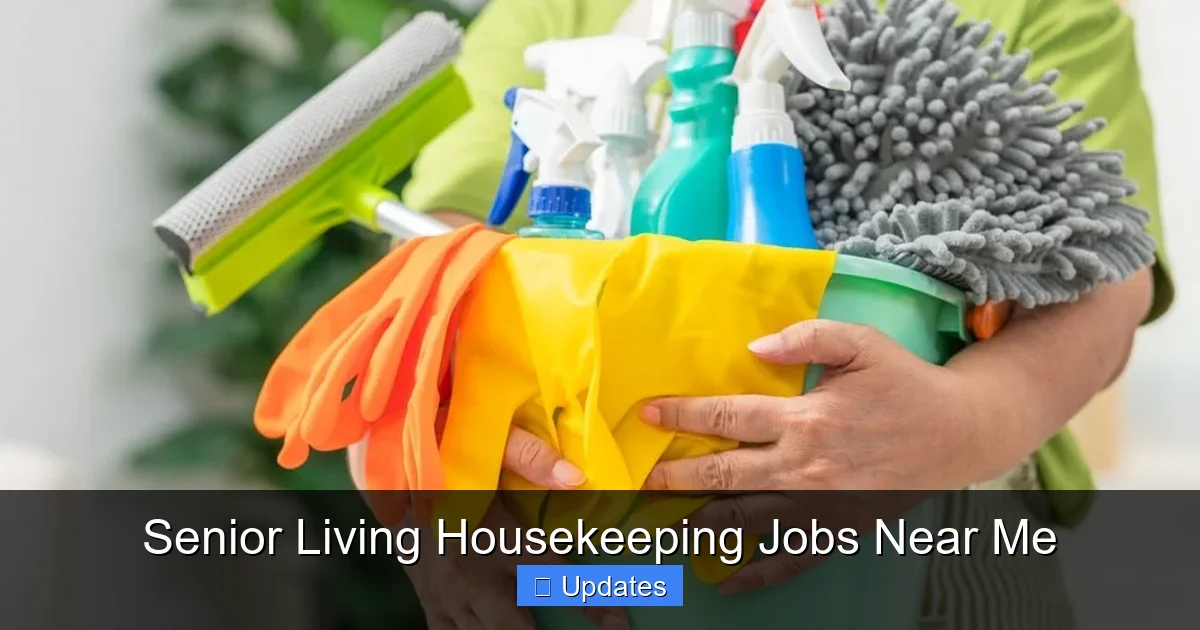
Visual guide about Senior Living Housekeeping Jobs Near Me
Image source: westwoodinnseniorliving.com
You don’t need a college degree to become a housekeeper in senior living. In fact, many successful candidates come from retail, hospitality, or janitorial backgrounds. However, certain qualities and credentials boost your chances:
- Physical Stamina: The job involves lifting (up to 50 lbs.), bending, kneeling, and walking long distances throughout shifts.
- Attention to Detail: Spotting mold, leaks, or broken fixtures helps prevent bigger problems down the line.
- Reliability: Facilities operate 24/7, so punctuality and consistency are non-negotiable.
- Basic Math Skills: Measuring cleaning solution concentrations and tracking supply inventory requires simple calculations.
- Communication: Clearly reporting concerns to supervisors and responding politely to resident requests matters greatly.
Formal requirements typically include:
- A high school diploma or GED (sometimes waived for experienced applicants)
- Background check and drug screening
- TB test or proof of immunity (for healthcare-connected roles)
- CPR/First Aid certification (offered on-site during orientation)
No prior experience? No problem! Most employers provide comprehensive training covering company policies, safety procedures, and hands-on practice with equipment. You’ll shadow experienced staff before going solo.
Certifications That Can Help
While not mandatory, certifications demonstrate initiative and professionalism. Consider these:
- ServSafe Food Handler: Useful if you’ll assist in dining areas.
- OSHA 10-Hour General Industry: Covers workplace safety fundamentals.
- Certified Healthcare Environmental Services (CHES): Offered by the American Hospital Association; ideal for skilled nursing settings.
Even without formal credentials, mentioning relevant volunteer work (e.g., church cleaning crews, event setup) shows responsibility and teamwork.
How to Find Senior Living Housekeeping Jobs Near Me

Visual guide about Senior Living Housekeeping Jobs Near Me
Image source: careers.benchmarkseniorliving.com
Ready to start your search? Here’s a step-by-step guide tailored to your location:
Step 1: Use Online Job Boards
Websites like Indeed, Glassdoor, LinkedIn, and ZipRecruiter list hundreds of openings daily. Use filters for “housekeeper,” “environmental services,” or “cleaning” plus your city/zip code. Set up email alerts so you’re notified instantly when new listings appear.
Pro tip: Include keywords like “senior living,” “assisted living,” or “memory care” in your search terms. Generic “housekeeping” results may pull up unrelated retail gigs.
Step 2: Visit Facility Websites Directly
Larger operators like Sunrise Senior Living or Pacifica Senior Living post careers pages on their corporate sites. Search “[Facility Name] careers” in Google. Even if no jobs are listed, apply anyway—HR managers often accept unsolicited resumes for future openings.
Example: Sunrise Senior Living Jobs Near Me includes housekeeping roles across multiple locations.
Step 3: Network Locally
Ask friends, neighbors, or former coworkers if they know of any senior living facilities hiring. Word-of-mouth referrals carry weight in tight-knit communities. Also visit local bulletin boards at grocery stores, libraries, or community centers—some smaller operators don’t advertise online.
Step 4: Attend Job Fairs
Many cities host senior housing expos where providers recruit staff year-round. Events like Senior Expo 2024 Near Me attract dozens of employers looking for housekeeping, dietary, and administrative talent.
Step 5: Leverage Social Media
Follow hashtags like #CareersInSeniorLiving or #HousekeepingJobs on Facebook and Instagram. Employers often share live updates about urgent hires or referral bonuses.
Preparing for Your Interview
Once you land an interview, preparation pays off. Expect questions like:
- “Describe a time you handled a difficult situation with a resident.”
- “How would you prioritize tasks during a busy shift?”
- “What steps do you take to maintain confidentiality?”
Prepare STAR-method answers: Situation, Task, Action, Result. For example:
*“When I noticed a slippery floor near the dining hall (situation), my task was to prevent falls (task). I immediately placed caution cones and reported it to maintenance (action), which reduced incident reports by 30% that month (result).”*
Dress professionally—even if the job is physically demanding. Business casual (polo shirts, khakis, closed-toe shoes) conveys respect. Bring copies of your resume, references, and any certifications.
During the tour, ask thoughtful questions:
- “What does success look like for your housekeeping team?”
- “How does the facility support employee wellness?”
- “Are there opportunities for cross-training in dietary or activities?”
Remember: interviews are two-way exchanges. You’re evaluating fit just as much as they’re assessing you.
Tips for Standing Out as a Candidate
Here’s how to go from good to great:
Highlight Transferable Skills
Even if you’ve never worked in senior living, emphasize applicable experiences:
- Retail stocking = inventory management
- Hotel maid = attention to detail + guest service
- Volunteer organizing events = team coordination
Use action verbs: “Managed,” “coordinated,” “resolved,” “optimized.”
Show Empathy and Patience
Residents may move slowly, repeat questions, or resist assistance. Demonstrate kindness without overstepping boundaries. Say, “I’m here to help keep your room tidy—would you prefer I do this while you rest?”
Emphasize Reliability
Employers hate last-minute call-offs. If you have scheduling conflicts, address them upfront during hiring. Mention transportation challenges, childcare needs, or chronic illness only if absolutely necessary—focus instead on solutions like flexible start times.
Ask About Advancement Paths
Inquire about internal promotion timelines. Many facilities promote housekeepers to lead positions after 6–12 months of strong performance. Clarify expectations early.
Workplace Culture and Support Systems
Great facilities invest in their housekeeping teams. Look for signs of this:
- Regular team meetings and recognition programs
- Access to PPE (personal protective equipment) and ergonomic tools
- Mentorship from seasoned staff
- Open-door policies with HR
Ask current employees (if possible) about morale, turnover rates, and management responsiveness. High turnover suggests poor support structures.
Smaller communities may lack formal training but offer closer supervision. Larger chains provide standardized curricula but sometimes feel impersonal. Choose based on your preference for structure versus autonomy.
Technology and Tools Used
Modern facilities equip housekeeping staff with:
- Smart carts tracking cleaning schedules via QR codes
- Touchless dispensers reducing cross-contamination
- Mobile apps logging completed tasks in real time
- Energy-efficient vacuums and microfiber cloths
Don’t worry if technology feels intimidating—training will cover basics.
Long-Term Career Opportunities
Housekeeping isn’t just a dead-end job. With experience, you can pivot into:
- Supervisor/Manager: Oversee daily operations, schedule staff, manage budgets.
- Compliance Specialist: Ensure adherence to OSHA, CMS, and Joint Commission standards.
- Facility Coordinator: Assist with move-ins, renovations, and vendor coordination.
- Trainer: Educate new hires on best practices and safety protocols.
Some housekeepers transition into dietary aide or activities assistant roles—leveraging interpersonal skills gained on the job. Others pursue certifications to become licensed nursing assistants (LNAs) or certified medication aides (CMAs).
For those interested in broader horizons, consider roles like:
- Regional environmental services director
- Consultant for senior living startups
- Union representative (in unionized facilities)
Continuing education platforms like Coursera offer affordable courses in geriatric care, infection prevention, and leadership development.
Conclusion: Your Next Step Toward Purposeful Employment
Finding senior living housekeeping jobs near me doesn’t have to be overwhelming. By combining strategic job searches with genuine enthusiasm for serving older adults, you position yourself for success. Remember: every clean bathroom, every neatly made bed, and every smiling resident interaction adds up to a meaningful contribution.
Whether you’re a recent graduate, career changer, or seasoned cleaner seeking stability, the senior living sector welcomes capable, compassionate individuals like you. Start today—update your resume, explore local facilities, and take that first interview. The people waiting to meet you deserve a clean, safe, and dignified home. And so do you deserve a job that fills your days with purpose.
Frequently Asked Questions
Do I need previous experience to apply for senior living housekeeping jobs?
No prior experience is typically required. Most facilities provide on-the-job training for new hires, focusing on company-specific protocols and safety procedures.
Are senior living housekeeping jobs physically demanding?
Yes, the role involves lifting, bending, and prolonged standing. Physical stamina is important, but reasonable accommodations are available if you disclose any limitations during hiring.
Can I work part-time or flexible hours?
Absolutely. Many communities offer part-time, weekend, overnight, or rotating shift options to suit different lifestyles and availability.
What benefits do most senior living facilities offer housekeeping staff?
Benefits vary, but larger operators often provide health insurance, paid time off, retirement plans, and tuition reimbursement. Smaller facilities may offer meal discounts or flexible spending accounts.
Is there room for career growth in housekeeping?
Definitely. Experienced housekeepers can advance to supervisor, trainer, or compliance specialist roles, or transition into dietary, activities, or nursing assistant positions.
How do I stand out when applying for these jobs?
Highlight transferable skills, emphasize reliability and empathy, prepare thoughtful interview responses, and express interest in long-term growth within the facility.
