
Senior Ice Hockey Shin Guards


Handheld Shower Head

Shower Chair for Elderly

Foot Massager Machine
Senior ice hockey shin guards are essential for players over 35 who want to stay safe and competitive. These specialized protective gear reduce injury risk during high-speed play. With better materials and ergonomic designs, they offer comfort without sacrificing protection.
Key Takeaways
- Proper fit is critical: Senior shin guards should cover from just below the knee to mid-shin, with snug but not tight straps.
- Material matters: Look for lightweight composites or thermoplastics that absorb impact while staying comfortable during long games.
- Ventilation helps: Mesh panels and breathable liners prevent overheating during intense shifts.
- Adjustability ensures longevity: Choose models with customizable straps and sizing systems to grow into or share with teammates.
- Safety certifications count: Always check for approved standards like HECC or ASTM to ensure real-world protection.
- Maintenance extends life: Hand wash, air dry, and inspect regularly for cracks or loose padding—don’t toss them after one season.
- Pair with elbow pads: Full-body protection starts with matching senior ice hockey elbow pads for balanced defense.
📑 Table of Contents
- Introduction: Why Senior Ice Hockey Shin Guards Matter
- Understanding Senior-Specific Design Needs
- Top Features to Look For in Senior Shin Guards
- How to Properly Fit Your Senior Ice Hockey Shin Guards
- Maintenance and Longevity of Your Shin Guards
- Comparing Leading Brands for Senior Players
- Choosing the Right Level of Protection
- Conclusion: Gear Up Smart, Play Safe
Introduction: Why Senior Ice Hockey Shin Guards Matter
Hey there, fellow hockey enthusiast! Whether you’re lacing up your skates for a pickup game or heading into your 40th season of pond hockey, protecting your lower legs is non-negotiable. As we age, our bodies change—our bones become more brittle, muscles less resilient, and recovery times longer. That’s why choosing the right senior ice hockey shin guards isn’t just about compliance; it’s about smart, proactive self-care.
Unlike youth models built for growth spurts and developing frames, senior shin guards are engineered with mature athletes in mind. They prioritize impact absorption, anatomical contouring, and all-day comfort. You won’t find flimsy plastic shells or oversized padding that slips off during a hard check. Instead, you get sleek designs that move with your body, whether you’re sprinting down the wing or taking a slapshot from the point. And let’s be honest—no one wants to hobble off the ice because their guard dug into their knee all night.
Understanding Senior-Specific Design Needs
The Biology Behind Better Protection
As players age past 35, their risk of serious leg injuries increases due to reduced bone density and slower reaction times. A well-fitted shin guard can mean the difference between a bruised shin and a fractured tibia. Senior-specific models address this by using denser foam cores and reinforced strike zones that dissipate force more effectively than generic options.
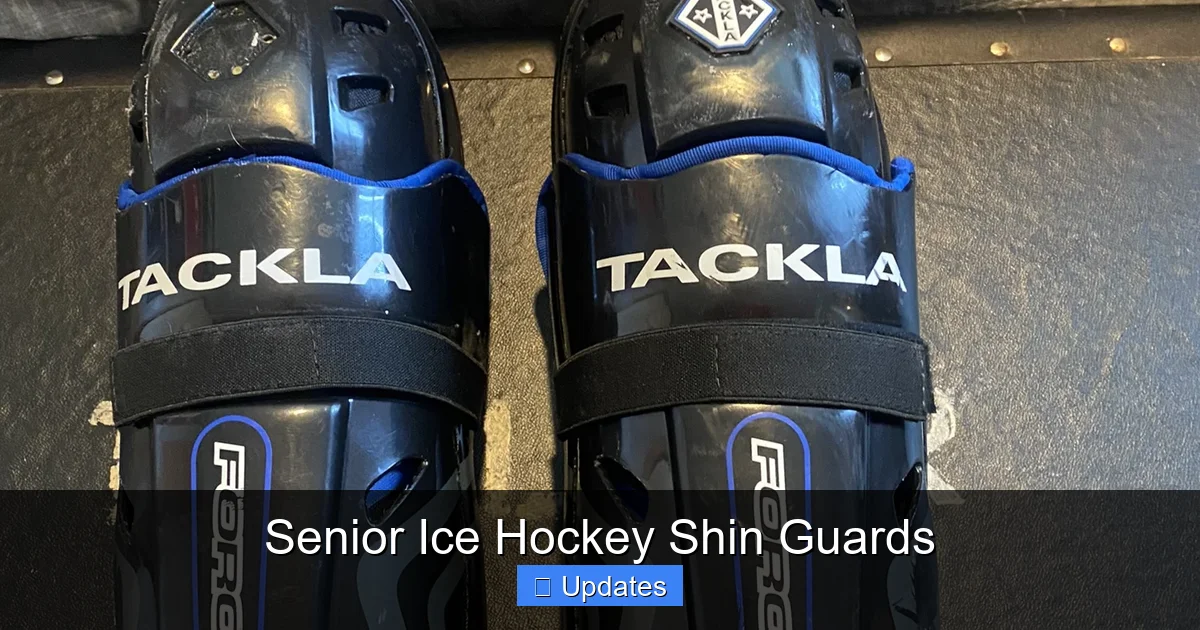
Visual guide about Senior Ice Hockey Shin Guards
Image source: images.sidelineswap.com
For example, many top-tier brands now include dual-density foams—softer against the skin for comfort, harder on the outside to absorb blows. This layered approach mimics how professional athletes train their bodies to withstand contact while minimizing internal damage.
Ergonomics Over Aesthetics
Let’s face it: older players care less about flashy colors and more about functionality. Senior ice hockey shin guards often feature contoured shapes that wrap around the calf and shin without pinching arteries or rubbing raw spots. Some even have anti-slip silicone grips inside the strap pockets to keep everything locked in place during sudden stops or pivots.
Consider how these details add up: no chafing, no shifting, no constant readjustments mid-shift. That kind of stability lets you focus on skating smarter, not worrying about whether your gear will fail when you need it most.
Top Features to Look For in Senior Shin Guards
Impact Resistance Without Bulk
You don’t want your shin guards adding extra weight or stiffness to your stride. Modern composites like polypropylene or ABS plastic deliver military-grade protection while remaining featherlight. Brands such as Bauer and CCM use proprietary blends that flex slightly upon impact—absorbing energy instead of transferring it straight to your shin.

Visual guide about Senior Ice Hockey Shin Guards
Image source: images.sidelineswap.com
Tip: If a guard feels too rigid or heavy, try testing it on flat ground first. Walk around the rink (or driveway) for five minutes. Does it bounce? Does it make your leg ache? Trust your instincts—they’re usually right.
Vented Liners for Breathability
Sweaty calves aren’t just uncomfortable—they cause blisters and reduce grip. High-end senior models incorporate moisture-wicking fabrics like polyester mesh or CoolMax lining. These pull sweat away from your skin and allow airflow through perforated panels near the Achilles tendon and calf muscle.
Bonus: Ventilated zones also help regulate temperature during warm-ups or overtime periods when adrenaline spikes but temps drop in the arena.
Adjustable Strapping Systems
One size rarely fits all—especially when you’ve got different leg lengths or prefer tighter vs looser fits. Look for triple-strap systems (top, middle, bottom) with quick-release buckles. Velcro closures give you micro-adjustments, while plastic clips offer durability for frequent use.
Pro tip: After buying, test the straps under load. Do a few crossovers and backward strides. If any loosen unexpectedly, note which strap needs reinforcement before your next game.
How to Properly Fit Your Senior Ice Hockey Shin Guards
Step-by-Step Measurement Guide
Getting the fit right starts with accurate measurements. Here’s how:

Visual guide about Senior Ice Hockey Shin Guards
Image source: hockeyplusinc.com
- Stand straight with skates laced loosely (you’ll tighten later).
- Measure from just below your kneecap down to your shinbone—about 1–2 inches above your skate blade.
- Wrap a flexible tape measure around your calf at its widest point.
- Record both numbers—length and circumference.
Most brands provide size charts based on these dimensions. Don’t rely solely on waist size or shoe size—leg proportions vary widely!
On-Ice Adjustment Tips
Once you’ve put them on, do a full range-of-motion test:
- Bend your knees deeply—can you crouch without the guard riding up?
- Punch your shin lightly—does the guard shift forward or backward?
- Skate in place for two minutes—any hotspots forming?
If adjustments are needed, loosen the top strap slightly and slide the guard down until it sits snugly against your shin. Remember: you want coverage, not compression.
Common Fit Mistakes to Avoid
Watch out for these pitfalls:
- Too short: Leaves your shin exposed above the guard—vulnerable to pucks and sticks.
- Too long: Causes awkward angles that throw off your stance and balance.
- Loose straps: Results in constant readjusting during gameplay.
When in doubt, go half a size up. Better to have excess material than missing coverage.
Maintenance and Longevity of Your Shin Guards
Caring for Padding and Foam
Over time, foam loses its shock-absorbing properties. To slow this down:
- Air out guards after each use—hang them in a ventilated area away from direct sunlight.
- Avoid machine washing—it degrades elastic straps and compresses foam unevenly.
- Spot-clean only: mix mild soap with water, dampen a cloth, wipe gently, then rinse.
Never store damp guards in a locker bag—mold loves humidity!
Inspecting for Wear and Tear
Check weekly for:
- Cracks or splits in the outer shell
- Loose stitching on straps or seams
- Flattened foam areas (indicates compromised protection)
Replace immediately if any red flags appear. A $60 pair saved from failure could cost hundreds in medical bills.
Storage Best Practices
Keep shin guards in a cool, dry place—not in your car glovebox during summer heatwaves. Use breathable garment bags instead of sealed plastic totes. Label them clearly so teammates know who owns what (and avoid mix-ups during shared equipment days).
Comparing Leading Brands for Senior Players
Bauer Nexus vs. CCM Jetspeed FT475
Bauer’s Nexus line emphasizes comfort with plush liner materials and anatomical shaping. Ideal if you prioritize mobility over maximum rigidity. The FT475, meanwhile, leans toward aggressive protection with extra-hard polycarbonate shells—better suited for physical leagues where checks come hard and fast.
Both offer senior-specific sizing ranges, but Bauer tends to run slightly larger in length. Test both if possible!
Warrior Alpha vs. Easton S9
Warrior’s Alpha series uses multi-flex technology that bends naturally with your kick motion—great for goalies or defensemen who spend lots of time dropping low. Easton’s S9 focuses on ultra-lightweight construction, appealing to forwards who value speed.
Note: Warrior guards often run narrower—measure your calf circumference carefully.
Sherwood Rekker vs. True TF9
Sherwood caters to budget-conscious seniors with durable ABS shells and simple strapping systems. True TF9 targets elite-level players with aerospace-inspired composites and premium padding—but costs nearly double.
Balance your league’s physicality against your wallet. Recreational players rarely need pro-grade tech.
Choosing the Right Level of Protection
Recreational vs. Competitive Leagues
In casual pickup games, standard junior-sized guards may suffice—as long as they meet league rules. But competitive adult leagues often require HECC-certified equipment, which mandates specific impact thresholds.
Always verify your local league’s requirements before purchasing. Playing above your skill level without proper gear invites unnecessary risks.
Position-Specific Considerations
Defensemen: Prioritize extended coverage to protect against board battles and cross-ice passes.
Forwards: Focus on lightweight agility—less bulk means faster edging.
Goalies: Need extra padding over the ankle joint and lateral sides for butterfly saves.
No matter your position, never compromise on core shin protection.
Conclusion: Gear Up Smart, Play Safe
Investing in quality senior ice hockey shin guards isn’t vanity—it’s wisdom. Every shift you take on the ice should be backed by reliable protection, thoughtful design, and confidence in your gear. Whether you’re chasing a hat trick or simply enjoying the camaraderie of the game, comfort and safety go hand-in-hand.
Remember: aging doesn’t mean slowing down. With the right equipment—paired wisely with senior ice hockey elbow pads and supportive skates like the CCM Jetspeed FT675 or Bauer X LP—you can keep skating strong for years to come. Stay sharp, stay protected, and keep those blades flying!
Frequently Asked Questions
What makes senior ice hockey shin guards different from youth ones?
Senior shin guards are designed for mature players with anatomical contours, denser impact-absorbing materials, and ergonomic fits tailored to adult physiology. They prioritize comfort and sustained protection over growth accommodation.
Can I use junior shin guards as a senior player?
Only if they meet your league’s minimum size requirements and provide adequate coverage. However, junior models often lack the structural support and padding density needed for adult impacts.
How often should I replace my shin guards?
Every 1–2 seasons under normal use, or immediately if you notice cracks, flattened foam, or strap wear. Frequent impacts accelerate degradation.
Do senior shin guards need special break-in periods?
Not typically. Unlike stiff composite sticks, modern shin guards mold gradually to your shape over weeks. Wear them consistently to achieve optimal fit.
Are all shin guards compatible with senior ice hockey elbow pads?
Most are, but always verify strap compatibility and overall kit aesthetics. Matching sets (like Bauer Nexus + Nexus elbow pads) ensure uniform sizing and style.
Where’s the best place to buy authentic senior shin guards?
Authorized retailers like HockeyMonkey, Pure Hockey, or brand websites guarantee genuine products. Avoid discount outlets selling unbranded gear lacking safety certifications.