
Senior Housing Income Tax Credit


Talking Clock

Quad Cane for Seniors

Big Button Mobile Phone
The Senior Housing Income Tax Credit is a valuable federal incentive that helps individuals and businesses offset tax liabilities by investing in or developing affordable senior housing. This credit supports aging-in-place initiatives and reduces financial pressure on retirees and property developers alike. By understanding how this program works, you can make smarter decisions about housing investments and tax planning.
Key Takeaways
- What it is: A federal income tax credit designed to encourage investment in affordable senior housing projects.
- Who qualifies: Developers, investors, and sometimes individual homeowners may benefit depending on project scope and location.
- Credit value: Typically ranges from 10% to 30% of qualified expenditures over a 10-year period.
- Application process: Requires approval from HUD or relevant state housing agencies before claiming the credit.
- Long-term impact: Supports aging populations by increasing access to safe, affordable living options.
- State variations: Some states offer additional credits or incentives beyond the federal program.
- Tax planning tool: Can be used to defer or reduce current-year tax obligations significantly.
Key Takeaways
- Understanding senior housing income tax credit: Provides essential knowledge
📑 Table of Contents
- Understanding the Senior Housing Income Tax Credit: A Guide for Seniors and Investors
- What Is the Senior Housing Income Tax Credit?
- Why This Credit Matters for Today’s Seniors
- Eligibility Requirements Explained
- Calculating Your Potential Credit Value
- Applying for the Senior Housing Income Tax Credit
- Real-World Examples and Success Stories
- Common Mistakes to Avoid
- Future Outlook and Policy Trends
- Final Thoughts: Is This Right for You?
Understanding the Senior Housing Income Tax Credit: A Guide for Seniors and Investors
If you’re a senior looking for affordable housing options or an investor considering real estate projects focused on older adults, you’ve likely heard about something called the Senior Housing Income Tax Credit. But what exactly does it mean? How can it help you save money—or even generate income—while supporting vital community needs?
This article breaks down everything you need to know about the Senior Housing Income Tax Credit in plain language. Whether you’re exploring retirement living choices, investing in senior real estate, or just curious about tax-saving opportunities tied to aging populations, we’ll walk through the essentials step by step.
What Is the Senior Housing Income Tax Credit?
The Senior Housing Income Tax Credit is part of a broader set of federal incentives aimed at expanding access to affordable housing—especially for low- and moderate-income seniors. While not always labeled specifically as “senior housing,” many qualifying developments fall under this umbrella due to their target demographic.
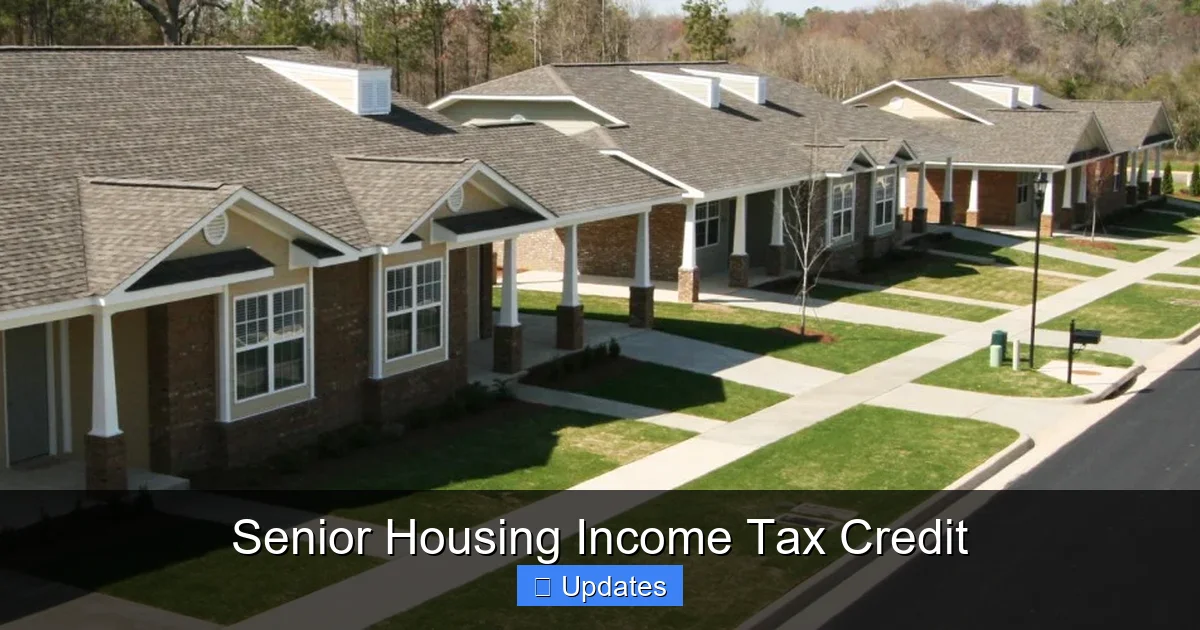
Visual guide about Senior Housing Income Tax Credit
Image source: taxcreditcoalition.org
How It Differs From Other Housing Credits
It’s important to distinguish this credit from other forms like the Low-Income Housing Tax Credit (LIHTC), which applies broadly to all income groups but often includes senior-specific units. The Senior Housing Income Tax Credit typically focuses more narrowly on properties designed exclusively or primarily for older adults, offering enhanced benefits for those serving aging populations.
In some cases, states also run their own versions tailored to local needs—such as Colorado’s Income Qualified Senior Housing Credit, which provides additional support for rural or underserved areas. These programs work alongside federal rules but may have unique eligibility criteria or bonus points for senior-focused design.
Why This Credit Matters for Today’s Seniors
As baby boomers continue aging, demand for age-friendly housing is skyrocketing. According to recent U.S. Census data, over 54 million Americans are now 65+, and that number will double by 2060. Yet, affordable options remain scarce—especially in suburban and rural communities where public transit, medical services, and social networks are limited.
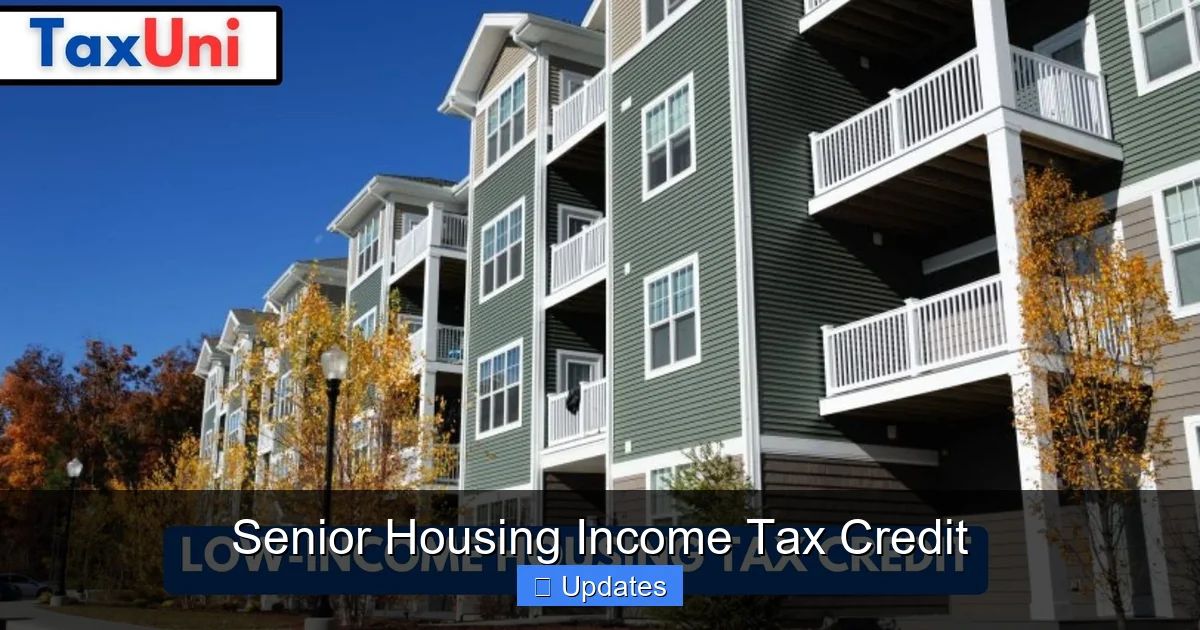
Visual guide about Senior Housing Income Tax Credit
Image source: taxuni.com
The Growing Need for Affordable Senior Living
Many seniors rely on fixed incomes from Social Security, pensions, or savings that don’t keep pace with rising rents or home prices. Without intervention, millions risk homelessness or forced moves into unsuitable environments far from family or care providers.
That’s where the Senior Housing Income Tax Credit comes in. By making development financially viable for private investors and nonprofits, it unlocks new construction and preservation of rental units specifically for seniors—often with supportive services like meal delivery, transportation, or health monitoring.
Eligibility Requirements Explained
Not every senior housing project automatically qualifies—but here’s what generally matters most:
Visual guide about Senior Housing Income Tax Credit
Image source: files.taxfoundation.org
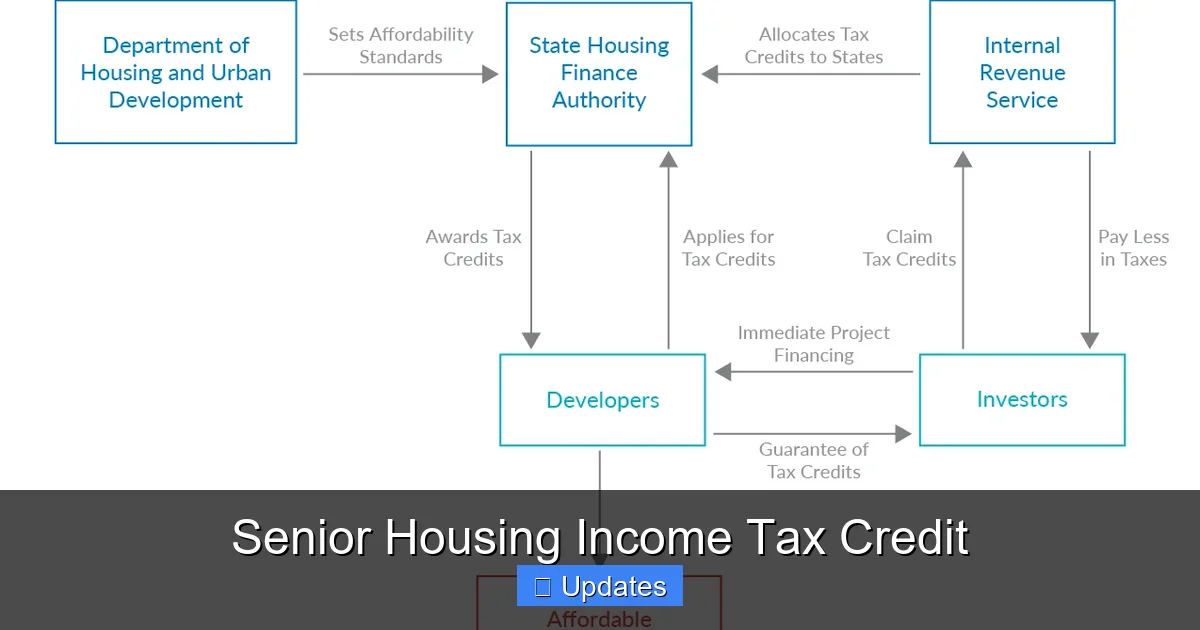
- Target Population: At least 80% of units must serve individuals aged 62+ (or 55+ if structured as a congregate facility).
- Income Limits: Tenants usually must earn no more than 50–60% of area median income (AMI), depending on the program version.
- Project Type: Eligible properties include apartments, assisted living facilities, continuing care retirement communities (CCRCs), and even certain single-family homes grouped into cooperatives.
- Compliance Period: Developers commit to maintaining affordability restrictions for at least 30 years.
Individual taxpayers rarely apply directly; instead, they claim the credit through pass-through entities like LLCs or partnerships involved in qualifying projects. However, if you’re building your own senior home (e.g., via a reverse mortgage or cooperative model), consult a tax advisor—there might be indirect pathways.
Calculating Your Potential Credit Value
The actual dollar amount depends on several factors:
Base Credit Rates
Most federal programs offer 30% of eligible basis costs (construction materials, labor, fees) over ten years. For example, if a $2 million apartment complex meets all criteria, the annual credit could equal $60,000 ($2M × 30% ÷ 10).
Bonus Credits for Special Features
Some jurisdictions add extra percentages for including:
- On-site healthcare clinics
- Accessible design exceeding ADA standards
- Sustainable energy systems (solar panels, geothermal)
- Community gardens or shared dining spaces
These enhancements boost both social impact and financial returns—making projects more attractive to socially conscious lenders and grantmakers.
Applying for the Senior Housing Income Tax Credit
The process begins long before shovels hit dirt. Here’s a simplified roadmap:
- Pre-Application Research: Confirm your state participates and review local guidelines (e.g., Low Income Senior Housing Connecticut has distinct rules).
- Submit Concept Paper: Outline your proposal to the relevant agency (usually HUD or a state housing finance authority).
- Underwriting & Approval: If selected, finalize financing terms and begin environmental reviews.
- Construction Begins: Maintain detailed records of all qualified expenses.
- Annual Reporting: File compliance reports each year during the 30-year affordability period.
Timing is critical—many states cap available credits annually, so early submissions increase chances of funding.
Real-World Examples and Success Stories
Take the case of Maplewood Commons in Austin, Texas. Developed by a nonprofit partner with LIHTC backing, the 80-unit complex reserved 90% of its units for seniors earning under 50% AMI. Thanks to the Senior Housing Income Tax Credit, the developer secured favorable loan terms and avoided costly refinancing later—freeing up capital for resident scholarships.
In contrast, Riverside Gardens in Portland used the credit to retrofit an existing mid-rise into accessible studios and one-bedrooms. Not only did it qualify for the federal incentive, but Oregon also matched 15% of eligible costs—demonstrating how layered incentives multiply benefits.
These examples show that strategic planning pays off. Whether new build or adaptive reuse, aligning with credit requirements opens doors to grants, loans, and tax advantages that pure-market projects lack.
Common Mistakes to Avoid
Even well-intentioned projects stumble. Watch out for:
- Misclassifying Units: Mixing market-rate and subsidized units without proper allocation formulas can disqualify entire applications.
- Lagging Documentation: Missing expense receipts or occupancy logs delays credit claims and triggers audits.
- Ignoring Local Rules: What works in California may fail in Idaho—always verify state-specific nuances (like Low Income Senior Housing Idaho Falls Idaho’s strict waitlist policies).
- Underestimating Operating Costs: Maintenance, staffing, and service contracts eat into margins—factor these into projections.
Pro tip: Hire a certified public accountant (CPA) experienced in affordable housing. They’ll spot pitfalls early and optimize your structure for maximum benefit.
Future Outlook and Policy Trends
Recent legislative pushes suggest the Senior Housing Income Tax Credit may expand. Proposals under discussion include:
- Increasing annual allocation caps nationwide
- Adding mental health programming bonuses
- Streamlining application processes via digital portals
Meanwhile, demographic shifts ensure continued demand. Communities investing now position themselves ahead of the curve—and attract talent, residents, and funding alike.
Final Thoughts: Is This Right for You?
The Senior Housing Income Tax Credit isn’t just a tax trick—it’s a societal lever reshaping how we age. For seniors, it means safer, cheaper places to live near loved ones and resources. For investors, it offers stable returns with purpose-driven appeal. And for policymakers, it’s proof that smart incentives create lasting change.
If you’re exploring options, start by assessing your goals: Are you seeking housing? Building property? Advocating for reform? No matter your role, understanding this credit empowers better choices today and tomorrow.
Frequently Asked Questions
Can individual seniors apply for the Senior Housing Income Tax Credit?
Generally, no. The credit is structured for developers, investors, or organizations building qualifying properties. Individual homeowners may indirectly benefit through reduced housing costs or increased availability of affordable units, but direct application isn’t permitted.
Does every state participate in the Senior Housing Income Tax Credit?
All states participate in some form, though specifics vary. Some offer enhanced credits (like Low Income Senior Housing Colorado) or prioritize certain regions. Always check your state housing authority website for current details.
How long do I need to hold the property to retain credit benefits?
Typically, you must maintain affordability restrictions for at least 30 years after completion. Violations can result in repayment of prior credits plus penalties.
Are there income limits for tenants in credited senior housing?
Yes. Most programs require tenants to earn ≤60% of Area Median Income (AMI). Exact thresholds depend on household size and location—consult local guidelines for precise figures.
Can I combine this credit with other tax incentives?
Absolutely. Many projects layer Historic Rehabilitation Tax Credits, Energy Efficient Mortgages, or USDA Rural Development grants alongside the Senior Housing Income Tax Credit—maximizing financial upside.
Where can I find active waiting lists for credited senior housing?
State housing websites publish lists regularly. Examples include Mobile AL No Waiting List or Broward County FL. Signing up early improves placement odds.